
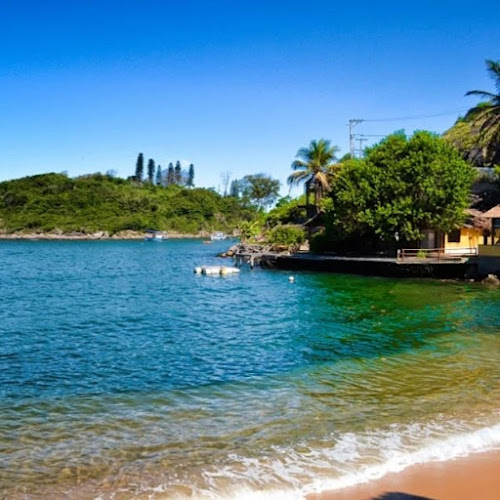
Praia do Bananal
About Praia do Bananal
Description
Praia do Bananal offers travelers a slice of Brazilian coastline that doesn't necessarily show up on every tourist's radar, and honestly, that's part of what makes it special. This beach presents itself as a relatively peaceful escape where the rhythm of the waves takes precedence over the noise of overcrowded tourist hotspots. The sand stretches out in a way that invites long walks, especially during those early morning hours when the light hits the water just right and you can actually hear yourself think. What strikes most visitors first is how the beach manages to maintain a local feel despite attracting a decent number of beachgoers throughout the year. You'll see Brazilian families setting up for the day, kids running around with that boundless energy only children seem to possess, and couples walking hand-in-hand along the shoreline. The atmosphere leans casual rather than Instagram-perfect, which I've always found refreshing in an era where every destination seems curated for social media. The waters here have a personality that changes with the seasons and the tides. Some days they're calm enough for a leisurely swim, other times they show a bit more attitude with waves that body surfers absolutely love. And there's something about the color of the ocean at Praia do Bananal - it shifts between shades of blue and green depending on the light, the weather, and maybe just the beach's mood that particular day. I remember talking to a local vendor who'd been working the beach for over twenty years, and he described it as a place that "breathes with the community." That stuck with me because it's true - this isn't a beach that's been completely transformed by tourism development. Sure, there are amenities and services, but they feel integrated rather than imposed on the landscape.Key Features
The characteristics that define Praia do Bananal give visitors a sense of what to expect when planning their visit:- Generous stretches of golden sand that provide ample space even during busier periods
- Water conditions suitable for both swimming and wave activities, depending on the day and season
- Natural shade provided by trees along certain sections of the beach, perfect for those who burn easily
- Local food vendors and small kiosks offering traditional Brazilian beach snacks and cold drinks
- Less commercialized atmosphere compared to major tourist beaches in the region
- Opportunities for beach sports including volleyball and football on designated areas
- Relatively clean facilities for changing and freshwater showers
- Family-friendly environment with shallow areas suitable for children
- Scenic backdrop with coastal vegetation that frames the beach nicely
- Parking availability, though it can get competitive during peak times
Best Time to Visit
Timing your visit to Praia do Bananal really depends on what kind of beach experience you're after. The Brazilian summer months from December through March bring warm temperatures and the highest number of visitors. The beach definitely fills up during this period, particularly on weekends and holidays when local families make their pilgrimage to the coast. Water temperatures reach their most comfortable levels, hovering around that perfect range where you can stay in for hours without turning into a prune. But here's where I'll share something based on conversations with regulars - the shoulder seasons of April-May and September-November offer an arguably better experience for travelers who value space and tranquility. The weather remains pleasant enough for swimming, the crowds thin out considerably, and you'll find better deals on accommodations in the surrounding area. I've visited beaches during these in-between months and there's something magical about having more room to spread out without fighting for a good spot. The winter months from June through August bring cooler temperatures, though "cool" is relative when you're talking about Brazil. The water might be a bit brisk for extended swimming sessions, but the beach takes on a different character. You'll see more walkers, joggers, and people who come just to enjoy the ocean air without necessarily getting in the water. Prices drop, crowds disappear, and if you're the type who likes contemplative beach time over the party atmosphere, this could be your ideal window. Weather-wise, keep in mind that rain can show up year-round, though it's more common during the summer months. But tropical showers often pass quickly, and there's something oddly satisfying about watching a rainstorm roll across the ocean from the safety of a beach bar. Early mornings consistently rank as the best time of day regardless of season. The beach belongs mostly to locals then - people exercising, fishermen checking their catches, and a few dedicated sunrise watchers. By 10 or 11 AM, the scene shifts as more people arrive, and by early afternoon during peak season, you're sharing the sand with a proper crowd.How to Get There
Getting to Praia do Bananal requires a bit of planning, but it's definitely manageable even for travelers who don't speak Portuguese. The beach sits within reach of several larger cities, and your transportation method will largely depend on where you're starting from and your comfort level with different travel options. If you're driving, the beach is accessible via coastal roads that offer some genuinely beautiful views along the way. Navigation apps work reliably in the area, though cell service can get spotty in some stretches. Parking near the beach exists but fills up fast on weekends and holidays - arriving before 9 AM significantly increases your chances of snagging a decent spot. There are both free and paid parking areas, with the paid options typically offering slightly better security and proximity to the beach access points. Public transportation serves the area through a combination of buses and vans that run with varying degrees of regularity. During peak season, service increases to accommodate the higher number of beachgoers. The schedules can be a bit flexible (which is a polite way of saying they don't always run exactly on time), so build in some buffer time for your plans. Locals waiting at the stops are usually friendly and helpful if you need guidance, and showing them the beach name on your phone works wonders when language barriers pop up. Taxis and ride-sharing services operate in the region, offering a more direct route for travelers who prefer door-to-door service. The cost varies depending on your starting point, and prices typically increase during peak periods. Some visitors split the cost by sharing rides, which makes economic sense and sometimes leads to meeting interesting fellow travelers. For those staying at hotels or guesthouses in nearby towns, some accommodations offer shuttle services or can arrange transportation for a fee. It's worth asking when you book, as this can eliminate a lot of logistical stress. The actual access to the beach once you arrive is straightforward, with clear paths leading from the road and parking areas down to the sand. The walk isn't particularly strenuous, though carrying heavy coolers and multiple bags might have you questioning your packing choices.Tips for Visiting
After spending time at Praia do Bananal and talking with both visitors and locals, a few practical suggestions emerge that can enhance your experience considerably. Bring your own supplies if you're planning a full day at the beach. While vendors sell snacks, drinks, and some beach necessities, having your own cooler with drinks and food saves money and guarantees you'll have exactly what you want. Pack more water than you think you'll need - the combination of sun, salt, and sand dehydrates you faster than you'd expect. Sun protection deserves serious attention here. The Brazilian sun doesn't mess around, and I've witnessed countless tourists turn lobster-red after underestimating the UV intensity. Bring high-SPF sunscreen, reapply it frequently (especially after swimming), and consider bringing an umbrella or beach tent for shade. Those trees I mentioned earlier provide natural shade, but the good spots under them get claimed early. Timing your visit around the tides can affect your experience. Lower tides expose more beach and create calmer water conditions, while higher tides bring waves closer to the vegetation line and reduce the available sand space. Local surf reports or tide apps give you this information if you want to plan accordingly. Cash remains important despite increasing card acceptance. Smaller vendors, parking attendants, and various beach services often operate on a cash-only basis. Having small bills makes transactions smoother and prevents the awkward situation of trying to buy a coconut water with a 100-real note. Secure your belongings wisely. While Praia do Bananal doesn't have a reputation for being particularly dangerous, leaving valuables unattended on the beach while you swim is never smart anywhere. Waterproof pouches for phones and minimal jewelry make sense. Some regular visitors take turns swimming so someone always watches the bags. Respect the local beach culture and you'll find people generally friendly and welcoming. Brazilians have specific beach etiquette - blasting music without consideration isn't cool, giving people space when setting up matters, and keeping the beach clean is expected. Bring bags for your trash and use the designated bins. The water conditions can change throughout the day, so pay attention to any flags or warnings, and watch where locals swim. They know the beach's quirks, currents, and safe zones better than any guidebook could explain. Food vendors walking the beach sell everything from grilled cheese on a stick to fresh fruit, and trying these local offerings is part of the authentic experience. The grilled shrimp skewers are particularly good, though prices tend to be higher than what you'd pay at a restaurant in town. Portuguese phrases go a long way here. Most vendors and locals don't speak much English, but efforts to communicate in Portuguese, even badly, are appreciated. Learning "quanto custa" (how much), "obrigado" (thank you), and "por favor" (please) covers a lot of ground. Visit during the week rather than weekends when possible. The difference in crowd levels is substantial, especially during peak season. Weekdays offer a more relaxed atmosphere with easier parking and more space to claim your spot on the sand. Photography enthusiasts should note that the best light typically occurs in the early morning and late afternoon. The midday sun creates harsh shadows and washed-out colors, while golden hour produces those postcard-worthy shots of the coastline. Consider combining your beach day with exploration of the surrounding area. There are often trails, viewpoints, and other beaches nearby that don't require much additional travel time. Locals can point you toward these lesser-known spots if you ask. And finally, adjust your expectations appropriately. Praia do Bananal isn't going to give you untouched paradise or luxury resort amenities. What it offers is an authentic Brazilian beach experience where locals and travelers share the sand, the ocean sets the agenda, and the simple pleasure of a day by the water takes center stage.Key Features
- Calm, swimmer-friendly waters
- Intimate, local atmosphere (less crowded)
- Views of Morro do Moreno and nearby hills
- Family-run kiosks and local seafood options
- Easy access from Vila Velha urban area
More Details
Updated January 18, 2026
Table of Contents
Description
Praia do Bananal offers travelers a slice of Brazilian coastline that doesn’t necessarily show up on every tourist’s radar, and honestly, that’s part of what makes it special. This beach presents itself as a relatively peaceful escape where the rhythm of the waves takes precedence over the noise of overcrowded tourist hotspots. The sand stretches out in a way that invites long walks, especially during those early morning hours when the light hits the water just right and you can actually hear yourself think.
What strikes most visitors first is how the beach manages to maintain a local feel despite attracting a decent number of beachgoers throughout the year. You’ll see Brazilian families setting up for the day, kids running around with that boundless energy only children seem to possess, and couples walking hand-in-hand along the shoreline. The atmosphere leans casual rather than Instagram-perfect, which I’ve always found refreshing in an era where every destination seems curated for social media.
The waters here have a personality that changes with the seasons and the tides. Some days they’re calm enough for a leisurely swim, other times they show a bit more attitude with waves that body surfers absolutely love. And there’s something about the color of the ocean at Praia do Bananal – it shifts between shades of blue and green depending on the light, the weather, and maybe just the beach’s mood that particular day.
I remember talking to a local vendor who’d been working the beach for over twenty years, and he described it as a place that “breathes with the community.” That stuck with me because it’s true – this isn’t a beach that’s been completely transformed by tourism development. Sure, there are amenities and services, but they feel integrated rather than imposed on the landscape.
Key Features
The characteristics that define Praia do Bananal give visitors a sense of what to expect when planning their visit:
- Generous stretches of golden sand that provide ample space even during busier periods
- Water conditions suitable for both swimming and wave activities, depending on the day and season
- Natural shade provided by trees along certain sections of the beach, perfect for those who burn easily
- Local food vendors and small kiosks offering traditional Brazilian beach snacks and cold drinks
- Less commercialized atmosphere compared to major tourist beaches in the region
- Opportunities for beach sports including volleyball and football on designated areas
- Relatively clean facilities for changing and freshwater showers
- Family-friendly environment with shallow areas suitable for children
- Scenic backdrop with coastal vegetation that frames the beach nicely
- Parking availability, though it can get competitive during peak times
Best Time to Visit
Timing your visit to Praia do Bananal really depends on what kind of beach experience you’re after. The Brazilian summer months from December through March bring warm temperatures and the highest number of visitors. The beach definitely fills up during this period, particularly on weekends and holidays when local families make their pilgrimage to the coast. Water temperatures reach their most comfortable levels, hovering around that perfect range where you can stay in for hours without turning into a prune.
But here’s where I’ll share something based on conversations with regulars – the shoulder seasons of April-May and September-November offer an arguably better experience for travelers who value space and tranquility. The weather remains pleasant enough for swimming, the crowds thin out considerably, and you’ll find better deals on accommodations in the surrounding area. I’ve visited beaches during these in-between months and there’s something magical about having more room to spread out without fighting for a good spot.
The winter months from June through August bring cooler temperatures, though “cool” is relative when you’re talking about Brazil. The water might be a bit brisk for extended swimming sessions, but the beach takes on a different character. You’ll see more walkers, joggers, and people who come just to enjoy the ocean air without necessarily getting in the water. Prices drop, crowds disappear, and if you’re the type who likes contemplative beach time over the party atmosphere, this could be your ideal window.
Weather-wise, keep in mind that rain can show up year-round, though it’s more common during the summer months. But tropical showers often pass quickly, and there’s something oddly satisfying about watching a rainstorm roll across the ocean from the safety of a beach bar.
Early mornings consistently rank as the best time of day regardless of season. The beach belongs mostly to locals then – people exercising, fishermen checking their catches, and a few dedicated sunrise watchers. By 10 or 11 AM, the scene shifts as more people arrive, and by early afternoon during peak season, you’re sharing the sand with a proper crowd.
How to Get There
Getting to Praia do Bananal requires a bit of planning, but it’s definitely manageable even for travelers who don’t speak Portuguese. The beach sits within reach of several larger cities, and your transportation method will largely depend on where you’re starting from and your comfort level with different travel options.
If you’re driving, the beach is accessible via coastal roads that offer some genuinely beautiful views along the way. Navigation apps work reliably in the area, though cell service can get spotty in some stretches. Parking near the beach exists but fills up fast on weekends and holidays – arriving before 9 AM significantly increases your chances of snagging a decent spot. There are both free and paid parking areas, with the paid options typically offering slightly better security and proximity to the beach access points.
Public transportation serves the area through a combination of buses and vans that run with varying degrees of regularity. During peak season, service increases to accommodate the higher number of beachgoers. The schedules can be a bit flexible (which is a polite way of saying they don’t always run exactly on time), so build in some buffer time for your plans. Locals waiting at the stops are usually friendly and helpful if you need guidance, and showing them the beach name on your phone works wonders when language barriers pop up.
Taxis and ride-sharing services operate in the region, offering a more direct route for travelers who prefer door-to-door service. The cost varies depending on your starting point, and prices typically increase during peak periods. Some visitors split the cost by sharing rides, which makes economic sense and sometimes leads to meeting interesting fellow travelers.
For those staying at hotels or guesthouses in nearby towns, some accommodations offer shuttle services or can arrange transportation for a fee. It’s worth asking when you book, as this can eliminate a lot of logistical stress.
The actual access to the beach once you arrive is straightforward, with clear paths leading from the road and parking areas down to the sand. The walk isn’t particularly strenuous, though carrying heavy coolers and multiple bags might have you questioning your packing choices.
Tips for Visiting
After spending time at Praia do Bananal and talking with both visitors and locals, a few practical suggestions emerge that can enhance your experience considerably.
Bring your own supplies if you’re planning a full day at the beach. While vendors sell snacks, drinks, and some beach necessities, having your own cooler with drinks and food saves money and guarantees you’ll have exactly what you want. Pack more water than you think you’ll need – the combination of sun, salt, and sand dehydrates you faster than you’d expect.
Sun protection deserves serious attention here. The Brazilian sun doesn’t mess around, and I’ve witnessed countless tourists turn lobster-red after underestimating the UV intensity. Bring high-SPF sunscreen, reapply it frequently (especially after swimming), and consider bringing an umbrella or beach tent for shade. Those trees I mentioned earlier provide natural shade, but the good spots under them get claimed early.
Timing your visit around the tides can affect your experience. Lower tides expose more beach and create calmer water conditions, while higher tides bring waves closer to the vegetation line and reduce the available sand space. Local surf reports or tide apps give you this information if you want to plan accordingly.
Cash remains important despite increasing card acceptance. Smaller vendors, parking attendants, and various beach services often operate on a cash-only basis. Having small bills makes transactions smoother and prevents the awkward situation of trying to buy a coconut water with a 100-real note.
Secure your belongings wisely. While Praia do Bananal doesn’t have a reputation for being particularly dangerous, leaving valuables unattended on the beach while you swim is never smart anywhere. Waterproof pouches for phones and minimal jewelry make sense. Some regular visitors take turns swimming so someone always watches the bags.
Respect the local beach culture and you’ll find people generally friendly and welcoming. Brazilians have specific beach etiquette – blasting music without consideration isn’t cool, giving people space when setting up matters, and keeping the beach clean is expected. Bring bags for your trash and use the designated bins.
The water conditions can change throughout the day, so pay attention to any flags or warnings, and watch where locals swim. They know the beach’s quirks, currents, and safe zones better than any guidebook could explain.
Food vendors walking the beach sell everything from grilled cheese on a stick to fresh fruit, and trying these local offerings is part of the authentic experience. The grilled shrimp skewers are particularly good, though prices tend to be higher than what you’d pay at a restaurant in town.
Portuguese phrases go a long way here. Most vendors and locals don’t speak much English, but efforts to communicate in Portuguese, even badly, are appreciated. Learning “quanto custa” (how much), “obrigado” (thank you), and “por favor” (please) covers a lot of ground.
Visit during the week rather than weekends when possible. The difference in crowd levels is substantial, especially during peak season. Weekdays offer a more relaxed atmosphere with easier parking and more space to claim your spot on the sand.
Photography enthusiasts should note that the best light typically occurs in the early morning and late afternoon. The midday sun creates harsh shadows and washed-out colors, while golden hour produces those postcard-worthy shots of the coastline.
Consider combining your beach day with exploration of the surrounding area. There are often trails, viewpoints, and other beaches nearby that don’t require much additional travel time. Locals can point you toward these lesser-known spots if you ask.
And finally, adjust your expectations appropriately. Praia do Bananal isn’t going to give you untouched paradise or luxury resort amenities. What it offers is an authentic Brazilian beach experience where locals and travelers share the sand, the ocean sets the agenda, and the simple pleasure of a day by the water takes center stage.
Key Highlights
- Calm, swimmer-friendly waters
- Intimate, local atmosphere (less crowded)
- Views of Morro do Moreno and nearby hills
- Family-run kiosks and local seafood options
- Easy access from Vila Velha urban area
Location
Places to Stay Near Praia do Bananal
Find and Book a Tour
Explore More Travel Guides
No reviews found! Be the first to review!
Traveler Reviews for Praia do Bananal
There are no reviews yet. Be the first one to write one.
Have you visited Praia do Bananal? Help other travelers by sharing your review.
Nearby Attractions
You Might Also Like
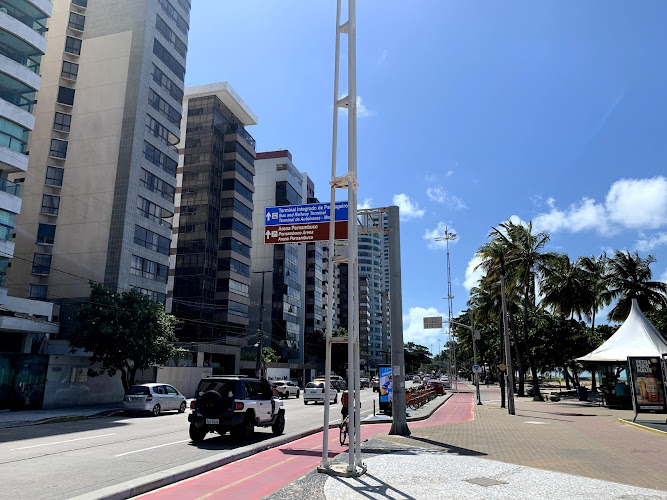
Av. Boa Viagem
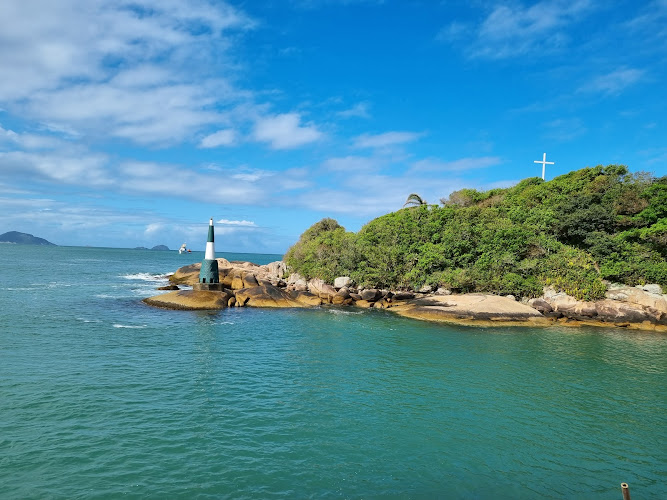
Praia da Barra da Lagoa
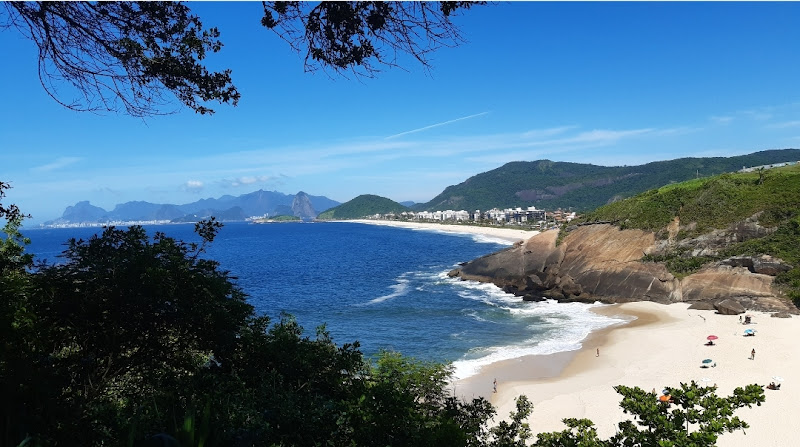
Sossego Beach
Find Accommodations Nearby
Recommended Tours & Activities
Visitor Reviews
There are no reviews yet. Be the first one to write one.
Share Your Experience
Have you visited Praia do Bananal? Help other travelers by leaving a review.