

State of Santa Catarina
About State of Santa Catarina
Description
Santa Catarina sits in southern Brazil as one of those places that somehow manages to feel both undiscovered and incredibly developed at the same time. I've talked to countless travelers who bypassed this state entirely on their Brazil trips, heading straight for Rio or the Amazon, and they always regret it when they hear what they missed. This region stretches along a gorgeous Atlantic coastline that seems to go on forever, dotted with islands that range from party-heavy beach destinations to quiet fishing villages where time moves at a completely different pace. The capital city, Florianópolis, sprawls mostly across Santa Catarina Island, and locals just call it "Floripa" because why waste syllables when you're living somewhere this laid-back? But don't let that casual attitude fool you – this state has one of the highest standards of living in all of Brazil, with infrastructure that actually works and a European influence that shows up in everything from the architecture to the cuisine. You'll find German, Italian, and Portuguese heritage woven throughout the culture here, which creates this interesting mix that doesn't quite feel like the rest of Brazil. The geography alone makes Santa Catarina worth the trip. You've got the Serra Geral mountains rising up in the west, creating microclimates and stunning canyon landscapes that feel more like something out of New Zealand than South America. And then there's that coastline – over 500 kilometers of it – with beaches that cater to every possible preference. Surfers flock to certain spots with religious devotion, while families claim their favorite calm bays, and party-seekers know exactly which beaches transform into open-air clubs come sunset. What strikes most visitors is how safe and organized everything feels compared to stereotypical expectations of Brazil. The state has strong German and Italian immigrant communities that brought their work ethic and planning sensibilities with them generations ago, and that influence persists today in the well-maintained roads, efficient public services, and generally orderly way things operate.Key Features
- Over 500 kilometers of Atlantic coastline featuring more than 100 distinct beaches, each with its own character and crowd
- Florianópolis serving as the capital city, primarily located on Santa Catarina Island with excellent beach resorts concentrated at the northern tip
- Strong European heritage visible in architecture, festivals, cuisine, and local customs, particularly German and Italian influences
- The Serra Geral mountain range offering dramatic landscapes, canyons, and cooler climate zones perfect for hiking and nature exploration
- Traditional public markets in Florianópolis where bars, restaurants, and food stalls create an authentic local atmosphere
- Historical sites including a 19th-century colonial governor's palace that now houses an important history museum
- World-class surfing conditions at beaches like Joaquina and Praia Mole that attract international competitions
- Charming coastal villages such as Santo Antônio de Lisboa maintaining traditional fishing community character
- Oktoberfest celebrations in Blumenau ranking as one of the largest German festivals outside of Germany itself
- The scenic Green Route (Rota Verde) winding through mountains with waterfalls, rural communities, and colonial architecture
- Ilha do Campeche offering archaeological sites with indigenous rock carvings and pristine beach environments
- Balneário Camboriú featuring a dramatic skyline that rivals Miami Beach with high-rise development along its beachfront
Best Time to Visit
Here's where things get interesting because Santa Catarina doesn't follow the typical tropical Brazil weather patterns. The state has four actual seasons – yes, all four of them – which throws a lot of visitors for a loop when they're planning their Brazilian beach vacation. Summer runs from December through March, and this is peak season for obvious reasons. The beaches fill up with Brazilian families, Argentine tourists, and increasingly more international visitors who've caught on to what's happening here. Temperatures hover around 25-30°C (77-86°F), the water's warm enough for extended swimming, and every beach town operates at full capacity. But here's the thing – it gets crowded. Really crowded. And prices reflect that demand. If you're traveling in January or February, book everything well in advance or prepare to pay premium rates for whatever's left. I actually prefer visiting during shoulder seasons, and I'm not alone in that opinion. April and May bring autumn weather that's still plenty warm for beach activities, but the crowds thin out dramatically. The water temperature drops slightly, but it's absolutely swimmable, and you'll have stretches of sand practically to yourself. Same goes for September through early November when spring arrives. The wildflowers bloom in the mountainous regions, temperatures climb back into comfortable ranges, and you can actually get a table at decent restaurants without waiting. Winter – June through August – surprises people. It gets properly cold, especially in the mountain areas where temperatures can drop near freezing and occasionally even bring snow to the highest elevations. The coast stays milder, but you'll definitely need layers. This isn't beach season, but it's perfect for exploring the wine regions, hiking in the mountains, and experiencing those German-influenced towns when they feel most authentic. Plus, hotel rates drop significantly. Weather patterns can shift quickly here, particularly along the coast, so pack accordingly regardless of when you visit. I learned this the hard way during an April trip when a cold front swept in and dropped temperatures by 15 degrees overnight.How to Get There
Getting to Santa Catarina is surprisingly straightforward for an area that many international travelers have never heard of. Florianópolis has its own international airport – Hercílio Luz International Airport – which handles direct flights from several South American cities and connects easily through São Paulo or other major Brazilian hubs. The airport sits conveniently close to the city center, about 10 kilometers south, making the initial arrival hassle-free. If you're flying internationally, you'll likely connect through São Paulo's Guarulhos Airport (GRU), and honestly, this works out fine because the domestic flight to Florianópolis only takes about an hour. Several airlines run this route multiple times daily, so you've got flexibility with scheduling. Some travelers also fly into Navegantes Airport, which serves the Balneário Camboriú and Itajaí areas in the northern part of the state. Driving is absolutely an option if you're already in southern Brazil or coming from Argentina. The BR-101 highway runs along the coast through Santa Catarina, connecting all the major beach towns and cities. The roads here are genuinely good – again, that European influence showing through – though weekend traffic during summer can test your patience. Many Argentine tourists drive across the border, especially during their summer holiday season, creating a fun multicultural atmosphere in the beach towns. Bus service throughout Santa Catarina is reliable and reasonably comfortable. The state has several bus companies operating regular routes between cities and towns, with the terminals generally well-maintained and easy to navigate. If you're on a budget, buses make perfect sense, though journey times can stretch out considerably compared to driving yourself. Once you're in Florianópolis or other major areas, you'll want a rental car to really explore properly. Public transportation exists, but it's limited, and the best beaches and scenic spots require some flexibility. That said, ride-sharing apps work well in the cities if you prefer not to drive. Just be aware that parking in popular beach areas during peak season can be challenging and sometimes expensive.Tips for Visiting
Let me share some practical wisdom that'll make your Santa Catarina experience significantly better. First off, learn at least some basic Portuguese phrases. Unlike in Rio or São Paulo where you'll find plenty of English speakers, Santa Catarina is still relatively off the international tourist radar, and English proficiency drops considerably outside the main tourist areas. Download a translation app and don't be shy about using it – locals appreciate the effort. The beach culture here requires understanding. Each beach has its own vibe, and choosing the wrong one for your purposes can ruin a day. Praia Mole and Joaquina attract surfers and younger crowds. Praia da Daniela and Cachoeira do Bom Jesus cater to families with calm waters. Santo Antônio de Lisboa and Ribeirão da Ilha offer traditional fishing village atmospheres with excellent seafood. Do a bit of research before randomly picking a beach, because they're not all created equal. Food in Santa Catarina deserves your full attention. The seafood is outstanding – particularly oysters, which are farmed extensively along the coast. Try the "sequência de camarão" (shrimp sequence), a traditional multi-course shrimp feast that'll leave you properly stuffed. In the German-influenced areas, don't miss the apple strudel, sausages, and craft beers. And everywhere, the "pastel" (fried pastry with various fillings) makes an excellent quick meal. Money matters more than you'd think. While cards work in established businesses, many smaller beach vendors, market stalls, and local restaurants still operate cash-only. ATMs are available but plan ahead, especially if you're heading to more remote beaches or mountain areas. The Brazilian Real fluctuates, so check current exchange rates before your trip. Sunscreen is serious business. That southern latitude means UV rays hit differently here, and I've watched countless tourists turn lobster-red on their first day because they underestimated the sun. Apply liberally, reapply often, and consider protective clothing for extended beach time. The locals aren't pale for no reason – they know how fierce that sun gets. Timing your activities around local schedules will improve your experience considerably. Brazilians eat late – lunch often happens between 1-3pm, and dinner rarely starts before 8pm. Restaurants may not even open until late afternoon. Shops close for lunch breaks. Beach crowds peak in early afternoon. Adjusting to this rhythm makes everything flow better than fighting against it. Safety in Santa Catarina is generally good compared to other Brazilian regions, but common sense still applies. Don't flash expensive items on beaches. Be cautious in unfamiliar areas after dark. Use official taxis or rideshare apps rather than unmarked vehicles. Keep valuables secured. Most visitors have zero problems, but basic urban awareness prevents the occasional unfortunate incident. Finally, extend your stay longer than you initially planned. This is that kind of place where three days turns into a week, and you'll still leave wishing you had more time. The diversity here – beaches, mountains, cultural experiences, food scenes – requires time to properly appreciate. Rush through and you'll miss what makes Santa Catarina special.Key Features
- Florianópolis island beaches and surf spots
- Blumenau’s German heritage and Oktoberfest events
- Serra do Rio do Rastro scenic mountain road
- Diverse coastline with lagoons, dunes and island coves
- Alpine-style towns and cold-climate fruit farms in the highlands
More Details
Updated January 18, 2026
Table of Contents
Description
Santa Catarina sits in southern Brazil as one of those places that somehow manages to feel both undiscovered and incredibly developed at the same time. I’ve talked to countless travelers who bypassed this state entirely on their Brazil trips, heading straight for Rio or the Amazon, and they always regret it when they hear what they missed. This region stretches along a gorgeous Atlantic coastline that seems to go on forever, dotted with islands that range from party-heavy beach destinations to quiet fishing villages where time moves at a completely different pace.
The capital city, Florianópolis, sprawls mostly across Santa Catarina Island, and locals just call it “Floripa” because why waste syllables when you’re living somewhere this laid-back? But don’t let that casual attitude fool you – this state has one of the highest standards of living in all of Brazil, with infrastructure that actually works and a European influence that shows up in everything from the architecture to the cuisine. You’ll find German, Italian, and Portuguese heritage woven throughout the culture here, which creates this interesting mix that doesn’t quite feel like the rest of Brazil.
The geography alone makes Santa Catarina worth the trip. You’ve got the Serra Geral mountains rising up in the west, creating microclimates and stunning canyon landscapes that feel more like something out of New Zealand than South America. And then there’s that coastline – over 500 kilometers of it – with beaches that cater to every possible preference. Surfers flock to certain spots with religious devotion, while families claim their favorite calm bays, and party-seekers know exactly which beaches transform into open-air clubs come sunset.
What strikes most visitors is how safe and organized everything feels compared to stereotypical expectations of Brazil. The state has strong German and Italian immigrant communities that brought their work ethic and planning sensibilities with them generations ago, and that influence persists today in the well-maintained roads, efficient public services, and generally orderly way things operate.
Key Features
- Over 500 kilometers of Atlantic coastline featuring more than 100 distinct beaches, each with its own character and crowd
- Florianópolis serving as the capital city, primarily located on Santa Catarina Island with excellent beach resorts concentrated at the northern tip
- Strong European heritage visible in architecture, festivals, cuisine, and local customs, particularly German and Italian influences
- The Serra Geral mountain range offering dramatic landscapes, canyons, and cooler climate zones perfect for hiking and nature exploration
- Traditional public markets in Florianópolis where bars, restaurants, and food stalls create an authentic local atmosphere
- Historical sites including a 19th-century colonial governor’s palace that now houses an important history museum
- World-class surfing conditions at beaches like Joaquina and Praia Mole that attract international competitions
- Charming coastal villages such as Santo Antônio de Lisboa maintaining traditional fishing community character
- Oktoberfest celebrations in Blumenau ranking as one of the largest German festivals outside of Germany itself
- The scenic Green Route (Rota Verde) winding through mountains with waterfalls, rural communities, and colonial architecture
- Ilha do Campeche offering archaeological sites with indigenous rock carvings and pristine beach environments
- Balneário Camboriú featuring a dramatic skyline that rivals Miami Beach with high-rise development along its beachfront
Best Time to Visit
Here’s where things get interesting because Santa Catarina doesn’t follow the typical tropical Brazil weather patterns. The state has four actual seasons – yes, all four of them – which throws a lot of visitors for a loop when they’re planning their Brazilian beach vacation.
Summer runs from December through March, and this is peak season for obvious reasons. The beaches fill up with Brazilian families, Argentine tourists, and increasingly more international visitors who’ve caught on to what’s happening here. Temperatures hover around 25-30°C (77-86°F), the water’s warm enough for extended swimming, and every beach town operates at full capacity. But here’s the thing – it gets crowded. Really crowded. And prices reflect that demand. If you’re traveling in January or February, book everything well in advance or prepare to pay premium rates for whatever’s left.
I actually prefer visiting during shoulder seasons, and I’m not alone in that opinion. April and May bring autumn weather that’s still plenty warm for beach activities, but the crowds thin out dramatically. The water temperature drops slightly, but it’s absolutely swimmable, and you’ll have stretches of sand practically to yourself. Same goes for September through early November when spring arrives. The wildflowers bloom in the mountainous regions, temperatures climb back into comfortable ranges, and you can actually get a table at decent restaurants without waiting.
Winter – June through August – surprises people. It gets properly cold, especially in the mountain areas where temperatures can drop near freezing and occasionally even bring snow to the highest elevations. The coast stays milder, but you’ll definitely need layers. This isn’t beach season, but it’s perfect for exploring the wine regions, hiking in the mountains, and experiencing those German-influenced towns when they feel most authentic. Plus, hotel rates drop significantly.
Weather patterns can shift quickly here, particularly along the coast, so pack accordingly regardless of when you visit. I learned this the hard way during an April trip when a cold front swept in and dropped temperatures by 15 degrees overnight.
How to Get There
Getting to Santa Catarina is surprisingly straightforward for an area that many international travelers have never heard of. Florianópolis has its own international airport – Hercílio Luz International Airport – which handles direct flights from several South American cities and connects easily through São Paulo or other major Brazilian hubs. The airport sits conveniently close to the city center, about 10 kilometers south, making the initial arrival hassle-free.
If you’re flying internationally, you’ll likely connect through São Paulo’s Guarulhos Airport (GRU), and honestly, this works out fine because the domestic flight to Florianópolis only takes about an hour. Several airlines run this route multiple times daily, so you’ve got flexibility with scheduling. Some travelers also fly into Navegantes Airport, which serves the Balneário Camboriú and Itajaí areas in the northern part of the state.
Driving is absolutely an option if you’re already in southern Brazil or coming from Argentina. The BR-101 highway runs along the coast through Santa Catarina, connecting all the major beach towns and cities. The roads here are genuinely good – again, that European influence showing through – though weekend traffic during summer can test your patience. Many Argentine tourists drive across the border, especially during their summer holiday season, creating a fun multicultural atmosphere in the beach towns.
Bus service throughout Santa Catarina is reliable and reasonably comfortable. The state has several bus companies operating regular routes between cities and towns, with the terminals generally well-maintained and easy to navigate. If you’re on a budget, buses make perfect sense, though journey times can stretch out considerably compared to driving yourself.
Once you’re in Florianópolis or other major areas, you’ll want a rental car to really explore properly. Public transportation exists, but it’s limited, and the best beaches and scenic spots require some flexibility. That said, ride-sharing apps work well in the cities if you prefer not to drive. Just be aware that parking in popular beach areas during peak season can be challenging and sometimes expensive.
Tips for Visiting
Let me share some practical wisdom that’ll make your Santa Catarina experience significantly better. First off, learn at least some basic Portuguese phrases. Unlike in Rio or São Paulo where you’ll find plenty of English speakers, Santa Catarina is still relatively off the international tourist radar, and English proficiency drops considerably outside the main tourist areas. Download a translation app and don’t be shy about using it – locals appreciate the effort.
The beach culture here requires understanding. Each beach has its own vibe, and choosing the wrong one for your purposes can ruin a day. Praia Mole and Joaquina attract surfers and younger crowds. Praia da Daniela and Cachoeira do Bom Jesus cater to families with calm waters. Santo Antônio de Lisboa and Ribeirão da Ilha offer traditional fishing village atmospheres with excellent seafood. Do a bit of research before randomly picking a beach, because they’re not all created equal.
Food in Santa Catarina deserves your full attention. The seafood is outstanding – particularly oysters, which are farmed extensively along the coast. Try the “sequência de camarão” (shrimp sequence), a traditional multi-course shrimp feast that’ll leave you properly stuffed. In the German-influenced areas, don’t miss the apple strudel, sausages, and craft beers. And everywhere, the “pastel” (fried pastry with various fillings) makes an excellent quick meal.
Money matters more than you’d think. While cards work in established businesses, many smaller beach vendors, market stalls, and local restaurants still operate cash-only. ATMs are available but plan ahead, especially if you’re heading to more remote beaches or mountain areas. The Brazilian Real fluctuates, so check current exchange rates before your trip.
Sunscreen is serious business. That southern latitude means UV rays hit differently here, and I’ve watched countless tourists turn lobster-red on their first day because they underestimated the sun. Apply liberally, reapply often, and consider protective clothing for extended beach time. The locals aren’t pale for no reason – they know how fierce that sun gets.
Timing your activities around local schedules will improve your experience considerably. Brazilians eat late – lunch often happens between 1-3pm, and dinner rarely starts before 8pm. Restaurants may not even open until late afternoon. Shops close for lunch breaks. Beach crowds peak in early afternoon. Adjusting to this rhythm makes everything flow better than fighting against it.
Safety in Santa Catarina is generally good compared to other Brazilian regions, but common sense still applies. Don’t flash expensive items on beaches. Be cautious in unfamiliar areas after dark. Use official taxis or rideshare apps rather than unmarked vehicles. Keep valuables secured. Most visitors have zero problems, but basic urban awareness prevents the occasional unfortunate incident.
Finally, extend your stay longer than you initially planned. This is that kind of place where three days turns into a week, and you’ll still leave wishing you had more time. The diversity here – beaches, mountains, cultural experiences, food scenes – requires time to properly appreciate. Rush through and you’ll miss what makes Santa Catarina special.
Key Highlights
- Florianópolis island beaches and surf spots
- Blumenau’s German heritage and Oktoberfest events
- Serra do Rio do Rastro scenic mountain road
- Diverse coastline with lagoons, dunes and island coves
- Alpine-style towns and cold-climate fruit farms in the highlands
Location
Places to Stay Near State of Santa Catarina
Find and Book a Tour
Explore More Travel Guides
No reviews found! Be the first to review!
Traveler Reviews for State of Santa Catarina
There are no reviews yet. Be the first one to write one.
Have you visited State of Santa Catarina? Help other travelers by sharing your review.
Nearby Attractions
You Might Also Like
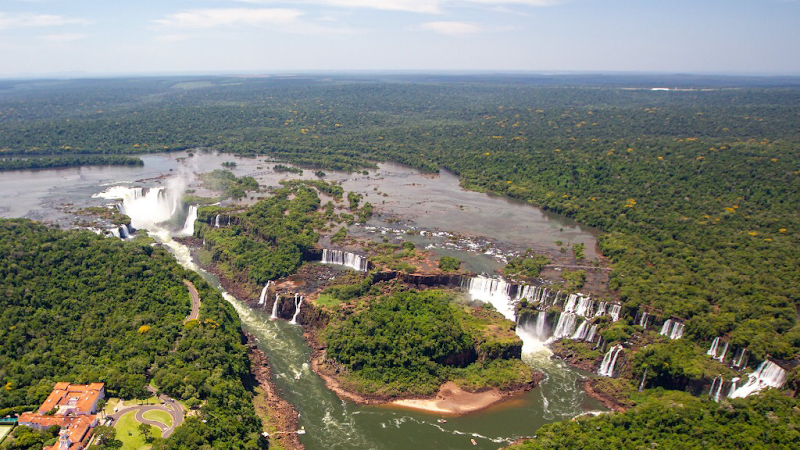
Iguaçu National Park
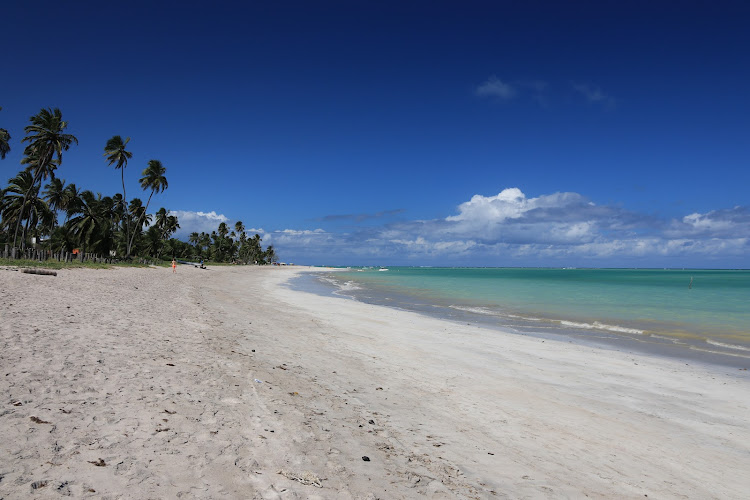
Praia Xareu
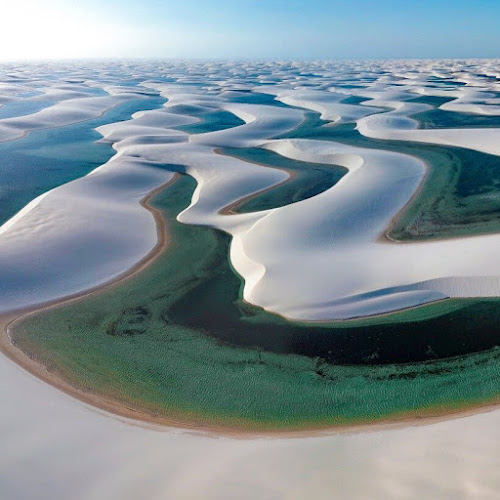
Parque Nacional dos Lençóis Maranhenses
Find Accommodations Nearby
Recommended Tours & Activities
Visitor Reviews
There are no reviews yet. Be the first one to write one.
Share Your Experience
Have you visited State of Santa Catarina? Help other travelers by leaving a review.