
Sitio Arqueológico La Proveedora
About Sitio Arqueológico La Proveedora
Description
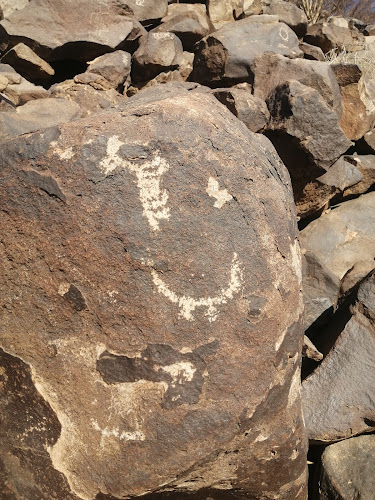
Sitio Arqueológico La Proveedora is one of those places that genuinely grabs your imagination and won’t let go. Sitting quietly near Caborca in the vast Sonoran desert of northwest Mexico, La Proveedora is a sprawling archaeological site celebrated for its astonishing collection of rock art. This is not just any rock art site. Think thousands of petroglyphs meticulously carved and etched into volcanic rocks, scattered across the slopes and ridges like messages flung across centuries by ancient hands. If you’re the kind of traveler who craves connecting with deep history, with wild landscapes steeped in mystery, you might just wonder how this place managed to slip under the mainstream tourist radar for so long.
This place tells the story of northern Mexican prehistory in a totally visceral, almost haunting way. You’ll find yourself surrounded by the Chihuahuan Desert’s silence and the quiet hum of ancestral life that, once you pay attention, is hard to unhear. Known locally as one of the largest concentrations of rock art in Sonora, La Proveedora has an air of enigma that only deepens the longer you linger. The terrain is ancient lava flow—with its maze of boulders covered in geometric patterns, zoomorphic figures, and abstract motifs. You get the sense ancient people returned here again and again, each generation adding marks of memory, ritual, or perhaps even cosmic communication (seriously, archaeoastronomy buffs will find this place fascinating).
Archaeological research suggests La Proveedora’s rock art spans thousands of years—possibly as far back as 2000 BCE. Picture this: hunter-gatherers, early agriculturalists, and later indigenous groups all converging on these slopes, carving their symbols into the desert varnish that still coats these rocks like a protective cloak. Unlike many sites where the art suffers the ravages of exposure and time, here, the petroglyphs remain crisp, bold, and plentiful. Some boulders even resemble massive storybooks, filled to the brim on each page with intricate panels of lines, circles, animals, or human forms. It’s fair to say that if you’ve ever been entranced by the Nazca Lines in Peru or the cave paintings in Altamira, La Proveedora will stir that same awe—but with a distinctly Sonoran soul.
Families, solo wanderers, amateur archaeologists, and artists all find themselves drawn here. It’s a rare site that manages to be kid-friendly without feeling “kiddie”—children seem to delight in tracing the petroglyph shapes with their fingers, while parents find themselves waxing poetic about deep time and the universality of storytelling. And honestly, it doesn’t matter if you arrive as an expert or a total beginner in the world of rock art—the place meets you wherever your curiosity happens to be.
Key Features
- Vast Collection of Petroglyphs: Thousands of engravings in volcanic rock, featuring geometric shapes, animal and human figures, spirals, and mysterious abstract symbols that are still the stuff of scholarly debate. It’s like ancient graffiti but with way more gravitas.
- Unique Desert Varnish: The petroglyphs are etched into layers of dark "desert varnish" (a patina of manganese and iron oxides), which has protected them for centuries in the harsh climate of the Sonoran Desert. This coating has become a subject of rock art research on its own.
- Cultural Crossroads: La Proveedora marked a meeting point for different prehistoric cultures—hunter-gatherers to early agriculturalists—evidenced by overlapping styles and motifs. If regional cultural history fascinates you, you’ll spot ties to broader patterns from northwest Mexico, the Chihuahuan Desert, and even links to the cultures of the American Southwest.
- Immersive Nature Setting: The site is set among rugged desert landscapes, offering sweeping views, striking volcanic boulders, native cacti, and an endless sky. Watch for desert wildlife, especially at sunrise or sunset.
- Archaeoastronomical Significance: Some petroglyphs are believed to align with solar events, marking solstices or equinoxes. If you plan your visit right, you might just catch a dramatic interplay of sunlight and ancient carvings that the site’s creators could have used to track time or organize ritual calendars. Totally goosebumps-inducing.
- Uncrowded and Authentic: Unlike more “touristy” sites, La Proveedora remains largely undisturbed and rarely overcrowded, preserving both the mystery and the sense of discovery. There’s an intimacy here that’s tough to find at more heavily promoted archaeological attractions in Mexico.
- Great for Kids and Adults: The site is accessible for families, with enough adventure and open space for kids (just keep a close eye as the rocks can be uneven). It fires up the imagination for all ages.
Best Time to Visit
So let’s be real. You don’t want to be out scrambling over sun-baked lava rocks when the Sonoran Desert is at its fiery, hair-dryer-in-your-face worst. That rules out June through August unless you’ve got a serious masochistic streak. The sweet spot? Late October through mid-April. During these months, the desert is cooler, the morning and late afternoon light make the petroglyphs pop beautifully against the stone, and you avoid the risk of literal meltdown.
Early spring brings a touch of desert color, with cacti blooming and—if you’re lucky—cool nights for stargazing. Winter sees mild days, ideal for clambering up slopes and hopping from one petroglyph panel to another. Sundays and holidays are relatively quiet; you might have the whole site to yourself, which honestly feels like winning some ancient explorer lottery. Oh, and if you’re into photography, aim for golden hour. The shadows and raking light do wild things to the carvings; trust me, your Instagram will thank you (just be respectful—don’t step on any rock panels for that “perfect shot”).
How to Get There
Getting to La Proveedora isn’t quite Indiana Jones-level complicated, but it does take a bit of intention. The closest major hub is Caborca, Sonora—a friendly, approachable city with decent amenities and plenty of local flavor. Most travelers rent a car (or arrange a taxi with a local driver familiar with the area) to cover the final stretch. The access road switches from paved to gravel, then into a dirt track. It’s totally doable in a regular car in the dry season, but honestly: if your rental company offers a high-clearance vehicle, jump on it. After rain, the road becomes a muddy slide. Don’t trust Google Maps entirely, by the way. Ask for current directions once you’re in Caborca, since signposting can be, well, “minimalist.”
Some people like to combine a visit to La Proveedora with other local attractions—maybe a side trip to the Cerro de la Proveedora or even an overnight in the Sonoran desert for stargazing (highly recommended if you’re the type who likes their ancient history with a side of Milky Way). Not a lot of public transit vibes out here, so plan accordingly. And if you’re driving out, fill up your gas tank in town and bring enough water/food for the day. One time, I spaced out and had to ration my energy bar through the afternoon. Lesson learned.
Tips for Visiting
- Bring Water and Snacks: The desert does not play. Even in winter, you’ll get thirsty fast out there. Better to overpack your water bottle and toss in extra snacks than wish you had later.
- Wear Sturdy Shoes and Sun Protection: Those rocks will chew up flimsy shoes. And that sun? Unforgiving. I recommend a good hat, sunscreen, and—if you’re like me—a bandana to keep the dust at bay.
- Respect the Rock Art: This should go without saying, but seriously: don’t touch, climb, or (I can’t believe this has to be said) carve your own “masterpiece” onto the rocks. These petroglyphs have lasted thousands of years. Let’s help them hang around a few thousand more.
- Consider a Guided Tour: Local guides unlock stories and context you’d completely miss otherwise. I once tagged along with an archaeologist who pointed out a whole astronomical calendar I’d have just thought was squiggly lines.
- Travel Early or Late in the Day: Beat the heat, and enjoy the site in its absolute best light—and relative solitude. Pack a headlamp if you’re stretching your visit toward dusk (it gets dark fast out there).
- Use Caution with Kids: The site is kid-friendly, but the lava rock can be rough. Keep an eye on little ones, and maybe invent a “stay on the path” game for the day.
- Pack Out Everything: No facilities and no trash bins. Leave the site cleaner than you found it. Good desert karma.
- Embrace Curiosity: Not everything is labeled out here (or even thoroughly interpreted), which is kind of the magic. Bring a notebook if you’re the journaling type, or plan to just wander and let the site’s ancient energy work on you.
In all honesty, Sitio Arqueológico La Proveedora is one of those offbeat gems that lives up to the hype and then some. It rewards the intrepid, the patient, and the respectful. Whether you come as an aficionado of rock art, an archaeology geek, or just someone eager to feel small beneath an ancient sky, this archaeological site plants its imprint on your memory. The silence of the Sonoran Desert, punctuated by a chorus of mysterious carvings, stays with you long after you’ve left. Just remember: bring water, an open mind, and a desire to marvel. You won’t leave disappointed.
Key Features
- Extensive concentration of petroglyphs and pictographs
- Association with Trincheras/Hohokam and Oʼodham cultural traditions
- Large geoglyph-style panels and varied motifs (humans, animals, geometric)
- Scenic Sonoran desert hilltop setting ideal for photography
- Relatively remote, low‑traffic site offering a quiet, authentic visit
More Details
Updated August 6, 2025
Table of Contents
Description
Sitio Arqueológico La Proveedora is one of those places that genuinely grabs your imagination and won’t let go. Sitting quietly near Caborca in the vast Sonoran desert of northwest Mexico, La Proveedora is a sprawling archaeological site celebrated for its astonishing collection of rock art. This is not just any rock art site. Think thousands of petroglyphs meticulously carved and etched into volcanic rocks, scattered across the slopes and ridges like messages flung across centuries by ancient hands. If you’re the kind of traveler who craves connecting with deep history, with wild landscapes steeped in mystery, you might just wonder how this place managed to slip under the mainstream tourist radar for so long.
This place tells the story of northern Mexican prehistory in a totally visceral, almost haunting way. You’ll find yourself surrounded by the Chihuahuan Desert’s silence and the quiet hum of ancestral life that, once you pay attention, is hard to unhear. Known locally as one of the largest concentrations of rock art in Sonora, La Proveedora has an air of enigma that only deepens the longer you linger. The terrain is ancient lava flow—with its maze of boulders covered in geometric patterns, zoomorphic figures, and abstract motifs. You get the sense ancient people returned here again and again, each generation adding marks of memory, ritual, or perhaps even cosmic communication (seriously, archaeoastronomy buffs will find this place fascinating).
Archaeological research suggests La Proveedora’s rock art spans thousands of years—possibly as far back as 2000 BCE. Picture this: hunter-gatherers, early agriculturalists, and later indigenous groups all converging on these slopes, carving their symbols into the desert varnish that still coats these rocks like a protective cloak. Unlike many sites where the art suffers the ravages of exposure and time, here, the petroglyphs remain crisp, bold, and plentiful. Some boulders even resemble massive storybooks, filled to the brim on each page with intricate panels of lines, circles, animals, or human forms. It’s fair to say that if you’ve ever been entranced by the Nazca Lines in Peru or the cave paintings in Altamira, La Proveedora will stir that same awe—but with a distinctly Sonoran soul.
Families, solo wanderers, amateur archaeologists, and artists all find themselves drawn here. It’s a rare site that manages to be kid-friendly without feeling “kiddie”—children seem to delight in tracing the petroglyph shapes with their fingers, while parents find themselves waxing poetic about deep time and the universality of storytelling. And honestly, it doesn’t matter if you arrive as an expert or a total beginner in the world of rock art—the place meets you wherever your curiosity happens to be.
Key Features
- Vast Collection of Petroglyphs: Thousands of engravings in volcanic rock, featuring geometric shapes, animal and human figures, spirals, and mysterious abstract symbols that are still the stuff of scholarly debate. It’s like ancient graffiti but with way more gravitas.
- Unique Desert Varnish: The petroglyphs are etched into layers of dark “desert varnish” (a patina of manganese and iron oxides), which has protected them for centuries in the harsh climate of the Sonoran Desert. This coating has become a subject of rock art research on its own.
- Cultural Crossroads: La Proveedora marked a meeting point for different prehistoric cultures—hunter-gatherers to early agriculturalists—evidenced by overlapping styles and motifs. If regional cultural history fascinates you, you’ll spot ties to broader patterns from northwest Mexico, the Chihuahuan Desert, and even links to the cultures of the American Southwest.
- Immersive Nature Setting: The site is set among rugged desert landscapes, offering sweeping views, striking volcanic boulders, native cacti, and an endless sky. Watch for desert wildlife, especially at sunrise or sunset.
- Archaeoastronomical Significance: Some petroglyphs are believed to align with solar events, marking solstices or equinoxes. If you plan your visit right, you might just catch a dramatic interplay of sunlight and ancient carvings that the site’s creators could have used to track time or organize ritual calendars. Totally goosebumps-inducing.
- Uncrowded and Authentic: Unlike more “touristy” sites, La Proveedora remains largely undisturbed and rarely overcrowded, preserving both the mystery and the sense of discovery. There’s an intimacy here that’s tough to find at more heavily promoted archaeological attractions in Mexico.
- Great for Kids and Adults: The site is accessible for families, with enough adventure and open space for kids (just keep a close eye as the rocks can be uneven). It fires up the imagination for all ages.
Best Time to Visit
So let’s be real. You don’t want to be out scrambling over sun-baked lava rocks when the Sonoran Desert is at its fiery, hair-dryer-in-your-face worst. That rules out June through August unless you’ve got a serious masochistic streak. The sweet spot? Late October through mid-April. During these months, the desert is cooler, the morning and late afternoon light make the petroglyphs pop beautifully against the stone, and you avoid the risk of literal meltdown.
Early spring brings a touch of desert color, with cacti blooming and—if you’re lucky—cool nights for stargazing. Winter sees mild days, ideal for clambering up slopes and hopping from one petroglyph panel to another. Sundays and holidays are relatively quiet; you might have the whole site to yourself, which honestly feels like winning some ancient explorer lottery. Oh, and if you’re into photography, aim for golden hour. The shadows and raking light do wild things to the carvings; trust me, your Instagram will thank you (just be respectful—don’t step on any rock panels for that “perfect shot”).
How to Get There
Getting to La Proveedora isn’t quite Indiana Jones-level complicated, but it does take a bit of intention. The closest major hub is Caborca, Sonora—a friendly, approachable city with decent amenities and plenty of local flavor. Most travelers rent a car (or arrange a taxi with a local driver familiar with the area) to cover the final stretch. The access road switches from paved to gravel, then into a dirt track. It’s totally doable in a regular car in the dry season, but honestly: if your rental company offers a high-clearance vehicle, jump on it. After rain, the road becomes a muddy slide. Don’t trust Google Maps entirely, by the way. Ask for current directions once you’re in Caborca, since signposting can be, well, “minimalist.”
Some people like to combine a visit to La Proveedora with other local attractions—maybe a side trip to the Cerro de la Proveedora or even an overnight in the Sonoran desert for stargazing (highly recommended if you’re the type who likes their ancient history with a side of Milky Way). Not a lot of public transit vibes out here, so plan accordingly. And if you’re driving out, fill up your gas tank in town and bring enough water/food for the day. One time, I spaced out and had to ration my energy bar through the afternoon. Lesson learned.
Tips for Visiting
- Bring Water and Snacks: The desert does not play. Even in winter, you’ll get thirsty fast out there. Better to overpack your water bottle and toss in extra snacks than wish you had later.
- Wear Sturdy Shoes and Sun Protection: Those rocks will chew up flimsy shoes. And that sun? Unforgiving. I recommend a good hat, sunscreen, and—if you’re like me—a bandana to keep the dust at bay.
- Respect the Rock Art: This should go without saying, but seriously: don’t touch, climb, or (I can’t believe this has to be said) carve your own “masterpiece” onto the rocks. These petroglyphs have lasted thousands of years. Let’s help them hang around a few thousand more.
- Consider a Guided Tour: Local guides unlock stories and context you’d completely miss otherwise. I once tagged along with an archaeologist who pointed out a whole astronomical calendar I’d have just thought was squiggly lines.
- Travel Early or Late in the Day: Beat the heat, and enjoy the site in its absolute best light—and relative solitude. Pack a headlamp if you’re stretching your visit toward dusk (it gets dark fast out there).
- Use Caution with Kids: The site is kid-friendly, but the lava rock can be rough. Keep an eye on little ones, and maybe invent a “stay on the path” game for the day.
- Pack Out Everything: No facilities and no trash bins. Leave the site cleaner than you found it. Good desert karma.
- Embrace Curiosity: Not everything is labeled out here (or even thoroughly interpreted), which is kind of the magic. Bring a notebook if you’re the journaling type, or plan to just wander and let the site’s ancient energy work on you.
In all honesty, Sitio Arqueológico La Proveedora is one of those offbeat gems that lives up to the hype and then some. It rewards the intrepid, the patient, and the respectful. Whether you come as an aficionado of rock art, an archaeology geek, or just someone eager to feel small beneath an ancient sky, this archaeological site plants its imprint on your memory. The silence of the Sonoran Desert, punctuated by a chorus of mysterious carvings, stays with you long after you’ve left. Just remember: bring water, an open mind, and a desire to marvel. You won’t leave disappointed.
Key Highlights
- Extensive concentration of petroglyphs and pictographs
- Association with Trincheras/Hohokam and Oʼodham cultural traditions
- Large geoglyph-style panels and varied motifs (humans, animals, geometric)
- Scenic Sonoran desert hilltop setting ideal for photography
- Relatively remote, low‑traffic site offering a quiet, authentic visit
Location
Places to Stay Near Sitio Arqueológico La Proveedora
Find and Book a Tour
Explore More Travel Guides
No reviews found! Be the first to review!
Traveler Reviews for Sitio Arqueológico La Proveedora
There are no reviews yet. Be the first one to write one.
Have you visited Sitio Arqueológico La Proveedora? Help other travelers by sharing your review.
Nearby Attractions
You Might Also Like
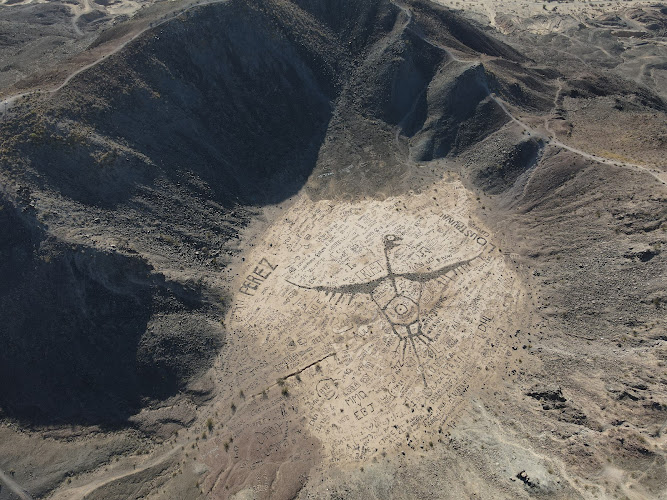
Cerro Prieto
Matamoros - Cd Río Bravo
97704 Yucatan
Find Accommodations Nearby
Recommended Tours & Activities
Visitor Reviews
There are no reviews yet. Be the first one to write one.
Share Your Experience
Have you visited Sitio Arqueológico La Proveedora? Help other travelers by leaving a review.