

Shyamnagar Kalibari
About Shyamnagar Kalibari
Description
Shyamnagar Kalibari is one of those places that doesn’t scream for attention, and honestly, that’s part of its charm. It sits quietly near the river, watching life go by the way it has for decades. Travelers who come here usually aren’t chasing flashy architecture or curated photo ops. They come for something deeper, slower, and a little raw around the edges. And if you’re anything like me, that’s exactly what makes a place memorable.
This Hindu temple is dedicated to Goddess Kali, and the atmosphere leans heavily into devotion rather than spectacle. Early mornings are especially telling. You’ll hear temple bells, soft chanting, and the low hum of conversations between locals who’ve been coming here since childhood. I once stood there before sunrise, half-awake, watching an elderly man offer flowers with such focus that the rest of the world seemed to disappear. That moment stuck with me far longer than any grand monument ever has.
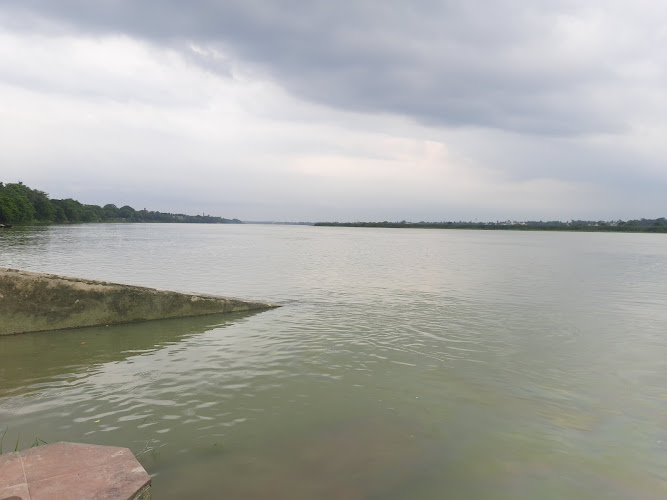
The Kalibari has a strong local following, which shapes the experience for visitors. It feels lived-in. You might see priests moving briskly, vendors setting up outside, and families dropping by quickly before work or school. The river nearby adds another layer. Sometimes it’s calm and reflective, sometimes muddy and loud, depending on the season. But it’s always present, like a quiet companion to the temple’s daily rhythms.
Now, to be fair, not everything is picture-perfect. The infrastructure is basic, and certain areas show wear and tear. But many travelers actually find that refreshing. It doesn’t feel over-managed or sanitized. It feels real. And for spiritual travelers, cultural explorers, or anyone curious about everyday religious life in this part of India, Shyamnagar Kalibari offers an honest window.
What really stands out is the emotional pull. You don’t have to be deeply religious to feel it. Even skeptics often admit there’s something grounding about the place. Maybe it’s the steady flow of devotees. Or maybe it’s the way time seems to slow down when you sit quietly and just observe. Either way, it leaves an impression, the kind you think about later while sipping tea somewhere else.
Key Features
- Dedicated to Goddess Kali, with daily rituals and offerings performed by local priests
- Located close to a river, adding a serene and sometimes dramatic natural backdrop
- Strong local participation, giving visitors an authentic cultural experience
- Onsite services available for devotees and travelers
- Basic restroom facilities within the temple premises
- Less commercialized atmosphere compared to major tourist temples
- Active during festivals, especially Kali Puja, when the energy level spikes noticeably
- A place where photography is possible but secondary to observation and respect
Best Time to Visit
Timing matters here, more than people realize. Early mornings, especially between 5 AM and 8 AM, are my personal favorite. The air feels lighter, the crowd is manageable, and the rituals feel more intimate. You’re more likely to witness unhurried prayers and maybe even exchange a nod or two with regulars. And yes, mornings by the river can be surprisingly peaceful.
Evenings have their own appeal, though they can get busy. Lamps are lit, chants grow louder, and the temple feels alive in a different way. If you enjoy energy and movement, evenings might suit you better. But if crowds make you anxious, stick to mornings or late afternoons.
Season-wise, cooler months are easier on the body. Summers can be tough, especially if you’re not used to the heat and humidity. Monsoon season transforms the surroundings, making everything greener but also messier. I once visited during light rain, and while my shoes were a lost cause, the river looked powerful and moody, which added a strange beauty to the visit.
Festival days are a mixed bag. On one hand, the devotion and decorations are intense and unforgettable. On the other hand, crowds swell, and patience becomes essential. If it’s your first visit and you want a calmer experience, avoid peak festival hours. But if you want to see the temple at its most emotionally charged, festivals are the time.
How to Get There
Reaching Shyamnagar Kalibari isn’t complicated, but it does require a bit of local navigation. Most travelers start by getting to the nearest major town or transit hub, then continue by local transport. Buses, auto-rickshaws, and shared taxis are common, and asking locals for directions usually works better than relying solely on maps.
If you’re coming by train, stations nearby are generally well-connected to regional routes. From there, short rides by auto or cycle rickshaw will get you close. I remember hesitating once, unsure which auto to take, and a shopkeeper simply waved me over and said, just go with him, he knows the temple. And he did.
For those driving, roads are mostly decent but can get narrow as you approach the temple area. Parking is informal, so be prepared to ask around or follow what others are doing. And yes, sometimes that means squeezing into a tight spot and hoping for the best.
Walking the last stretch can actually be enjoyable. You’ll pass small shops, hear snippets of conversation, and slowly transition from everyday street life into the temple zone. That gradual shift feels right, somehow, like easing into a different mindset.
Tips for Visiting
First things first, dress modestly. This isn’t just about rules; it’s about respect. Comfortable clothing that covers shoulders and knees will help you blend in and feel more at ease. Footwear needs to be removed before entering certain areas, so wear something easy to slip on and off.
Carry small change. Offerings, prasad, or small donations usually don’t require large amounts, and having exact change saves time and awkward moments. Also, keep your belongings secure. The area is generally safe, but crowds are crowds.
Photography is a tricky subject. Some areas are fine, others not so much. When in doubt, ask or simply observe without a camera. I’ve found that some of my strongest memories come from moments I didn’t photograph anyway.
If you’re sensitive to noise or crowds, plan your visit accordingly. There’s no shame in stepping aside, taking a breather, or even leaving earlier than planned. Spiritual places should feel grounding, not overwhelming.
And finally, give yourself permission to just sit and watch. You don’t need to understand every ritual or symbol to appreciate the atmosphere. Sometimes, just being present is enough. Shyamnagar Kalibari isn’t about ticking off a sightseeing list. It’s about slowing down, even if just for a short while, and letting the place speak in its own quiet, imperfect way.
Key Features
- Dedicated to Goddess Kali, with daily rituals and offerings performed by local priests
- Located close to a river, adding a serene and sometimes dramatic natural backdrop
- Strong local participation, giving visitors an authentic cultural experience
- Onsite services available for devotees and travelers
- Basic restroom facilities within the temple premises
- Less commercialized atmosphere compared to major tourist temples
- Active during festivals, especially Kali Puja, when the energy level spikes noticeably
- A place where photography is possible but secondary to observation and respect
More Details
Updated December 31, 2025
Table of Contents
Description
Shyamnagar Kalibari is one of those places that doesn’t scream for attention, and honestly, that’s part of its charm. It sits quietly near the river, watching life go by the way it has for decades. Travelers who come here usually aren’t chasing flashy architecture or curated photo ops. They come for something deeper, slower, and a little raw around the edges. And if you’re anything like me, that’s exactly what makes a place memorable.
This Hindu temple is dedicated to Goddess Kali, and the atmosphere leans heavily into devotion rather than spectacle. Early mornings are especially telling. You’ll hear temple bells, soft chanting, and the low hum of conversations between locals who’ve been coming here since childhood. I once stood there before sunrise, half-awake, watching an elderly man offer flowers with such focus that the rest of the world seemed to disappear. That moment stuck with me far longer than any grand monument ever has.
The Kalibari has a strong local following, which shapes the experience for visitors. It feels lived-in. You might see priests moving briskly, vendors setting up outside, and families dropping by quickly before work or school. The river nearby adds another layer. Sometimes it’s calm and reflective, sometimes muddy and loud, depending on the season. But it’s always present, like a quiet companion to the temple’s daily rhythms.
Now, to be fair, not everything is picture-perfect. The infrastructure is basic, and certain areas show wear and tear. But many travelers actually find that refreshing. It doesn’t feel over-managed or sanitized. It feels real. And for spiritual travelers, cultural explorers, or anyone curious about everyday religious life in this part of India, Shyamnagar Kalibari offers an honest window.
What really stands out is the emotional pull. You don’t have to be deeply religious to feel it. Even skeptics often admit there’s something grounding about the place. Maybe it’s the steady flow of devotees. Or maybe it’s the way time seems to slow down when you sit quietly and just observe. Either way, it leaves an impression, the kind you think about later while sipping tea somewhere else.
Key Features
- Dedicated to Goddess Kali, with daily rituals and offerings performed by local priests
- Located close to a river, adding a serene and sometimes dramatic natural backdrop
- Strong local participation, giving visitors an authentic cultural experience
- Onsite services available for devotees and travelers
- Basic restroom facilities within the temple premises
- Less commercialized atmosphere compared to major tourist temples
- Active during festivals, especially Kali Puja, when the energy level spikes noticeably
- A place where photography is possible but secondary to observation and respect
Best Time to Visit
Timing matters here, more than people realize. Early mornings, especially between 5 AM and 8 AM, are my personal favorite. The air feels lighter, the crowd is manageable, and the rituals feel more intimate. You’re more likely to witness unhurried prayers and maybe even exchange a nod or two with regulars. And yes, mornings by the river can be surprisingly peaceful.
Evenings have their own appeal, though they can get busy. Lamps are lit, chants grow louder, and the temple feels alive in a different way. If you enjoy energy and movement, evenings might suit you better. But if crowds make you anxious, stick to mornings or late afternoons.
Season-wise, cooler months are easier on the body. Summers can be tough, especially if you’re not used to the heat and humidity. Monsoon season transforms the surroundings, making everything greener but also messier. I once visited during light rain, and while my shoes were a lost cause, the river looked powerful and moody, which added a strange beauty to the visit.
Festival days are a mixed bag. On one hand, the devotion and decorations are intense and unforgettable. On the other hand, crowds swell, and patience becomes essential. If it’s your first visit and you want a calmer experience, avoid peak festival hours. But if you want to see the temple at its most emotionally charged, festivals are the time.
How to Get There
Reaching Shyamnagar Kalibari isn’t complicated, but it does require a bit of local navigation. Most travelers start by getting to the nearest major town or transit hub, then continue by local transport. Buses, auto-rickshaws, and shared taxis are common, and asking locals for directions usually works better than relying solely on maps.
If you’re coming by train, stations nearby are generally well-connected to regional routes. From there, short rides by auto or cycle rickshaw will get you close. I remember hesitating once, unsure which auto to take, and a shopkeeper simply waved me over and said, just go with him, he knows the temple. And he did.
For those driving, roads are mostly decent but can get narrow as you approach the temple area. Parking is informal, so be prepared to ask around or follow what others are doing. And yes, sometimes that means squeezing into a tight spot and hoping for the best.
Walking the last stretch can actually be enjoyable. You’ll pass small shops, hear snippets of conversation, and slowly transition from everyday street life into the temple zone. That gradual shift feels right, somehow, like easing into a different mindset.
Tips for Visiting
First things first, dress modestly. This isn’t just about rules; it’s about respect. Comfortable clothing that covers shoulders and knees will help you blend in and feel more at ease. Footwear needs to be removed before entering certain areas, so wear something easy to slip on and off.
Carry small change. Offerings, prasad, or small donations usually don’t require large amounts, and having exact change saves time and awkward moments. Also, keep your belongings secure. The area is generally safe, but crowds are crowds.
Photography is a tricky subject. Some areas are fine, others not so much. When in doubt, ask or simply observe without a camera. I’ve found that some of my strongest memories come from moments I didn’t photograph anyway.
If you’re sensitive to noise or crowds, plan your visit accordingly. There’s no shame in stepping aside, taking a breather, or even leaving earlier than planned. Spiritual places should feel grounding, not overwhelming.
And finally, give yourself permission to just sit and watch. You don’t need to understand every ritual or symbol to appreciate the atmosphere. Sometimes, just being present is enough. Shyamnagar Kalibari isn’t about ticking off a sightseeing list. It’s about slowing down, even if just for a short while, and letting the place speak in its own quiet, imperfect way.
Key Highlights
- Dedicated to Goddess Kali, with daily rituals and offerings performed by local priests
- Located close to a river, adding a serene and sometimes dramatic natural backdrop
- Strong local participation, giving visitors an authentic cultural experience
- Onsite services available for devotees and travelers
- Basic restroom facilities within the temple premises
- Less commercialized atmosphere compared to major tourist temples
- Active during festivals, especially Kali Puja, when the energy level spikes noticeably
- A place where photography is possible but secondary to observation and respect
Location
Places to Stay Near Shyamnagar Kalibari
Find and Book a Tour
Explore More Travel Guides
No reviews found! Be the first to review!
Traveler Reviews for Shyamnagar Kalibari
There are no reviews yet. Be the first one to write one.
Have you visited Shyamnagar Kalibari? Help other travelers by sharing your review.
You Might Also Like
Find Accommodations Nearby
Recommended Tours & Activities
Visitor Reviews
There are no reviews yet. Be the first one to write one.
Share Your Experience
Have you visited Shyamnagar Kalibari? Help other travelers by leaving a review.