
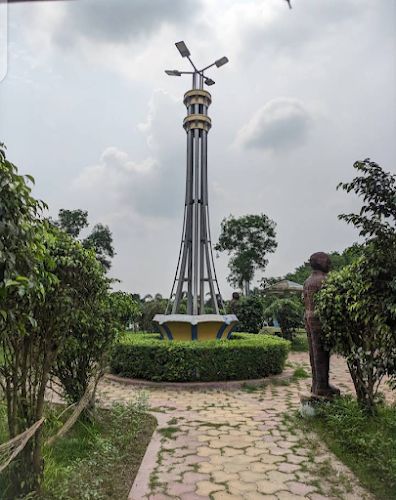
JAGADDAL GHAT PARK
About JAGADDAL GHAT PARK
Description
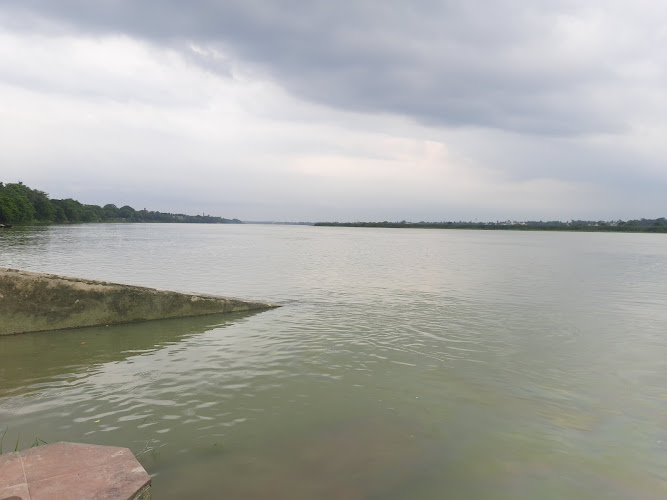
Jagaddal Ghat Park in Bhatpara, India, sits along the scenic stretch of the Hooghly River, quietly blending divinity, local life, and nature’s calm. It’s one of those places you stumble upon and instantly feel time slow down. The park surrounds a modest yet spiritually significant Hindu temple that draws people from nearby Jagatdal, Barrackpore, and Kolkata—especially those who enjoy peaceful moments by the riverbank. The air here carries the faint sound of temple bells mixed with the rhythm of lapping water—a simple, grounding experience that reminds visitors why this small corner of West Bengal has its own unique charm.
Unlike some tourist-heavy riverfront spots, Jagaddal Ghat Park feels delightfully unpretentious. It’s used by locals for morning prayers, evening walks, and quiet reflections. I remember visiting one winter morning and watching a priest offer flowers into the Hooghly while the mist hung low over the water. It felt like stepping into a painting—no filters needed. The temple architecture is simple but meaningful, with hints of traditional Bengali design, and the park itself is well-maintained with plenty of shade, thanks to the tall trees that line the stone pathways.
This park isn’t massive or overly stylized, but that’s part of its pull. It’s the kind of place where you see elderly residents doing yoga at dawn, children chasing each other near the ghats, and families pausing after puja to share tea from a local vendor. The spiritual atmosphere doesn’t feel forced—it’s lived every day. And while it serves as a place of worship, it’s equally cherished for its natural beauty and sense of calm. It’s the ideal mix of sacred and scenic, which not all parks manage to achieve.
Jagaddal Ghat Park also reflects how religious spaces in West Bengal effortlessly coexist with everyday life. The temple, modest but vibrant with the smell of incense and holy chants, sits beside open lawns where locals gather in the evenings. It’s both a temple complex and a community park, holding within it stories of routine devotion and old-world simplicity. Even those not particularly religious often visit just for the soothing breeze off the Hooghly River—a reminder that spirituality doesn’t always need rituals; sometimes, it’s in simply being present.
For travelers hoping to explore beyond Kolkata’s chaos, this park offers a slower, more reflective rhythm. The small ghats nearby often see boats moored gently against the banks, and if you’re lucky, you might catch sight of a ferry crossing in the golden hour light. It’s an image that stays with you long after you leave—one of India’s quietly beautiful corners where life flows at the pace of the river itself.
Key Features
- Peaceful location along the Hooghly River, offering beautiful waterside views and fresh air.
- Active Hindu temple within the park grounds where locals gather for worship and ceremonies.
- Lush greenery, shaded sitting areas, and walking paths ideal for morning strolls or meditation.
- Regular presence of small local vendors selling tea, snacks, and flowers for temple offerings.
- Accessibility from nearby Jagatdal and Bhatpara city centers, with proximity to other ghats and ferry routes.
- Cultural and community space that balances religious devotion and public recreation.
- Calm ambiance suitable for photography, quiet reading, or contemplation by the river.
Best Time to Visit
The best time to explore Jagaddal Ghat Park is during the cooler months, roughly from November to February. The weather around this time in West Bengal is pleasantly crisp, perfect for long riverside walks or attending early morning temple rituals. Mornings bring a magical light that turns the Hooghly River silver-white, while evenings glow golden as the sun dips behind the dense urban silhouette of Bhatpara. I’d steer clear of monsoon season—yes, the rain gives the river an untamed beauty, but humidity can turn a leisurely outing into a sticky experience. Summer afternoons, too, can be sweltering, though sunrise and sunset remain bearable and dreamy.
If you’re someone drawn to less-crowded places, weekdays, especially early mornings, are a gem. Locals start their day with prayers and light exercise, and there’s this unspoken rhythm of life you get to witness. During major Hindu festivals, like Durga Puja or Kali Puja, the temple area comes alive with color, chanting, and communal energy—it’s quite an unforgettable scene for anyone interested in Bengal’s spiritual traditions. During those days, the crowd swells but the joy and sense of belonging in the air make it completely worth it.
How to Get There
Getting to Jagaddal Ghat Park is pretty straightforward if you’re in or around North 24 Parganas. From Kolkata, most travelers take the suburban railway line heading toward Naihati or Kankinara. The nearest railway station is Jagaddal Railway Station, which connects conveniently with the Sealdah–Ranaghat route. The ride itself is an experience—passing stretches of industry, heritage buildings, and glimpses of river life. Once you step off at Jagaddal, you can hop on a local auto-rickshaw or walk toward Ghosh Para Road, which leads straight to the park’s entrance. It’s not a long journey, and if you ask any local shopkeeper for directions, they’ll point the way with a friendly smile.
Those coming from nearby towns like Barrackpore or Naihati can easily use local buses or hire small cars. The road network is well-connected, and there’s also access to ferry services that cross the Hooghly from places like Chandannagar, offering a scenic route to approach Jagaddal Ghat Park from across the river. Though it might take a bit longer, the ferry ride gives you a whole new perspective of the landscape—temples, trees, and people drifting between banks as they’ve done for generations.
If you’re using private transport, parking is limited but available near the park gates or by smaller lanes adjacent to the ghat. Just keep in mind that these roads can be narrow, typical of older parts of Bhatpara. A little patience goes a long way here—it’s part of the local rhythm, not rush-hour madness. I’ve found that the charm of traveling locally—chatting with drivers, buying a quick snack en route—adds a charm no tourist guide can replicate.
Tips for Visiting
Before heading off to Jagaddal Ghat Park, there are a few handy things to keep in mind. First, wear comfortable footwear; some areas near the ghat can be uneven or slippery, especially after rain. Carry water and maybe a light snack, since the park itself doesn’t have big eateries. But honestly, the local tea stalls nearby serve some of the best masala chai you’ll ever have—worth every rupee.
If you plan on taking part in temple rituals or simply exploring the Hindu temple area, it’s polite to dress modestly. You’ll see locals in traditional attire offering prayers, and being respectful of customs adds to your experience. Photography is generally allowed in the park, but inside the temple, it’s best to ask before snapping pictures. Don’t be surprised if a priest invites you to join an evening aarti—it’s one of those small gestures that stays with you long after you’ve left.
Afternoons are ideal for sitting quietly by the riverbank, watching ferries and boats drift past. The sunset view across the Hooghly River is breathtaking, though bring mosquito repellent if you’re planning to linger after dark. Public restrooms are limited, but local facilities are available a short walk from the main ghat area. It’s very much a neighborhood park, so expectations should align accordingly—it’s not a large-scale tourist facility, but that’s what gives it heart.
Also, try chatting with locals. I once met an older man who told me stories about how the park evolved from a small temple compound into a community hub. His eyes lit up while recounting how generations used the river as their lifeline—for rituals, transport, and even storytelling. It’s in those exchanges, not in any tour guide pamphlet, that you come to understand the spirit of places like Jagaddal Ghat Park Bhatpara.
Lastly, don’t rush your visit. Stay for a full sunrise, or linger through until the evening aarti. You’ll leave with a fuller heart and a quieter mind. Whether you come for religious devotion, a peaceful walk, or just curiosity about small-town life in West Bengal India, this park has a subtle way of making you pause—and appreciate how time, faith, and nature intertwine along the riverbanks of Jagatdal.
Key Features
- Peaceful location along the Hooghly River, offering beautiful waterside views and fresh air.
- Active Hindu temple within the park grounds where locals gather for worship and ceremonies.
- Lush greenery, shaded sitting areas, and walking paths ideal for morning strolls or meditation.
- Regular presence of small local vendors selling tea, snacks, and flowers for temple offerings.
- Accessibility from nearby Jagatdal and Bhatpara city centers, with proximity to other ghats and ferry routes.
- Cultural and community space that balances religious devotion and public recreation.
- Calm ambiance suitable for photography, quiet reading, or contemplation by the river.
More Details
Updated October 20, 2025
Table of Contents Jagaddal Ghat Park in Bhatpara, India, sits along the scenic stretch of the Hooghly River, quietly blending divinity, local life, and nature’s calm. It’s one of those places you stumble upon and instantly feel time slow down. The park surrounds a modest yet spiritually significant Hindu temple that draws people from nearby Jagatdal, Barrackpore, and Kolkata—especially those who enjoy peaceful moments by the riverbank. The air here carries the faint sound of temple bells mixed with the rhythm of lapping water—a simple, grounding experience that reminds visitors why this small corner of West Bengal has its own unique charm. Unlike some tourist-heavy riverfront spots, Jagaddal Ghat Park feels delightfully unpretentious. It’s used by locals for morning prayers, evening walks, and quiet reflections. I remember visiting one winter morning and watching a priest offer flowers into the Hooghly while the mist hung low over the water. It felt like stepping into a painting—no filters needed. The temple architecture is simple but meaningful, with hints of traditional Bengali design, and the park itself is well-maintained with plenty of shade, thanks to the tall trees that line the stone pathways. This park isn’t massive or overly stylized, but that’s part of its pull. It’s the kind of place where you see elderly residents doing yoga at dawn, children chasing each other near the ghats, and families pausing after puja to share tea from a local vendor. The spiritual atmosphere doesn’t feel forced—it’s lived every day. And while it serves as a place of worship, it’s equally cherished for its natural beauty and sense of calm. It’s the ideal mix of sacred and scenic, which not all parks manage to achieve. Jagaddal Ghat Park also reflects how religious spaces in West Bengal effortlessly coexist with everyday life. The temple, modest but vibrant with the smell of incense and holy chants, sits beside open lawns where locals gather in the evenings. It’s both a temple complex and a community park, holding within it stories of routine devotion and old-world simplicity. Even those not particularly religious often visit just for the soothing breeze off the Hooghly River—a reminder that spirituality doesn’t always need rituals; sometimes, it’s in simply being present. For travelers hoping to explore beyond Kolkata’s chaos, this park offers a slower, more reflective rhythm. The small ghats nearby often see boats moored gently against the banks, and if you’re lucky, you might catch sight of a ferry crossing in the golden hour light. It’s an image that stays with you long after you leave—one of India’s quietly beautiful corners where life flows at the pace of the river itself. The best time to explore Jagaddal Ghat Park is during the cooler months, roughly from November to February. The weather around this time in West Bengal is pleasantly crisp, perfect for long riverside walks or attending early morning temple rituals. Mornings bring a magical light that turns the Hooghly River silver-white, while evenings glow golden as the sun dips behind the dense urban silhouette of Bhatpara. I’d steer clear of monsoon season—yes, the rain gives the river an untamed beauty, but humidity can turn a leisurely outing into a sticky experience. Summer afternoons, too, can be sweltering, though sunrise and sunset remain bearable and dreamy. If you’re someone drawn to less-crowded places, weekdays, especially early mornings, are a gem. Locals start their day with prayers and light exercise, and there’s this unspoken rhythm of life you get to witness. During major Hindu festivals, like Durga Puja or Kali Puja, the temple area comes alive with color, chanting, and communal energy—it’s quite an unforgettable scene for anyone interested in Bengal’s spiritual traditions. During those days, the crowd swells but the joy and sense of belonging in the air make it completely worth it. Getting to Jagaddal Ghat Park is pretty straightforward if you’re in or around North 24 Parganas. From Kolkata, most travelers take the suburban railway line heading toward Naihati or Kankinara. The nearest railway station is Jagaddal Railway Station, which connects conveniently with the Sealdah–Ranaghat route. The ride itself is an experience—passing stretches of industry, heritage buildings, and glimpses of river life. Once you step off at Jagaddal, you can hop on a local auto-rickshaw or walk toward Ghosh Para Road, which leads straight to the park’s entrance. It’s not a long journey, and if you ask any local shopkeeper for directions, they’ll point the way with a friendly smile. Those coming from nearby towns like Barrackpore or Naihati can easily use local buses or hire small cars. The road network is well-connected, and there’s also access to ferry services that cross the Hooghly from places like Chandannagar, offering a scenic route to approach Jagaddal Ghat Park from across the river. Though it might take a bit longer, the ferry ride gives you a whole new perspective of the landscape—temples, trees, and people drifting between banks as they’ve done for generations. If you’re using private transport, parking is limited but available near the park gates or by smaller lanes adjacent to the ghat. Just keep in mind that these roads can be narrow, typical of older parts of Bhatpara. A little patience goes a long way here—it’s part of the local rhythm, not rush-hour madness. I’ve found that the charm of traveling locally—chatting with drivers, buying a quick snack en route—adds a charm no tourist guide can replicate. Before heading off to Jagaddal Ghat Park, there are a few handy things to keep in mind. First, wear comfortable footwear; some areas near the ghat can be uneven or slippery, especially after rain. Carry water and maybe a light snack, since the park itself doesn’t have big eateries. But honestly, the local tea stalls nearby serve some of the best masala chai you’ll ever have—worth every rupee. If you plan on taking part in temple rituals or simply exploring the Hindu temple area, it’s polite to dress modestly. You’ll see locals in traditional attire offering prayers, and being respectful of customs adds to your experience. Photography is generally allowed in the park, but inside the temple, it’s best to ask before snapping pictures. Don’t be surprised if a priest invites you to join an evening aarti—it’s one of those small gestures that stays with you long after you’ve left. Afternoons are ideal for sitting quietly by the riverbank, watching ferries and boats drift past. The sunset view across the Hooghly River is breathtaking, though bring mosquito repellent if you’re planning to linger after dark. Public restrooms are limited, but local facilities are available a short walk from the main ghat area. It’s very much a neighborhood park, so expectations should align accordingly—it’s not a large-scale tourist facility, but that’s what gives it heart. Also, try chatting with locals. I once met an older man who told me stories about how the park evolved from a small temple compound into a community hub. His eyes lit up while recounting how generations used the river as their lifeline—for rituals, transport, and even storytelling. It’s in those exchanges, not in any tour guide pamphlet, that you come to understand the spirit of places like Jagaddal Ghat Park Bhatpara. Lastly, don’t rush your visit. Stay for a full sunrise, or linger through until the evening aarti. You’ll leave with a fuller heart and a quieter mind. Whether you come for religious devotion, a peaceful walk, or just curiosity about small-town life in West Bengal India, this park has a subtle way of making you pause—and appreciate how time, faith, and nature intertwine along the riverbanks of Jagatdal.Description
Key Features
Best Time to Visit
How to Get There
Tips for Visiting
Key Highlights
- Peaceful location along the Hooghly River, offering beautiful waterside views and fresh air.
- Active Hindu temple within the park grounds where locals gather for worship and ceremonies.
- Lush greenery, shaded sitting areas, and walking paths ideal for morning strolls or meditation.
- Regular presence of small local vendors selling tea, snacks, and flowers for temple offerings.
- Accessibility from nearby Jagatdal and Bhatpara city centers, with proximity to other ghats and ferry routes.
- Cultural and community space that balances religious devotion and public recreation.
- Calm ambiance suitable for photography, quiet reading, or contemplation by the river.
Location
Places to Stay Near JAGADDAL GHAT PARK
Find and Book a Tour
Explore More Travel Guides
No reviews found! Be the first to review!
Traveler Reviews for JAGADDAL GHAT PARK
There are no reviews yet. Be the first one to write one.
Have you visited JAGADDAL GHAT PARK? Help other travelers by sharing your review.
You Might Also Like

Shyamnagar Kalibari
Kalimandir Ghat and Park
Find Accommodations Nearby
Recommended Tours & Activities
Visitor Reviews
There are no reviews yet. Be the first one to write one.
Share Your Experience
Have you visited JAGADDAL GHAT PARK? Help other travelers by leaving a review.