Description
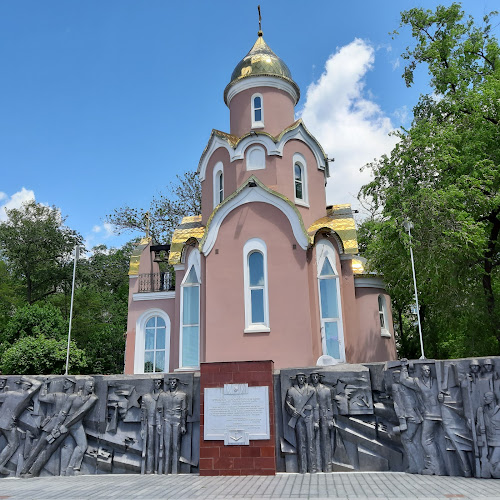
The Shrine Chapel of St. Andrew stands as one of those unexpected discoveries that travelers often stumble upon and then can’t stop talking about afterward. This Russian Orthodox chapel represents a fascinating intersection of faith, architecture, and cultural heritage that draws visitors from around the world. The religious site serves multiple purposes – it’s an active place of worship, a historical landmark, and yes, a genuine tourist attraction that manages to maintain its spiritual atmosphere despite welcoming curious visitors throughout the year.
What strikes most people right away is how this chapel carries that distinct Russian Orthodox aesthetic with its traditional design elements. You know that feeling when you walk into a sacred space and immediately sense you’re somewhere special? That’s exactly what happens here. The chapel may not be the largest religious structure you’ll ever visit, but size really doesn’t matter when it comes to spiritual significance and architectural beauty.
I remember talking to a fellow traveler who’d visited dozens of churches across Europe, and she told me this little chapel moved her more than some of the grand cathedrals she’d seen. There’s something intimate about the space that creates a personal connection. And for those interested in Russian Orthodox traditions specifically, this chapel offers an accessible introduction to a religious practice that many Western travelers haven’t experienced firsthand.
The chapel has built quite a reputation among visitors, with the majority of people leaving genuinely impressed by their experience. Sure, like any tourist destination, it doesn’t resonate with absolutely everyone – some folks find it too small or wish there were more interpretive materials available. But the overwhelming sentiment from travelers tends toward the positive, particularly those who appreciate religious art, architectural details, and quiet contemplative spaces.
Key Features
The Shrine Chapel of St. Andrew offers several distinctive elements that make it worth including in your travel itinerary:
- Authentic Russian Orthodox Architecture – The chapel showcases traditional design elements characteristic of Russian Orthodox churches, providing visitors with an architectural experience that differs significantly from Western European religious buildings
- Religious Iconography – Inside you’ll find carefully crafted icons and religious artwork that follow the specific traditions of Orthodox Christianity, offering insight into this branch of Christian artistic expression
- Intimate Worship Space – Unlike massive cathedrals where you might feel lost in the crowd, this chapel creates a more personal atmosphere that allows for genuine reflection and observation
- Active Place of Worship – This isn’t just a museum piece; the chapel continues to serve its religious community, which means visitors get to experience a living tradition rather than just a historical artifact
- Cultural Education Opportunity – For travelers unfamiliar with Russian Orthodox practices, the chapel serves as an accessible introduction to liturgical traditions, architectural styles, and religious customs
- Photographic Appeal – The chapel’s exterior and interior details provide excellent opportunities for photography enthusiasts, though visitors should always be respectful of worship services and posted guidelines
- Peaceful Atmosphere – Many visitors specifically mention the sense of tranquility they experience here, making it an ideal spot for those seeking a break from busier tourist attractions
Best Time to Visit
Timing your visit to the Shrine Chapel of St. Andrew can really enhance your experience, so let’s talk strategy here. The chapel welcomes visitors year-round, but certain times definitely offer advantages over others.
Weekday mornings tend to be your best bet for a quieter, more contemplative visit. You’ll likely encounter fewer tourists and have more space to really absorb the atmosphere without feeling rushed or crowded. I’ve found that arriving within the first couple hours after opening gives you that sweet spot of accessibility without the crowds that sometimes gather later in the day.
If you’re interested in experiencing the chapel during an actual service, that adds a whole different dimension to your visit. Orthodox services have their own rhythm and style that differs from what many Western travelers know. The chanting, the incense, the liturgical movements – it’s genuinely fascinating to observe. Just be respectful of worshippers and understand that during services, your ability to move around and take photos will be appropriately limited.
Weather-wise, each season brings its own character to the chapel. Winter visits can be particularly atmospheric, especially if you catch it with snow, though you’ll want to dress warmly. Spring and fall offer mild temperatures and generally comfortable visiting conditions. Summer brings the most tourists, naturally, so if you’re visiting during peak travel season, aim for early morning or late afternoon visits to avoid the midday rush.
Avoid visiting during major Orthodox holidays if you want a tourist experience, but definitely try to visit during these times if you’re interested in seeing the chapel fulfilling its primary purpose as a place of worship. The energy during important religious observances is completely different from regular visiting hours.
One thing that catches people off guard sometimes – religious sites maintain varying schedules, and this chapel is no exception. Some days might have limited access due to private services or special events. It’s worth checking ahead if you’re traveling specifically to see this site, though most days it’s accessible to respectful visitors.
How to Get There
Getting to the Shrine Chapel of St. Andrew requires a bit of planning, but it’s definitely manageable for most travelers. The accessibility of this chapel makes it reasonable to include even if you’re only in the area for a short time.
Public transportation typically offers the most practical approach for visitors without rental cars. Depending on your starting point, you’ll likely use a combination of buses or trains to get within walking distance. The chapel’s location means it’s reachable from major transportation hubs, though you might need to make a connection or two along the way.
For those who prefer the convenience of driving, parking is generally available nearby, though spaces can fill up during peak visiting times. If you’re using a GPS or navigation app, make sure you’ve got the correct location entered – sometimes smaller religious sites have multiple listings that can cause confusion.
Taxi services and rideshare apps work well for getting to the chapel, particularly if you’re traveling as part of a larger itinerary and want to visit multiple sites in one day. The cost remains reasonable for most travelers, especially if you’re splitting the fare with companions.
Walking to the chapel is entirely feasible if you’re staying relatively close by. In fact, approaching on foot lets you take in the surrounding area and gives you a better sense of the chapel’s context within its neighborhood. Just wear comfortable shoes, because you know how tourist feet can get after a long day of sightseeing.
The chapel’s location makes it possible to combine your visit with other nearby attractions, which can help maximize your time if you’re working with a tight schedule. Many travelers find it works well as a morning stop before moving on to other destinations, or as a peaceful afternoon pause in the middle of busier tourist activities.
Tips for Visiting
Making the most of your time at the Shrine Chapel of St. Andrew comes down to preparation and respectfulness. This is an active religious site first and a tourist attraction second, so keeping that priority straight will ensure you have a positive experience while respecting the chapel’s primary purpose.
Dress modestly – this should go without saying for any religious site, but it bears repeating. That means covering shoulders and knees at minimum. Some visitors bring a scarf or shawl just in case, which works as both a practical covering and protection against chilly interiors. You’ll see some sites that strictly enforce dress codes and others that are more relaxed, but erring on the side of modesty never hurts.
Photography policies vary, and they can change depending on whether services are happening. Generally speaking, discrete photography without flash is acceptable during open visiting hours, but always look for posted signs or ask if you’re unsure. During services, it’s best to put the camera away entirely and just be present in the moment. Trust me, some experiences are better lived than photographed anyway.
Silence or quiet conversation is expected inside the chapel. This isn’t the place for loud discussions or phone calls. Put your phone on silent – not vibrate, but actually silent. There’s something about the acoustics in these spaces that makes even small sounds carry further than you’d expect.
If you’re unfamiliar with Orthodox traditions, take a few minutes before your visit to read up on basic customs. Understanding why people might kiss icons, light candles in specific ways, or move through the space in particular patterns adds depth to your observation. You’re not expected to participate in religious practices yourself, but knowing what you’re seeing helps with appreciation.
Bring some cash if you’d like to light a candle or make a small donation. Many religious sites appreciate contributions that help with maintenance and operations, and it’s a nice gesture if the chapel has moved you spiritually or aesthetically.
Allow more time than you think you’ll need. People often allocate 20 minutes for a chapel visit and then find themselves wanting to stay longer once they’re actually there. Give yourself an hour if your schedule permits – you can always leave earlier, but you’ll kick yourself if you have to rush out just when you’re really starting to connect with the space.
Visit the surrounding area if time permits. Religious sites rarely exist in isolation, and the neighborhood around the chapel often has its own interest and charm. Sometimes the best travel memories come from those unplanned discoveries right around the corner from where you meant to be.
Lastly, approach your visit with openness. Whether you’re religiously inclined or not, whether you’re an architecture buff or just killing time between other activities, the Shrine Chapel of St. Andrew offers something genuine to those willing to receive it. Sometimes the smallest chapels leave the biggest impressions, and this particular sanctuary has certainly earned its place on travelers’ recommended lists for good reason.