
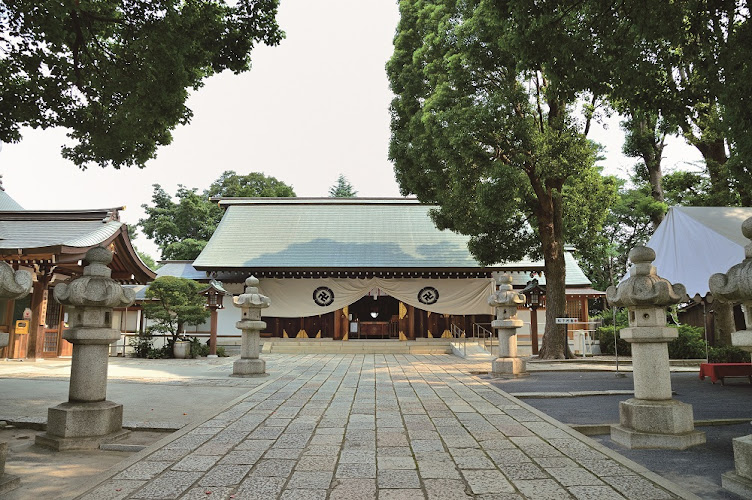
Shōin Shrine
About Shōin Shrine
Description
Shōin Shrine is one of those places in Tokyo that quietly sneaks up on you. It doesn’t scream for attention like the bigger, glitzier shrines, but it has a depth that lingers with you long after you’ve left. Dedicated to Yoshida Shōin, a brilliant Edo-period intellectual and teacher whose ideas helped shape modern Japan, the shrine feels like a crossroads between history and reflection. The grounds are tidy and calm, framed by seasonal cherry blossoms that transform the atmosphere in spring into something almost dreamlike. Even if you aren’t deeply familiar with Shōin’s story, you can still sense the weight of his influence here—the way the shrine blends reverence with a subtle invitation to slow down and think.
Visitors often describe the shrine as peaceful and approachable, though it’s not without its quirks. Some parts may feel a bit plain compared to Tokyo’s more famous landmarks, but that’s also part of its charm. It’s less about spectacle and more about connection—whether that’s with history, with nature, or just with yourself while wandering the grounds. Personally, I found myself lingering longer than expected, watching locals stop by to pay respects, and it gave me this small but meaningful glimpse into everyday Tokyo life. That’s something you don’t always get when you’re bouncing between tourist-heavy sites.
Key Features
- A Shinto shrine honoring Yoshida Shōin, a visionary thinker of the late Edo period
- Seasonal cherry blossoms that create a stunning backdrop in spring
- A treasure hall showcasing artifacts and documents related to Shōin’s life and teachings
- Shokasonjuku Academy, a World Heritage Site, located nearby and closely tied to Shōin’s legacy
- Wheelchair accessible with dedicated parking, entrance, and restrooms
- Clean and well-maintained facilities, including restrooms for visitors
- A quieter, more reflective atmosphere compared to Tokyo’s larger shrines
Best Time to Visit
If you’re chasing that postcard-perfect moment, spring is unbeatable. The cherry blossoms around the shrine burst into full bloom, and the whole place feels like it’s been dipped in soft pink light. It’s busy, sure, but not overwhelming like Ueno Park or Shinjuku Gyoen. Autumn is also a great choice, with crisp air and the fiery colors of the leaves making the shrine feel almost cinematic. Summer can be hot and sticky, so unless you’re used to Tokyo’s humidity, it might not be the most comfortable time to wander around. Winter, on the other hand, has its own quiet appeal—the shrine feels calmer, almost like it’s hibernating, and you’ll likely share the space with just a handful of visitors.
For me, visiting in late March was a highlight. I remember standing under a canopy of blossoms, watching petals scatter across the stone paths, and thinking, “This is the Tokyo I came for.” If you’re into photography, sunrise or just before sunset gives you the best light, and fewer people too.
How to Get There
Reaching Shōin Shrine is relatively straightforward, which is a relief if you’ve ever tried navigating Tokyo’s web of train lines. The shrine is accessible via local train stations, and once you’re off the train, it’s just a short walk through a calm residential neighborhood. That walk itself is part of the experience—you’ll pass small cafes, family-run shops, and the kind of everyday Tokyo scenery that feels worlds away from Shibuya’s neon chaos.
If you’re already exploring Setagaya, it’s easy to add the shrine to your itinerary without much fuss. And honestly, that’s one of the things I love about it: you don’t need a complicated plan or a whole day reserved. It’s the kind of stop you can weave into your trip, giving you space to breathe between the city’s busier attractions.
Tips for Visiting
A visit to Shōin Shrine doesn’t require a strict checklist, but there are a few things that can make your time there smoother and more rewarding. First, give yourself at least 30–45 minutes to wander the grounds. It’s not huge, but rushing through would miss the point. Let yourself slow down.
Bring some coins if you’d like to take part in the traditional shrine offerings. Even if you’re not religious, the act of tossing a coin, bowing, and clapping twice feels grounding and respectful. And if you’re traveling with kids or someone with mobility needs, the shrine is refreshingly accessible—ramps, restrooms, and parking all make it manageable.
Photography is welcome, but be mindful of worshippers. I once saw a tourist step right in front of someone mid-prayer to get a shot, and it made everyone uncomfortable. A little patience goes a long way. Also, if you’re the type who loves digging deeper into history, consider reading up on Yoshida Shōin before you go. Knowing that he taught many of the leaders who shaped Japan’s Meiji Restoration gives the shrine a whole new layer of meaning.
Finally, don’t be surprised if you find yourself wanting to just sit and do nothing for a while. That’s part of the magic here. Grab a bench, listen to the rustle of leaves or the buzz of cicadas, and let Tokyo’s pace fade for a moment. It’s not flashy, but it’s real—and sometimes that’s exactly what you need.
Key Features
- A Shinto shrine honoring Yoshida Shōin, a visionary thinker of the late Edo period
- Seasonal cherry blossoms that create a stunning backdrop in spring
- A treasure hall showcasing artifacts and documents related to Shōin’s life and teachings
- Shokasonjuku Academy, a World Heritage Site, located nearby and closely tied to Shōin’s legacy
- Wheelchair accessible with dedicated parking, entrance, and restrooms
- Clean and well-maintained facilities, including restrooms for visitors
- A quieter, more reflective atmosphere compared to Tokyo’s larger shrines
More Details
Updated October 1, 2025
Table of Contents
Description
Shōin Shrine is one of those places in Tokyo that quietly sneaks up on you. It doesn’t scream for attention like the bigger, glitzier shrines, but it has a depth that lingers with you long after you’ve left. Dedicated to Yoshida Shōin, a brilliant Edo-period intellectual and teacher whose ideas helped shape modern Japan, the shrine feels like a crossroads between history and reflection. The grounds are tidy and calm, framed by seasonal cherry blossoms that transform the atmosphere in spring into something almost dreamlike. Even if you aren’t deeply familiar with Shōin’s story, you can still sense the weight of his influence here—the way the shrine blends reverence with a subtle invitation to slow down and think.
Visitors often describe the shrine as peaceful and approachable, though it’s not without its quirks. Some parts may feel a bit plain compared to Tokyo’s more famous landmarks, but that’s also part of its charm. It’s less about spectacle and more about connection—whether that’s with history, with nature, or just with yourself while wandering the grounds. Personally, I found myself lingering longer than expected, watching locals stop by to pay respects, and it gave me this small but meaningful glimpse into everyday Tokyo life. That’s something you don’t always get when you’re bouncing between tourist-heavy sites.
Key Features
- A Shinto shrine honoring Yoshida Shōin, a visionary thinker of the late Edo period
- Seasonal cherry blossoms that create a stunning backdrop in spring
- A treasure hall showcasing artifacts and documents related to Shōin’s life and teachings
- Shokasonjuku Academy, a World Heritage Site, located nearby and closely tied to Shōin’s legacy
- Wheelchair accessible with dedicated parking, entrance, and restrooms
- Clean and well-maintained facilities, including restrooms for visitors
- A quieter, more reflective atmosphere compared to Tokyo’s larger shrines
Best Time to Visit
If you’re chasing that postcard-perfect moment, spring is unbeatable. The cherry blossoms around the shrine burst into full bloom, and the whole place feels like it’s been dipped in soft pink light. It’s busy, sure, but not overwhelming like Ueno Park or Shinjuku Gyoen. Autumn is also a great choice, with crisp air and the fiery colors of the leaves making the shrine feel almost cinematic. Summer can be hot and sticky, so unless you’re used to Tokyo’s humidity, it might not be the most comfortable time to wander around. Winter, on the other hand, has its own quiet appeal—the shrine feels calmer, almost like it’s hibernating, and you’ll likely share the space with just a handful of visitors.
For me, visiting in late March was a highlight. I remember standing under a canopy of blossoms, watching petals scatter across the stone paths, and thinking, “This is the Tokyo I came for.” If you’re into photography, sunrise or just before sunset gives you the best light, and fewer people too.
How to Get There
Reaching Shōin Shrine is relatively straightforward, which is a relief if you’ve ever tried navigating Tokyo’s web of train lines. The shrine is accessible via local train stations, and once you’re off the train, it’s just a short walk through a calm residential neighborhood. That walk itself is part of the experience—you’ll pass small cafes, family-run shops, and the kind of everyday Tokyo scenery that feels worlds away from Shibuya’s neon chaos.
If you’re already exploring Setagaya, it’s easy to add the shrine to your itinerary without much fuss. And honestly, that’s one of the things I love about it: you don’t need a complicated plan or a whole day reserved. It’s the kind of stop you can weave into your trip, giving you space to breathe between the city’s busier attractions.
Tips for Visiting
A visit to Shōin Shrine doesn’t require a strict checklist, but there are a few things that can make your time there smoother and more rewarding. First, give yourself at least 30–45 minutes to wander the grounds. It’s not huge, but rushing through would miss the point. Let yourself slow down.
Bring some coins if you’d like to take part in the traditional shrine offerings. Even if you’re not religious, the act of tossing a coin, bowing, and clapping twice feels grounding and respectful. And if you’re traveling with kids or someone with mobility needs, the shrine is refreshingly accessible—ramps, restrooms, and parking all make it manageable.
Photography is welcome, but be mindful of worshippers. I once saw a tourist step right in front of someone mid-prayer to get a shot, and it made everyone uncomfortable. A little patience goes a long way. Also, if you’re the type who loves digging deeper into history, consider reading up on Yoshida Shōin before you go. Knowing that he taught many of the leaders who shaped Japan’s Meiji Restoration gives the shrine a whole new layer of meaning.
Finally, don’t be surprised if you find yourself wanting to just sit and do nothing for a while. That’s part of the magic here. Grab a bench, listen to the rustle of leaves or the buzz of cicadas, and let Tokyo’s pace fade for a moment. It’s not flashy, but it’s real—and sometimes that’s exactly what you need.
Key Highlights
- A Shinto shrine honoring Yoshida Shōin, a visionary thinker of the late Edo period
- Seasonal cherry blossoms that create a stunning backdrop in spring
- A treasure hall showcasing artifacts and documents related to Shōin’s life and teachings
- Shokasonjuku Academy, a World Heritage Site, located nearby and closely tied to Shōin’s legacy
- Wheelchair accessible with dedicated parking, entrance, and restrooms
- Clean and well-maintained facilities, including restrooms for visitors
- A quieter, more reflective atmosphere compared to Tokyo’s larger shrines
Location
Places to Stay Near Shōin Shrine
Find and Book a Tour
Explore More Travel Guides
No reviews found! Be the first to review!
Traveler Reviews for Shōin Shrine
There are no reviews yet. Be the first one to write one.
Have you visited Shōin Shrine? Help other travelers by sharing your review.
You Might Also Like
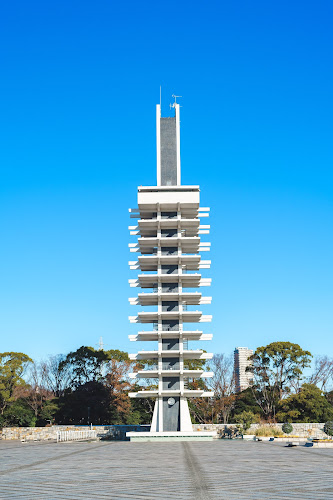
Central Square

Setagaya Municipal Kodomo-no-Hiroba Park
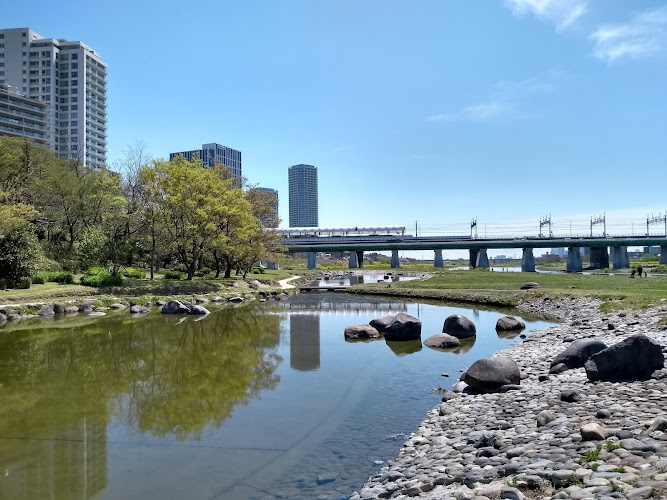
Hyogojima Park
Find Accommodations Nearby
Recommended Tours & Activities
Visitor Reviews
There are no reviews yet. Be the first one to write one.
Share Your Experience
Have you visited Shōin Shrine? Help other travelers by leaving a review.