
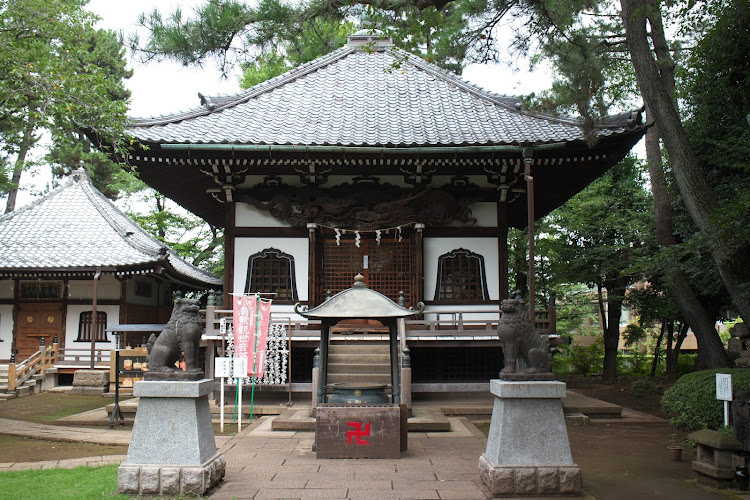
Kannonji Temple
About Kannonji Temple
Description
Kannonji Temple is one of those places that feels both timeless and refreshingly down-to-earth. It’s a Buddhist temple with roots tracing back centuries, and yet when you walk through its gates, there’s this quiet sense that it’s still very much alive and part of the local community. The temple is most famous for its connection to Kobo Daishi, the revered monk who founded Shingon Buddhism, and for being a stop on the legendary Shikoku Pilgrimage. But beyond the history books, what really draws people in is the atmosphere—serene, contemplative, and surprisingly approachable.
Unlike some grand temples that feel overwhelming or overly polished, Kannonji offers a more intimate experience. You’ll notice the details: the wooden beams of the bell tower gate weathered by time, the gentle incense drifting from the main hall, and the way the temple grounds seem to invite you to slow down. It’s the kind of place where you might see a pilgrim in white robes quietly chanting, while just a few steps away a family is snapping photos under the temple’s gate. That blend of devotion and everyday life makes it feel authentic rather than staged for tourists.
Of course, not everything about the temple is perfect. Some visitors find it modest compared to other temples in Japan, and it’s true that you won’t find towering pagodas or vast gardens here. But that’s also its charm—it doesn’t try too hard. It’s a place where the spiritual significance outweighs the spectacle. And if you’re the kind of traveler who values history, culture, and a sense of place over flashy photo ops, you’ll probably appreciate Kannonji just as much as I did.
Key Features
- Historical significance: Traditionally linked to Kobo Daishi and part of the Shikoku Pilgrimage route.
- Main deity: The Thousand-Armed Kannon (Senjyu Kannon), a symbol of compassion and mercy.
- Bell Tower Gate: A striking wooden gate that has stood for centuries and still greets pilgrims today.
- Peaceful grounds: Compact but carefully maintained, offering a quiet place for reflection.
- Local connection: Still an active place of worship, not just a tourist stop.
- Amenities: Restrooms available on-site, which is always handy for travelers.
Best Time to Visit
The temple can be visited year-round, but the experience changes with the seasons. Spring brings cherry blossoms that soften the temple grounds with pale pink petals, while autumn wraps the wooden structures in warm tones of red and gold. Personally, I think late autumn is the sweet spot—fewer crowds, crisp air, and that magical glow you only get when the leaves are turning. Summer can be hot and humid, which makes lingering a bit uncomfortable, though the temple’s shaded areas do offer some relief. Winter has its own quiet charm, with fewer visitors and a stillness that feels almost sacred.
How to Get There
Reaching Kannonji Temple is fairly straightforward, though it depends on where you’re coming from. If you’re already in the city, you can easily hop on local transport and walk a short distance to the temple grounds. For those coming from further afield, it’s often part of a larger pilgrimage journey, so you’ll likely find yourself walking or taking buses between temples. Either way, the approach is part of the experience—passing through residential streets, hearing the buzz of everyday life, and then suddenly stepping into the calm of the temple grounds. It’s like crossing an invisible threshold between the ordinary and the sacred.
Tips for Visiting
First and foremost, give yourself time. Even though the temple isn’t huge, it’s worth lingering rather than rushing through. Take a moment to watch a pilgrim light incense, or sit quietly and listen to the bell if it rings. If you’re new to visiting temples in Japan, remember that there’s a certain etiquette: bow slightly at the entrance, cleanse your hands at the purification basin, and be respectful around worshippers. Photos are usually fine, but always be mindful of people praying.
Another tip—if you’re traveling during peak pilgrimage season, expect more visitors in white robes carrying walking sticks. It’s fascinating to watch, but it can also mean the grounds feel busier. On the flip side, visiting during quieter times gives you more space to explore at your own pace. And don’t forget practicalities: wear comfortable shoes, since you’ll likely be walking a fair bit, and bring some coins for small offerings or charms. There’s something special about carrying home a little omamori (protective amulet) from a place like this—it’s both a souvenir and a reminder of the calm you felt here.
Finally, keep your expectations balanced. Kannonji isn’t about grandeur; it’s about history, spirituality, and a kind of understated beauty. If you go in looking for that, you’ll walk away with a much deeper appreciation than if you’re just chasing the most Instagrammable temple shots. And honestly, that’s what makes it worth the trip.
Key Features
- Key Features
- Best Time to Visit
- How to Get There
- Tips for Visiting
More Details
Updated October 1, 2025
Table of Contents
Description
Kannonji Temple is one of those places that feels both timeless and refreshingly down-to-earth. It’s a Buddhist temple with roots tracing back centuries, and yet when you walk through its gates, there’s this quiet sense that it’s still very much alive and part of the local community. The temple is most famous for its connection to Kobo Daishi, the revered monk who founded Shingon Buddhism, and for being a stop on the legendary Shikoku Pilgrimage. But beyond the history books, what really draws people in is the atmosphere—serene, contemplative, and surprisingly approachable.
Unlike some grand temples that feel overwhelming or overly polished, Kannonji offers a more intimate experience. You’ll notice the details: the wooden beams of the bell tower gate weathered by time, the gentle incense drifting from the main hall, and the way the temple grounds seem to invite you to slow down. It’s the kind of place where you might see a pilgrim in white robes quietly chanting, while just a few steps away a family is snapping photos under the temple’s gate. That blend of devotion and everyday life makes it feel authentic rather than staged for tourists.
Of course, not everything about the temple is perfect. Some visitors find it modest compared to other temples in Japan, and it’s true that you won’t find towering pagodas or vast gardens here. But that’s also its charm—it doesn’t try too hard. It’s a place where the spiritual significance outweighs the spectacle. And if you’re the kind of traveler who values history, culture, and a sense of place over flashy photo ops, you’ll probably appreciate Kannonji just as much as I did.
Key Features
- Historical significance: Traditionally linked to Kobo Daishi and part of the Shikoku Pilgrimage route.
- Main deity: The Thousand-Armed Kannon (Senjyu Kannon), a symbol of compassion and mercy.
- Bell Tower Gate: A striking wooden gate that has stood for centuries and still greets pilgrims today.
- Peaceful grounds: Compact but carefully maintained, offering a quiet place for reflection.
- Local connection: Still an active place of worship, not just a tourist stop.
- Amenities: Restrooms available on-site, which is always handy for travelers.
Best Time to Visit
The temple can be visited year-round, but the experience changes with the seasons. Spring brings cherry blossoms that soften the temple grounds with pale pink petals, while autumn wraps the wooden structures in warm tones of red and gold. Personally, I think late autumn is the sweet spot—fewer crowds, crisp air, and that magical glow you only get when the leaves are turning. Summer can be hot and humid, which makes lingering a bit uncomfortable, though the temple’s shaded areas do offer some relief. Winter has its own quiet charm, with fewer visitors and a stillness that feels almost sacred.
How to Get There
Reaching Kannonji Temple is fairly straightforward, though it depends on where you’re coming from. If you’re already in the city, you can easily hop on local transport and walk a short distance to the temple grounds. For those coming from further afield, it’s often part of a larger pilgrimage journey, so you’ll likely find yourself walking or taking buses between temples. Either way, the approach is part of the experience—passing through residential streets, hearing the buzz of everyday life, and then suddenly stepping into the calm of the temple grounds. It’s like crossing an invisible threshold between the ordinary and the sacred.
Tips for Visiting
First and foremost, give yourself time. Even though the temple isn’t huge, it’s worth lingering rather than rushing through. Take a moment to watch a pilgrim light incense, or sit quietly and listen to the bell if it rings. If you’re new to visiting temples in Japan, remember that there’s a certain etiquette: bow slightly at the entrance, cleanse your hands at the purification basin, and be respectful around worshippers. Photos are usually fine, but always be mindful of people praying.
Another tip—if you’re traveling during peak pilgrimage season, expect more visitors in white robes carrying walking sticks. It’s fascinating to watch, but it can also mean the grounds feel busier. On the flip side, visiting during quieter times gives you more space to explore at your own pace. And don’t forget practicalities: wear comfortable shoes, since you’ll likely be walking a fair bit, and bring some coins for small offerings or charms. There’s something special about carrying home a little omamori (protective amulet) from a place like this—it’s both a souvenir and a reminder of the calm you felt here.
Finally, keep your expectations balanced. Kannonji isn’t about grandeur; it’s about history, spirituality, and a kind of understated beauty. If you go in looking for that, you’ll walk away with a much deeper appreciation than if you’re just chasing the most Instagrammable temple shots. And honestly, that’s what makes it worth the trip.
Key Highlights
- Key Features
- Best Time to Visit
- How to Get There
- Tips for Visiting
Location
Places to Stay Near Kannonji Temple
Find and Book a Tour
Explore More Travel Guides
No reviews found! Be the first to review!
Traveler Reviews for Kannonji Temple
There are no reviews yet. Be the first one to write one.
Have you visited Kannonji Temple? Help other travelers by sharing your review.
You Might Also Like

Hyogojima Park
Todoroki Fudōson Temple
Hanegi Park
Find Accommodations Nearby
Recommended Tours & Activities
Visitor Reviews
There are no reviews yet. Be the first one to write one.
Share Your Experience
Have you visited Kannonji Temple? Help other travelers by leaving a review.