
Shirahige Shrine
About Shirahige Shrine
Description
Shirahige Shrine in Takashima, Shiga Prefecture, is one of those places that quietly takes your breath away before you even realize it. Sitting gracefully on the western shore of Lake Biwa, it’s a Shinto shrine with a history that stretches back nearly two thousand years. The shrine is dedicated to Sarutahiko Ōkami, a deity known for guiding people toward good fortune and longevity. And honestly, the moment you step onto the grounds, you can almost sense that ancient energy humming in the air.
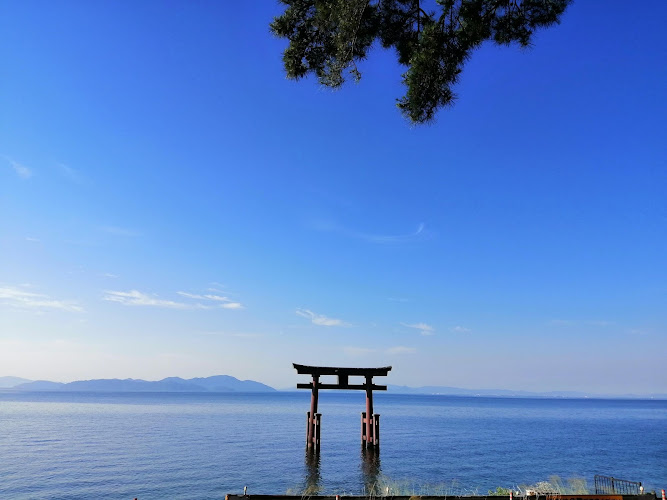
What really sets Shirahige Shrine apart is its torii gate — standing tall in the waters of Lake Biwa, it seems to float, especially when the morning mist rolls in. It’s a sight that feels both timeless and surreal, like something lifted straight from a dream. Many travelers come here at dawn just to catch the first rays of sunlight spilling through the torii, painting the lake in gold and crimson hues. I remember standing there one chilly morning, coffee in hand, watching the reflection ripple softly — honestly, it was one of those rare moments where time just stops.
The shrine itself is modest but deeply atmospheric. The main hall, rebuilt in 1603, holds an air of quiet dignity, its dark wood polished by centuries of worshippers. You’ll find locals and visitors alike offering prayers for long life, safe travels, and personal growth. It’s not flashy or crowded like some of Japan’s more famous shrines — and that’s exactly its charm. There’s a peaceful rhythm to the place, a sense that life moves a little slower here.
That said, it’s not without its quirks. On busy weekends, you might find photographers jostling for the perfect shot of the torii, or tour buses unloading groups eager to catch the view. But even then, the serenity of the lake seems to absorb the noise. It’s the kind of destination that rewards patience — linger a bit, and you’ll see the light shift across the water, fishermen paddling by, and the shrine’s reflection shimmering like a living painting.
Key Features
- Floating Torii Gate: The shrine’s most iconic feature — a striking vermilion gate standing in the waters of Lake Biwa, symbolizing the boundary between the human and divine worlds.
- Historic Main Hall: The current structure dates back to the early 17th century and is designated as an Important Cultural Property of Japan.
- Longevity Blessings: Shirahige literally means “white beard,” representing long life and wisdom. Visitors often pray for health and vitality here.
- Scenic Lake Views: The shrine’s location offers sweeping views of Lake Biwa — especially magical at sunrise or sunset.
- Night Illumination: The torii gate is beautifully lit after dark, reflecting off the still waters and creating a mesmerizing nighttime scene.
- Local Festivals: Annual celebrations in early May and September bring traditional music, food stalls, and ceremonial dances to the shrine grounds.
- Peaceful Ambience: Despite its popularity, the shrine maintains a tranquil atmosphere, ideal for quiet reflection or photography.
Best Time to Visit
If you ask me, the best time to visit Shirahige Shrine is early morning — just before sunrise. There’s something almost sacred about watching the first light break over Lake Biwa while the torii stands silhouetted against the horizon. The air feels crisp, the world still half-asleep, and you get this sense that you’re witnessing something eternal.
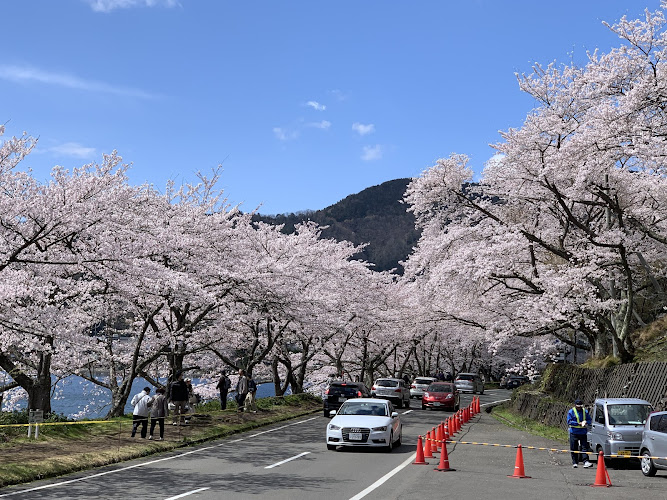
Spring and autumn are particularly stunning. In spring, cherry blossoms bloom along the nearby road, adding a soft pink hue to the scene. Autumn, though, might be my personal favorite — the surrounding hills turn shades of amber and crimson, and the reflection on the lake looks like a watercolor painting. Summer can be hot and humid, but the lake breeze helps. Winter, on the other hand, brings a quiet, almost solemn beauty; if you’re lucky, you might even catch the torii dusted with snow.
If you’re into photography, aim for sunrise or the blue hour after sunset. Both times offer that perfect mix of soft light and reflection. And if you prefer a quieter experience, weekdays are your best bet — weekends tend to draw more visitors, especially during peak seasons.
How to Get There
Getting to Shirahige Shrine is fairly straightforward, though it does require a bit of planning. From Kyoto or Osaka, take a JR train to Omi-Takashima Station on the Kosei Line. From there, it’s about a five-minute taxi ride or a pleasant 20-minute walk to the shrine. The walk itself is scenic — you’ll pass by small lakeside houses, local fishermen prepping their boats, and the occasional heron gliding low over the water.
If you’re driving, there’s a free parking lot near the shrine, which is quite convenient. Just note that space can fill up quickly during weekends and festival days. The roads around Lake Biwa are well-maintained, and driving offers the flexibility to explore nearby spots like Metasequoia Avenue or the Ukimido Temple.
Public transportation is reliable, but buses in the area don’t run very frequently, so checking the schedule ahead of time is a smart move. And for cyclists — yes, the Lake Biwa cycling route passes nearby, and stopping at Shirahige Shrine makes for a peaceful mid-ride break.
Tips for Visiting
Here’s the thing — Shirahige Shrine isn’t just a photo op; it’s a living, breathing spiritual site. So while you’ll definitely want to snap that iconic torii shot, take a few moments to just be present. Listen to the waves lapping against the shore, the soft ring of the shrine bell, the rustle of the old trees. It’s those small sensory details that make the experience unforgettable.
- Arrive early: Sunrise is the best time for both photos and serenity. The light is magical, and you’ll avoid the crowds.
- Dress comfortably: The shrine grounds are small but uneven in places, so good shoes help. And be prepared for changing weather — Lake Biwa can be breezy.
- Respect the space: Refrain from loud chatter or climbing on the torii area. It’s a sacred place, not just a backdrop.
- Bring coins: For small offerings or omikuji (fortune papers). It’s a lovely tradition to take part in.
- Stay nearby: If you can, consider spending a night in Takashima. Watching the sunrise or sunset over the lake without rushing is worth it.
- Photography tip: Use a tripod if you’re shooting at dawn or dusk, and try capturing reflections when the water is still.
- Festival visits: During May and September, the shrine hosts lively festivals. It’s busier but offers a rare glimpse into local culture and Shinto rituals.
One last thing — don’t be surprised if you find yourself staying longer than planned. I’ve seen people, myself included, come for a quick photo stop and end up sitting by the lake for hours. There’s a quiet power to Shirahige Shrine that doesn’t shout for attention; it simply invites you to slow down and breathe.
Whether you’re a spiritual traveler, a photographer chasing that perfect shot, or just someone looking for a moment of calm, Shirahige Shrine delivers in its own understated way. It’s not about grandeur or spectacle — it’s about connection. To the land, the water, and maybe even something deeper within yourself.
And when you finally leave, with the torii shrinking in your rearview mirror, you’ll probably find yourself already planning to come back. Because some places don’t just impress you — they stay with you. Shirahige Shrine is one of those rare, quietly unforgettable places.
Key Features
- Key Features
- Best Time to Visit
- How to Get There
- Tips for Visiting
More Details
Updated December 1, 2025
Table of Contents
Description
Shirahige Shrine in Takashima, Shiga Prefecture, is one of those places that quietly takes your breath away before you even realize it. Sitting gracefully on the western shore of Lake Biwa, it’s a Shinto shrine with a history that stretches back nearly two thousand years. The shrine is dedicated to Sarutahiko Ōkami, a deity known for guiding people toward good fortune and longevity. And honestly, the moment you step onto the grounds, you can almost sense that ancient energy humming in the air.
What really sets Shirahige Shrine apart is its torii gate — standing tall in the waters of Lake Biwa, it seems to float, especially when the morning mist rolls in. It’s a sight that feels both timeless and surreal, like something lifted straight from a dream. Many travelers come here at dawn just to catch the first rays of sunlight spilling through the torii, painting the lake in gold and crimson hues. I remember standing there one chilly morning, coffee in hand, watching the reflection ripple softly — honestly, it was one of those rare moments where time just stops.
The shrine itself is modest but deeply atmospheric. The main hall, rebuilt in 1603, holds an air of quiet dignity, its dark wood polished by centuries of worshippers. You’ll find locals and visitors alike offering prayers for long life, safe travels, and personal growth. It’s not flashy or crowded like some of Japan’s more famous shrines — and that’s exactly its charm. There’s a peaceful rhythm to the place, a sense that life moves a little slower here.
That said, it’s not without its quirks. On busy weekends, you might find photographers jostling for the perfect shot of the torii, or tour buses unloading groups eager to catch the view. But even then, the serenity of the lake seems to absorb the noise. It’s the kind of destination that rewards patience — linger a bit, and you’ll see the light shift across the water, fishermen paddling by, and the shrine’s reflection shimmering like a living painting.
Key Features
- Floating Torii Gate: The shrine’s most iconic feature — a striking vermilion gate standing in the waters of Lake Biwa, symbolizing the boundary between the human and divine worlds.
- Historic Main Hall: The current structure dates back to the early 17th century and is designated as an Important Cultural Property of Japan.
- Longevity Blessings: Shirahige literally means “white beard,” representing long life and wisdom. Visitors often pray for health and vitality here.
- Scenic Lake Views: The shrine’s location offers sweeping views of Lake Biwa — especially magical at sunrise or sunset.
- Night Illumination: The torii gate is beautifully lit after dark, reflecting off the still waters and creating a mesmerizing nighttime scene.
- Local Festivals: Annual celebrations in early May and September bring traditional music, food stalls, and ceremonial dances to the shrine grounds.
- Peaceful Ambience: Despite its popularity, the shrine maintains a tranquil atmosphere, ideal for quiet reflection or photography.
Best Time to Visit
If you ask me, the best time to visit Shirahige Shrine is early morning — just before sunrise. There’s something almost sacred about watching the first light break over Lake Biwa while the torii stands silhouetted against the horizon. The air feels crisp, the world still half-asleep, and you get this sense that you’re witnessing something eternal.
Spring and autumn are particularly stunning. In spring, cherry blossoms bloom along the nearby road, adding a soft pink hue to the scene. Autumn, though, might be my personal favorite — the surrounding hills turn shades of amber and crimson, and the reflection on the lake looks like a watercolor painting. Summer can be hot and humid, but the lake breeze helps. Winter, on the other hand, brings a quiet, almost solemn beauty; if you’re lucky, you might even catch the torii dusted with snow.
If you’re into photography, aim for sunrise or the blue hour after sunset. Both times offer that perfect mix of soft light and reflection. And if you prefer a quieter experience, weekdays are your best bet — weekends tend to draw more visitors, especially during peak seasons.
How to Get There
Getting to Shirahige Shrine is fairly straightforward, though it does require a bit of planning. From Kyoto or Osaka, take a JR train to Omi-Takashima Station on the Kosei Line. From there, it’s about a five-minute taxi ride or a pleasant 20-minute walk to the shrine. The walk itself is scenic — you’ll pass by small lakeside houses, local fishermen prepping their boats, and the occasional heron gliding low over the water.
If you’re driving, there’s a free parking lot near the shrine, which is quite convenient. Just note that space can fill up quickly during weekends and festival days. The roads around Lake Biwa are well-maintained, and driving offers the flexibility to explore nearby spots like Metasequoia Avenue or the Ukimido Temple.
Public transportation is reliable, but buses in the area don’t run very frequently, so checking the schedule ahead of time is a smart move. And for cyclists — yes, the Lake Biwa cycling route passes nearby, and stopping at Shirahige Shrine makes for a peaceful mid-ride break.
Tips for Visiting
Here’s the thing — Shirahige Shrine isn’t just a photo op; it’s a living, breathing spiritual site. So while you’ll definitely want to snap that iconic torii shot, take a few moments to just be present. Listen to the waves lapping against the shore, the soft ring of the shrine bell, the rustle of the old trees. It’s those small sensory details that make the experience unforgettable.
- Arrive early: Sunrise is the best time for both photos and serenity. The light is magical, and you’ll avoid the crowds.
- Dress comfortably: The shrine grounds are small but uneven in places, so good shoes help. And be prepared for changing weather — Lake Biwa can be breezy.
- Respect the space: Refrain from loud chatter or climbing on the torii area. It’s a sacred place, not just a backdrop.
- Bring coins: For small offerings or omikuji (fortune papers). It’s a lovely tradition to take part in.
- Stay nearby: If you can, consider spending a night in Takashima. Watching the sunrise or sunset over the lake without rushing is worth it.
- Photography tip: Use a tripod if you’re shooting at dawn or dusk, and try capturing reflections when the water is still.
- Festival visits: During May and September, the shrine hosts lively festivals. It’s busier but offers a rare glimpse into local culture and Shinto rituals.
One last thing — don’t be surprised if you find yourself staying longer than planned. I’ve seen people, myself included, come for a quick photo stop and end up sitting by the lake for hours. There’s a quiet power to Shirahige Shrine that doesn’t shout for attention; it simply invites you to slow down and breathe.
Whether you’re a spiritual traveler, a photographer chasing that perfect shot, or just someone looking for a moment of calm, Shirahige Shrine delivers in its own understated way. It’s not about grandeur or spectacle — it’s about connection. To the land, the water, and maybe even something deeper within yourself.
And when you finally leave, with the torii shrinking in your rearview mirror, you’ll probably find yourself already planning to come back. Because some places don’t just impress you — they stay with you. Shirahige Shrine is one of those rare, quietly unforgettable places.
Key Highlights
- Key Features
- Best Time to Visit
- How to Get There
- Tips for Visiting
Location
Places to Stay Near Shirahige Shrine
Find and Book a Tour
Explore More Travel Guides
No reviews found! Be the first to review!
Traveler Reviews for Shirahige Shrine
There are no reviews yet. Be the first one to write one.
Have you visited Shirahige Shrine? Help other travelers by sharing your review.
You Might Also Like
Find Accommodations Nearby
Recommended Tours & Activities
Visitor Reviews
There are no reviews yet. Be the first one to write one.
Share Your Experience
Have you visited Shirahige Shrine? Help other travelers by leaving a review.