
Kaizu Osaki
About Kaizu Osaki
Description
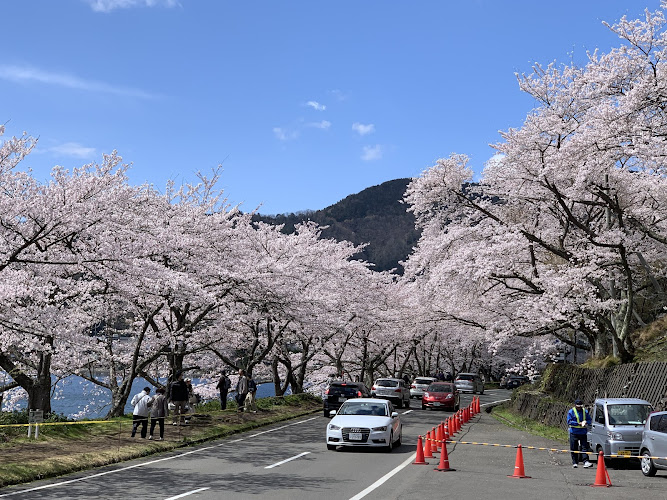
Kaizu Osaki is one of those places that quietly takes your breath away before you even realize it. Sitting along the northern shore of Lake Biwa in Shiga Prefecture, this scenic stretch extends for about four kilometers, wrapping around the lake like a painter’s brushstroke of pink and blue every spring. It’s known for its roughly 600 Yoshino cherry trees that bloom right along the water’s edge, forming a delicate tunnel of blossoms that seem to float between lake and sky. Honestly, it’s the kind of place that makes you stop mid-step and just stare for a while, even if you’ve seen your fair share of cherry blossoms before.
But Kaizu Osaki isn’t only about the sakura season. The area has this quiet, timeless charm that lingers even after the petals have fallen. The rocky shoreline, the gentle curve of the lake, the way the mountains rise in the background—it all feels like a scene from a watercolor painting. The air smells faintly of water and earth, and if you visit on a calm day, the lake mirrors everything so perfectly you’ll find yourself double-checking which way is up. There’s something grounding about it, something that makes you slow down, breathe deeper, and just exist for a moment.
Now, not everything is postcard-perfect. The road that runs along the lakeside can get narrow, and during peak bloom, it’s packed with cars and people. It’s not exactly a secret spot anymore, but that doesn’t take away from its magic. It just means you’ll be sharing that magic with others who, like you, came looking for a glimpse of beauty that’s hard to find elsewhere. And honestly, that shared awe—people gasping together as petals swirl in the wind—feels kind of special in its own way.
Key Features
- Over 600 Yoshino cherry trees stretching along a 4-kilometer lakeside route
- Scenic views of Lake Biwa, Japan’s largest freshwater lake, framed by mountains
- Recognized as one of the “Eight Scenic Views of Lake Biwa” for its natural beauty
- Opportunities for leisurely walks, cycling, and photography
- Boat cruises available during cherry blossom season for viewing from the water
- Local food stalls and small cafes open seasonally near the viewing areas
- Peaceful atmosphere year-round, with autumn foliage and serene winter scenery
What stands out most to me is how the cherry trees seem to grow right out of the rocks, their roots gripping the cliffs above the lake. It’s a little wild and raw, not overly manicured like some of Japan’s more famous hanami spots. The contrast between the rugged shoreline and the soft blossoms makes it feel alive, like nature showing off just a bit. And if you’re into photography, this place is a dream—especially early in the morning when mist hovers over the lake and the petals start catching the light.
Best Time to Visit
Without question, the most famous time to visit Kaizu Osaki is during cherry blossom season, usually from early to mid-April. The exact timing varies each year, depending on the weather, but when it hits, it’s spectacular. The blossoms here tend to bloom a little later than those in Kyoto or Tokyo, which makes it a great backup if you missed peak bloom elsewhere. The combination of the lake’s reflection and the blossoms overhead creates a surreal, mirror-like effect—honestly, it’s one of the most photogenic scenes in Japan.
That said, don’t write off the rest of the year. Summer brings lush greenery and the soft shimmer of the lake under the sun. Autumn is stunning too, with the surrounding hills turning shades of gold and crimson. Even winter has its charm—the bare trees standing stark against the snow-dusted landscape have a quiet beauty that’s hard to describe. If you’re the kind of traveler who enjoys solitude and reflection, off-season visits can be even more rewarding than the crowded springtime rush.
Personally, I love visiting just before the crowds arrive in early April, when the buds are starting to open but the roads are still calm. There’s this sense of anticipation in the air, like the whole town is holding its breath for the first bloom. And if you catch it right after a light rain, the petals glisten with droplets—it’s pure poetry.
How to Get There
Getting to Kaizu Osaki takes a little effort, but that’s part of its charm. The area is located in Takashima City in northern Shiga Prefecture, and most visitors arrive via the JR Kosei Line. The nearest station is Makino Station, which is about a 15-minute drive or a 30-minute walk from the main cherry blossom area. During peak season, there are shuttle buses and sightseeing boats that connect Makino Station to the viewing spots, though it’s wise to check schedules in advance since they can change year to year.
If you’re driving, be prepared for narrow roads and limited parking, especially on weekends in April. Honestly, I’d recommend arriving early in the morning—both for the light and the parking. The drive itself, though, is beautiful. You’ll wind through small towns, rice fields, and mountain roads before the lake suddenly opens up before you. It’s one of those drives where you’ll want to roll down the windows and just take it all in.
For those who prefer a slower pace, cycling along the lakeside is a fantastic option. You can rent bikes near Makino Station and follow the route along the shore. The breeze off the lake, the scent of blossoms, the sound of water lapping at the rocks—it’s an experience that stays with you long after you’ve left.
Tips for Visiting
First off, plan ahead if you’re visiting during cherry blossom season. Accommodations in the area book up fast, sometimes months in advance. If you can, stay overnight in Makino or nearby towns so you can enjoy the early morning or evening light when the crowds thin out. The golden hour here is something else—the petals seem to glow from within, and the lake turns this soft, silvery blue.
Bring comfortable shoes because you’ll be walking quite a bit, and the paths can be uneven in spots. There’s not much in the way of accessibility—no wheelchair-friendly paths or parking lots—so it’s best to come prepared for a bit of light hiking. Also, pack some snacks or a picnic. There are a few local vendors selling dango and yakitori during peak season, but they can get busy. Sitting by the lake with a bento box while petals drift past? That’s a memory worth making.
If you’re into photography, try visiting on a weekday morning. The light is softer, and you’ll have a better chance of capturing those serene, reflection-filled shots without too many people in the frame. And don’t forget to look down occasionally—the petals that collect on the water or the ground make for just as beautiful a scene as the blossoms above.
One more thing—be patient. Kaizu Osaki has its own rhythm. Sometimes the weather doesn’t cooperate, or the blossoms fall earlier than expected. But even then, the place has a quiet beauty that doesn’t depend on perfection. I’ve been there on gray, drizzly days when the mist rolled across the lake, and honestly, it was just as moving as the sunny days. It’s the kind of spot that reminds you that beauty isn’t always loud or obvious—it’s often found in the stillness between moments.
So if you’re planning a trip to Japan and want to experience a side of the country that’s both breathtaking and deeply peaceful, Kaizu Osaki deserves a spot on your list. It’s not just a cherry blossom destination—it’s a place that captures the spirit of Japan’s natural beauty, one petal at a time.
Key Features
- Over 600 Yoshino cherry trees stretching along a 4-kilometer lakeside route
- Scenic views of Lake Biwa, Japan’s largest freshwater lake, framed by mountains
- Recognized as one of the “Eight Scenic Views of Lake Biwa” for its natural beauty
- Opportunities for leisurely walks, cycling, and photography
- Boat cruises available during cherry blossom season for viewing from the water
- Local food stalls and small cafes open seasonally near the viewing areas
- Peaceful atmosphere year-round, with autumn foliage and serene winter scenery
More Details
Updated December 1, 2025
Table of Contents Kaizu Osaki is one of those places that quietly takes your breath away before you even realize it. Sitting along the northern shore of Lake Biwa in Shiga Prefecture, this scenic stretch extends for about four kilometers, wrapping around the lake like a painter’s brushstroke of pink and blue every spring. It’s known for its roughly 600 Yoshino cherry trees that bloom right along the water’s edge, forming a delicate tunnel of blossoms that seem to float between lake and sky. Honestly, it’s the kind of place that makes you stop mid-step and just stare for a while, even if you’ve seen your fair share of cherry blossoms before. But Kaizu Osaki isn’t only about the sakura season. The area has this quiet, timeless charm that lingers even after the petals have fallen. The rocky shoreline, the gentle curve of the lake, the way the mountains rise in the background—it all feels like a scene from a watercolor painting. The air smells faintly of water and earth, and if you visit on a calm day, the lake mirrors everything so perfectly you’ll find yourself double-checking which way is up. There’s something grounding about it, something that makes you slow down, breathe deeper, and just exist for a moment. Now, not everything is postcard-perfect. The road that runs along the lakeside can get narrow, and during peak bloom, it’s packed with cars and people. It’s not exactly a secret spot anymore, but that doesn’t take away from its magic. It just means you’ll be sharing that magic with others who, like you, came looking for a glimpse of beauty that’s hard to find elsewhere. And honestly, that shared awe—people gasping together as petals swirl in the wind—feels kind of special in its own way. What stands out most to me is how the cherry trees seem to grow right out of the rocks, their roots gripping the cliffs above the lake. It’s a little wild and raw, not overly manicured like some of Japan’s more famous hanami spots. The contrast between the rugged shoreline and the soft blossoms makes it feel alive, like nature showing off just a bit. And if you’re into photography, this place is a dream—especially early in the morning when mist hovers over the lake and the petals start catching the light. Without question, the most famous time to visit Kaizu Osaki is during cherry blossom season, usually from early to mid-April. The exact timing varies each year, depending on the weather, but when it hits, it’s spectacular. The blossoms here tend to bloom a little later than those in Kyoto or Tokyo, which makes it a great backup if you missed peak bloom elsewhere. The combination of the lake’s reflection and the blossoms overhead creates a surreal, mirror-like effect—honestly, it’s one of the most photogenic scenes in Japan. That said, don’t write off the rest of the year. Summer brings lush greenery and the soft shimmer of the lake under the sun. Autumn is stunning too, with the surrounding hills turning shades of gold and crimson. Even winter has its charm—the bare trees standing stark against the snow-dusted landscape have a quiet beauty that’s hard to describe. If you’re the kind of traveler who enjoys solitude and reflection, off-season visits can be even more rewarding than the crowded springtime rush. Personally, I love visiting just before the crowds arrive in early April, when the buds are starting to open but the roads are still calm. There’s this sense of anticipation in the air, like the whole town is holding its breath for the first bloom. And if you catch it right after a light rain, the petals glisten with droplets—it’s pure poetry. Getting to Kaizu Osaki takes a little effort, but that’s part of its charm. The area is located in Takashima City in northern Shiga Prefecture, and most visitors arrive via the JR Kosei Line. The nearest station is Makino Station, which is about a 15-minute drive or a 30-minute walk from the main cherry blossom area. During peak season, there are shuttle buses and sightseeing boats that connect Makino Station to the viewing spots, though it’s wise to check schedules in advance since they can change year to year. If you’re driving, be prepared for narrow roads and limited parking, especially on weekends in April. Honestly, I’d recommend arriving early in the morning—both for the light and the parking. The drive itself, though, is beautiful. You’ll wind through small towns, rice fields, and mountain roads before the lake suddenly opens up before you. It’s one of those drives where you’ll want to roll down the windows and just take it all in. For those who prefer a slower pace, cycling along the lakeside is a fantastic option. You can rent bikes near Makino Station and follow the route along the shore. The breeze off the lake, the scent of blossoms, the sound of water lapping at the rocks—it’s an experience that stays with you long after you’ve left. First off, plan ahead if you’re visiting during cherry blossom season. Accommodations in the area book up fast, sometimes months in advance. If you can, stay overnight in Makino or nearby towns so you can enjoy the early morning or evening light when the crowds thin out. The golden hour here is something else—the petals seem to glow from within, and the lake turns this soft, silvery blue. Bring comfortable shoes because you’ll be walking quite a bit, and the paths can be uneven in spots. There’s not much in the way of accessibility—no wheelchair-friendly paths or parking lots—so it’s best to come prepared for a bit of light hiking. Also, pack some snacks or a picnic. There are a few local vendors selling dango and yakitori during peak season, but they can get busy. Sitting by the lake with a bento box while petals drift past? That’s a memory worth making. If you’re into photography, try visiting on a weekday morning. The light is softer, and you’ll have a better chance of capturing those serene, reflection-filled shots without too many people in the frame. And don’t forget to look down occasionally—the petals that collect on the water or the ground make for just as beautiful a scene as the blossoms above. One more thing—be patient. Kaizu Osaki has its own rhythm. Sometimes the weather doesn’t cooperate, or the blossoms fall earlier than expected. But even then, the place has a quiet beauty that doesn’t depend on perfection. I’ve been there on gray, drizzly days when the mist rolled across the lake, and honestly, it was just as moving as the sunny days. It’s the kind of spot that reminds you that beauty isn’t always loud or obvious—it’s often found in the stillness between moments. So if you’re planning a trip to Japan and want to experience a side of the country that’s both breathtaking and deeply peaceful, Kaizu Osaki deserves a spot on your list. It’s not just a cherry blossom destination—it’s a place that captures the spirit of Japan’s natural beauty, one petal at a time.Description
Key Features
Best Time to Visit
How to Get There
Tips for Visiting
Key Highlights
- Over 600 Yoshino cherry trees stretching along a 4-kilometer lakeside route
- Scenic views of Lake Biwa, Japan’s largest freshwater lake, framed by mountains
- Recognized as one of the “Eight Scenic Views of Lake Biwa” for its natural beauty
- Opportunities for leisurely walks, cycling, and photography
- Boat cruises available during cherry blossom season for viewing from the water
- Local food stalls and small cafes open seasonally near the viewing areas
- Peaceful atmosphere year-round, with autumn foliage and serene winter scenery
Location
Places to Stay Near Kaizu Osaki
Find and Book a Tour
Explore More Travel Guides
No reviews found! Be the first to review!
Traveler Reviews for Kaizu Osaki
There are no reviews yet. Be the first one to write one.
Have you visited Kaizu Osaki? Help other travelers by sharing your review.
You Might Also Like
Find Accommodations Nearby
Recommended Tours & Activities
Visitor Reviews
There are no reviews yet. Be the first one to write one.
Share Your Experience
Have you visited Kaizu Osaki? Help other travelers by leaving a review.