
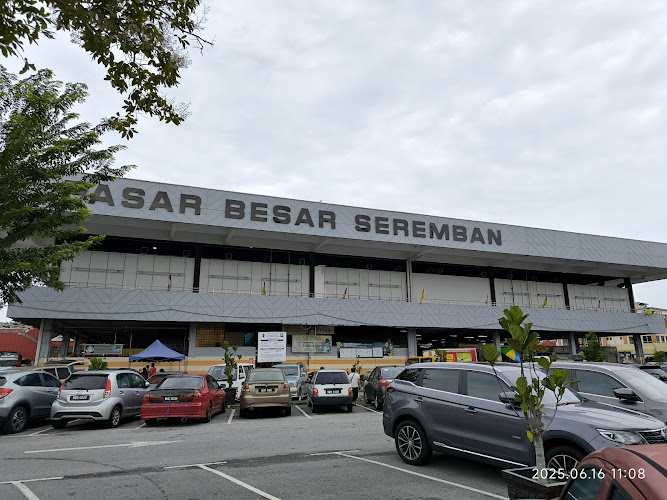
Seremban Central Market
About Seremban Central Market
Description
Seremban Central Market stands as one of those authentic Malaysian experiences that doesn't try too hard to impress tourists, yet somehow manages to capture the essence of daily life in Negeri Sembilan's capital. This traditional wet market operates as a genuine slice of local culture where residents have been shopping for fresh produce, meat, and seafood for decades. The atmosphere here is decidedly unpretentious - you won't find Instagram-worthy backdrops or curated experiences, just real people going about their morning routines. Walking through the market feels like stepping into the rhythm of Malaysian life. Vendors call out their daily specials, the air fills with the mingled scents of fresh herbs and spices, and you'll witness the age-old practice of haggling conducted with good humor and expertise. The market caters primarily to locals rather than tourists, which honestly makes it more appealing for travelers seeking authentic encounters beyond the typical sightseeing circuit. What really caught my attention during my visits was how the market reflects the multicultural fabric of Malaysia. You'll find Chinese vegetable sellers alongside Malay fish vendors, Indian spice merchants next to businesses run by various ethnic communities. This diversity extends to the food offerings as well, particularly the beef noodle dishes that have earned quite a reputation among those in the know. The facilities here are surprisingly modern for a traditional market setting. The management has made genuine efforts to ensure accessibility, with wheelchair-friendly entrances and parking areas. Clean restroom facilities are available, including gender-neutral options, which isn't always a given in markets across Southeast Asia. But don't mistake these amenities for a sanitized tourist experience - this remains very much a working market where commerce happens at a brisk pace from early morning until afternoon.Key Features
The Seremban Central Market offers several distinctive characteristics that make it worth including in your itinerary:- Authentic wet market experience where local residents do their daily shopping, providing travelers with genuine cultural immersion rather than staged tourist encounters
- Exceptional beef noodle stalls that have developed loyal followings among locals and food enthusiasts, representing some of the best examples of this comfort food in the region
- Comprehensive accessibility features including wheelchair-accessible entrances and parking facilities, making it one of the more inclusive traditional markets in Malaysia
- Wide variety of fresh tropical produce that many Western travelers have never encountered, from exotic fruits to vegetables used in Nyonya and Malay cuisine
- Live seafood and fish sections where you can observe traditional market practices and purchase incredibly fresh catches if you have access to cooking facilities
- Onsite services that allow for immediate food preparation, meaning you can purchase ingredients and have them cooked right there
- Multiple parking options including onsite facilities and surrounding paid lots, addressing one of the main concerns travelers have when visiting local markets
- Early morning atmosphere that captures the market at its most dynamic, when vendors are setting up and the selection is at its peak
- Reasonable prices that reflect local market rates rather than tourist premiums, though some vendors may initially quote higher prices to foreign visitors
- Mix of permanent stalls and temporary vendors creating a constantly evolving shopping environment with new discoveries on each visit
Best Time to Visit
Here's something most guidebooks won't tell you - timing matters enormously at Seremban Central Market, and getting it wrong means missing half the experience. The market operates on a rhythm determined by Malaysian lifestyle patterns, and if you show up at the wrong hour, you'll find a very different scene than what you're expecting. Early mornings between 6:30 AM and 9:00 AM represent the absolute prime time. Yes, I know that's painfully early for vacation mode, but this is when the market pulses with real energy. Vendors display their freshest inventory, regular customers conduct their daily shopping, and the food stalls serve up breakfast to workers and early birds. The atmosphere during these hours has an almost theatrical quality - watching experienced shoppers evaluate fish, negotiate prices, and exchange gossip while grabbing their morning meals. By mid-morning around 10:00 AM to 11:00 AM, things remain quite active but the frantic energy has mellowed somewhat. This might actually be ideal for travelers who want to explore without navigating dense crowds. You'll still find good selection, though some vendors may have sold out of their premium items. Afternoons tell a different story entirely. After 1:00 PM, many stalls begin packing up, and by 3:00 PM the market feels considerably quieter. Some permanent shops remain open, but you'll miss the essential wet market experience if you arrive this late. Regarding days of the week, weekends bring larger crowds as working people do their weekly shopping. Weekday mornings offer a more manageable experience for first-time visitors, though weekends provide maximum cultural immersion if you don't mind the bustle. Weather considerations matter less than you might think since much of the market operates under cover, but Malaysia's tropical climate means mornings are cooler and more comfortable than midday visits. And those sudden afternoon rainstorms that frequently roll through? They can temporarily clear out vendors and customers alike.How to Get There
Getting to Seremban Central Market requires some planning, but it's definitely manageable for independent travelers. Seremban sits about 60 kilometers south of Kuala Lumpur, making it an easy day trip from the capital or a worthwhile stop if you're heading further south toward Malacca. If you're driving from Kuala Lumpur, the journey takes roughly an hour via the North-South Expressway. Take the Seremban exit and follow signage toward the town center. The market is situated in central Seremban, and various paid parking options surround the area. During peak morning hours, finding parking can test your patience a bit, so arriving before 7:30 AM or after 9:30 AM helps. Onsite parking fills up quickly, but several paid lots operate within walking distance. Public transportation offers a more economical option. KTM Komuter trains run regularly from KL Sentral to Seremban station, with journey times around 90 minutes. From Seremban railway station, you can grab a taxi or use ride-hailing apps like Grab to reach the market, which sits approximately 2 kilometers from the station. The fare should be quite reasonable, typically under RM10. Bus services also connect Kuala Lumpur to Seremban, with departures from Terminal Bersepadu Selatan. Buses drop passengers at Seremban's Terminal One, from where you'll need local transportation to reach the market. Local taxis and Grab cars operate throughout Seremban, making it easy to navigate once you've arrived in town. Just tell drivers you're heading to "Pasar Besar Seremban" or show them the market's location on your phone - most drivers know it well since it's a prominent local landmark. For travelers staying in Seremban itself, the market is centrally located and accessible by foot from many hotels, though the tropical heat and humidity might make a short taxi ride more appealing.Tips for Visiting
Let me share some practical wisdom that'll make your visit considerably more enjoyable and less stressful. These insights come from both personal experience and watching countless tourists navigate this authentic market environment. Bring cash - and I mean this seriously. While Malaysia has embraced digital payments in many contexts, traditional market vendors primarily deal in ringgit notes and coins. ATMs are available nearby, but you don't want to interrupt your morning exploration searching for one. Having small bills helps with transactions since many vendors lack change for large notes. Dress appropriately for a working market environment. This isn't the place for your nice travel clothes or expensive shoes. The floors can be wet and slippery, particularly around the fish and meat sections, so closed-toe shoes with good grip are essential. Light, breathable clothing works best given the heat and humidity, but keep it modest out of respect for local sensibilities. Arrive hungry, especially if you're interested in the famous beef noodles. The food stalls serve breakfast and lunch, with morning being prime time. Don't be shy about sitting down at crowded stalls - that's usually a sign of quality. Pointing works when language barriers arise, and vendors are generally patient with foreign visitors trying to navigate the ordering process. Photography deserves a thoughtful approach. While the market offers fascinating visual opportunities, pointing cameras at vendors and customers without permission can create uncomfortable situations. I always ask before photographing people directly, and I've found that a smile and gestured request usually receives positive responses. Some vendors may decline, which should be respected without argument. Bargaining is expected for produce and goods, though less so for cooked food. Start by offering about 70-80% of the asking price and negotiate from there. But keep perspective - you're often haggling over amounts equivalent to less than a dollar. Sometimes paying the asking price, especially when it's already reasonable, makes more sense than lengthy negotiations over pennies. Watch your belongings carefully. While Seremban isn't particularly known for theft, crowded markets everywhere attract opportunistic pickpockets. Keep bags closed and worn in front of you, and don't flash expensive electronics unnecessarily. Come with an open mind about cleanliness standards. This is an authentic wet market operating under Malaysian regulations, not a Western supermarket. You'll see things that might seem unusual - live animals, butchering happening in open view, and sanitation practices different from what you might expect. These are normal aspects of traditional Asian markets. Language can be challenging since many vendors speak primarily Malay or Chinese dialects with limited English. Learning a few basic Malay phrases helps enormously. "Berapa harga?" (How much?), "Terima kasih" (Thank you), and "Boleh kurang?" (Can you reduce the price?) will get you surprisingly far. If you're staying somewhere with kitchen facilities, the market offers fantastic opportunities to purchase ingredients for cooking authentic Malaysian meals. Many vendors will clean and prepare seafood or meat for you if you're planning to cook it yourself. Finally, manage your expectations appropriately. This isn't a curated cultural attraction designed for tourists - it's a functioning market serving local needs. You won't find explanatory signs in English or staff specifically assigned to help tourists. The rewards come from genuine cultural immersion rather than polished presentation, and that's precisely what makes Seremban Central Market worth visiting.Key Features
- Authentic wet market experience where local residents do their daily shopping, providing travelers with genuine cultural immersion rather than staged tourist encounters
- Exceptional beef noodle stalls that have developed loyal followings among locals and food enthusiasts, representing some of the best examples of this comfort food in the region
- Comprehensive accessibility features including wheelchair-accessible entrances and parking facilities, making it one of the more inclusive traditional markets in Malaysia
- Wide variety of fresh tropical produce that many Western travelers have never encountered, from exotic fruits to vegetables used in Nyonya and Malay cuisine
- Live seafood and fish sections where you can observe traditional market practices and purchase incredibly fresh catches if you have access to cooking facilities
- Onsite services that allow for immediate food preparation, meaning you can purchase ingredients and have them cooked right there
- Multiple parking options including onsite facilities and surrounding paid lots, addressing one of the main concerns travelers have when visiting local markets
- Early morning atmosphere that captures the market at its most dynamic, when vendors are setting up and the selection is at its peak
More Details
Updated January 5, 2026
Description
Seremban Central Market stands as one of those authentic Malaysian experiences that doesn’t try too hard to impress tourists, yet somehow manages to capture the essence of daily life in Negeri Sembilan’s capital. This traditional wet market operates as a genuine slice of local culture where residents have been shopping for fresh produce, meat, and seafood for decades. The atmosphere here is decidedly unpretentious – you won’t find Instagram-worthy backdrops or curated experiences, just real people going about their morning routines.
Walking through the market feels like stepping into the rhythm of Malaysian life. Vendors call out their daily specials, the air fills with the mingled scents of fresh herbs and spices, and you’ll witness the age-old practice of haggling conducted with good humor and expertise. The market caters primarily to locals rather than tourists, which honestly makes it more appealing for travelers seeking authentic encounters beyond the typical sightseeing circuit.
What really caught my attention during my visits was how the market reflects the multicultural fabric of Malaysia. You’ll find Chinese vegetable sellers alongside Malay fish vendors, Indian spice merchants next to businesses run by various ethnic communities. This diversity extends to the food offerings as well, particularly the beef noodle dishes that have earned quite a reputation among those in the know.
The facilities here are surprisingly modern for a traditional market setting. The management has made genuine efforts to ensure accessibility, with wheelchair-friendly entrances and parking areas. Clean restroom facilities are available, including gender-neutral options, which isn’t always a given in markets across Southeast Asia. But don’t mistake these amenities for a sanitized tourist experience – this remains very much a working market where commerce happens at a brisk pace from early morning until afternoon.
Key Features
The Seremban Central Market offers several distinctive characteristics that make it worth including in your itinerary:
- Authentic wet market experience where local residents do their daily shopping, providing travelers with genuine cultural immersion rather than staged tourist encounters
- Exceptional beef noodle stalls that have developed loyal followings among locals and food enthusiasts, representing some of the best examples of this comfort food in the region
- Comprehensive accessibility features including wheelchair-accessible entrances and parking facilities, making it one of the more inclusive traditional markets in Malaysia
- Wide variety of fresh tropical produce that many Western travelers have never encountered, from exotic fruits to vegetables used in Nyonya and Malay cuisine
- Live seafood and fish sections where you can observe traditional market practices and purchase incredibly fresh catches if you have access to cooking facilities
- Onsite services that allow for immediate food preparation, meaning you can purchase ingredients and have them cooked right there
- Multiple parking options including onsite facilities and surrounding paid lots, addressing one of the main concerns travelers have when visiting local markets
- Early morning atmosphere that captures the market at its most dynamic, when vendors are setting up and the selection is at its peak
- Reasonable prices that reflect local market rates rather than tourist premiums, though some vendors may initially quote higher prices to foreign visitors
- Mix of permanent stalls and temporary vendors creating a constantly evolving shopping environment with new discoveries on each visit
Best Time to Visit
Here’s something most guidebooks won’t tell you – timing matters enormously at Seremban Central Market, and getting it wrong means missing half the experience. The market operates on a rhythm determined by Malaysian lifestyle patterns, and if you show up at the wrong hour, you’ll find a very different scene than what you’re expecting.
Early mornings between 6:30 AM and 9:00 AM represent the absolute prime time. Yes, I know that’s painfully early for vacation mode, but this is when the market pulses with real energy. Vendors display their freshest inventory, regular customers conduct their daily shopping, and the food stalls serve up breakfast to workers and early birds. The atmosphere during these hours has an almost theatrical quality – watching experienced shoppers evaluate fish, negotiate prices, and exchange gossip while grabbing their morning meals.
By mid-morning around 10:00 AM to 11:00 AM, things remain quite active but the frantic energy has mellowed somewhat. This might actually be ideal for travelers who want to explore without navigating dense crowds. You’ll still find good selection, though some vendors may have sold out of their premium items.
Afternoons tell a different story entirely. After 1:00 PM, many stalls begin packing up, and by 3:00 PM the market feels considerably quieter. Some permanent shops remain open, but you’ll miss the essential wet market experience if you arrive this late.
Regarding days of the week, weekends bring larger crowds as working people do their weekly shopping. Weekday mornings offer a more manageable experience for first-time visitors, though weekends provide maximum cultural immersion if you don’t mind the bustle.
Weather considerations matter less than you might think since much of the market operates under cover, but Malaysia’s tropical climate means mornings are cooler and more comfortable than midday visits. And those sudden afternoon rainstorms that frequently roll through? They can temporarily clear out vendors and customers alike.
How to Get There
Getting to Seremban Central Market requires some planning, but it’s definitely manageable for independent travelers. Seremban sits about 60 kilometers south of Kuala Lumpur, making it an easy day trip from the capital or a worthwhile stop if you’re heading further south toward Malacca.
If you’re driving from Kuala Lumpur, the journey takes roughly an hour via the North-South Expressway. Take the Seremban exit and follow signage toward the town center. The market is situated in central Seremban, and various paid parking options surround the area. During peak morning hours, finding parking can test your patience a bit, so arriving before 7:30 AM or after 9:30 AM helps. Onsite parking fills up quickly, but several paid lots operate within walking distance.
Public transportation offers a more economical option. KTM Komuter trains run regularly from KL Sentral to Seremban station, with journey times around 90 minutes. From Seremban railway station, you can grab a taxi or use ride-hailing apps like Grab to reach the market, which sits approximately 2 kilometers from the station. The fare should be quite reasonable, typically under RM10.
Bus services also connect Kuala Lumpur to Seremban, with departures from Terminal Bersepadu Selatan. Buses drop passengers at Seremban’s Terminal One, from where you’ll need local transportation to reach the market.
Local taxis and Grab cars operate throughout Seremban, making it easy to navigate once you’ve arrived in town. Just tell drivers you’re heading to “Pasar Besar Seremban” or show them the market’s location on your phone – most drivers know it well since it’s a prominent local landmark.
For travelers staying in Seremban itself, the market is centrally located and accessible by foot from many hotels, though the tropical heat and humidity might make a short taxi ride more appealing.
Tips for Visiting
Let me share some practical wisdom that’ll make your visit considerably more enjoyable and less stressful. These insights come from both personal experience and watching countless tourists navigate this authentic market environment.
Bring cash – and I mean this seriously. While Malaysia has embraced digital payments in many contexts, traditional market vendors primarily deal in ringgit notes and coins. ATMs are available nearby, but you don’t want to interrupt your morning exploration searching for one. Having small bills helps with transactions since many vendors lack change for large notes.
Dress appropriately for a working market environment. This isn’t the place for your nice travel clothes or expensive shoes. The floors can be wet and slippery, particularly around the fish and meat sections, so closed-toe shoes with good grip are essential. Light, breathable clothing works best given the heat and humidity, but keep it modest out of respect for local sensibilities.
Arrive hungry, especially if you’re interested in the famous beef noodles. The food stalls serve breakfast and lunch, with morning being prime time. Don’t be shy about sitting down at crowded stalls – that’s usually a sign of quality. Pointing works when language barriers arise, and vendors are generally patient with foreign visitors trying to navigate the ordering process.
Photography deserves a thoughtful approach. While the market offers fascinating visual opportunities, pointing cameras at vendors and customers without permission can create uncomfortable situations. I always ask before photographing people directly, and I’ve found that a smile and gestured request usually receives positive responses. Some vendors may decline, which should be respected without argument.
Bargaining is expected for produce and goods, though less so for cooked food. Start by offering about 70-80% of the asking price and negotiate from there. But keep perspective – you’re often haggling over amounts equivalent to less than a dollar. Sometimes paying the asking price, especially when it’s already reasonable, makes more sense than lengthy negotiations over pennies.
Watch your belongings carefully. While Seremban isn’t particularly known for theft, crowded markets everywhere attract opportunistic pickpockets. Keep bags closed and worn in front of you, and don’t flash expensive electronics unnecessarily.
Come with an open mind about cleanliness standards. This is an authentic wet market operating under Malaysian regulations, not a Western supermarket. You’ll see things that might seem unusual – live animals, butchering happening in open view, and sanitation practices different from what you might expect. These are normal aspects of traditional Asian markets.
Language can be challenging since many vendors speak primarily Malay or Chinese dialects with limited English. Learning a few basic Malay phrases helps enormously. “Berapa harga?” (How much?), “Terima kasih” (Thank you), and “Boleh kurang?” (Can you reduce the price?) will get you surprisingly far.
If you’re staying somewhere with kitchen facilities, the market offers fantastic opportunities to purchase ingredients for cooking authentic Malaysian meals. Many vendors will clean and prepare seafood or meat for you if you’re planning to cook it yourself.
Finally, manage your expectations appropriately. This isn’t a curated cultural attraction designed for tourists – it’s a functioning market serving local needs. You won’t find explanatory signs in English or staff specifically assigned to help tourists. The rewards come from genuine cultural immersion rather than polished presentation, and that’s precisely what makes Seremban Central Market worth visiting.
Key Highlights
- Authentic wet market experience where local residents do their daily shopping, providing travelers with genuine cultural immersion rather than staged tourist encounters
- Exceptional beef noodle stalls that have developed loyal followings among locals and food enthusiasts, representing some of the best examples of this comfort food in the region
- Comprehensive accessibility features including wheelchair-accessible entrances and parking facilities, making it one of the more inclusive traditional markets in Malaysia
- Wide variety of fresh tropical produce that many Western travelers have never encountered, from exotic fruits to vegetables used in Nyonya and Malay cuisine
- Live seafood and fish sections where you can observe traditional market practices and purchase incredibly fresh catches if you have access to cooking facilities
- Onsite services that allow for immediate food preparation, meaning you can purchase ingredients and have them cooked right there
- Multiple parking options including onsite facilities and surrounding paid lots, addressing one of the main concerns travelers have when visiting local markets
- Early morning atmosphere that captures the market at its most dynamic, when vendors are setting up and the selection is at its peak
Location
Places to Stay Near Seremban Central Market
Find and Book a Tour
Explore More Travel Guides
No reviews found! Be the first to review!
Traveler Reviews for Seremban Central Market
There are no reviews yet. Be the first one to write one.
Have you visited Seremban Central Market? Help other travelers by sharing your review.
You Might Also Like

S2 Hill Park
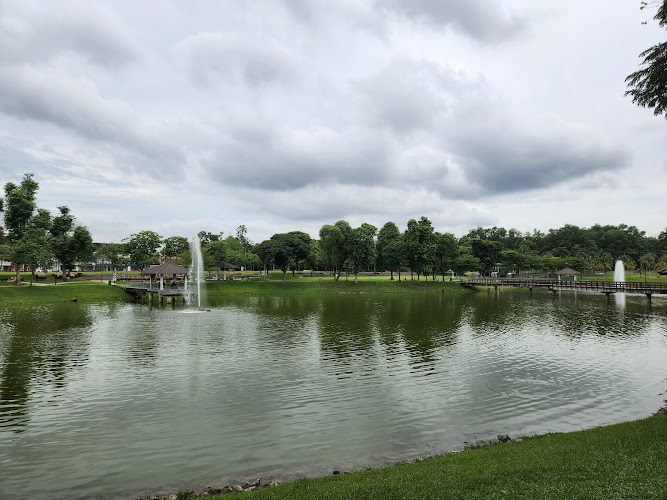
S2 City Park

Lembaga Muzium Negeri Sembilan
Find Accommodations Nearby
Recommended Tours & Activities
Visitor Reviews
There are no reviews yet. Be the first one to write one.
Share Your Experience
Have you visited Seremban Central Market? Help other travelers by leaving a review.