

Lembaga Muzium Negeri Sembilan
About Lembaga Muzium Negeri Sembilan
Description
The Lembaga Muzium Negeri Sembilan stands as a cultural treasure in Malaysia's heartland, offering visitors an authentic glimpse into the rich heritage of Negeri Sembilan state. This museum serves as both a guardian of history and a bridge connecting modern travelers with the fascinating traditions of the Minangkabau people who settled in this region centuries ago. Walking through its halls feels like stepping into a time capsule where artifacts, photographs, and carefully preserved objects tell stories that textbooks often miss. What makes this museum particularly special is its dedication to preserving the unique Minangkabau culture that defines Negeri Sembilan. The distinctive architecture itself reflects the traditional buffalo horn-shaped roofs that characterize buildings throughout the state, making the museum not just a repository of culture but an embodiment of it. I've always believed that the best museums are those that don't just display objects behind glass but create an immersive experience, and this place does exactly that. The collection spans various aspects of daily life, ceremonial practices, traditional costumes, weaponry, and historical documents that chronicle the development of Negeri Sembilan from its early days through colonial periods and into modern Malaysia. You'll find yourself fascinated by the intricate beadwork on ceremonial attire, the craftsmanship of traditional tools, and the detailed explanations that accompany each exhibit. The museum doesn't just show you what things looked like—it explains why they mattered and how they shaped the identity of an entire community. Families particularly appreciate this destination because it offers educational value without being boring or overly academic. Kids can actually see how people lived, worked, and celebrated in earlier times, which beats reading about it in history books any day. And honestly, even adults who think museums aren't their thing often find themselves surprisingly engaged here.Key Features
The Lembaga Muzium Negeri Sembilan offers several standout features that make it worth your time:- Comprehensive exhibits showcasing Minangkabau cultural heritage including traditional costumes, ceremonial objects, and historical artifacts that you won't find elsewhere in such concentration
- Traditional architecture that exemplifies the distinctive Minangkabau design philosophy, with characteristic roof structures that photograph beautifully
- Wheelchair accessible facilities including parking areas and restrooms, making the museum welcoming for visitors with mobility considerations
- Free parking lot that eliminates one of those annoying travel expenses and makes spontaneous visits stress-free
- Restroom facilities available on-site for visitor convenience during extended exploration
- Family-friendly environment specifically designed to engage younger visitors and spark curiosity about Malaysian cultural history
- Collections of royal regalia and ceremonial weapons that illustrate the sophisticated social hierarchy and craftsmanship of historical Negeri Sembilan
- Photographic archives documenting the transformation of the state through different historical periods
- Traditional musical instruments with explanations of their role in community gatherings and celebrations
- Detailed information panels in multiple languages that help international visitors understand the cultural context
- Well-maintained grounds that provide pleasant outdoor spaces for reflection after touring the indoor exhibits
Best Time to Visit
Timing your visit to the Lembaga Muzium Negeri Sembilan can significantly impact your experience. The museum operates during standard business hours, and weekday mornings tend to offer the most peaceful browsing experience. If you prefer exploring exhibits without crowds jostling for position, arriving shortly after opening time on Tuesday through Thursday gives you the best chance of having galleries mostly to yourself. Weekend visits attract more families and school groups, which creates a livelier atmosphere but also means more competition for viewing popular displays. But that energy can actually enhance the experience—there's something nice about watching kids get excited about history, even if they're a bit noisy. Malaysia's tropical climate means you'll want to consider weather patterns when planning your visit. The museum's indoor spaces are climate-controlled, which is a blessing during the hottest months between March and September when outdoor temperatures can be punishing. However, if you want to appreciate the architectural features and take photos of the building's exterior, the slightly cooler months from November through February offer more comfortable conditions for wandering the grounds. School holiday periods in Malaysia—particularly during the year-end break in November and December—bring increased visitor numbers. While this doesn't make the museum uncomfortably crowded, it does mean you might encounter more tour groups. Some travelers enjoy the educational atmosphere this creates, while others prefer quieter contemplation. Rainy season considerations matter less here than at outdoor attractions since most exhibits are sheltered, but afternoon thunderstorms between October and March can occasionally affect your travel plans getting to and from the museum. Morning visits help you avoid these weather interruptions. Special exhibitions and cultural events occasionally take place at the museum, and timing your visit to coincide with these can add an extra dimension to your experience. Keep in mind though that the permanent collection alone justifies the visit without any special programming.How to Get There
Reaching the Lembaga Muzium Negeri Sembilan requires a bit of planning, but the journey itself offers opportunities to see more of Negeri Sembilan's landscape and culture. The museum's location makes it accessible by various transportation methods, though some options are decidedly more convenient than others. Driving offers the most flexibility and comfort, particularly for families or groups. The free parking lot eliminates one of the usual concerns about museum visits in urban areas. If you're coming from Kuala Lumpur, the drive takes roughly an hour depending on traffic conditions. The highway connections are straightforward, and GPS navigation works reliably in the area. Just be aware that Malaysian driving can be assertive, so defensive driving skills come in handy. Public transportation options exist but require more patience and planning. Bus services connect major towns in Negeri Sembilan, though schedules can be irregular compared to what travelers from countries with extensive public transit might expect. The trade-off is that bus travel gives you a more authentic local experience and costs considerably less than private transportation. Ride-hailing services like Grab function well in the area and provide a comfortable middle ground between driving yourself and navigating public transport. The cost from nearby towns is reasonable, though having a driver wait for you or arranging a return trip requires coordination since the museum isn't in a densely populated area where finding a ride back is instantly easy. For international visitors staying in Kuala Lumpur, organized tours sometimes include the museum as part of broader Negeri Sembilan cultural itineraries. These eliminate transportation worries entirely, though they also limit your flexibility for how long you can stay and what else you might explore nearby. The surrounding roads are generally well-maintained, but signage could be clearer in places. Having your destination marked on a GPS device or smartphone map prevents those frustrating moments of driving past your turn and needing to backtrack.Tips for Visiting
Making the most of your visit to the Lembaga Muzium Negeri Sembilan starts with managing expectations appropriately. This isn't a massive, internationally famous institution with Hollywood-style presentations. It's a thoughtfully curated regional museum that rewards visitors who approach it with genuine curiosity rather than expectations of theme-park-level entertainment. Wear comfortable walking shoes because you'll be on your feet exploring multiple galleries and exhibition spaces. The floors are hard surfaces, and while the museum isn't enormous, spending sufficient time to actually absorb the displays means standing and walking more than you might initially anticipate. Photography policies should be confirmed upon arrival, as some museums restrict flash photography or images of certain artifacts. Generally speaking, bringing a camera is worthwhile since the architectural details and some exhibits photograph beautifully for travel memories and social media sharing. Allocate at least two hours for your visit if you want to do more than just rush through. Serious history enthusiasts could easily spend three hours examining displays in detail and reading all the informational panels. Don't make the mistake of scheduling this as a quick 30-minute stop between other destinations—you'll shortchange yourself. Bring drinking water, especially during warmer months. While restrooms are available, the museum doesn't have a restaurant or café on-site. Some visitors regret not eating before arriving, particularly if they get absorbed in the exhibits and suddenly realize they're hungry with no immediate food options nearby. The wheelchair accessible facilities mean visitors with mobility challenges can explore comfortably, but it's worth calling ahead if you have specific accessibility questions or needs. The staff generally try to accommodate visitors, but advance notice helps them prepare. Weekday visits mean potentially encountering school groups on educational field trips. These groups are usually well-supervised, but they do create more noise and movement in galleries. If this bothers you, asking staff about scheduled group visits helps you plan around them. Engaging with museum staff when you have questions enriches the experience significantly. Many staff members have deep knowledge about the collections and can share context that isn't captured in the written displays. Malaysians generally appreciate when visitors show genuine interest in their culture, and a friendly question often leads to fascinating conversations. Check if any special exhibitions or cultural performances are scheduled during your intended visit. These occasional events provide deeper insights into living traditions rather than just historical artifacts. Consider combining your museum visit with exploration of other nearby cultural sites and local restaurants serving authentic Negeri Sembilan cuisine. The regional specialty dishes offer yet another way to understand the area's unique cultural identity. Finally, approach your visit with an open mind and genuine respect for the culture being presented. Museums like this preserve traditions and histories that matter deeply to local communities. Travelers who take time to understand rather than just check boxes on an itinerary always have more meaningful experiences.Key Features
- Displays on adat Perpatih (matrilineal custom) and local governance
- Collections of traditional Minangkabau-influenced costumes and heirlooms
- Architectural exhibits and models explaining Negeri Sembilan roof styles
- Dioramas and multimedia explaining social history and daily life
- Central Seremban location making it easy to combine with nearby heritage sites
More Details
Updated January 5, 2026
Description
The Lembaga Muzium Negeri Sembilan stands as a cultural treasure in Malaysia’s heartland, offering visitors an authentic glimpse into the rich heritage of Negeri Sembilan state. This museum serves as both a guardian of history and a bridge connecting modern travelers with the fascinating traditions of the Minangkabau people who settled in this region centuries ago. Walking through its halls feels like stepping into a time capsule where artifacts, photographs, and carefully preserved objects tell stories that textbooks often miss.
What makes this museum particularly special is its dedication to preserving the unique Minangkabau culture that defines Negeri Sembilan. The distinctive architecture itself reflects the traditional buffalo horn-shaped roofs that characterize buildings throughout the state, making the museum not just a repository of culture but an embodiment of it. I’ve always believed that the best museums are those that don’t just display objects behind glass but create an immersive experience, and this place does exactly that.
The collection spans various aspects of daily life, ceremonial practices, traditional costumes, weaponry, and historical documents that chronicle the development of Negeri Sembilan from its early days through colonial periods and into modern Malaysia. You’ll find yourself fascinated by the intricate beadwork on ceremonial attire, the craftsmanship of traditional tools, and the detailed explanations that accompany each exhibit. The museum doesn’t just show you what things looked like—it explains why they mattered and how they shaped the identity of an entire community.
Families particularly appreciate this destination because it offers educational value without being boring or overly academic. Kids can actually see how people lived, worked, and celebrated in earlier times, which beats reading about it in history books any day. And honestly, even adults who think museums aren’t their thing often find themselves surprisingly engaged here.
Key Features
The Lembaga Muzium Negeri Sembilan offers several standout features that make it worth your time:
- Comprehensive exhibits showcasing Minangkabau cultural heritage including traditional costumes, ceremonial objects, and historical artifacts that you won’t find elsewhere in such concentration
- Traditional architecture that exemplifies the distinctive Minangkabau design philosophy, with characteristic roof structures that photograph beautifully
- Wheelchair accessible facilities including parking areas and restrooms, making the museum welcoming for visitors with mobility considerations
- Free parking lot that eliminates one of those annoying travel expenses and makes spontaneous visits stress-free
- Restroom facilities available on-site for visitor convenience during extended exploration
- Family-friendly environment specifically designed to engage younger visitors and spark curiosity about Malaysian cultural history
- Collections of royal regalia and ceremonial weapons that illustrate the sophisticated social hierarchy and craftsmanship of historical Negeri Sembilan
- Photographic archives documenting the transformation of the state through different historical periods
- Traditional musical instruments with explanations of their role in community gatherings and celebrations
- Detailed information panels in multiple languages that help international visitors understand the cultural context
- Well-maintained grounds that provide pleasant outdoor spaces for reflection after touring the indoor exhibits
Best Time to Visit
Timing your visit to the Lembaga Muzium Negeri Sembilan can significantly impact your experience. The museum operates during standard business hours, and weekday mornings tend to offer the most peaceful browsing experience. If you prefer exploring exhibits without crowds jostling for position, arriving shortly after opening time on Tuesday through Thursday gives you the best chance of having galleries mostly to yourself.
Weekend visits attract more families and school groups, which creates a livelier atmosphere but also means more competition for viewing popular displays. But that energy can actually enhance the experience—there’s something nice about watching kids get excited about history, even if they’re a bit noisy.
Malaysia’s tropical climate means you’ll want to consider weather patterns when planning your visit. The museum’s indoor spaces are climate-controlled, which is a blessing during the hottest months between March and September when outdoor temperatures can be punishing. However, if you want to appreciate the architectural features and take photos of the building’s exterior, the slightly cooler months from November through February offer more comfortable conditions for wandering the grounds.
School holiday periods in Malaysia—particularly during the year-end break in November and December—bring increased visitor numbers. While this doesn’t make the museum uncomfortably crowded, it does mean you might encounter more tour groups. Some travelers enjoy the educational atmosphere this creates, while others prefer quieter contemplation.
Rainy season considerations matter less here than at outdoor attractions since most exhibits are sheltered, but afternoon thunderstorms between October and March can occasionally affect your travel plans getting to and from the museum. Morning visits help you avoid these weather interruptions.
Special exhibitions and cultural events occasionally take place at the museum, and timing your visit to coincide with these can add an extra dimension to your experience. Keep in mind though that the permanent collection alone justifies the visit without any special programming.
How to Get There
Reaching the Lembaga Muzium Negeri Sembilan requires a bit of planning, but the journey itself offers opportunities to see more of Negeri Sembilan’s landscape and culture. The museum’s location makes it accessible by various transportation methods, though some options are decidedly more convenient than others.
Driving offers the most flexibility and comfort, particularly for families or groups. The free parking lot eliminates one of the usual concerns about museum visits in urban areas. If you’re coming from Kuala Lumpur, the drive takes roughly an hour depending on traffic conditions. The highway connections are straightforward, and GPS navigation works reliably in the area. Just be aware that Malaysian driving can be assertive, so defensive driving skills come in handy.
Public transportation options exist but require more patience and planning. Bus services connect major towns in Negeri Sembilan, though schedules can be irregular compared to what travelers from countries with extensive public transit might expect. The trade-off is that bus travel gives you a more authentic local experience and costs considerably less than private transportation.
Ride-hailing services like Grab function well in the area and provide a comfortable middle ground between driving yourself and navigating public transport. The cost from nearby towns is reasonable, though having a driver wait for you or arranging a return trip requires coordination since the museum isn’t in a densely populated area where finding a ride back is instantly easy.
For international visitors staying in Kuala Lumpur, organized tours sometimes include the museum as part of broader Negeri Sembilan cultural itineraries. These eliminate transportation worries entirely, though they also limit your flexibility for how long you can stay and what else you might explore nearby.
The surrounding roads are generally well-maintained, but signage could be clearer in places. Having your destination marked on a GPS device or smartphone map prevents those frustrating moments of driving past your turn and needing to backtrack.
Tips for Visiting
Making the most of your visit to the Lembaga Muzium Negeri Sembilan starts with managing expectations appropriately. This isn’t a massive, internationally famous institution with Hollywood-style presentations. It’s a thoughtfully curated regional museum that rewards visitors who approach it with genuine curiosity rather than expectations of theme-park-level entertainment.
Wear comfortable walking shoes because you’ll be on your feet exploring multiple galleries and exhibition spaces. The floors are hard surfaces, and while the museum isn’t enormous, spending sufficient time to actually absorb the displays means standing and walking more than you might initially anticipate.
Photography policies should be confirmed upon arrival, as some museums restrict flash photography or images of certain artifacts. Generally speaking, bringing a camera is worthwhile since the architectural details and some exhibits photograph beautifully for travel memories and social media sharing.
Allocate at least two hours for your visit if you want to do more than just rush through. Serious history enthusiasts could easily spend three hours examining displays in detail and reading all the informational panels. Don’t make the mistake of scheduling this as a quick 30-minute stop between other destinations—you’ll shortchange yourself.
Bring drinking water, especially during warmer months. While restrooms are available, the museum doesn’t have a restaurant or café on-site. Some visitors regret not eating before arriving, particularly if they get absorbed in the exhibits and suddenly realize they’re hungry with no immediate food options nearby.
The wheelchair accessible facilities mean visitors with mobility challenges can explore comfortably, but it’s worth calling ahead if you have specific accessibility questions or needs. The staff generally try to accommodate visitors, but advance notice helps them prepare.
Weekday visits mean potentially encountering school groups on educational field trips. These groups are usually well-supervised, but they do create more noise and movement in galleries. If this bothers you, asking staff about scheduled group visits helps you plan around them.
Engaging with museum staff when you have questions enriches the experience significantly. Many staff members have deep knowledge about the collections and can share context that isn’t captured in the written displays. Malaysians generally appreciate when visitors show genuine interest in their culture, and a friendly question often leads to fascinating conversations.
Check if any special exhibitions or cultural performances are scheduled during your intended visit. These occasional events provide deeper insights into living traditions rather than just historical artifacts.
Consider combining your museum visit with exploration of other nearby cultural sites and local restaurants serving authentic Negeri Sembilan cuisine. The regional specialty dishes offer yet another way to understand the area’s unique cultural identity.
Finally, approach your visit with an open mind and genuine respect for the culture being presented. Museums like this preserve traditions and histories that matter deeply to local communities. Travelers who take time to understand rather than just check boxes on an itinerary always have more meaningful experiences.
Key Highlights
- Displays on adat Perpatih (matrilineal custom) and local governance
- Collections of traditional Minangkabau-influenced costumes and heirlooms
- Architectural exhibits and models explaining Negeri Sembilan roof styles
- Dioramas and multimedia explaining social history and daily life
- Central Seremban location making it easy to combine with nearby heritage sites
Location
Places to Stay Near Lembaga Muzium Negeri Sembilan
Find and Book a Tour
Explore More Travel Guides
No reviews found! Be the first to review!
Traveler Reviews for Lembaga Muzium Negeri Sembilan
There are no reviews yet. Be the first one to write one.
Have you visited Lembaga Muzium Negeri Sembilan? Help other travelers by sharing your review.
Nearby Attractions
You Might Also Like
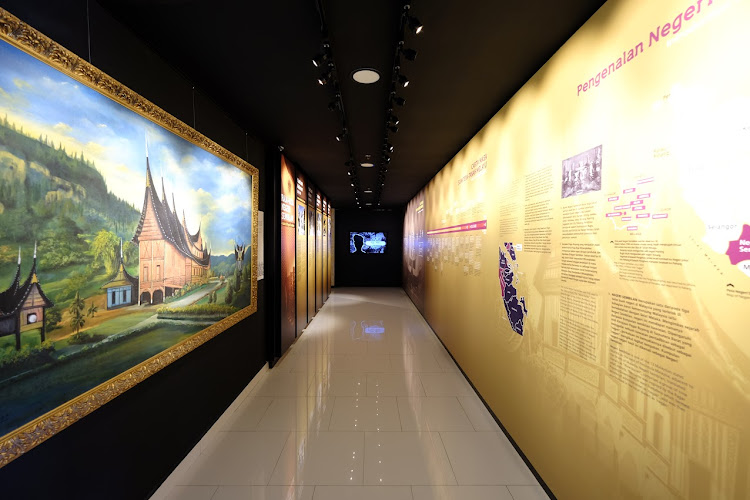
Royal Gallery Tuanku Ja'afar
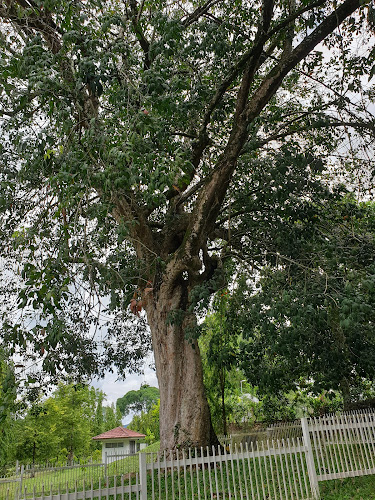
Pokok Getah Pertama Negeri Sembilan
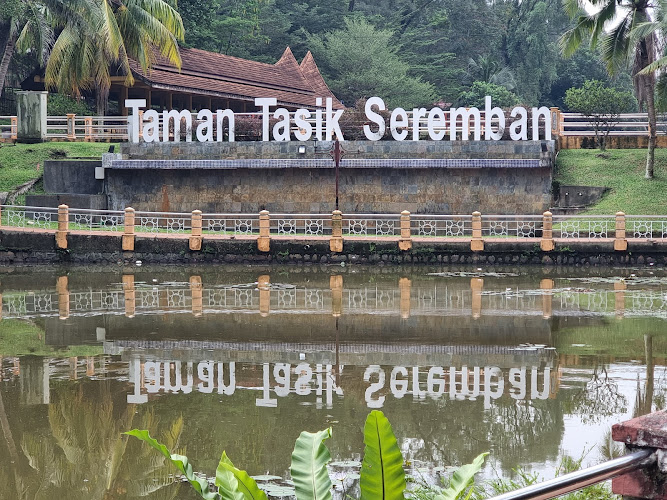
Taman Tasik Seremban
Find Accommodations Nearby
Recommended Tours & Activities
Visitor Reviews
There are no reviews yet. Be the first one to write one.
Share Your Experience
Have you visited Lembaga Muzium Negeri Sembilan? Help other travelers by leaving a review.