Sé Catedral
About Sé Catedral
Description
Standing as one of the most remarkable religious monuments you'll encounter, the Sé Catedral represents centuries of architectural brilliance and spiritual significance. This isn't just another church you check off your travel list – it's a place that genuinely makes you stop and think about the layers of history embedded in its walls. When I first walked through those doors, I wasn't prepared for how the space would make me feel small yet somehow connected to something much larger than myself. The cathedral serves as a powerful testament to the craftsmanship of another era. You can spend hours examining the details that architects and artisans poured their lives into creating. And honestly, that's exactly what many visitors end up doing. The building's presence dominates its surroundings in a way that's commanding without being oppressive, which is a delicate balance that few structures manage to achieve. What strikes most travelers upon entering is the sheer scale of devotion that went into every corner of this sacred space. The interiors reveal an attention to detail that modern construction rarely attempts anymore. Religious art adorns the walls, each piece telling stories that have been passed down through generations. The acoustics alone deserve mention – there's something about how sound travels through these ancient halls that adds another dimension to the experience. Families appreciate that the cathedral welcomes all visitors regardless of mobility challenges. The accessibility features ensure that everyone can explore and appreciate the beauty contained within, which speaks to the ongoing commitment to making this historic site available to contemporary audiences. It's refreshing to find a centuries-old building that has adapted to meet modern needs without compromising its essential character.Key Features
The Sé Catedral offers several distinctive elements that set it apart from other religious buildings travelers might visit:- Architectural magnificence that showcases the building techniques and aesthetic sensibilities of its construction period, with particular attention to structural elements that have withstood the test of time
- Full wheelchair accessibility throughout the premises, including dedicated parking areas that make arrival stress-free for visitors with mobility devices
- Accessible restroom facilities that maintain the same high standards of cleanliness and functionality found throughout the cathedral complex
- Religious artwork and decorative elements that provide insight into the spiritual traditions and cultural values of the community that built and maintained this space
- Acoustical properties that enhance the worship experience and create an atmosphere of reverence and contemplation
- Clothing recycling program that demonstrates the cathedral's commitment to environmental stewardship and community service beyond its purely religious functions
- Interior spaces designed to accommodate both large congregations and individual visitors seeking quiet reflection
- Architectural details in stone, wood, and other traditional materials that reveal the skill of craftspeople from earlier centuries
- Natural lighting effects that change throughout the day, creating different moods and highlighting various architectural features at different hours
- Public restroom facilities that serve the practical needs of visitors exploring the area
Best Time to Visit
Timing your visit to the Sé Catedral can significantly impact your experience, and I've learned this through both successful visits and one rather crowded afternoon that left me feeling like I was touring with half the city's population. Weekday mornings typically offer the most peaceful atmosphere for exploration. You'll find fewer tour groups and more opportunity to absorb the space at your own pace. If you're someone who likes to photograph architecture without strangers inadvertently becoming part of your composition, arriving between 9 and 11 AM on a Tuesday through Thursday usually works beautifully. But here's the thing – attending during active worship services provides an entirely different experience that's worth considering. The cathedral transforms when it's fulfilling its primary purpose. The music, the congregation, the rituals all add layers of meaning that you simply can't access when wandering through as a tourist during quiet hours. Sunday mornings naturally attract larger crowds, but they also showcase the building as a living, breathing center of community life rather than merely an architectural specimen. Weather considerations matter less for interior visits, obviously, though the exterior facade looks particularly stunning in the soft light of early morning or late afternoon. During local festival seasons, the cathedral often plays a central role in celebrations, which can mean restricted access or modified visiting hours. However, being present during these times allows you to witness traditions that connect directly to the building's ongoing cultural significance. Summer months bring increased tourist traffic, as you'd expect. If you're visiting during peak season, either arrive right when doors open or wait until later afternoon when day-trippers have moved on to their next destination. The shoulder seasons of spring and autumn offer ideal conditions – mild weather, manageable crowds, and the same magnificent architecture waiting to be discovered.How to Get There
Getting to the Sé Catedral is generally straightforward, though like most worthwhile destinations, it rewards a bit of planning ahead. For visitors using public transportation, the cathedral's central location makes it accessible via multiple bus routes that serve the surrounding area. Local transit maps clearly mark stops within easy walking distance, and asking drivers or fellow passengers for guidance usually results in helpful directions. I've found that showing a photo of the cathedral on your phone works wonders when language barriers exist – people immediately understand where you're trying to go. Those arriving by car will appreciate the wheelchair accessible parking lot, which eliminates the stress of finding suitable spaces near historic buildings where parking can be notoriously difficult. The lot provides convenient access without requiring you to navigate cobblestones or uneven surfaces common in older districts. Do check current parking fees and time restrictions, as these can vary seasonally or during special events. Taxi and rideshare services can drop passengers directly at the entrance area, making this an excellent option if you're traveling with young children or prefer door-to-door convenience. Just be aware that during busy periods, arranging pickup might take slightly longer due to traffic patterns around popular landmarks. Walking to the cathedral offers its own rewards, particularly if you're staying in the historic center. The surrounding streets contain architectural gems and local businesses that provide context for the cathedral's place within the community. I stumbled upon a small cafe during one such walk that served the best pastries I'd tasted in months – discoveries that wouldn't have happened if I'd driven directly to the destination.Tips for Visiting
Making the most of your cathedral visit involves more than just showing up. Here are practical suggestions based on what actually matters when you're there. Dress modestly out of respect for the religious nature of the space. This doesn't mean you need formal attire, but covering shoulders and knees demonstrates basic courtesy. Some visitors ignore these conventions and honestly, it creates awkward situations that benefit no one. A lightweight scarf in your bag can instantly solve any coverage issues if you've forgotten. Allow more time than you think you'll need. Rushing through diminishes the experience significantly. Plan for at least an hour, though two hours lets you truly appreciate the details without watching the clock. And if you end up spending less time, wonderful – you've got extra minutes to explore the surrounding neighborhood. Photography policies vary, so confirm current rules upon arrival. Some areas may prohibit flash photography or have restrictions during services. Being that person who ignores posted signs and disrupts others doesn't make you a bold traveler – it makes you inconsiderate. The cathedral's recycling program for clothing represents an often-overlooked opportunity to contribute to local community initiatives. If you're traveling with items you no longer need, participating in this program feels more meaningful than simply leaving things in your hotel room. It's a small gesture that supports ongoing charitable work. Visiting during different times of day creates remarkably different experiences. Morning light filtering through windows reveals colors and details that disappear by afternoon. Evening visits when the building is illuminated from within offer their own magic. If your schedule permits, consider returning at different hours to see how the space transforms. Bring water and use the restroom facilities before beginning your exploration. While facilities are available, it's more comfortable to handle these practical matters upfront so you can focus on the experience itself rather than physical discomforts. Consider hiring a local guide if you want deeper historical and cultural context. Self-guided visits work perfectly well, but knowledgeable guides reveal stories and details that plaques and brochures miss entirely. The investment often proves worthwhile, especially for first-time visitors. Finally, take moments to simply sit and observe. The cathedral functions as more than a museum piece – it remains an active space where people pray, reflect, and seek meaning. Witnessing that human dimension adds depth that no architectural description can capture. Some of my most memorable travel moments have come not from checking off famous sites but from sitting quietly and watching how spaces shape human behavior and emotion.Key Features
- Seat of the Diocese of Benguela (Cathedral status)
- Mid-20th century Portuguese-influenced architecture
- Well-kept exterior garden and prominent city-square location
- Interior nave with devotional art and stained-glass elements
- Central location on Avenida Dr. Agostinho Neto near shops and hotels
More Details
Updated March 30, 2026
Table of Contents
Description
Standing as one of the most remarkable religious monuments you’ll encounter, the Sé Catedral represents centuries of architectural brilliance and spiritual significance. This isn’t just another church you check off your travel list – it’s a place that genuinely makes you stop and think about the layers of history embedded in its walls. When I first walked through those doors, I wasn’t prepared for how the space would make me feel small yet somehow connected to something much larger than myself.
The cathedral serves as a powerful testament to the craftsmanship of another era. You can spend hours examining the details that architects and artisans poured their lives into creating. And honestly, that’s exactly what many visitors end up doing. The building’s presence dominates its surroundings in a way that’s commanding without being oppressive, which is a delicate balance that few structures manage to achieve.
What strikes most travelers upon entering is the sheer scale of devotion that went into every corner of this sacred space. The interiors reveal an attention to detail that modern construction rarely attempts anymore. Religious art adorns the walls, each piece telling stories that have been passed down through generations. The acoustics alone deserve mention – there’s something about how sound travels through these ancient halls that adds another dimension to the experience.
Families appreciate that the cathedral welcomes all visitors regardless of mobility challenges. The accessibility features ensure that everyone can explore and appreciate the beauty contained within, which speaks to the ongoing commitment to making this historic site available to contemporary audiences. It’s refreshing to find a centuries-old building that has adapted to meet modern needs without compromising its essential character.
Key Features
The Sé Catedral offers several distinctive elements that set it apart from other religious buildings travelers might visit:
- Architectural magnificence that showcases the building techniques and aesthetic sensibilities of its construction period, with particular attention to structural elements that have withstood the test of time
- Full wheelchair accessibility throughout the premises, including dedicated parking areas that make arrival stress-free for visitors with mobility devices
- Accessible restroom facilities that maintain the same high standards of cleanliness and functionality found throughout the cathedral complex
- Religious artwork and decorative elements that provide insight into the spiritual traditions and cultural values of the community that built and maintained this space
- Acoustical properties that enhance the worship experience and create an atmosphere of reverence and contemplation
- Clothing recycling program that demonstrates the cathedral’s commitment to environmental stewardship and community service beyond its purely religious functions
- Interior spaces designed to accommodate both large congregations and individual visitors seeking quiet reflection
- Architectural details in stone, wood, and other traditional materials that reveal the skill of craftspeople from earlier centuries
- Natural lighting effects that change throughout the day, creating different moods and highlighting various architectural features at different hours
- Public restroom facilities that serve the practical needs of visitors exploring the area
Best Time to Visit
Timing your visit to the Sé Catedral can significantly impact your experience, and I’ve learned this through both successful visits and one rather crowded afternoon that left me feeling like I was touring with half the city’s population.
Weekday mornings typically offer the most peaceful atmosphere for exploration. You’ll find fewer tour groups and more opportunity to absorb the space at your own pace. If you’re someone who likes to photograph architecture without strangers inadvertently becoming part of your composition, arriving between 9 and 11 AM on a Tuesday through Thursday usually works beautifully.
But here’s the thing – attending during active worship services provides an entirely different experience that’s worth considering. The cathedral transforms when it’s fulfilling its primary purpose. The music, the congregation, the rituals all add layers of meaning that you simply can’t access when wandering through as a tourist during quiet hours. Sunday mornings naturally attract larger crowds, but they also showcase the building as a living, breathing center of community life rather than merely an architectural specimen.
Weather considerations matter less for interior visits, obviously, though the exterior facade looks particularly stunning in the soft light of early morning or late afternoon. During local festival seasons, the cathedral often plays a central role in celebrations, which can mean restricted access or modified visiting hours. However, being present during these times allows you to witness traditions that connect directly to the building’s ongoing cultural significance.
Summer months bring increased tourist traffic, as you’d expect. If you’re visiting during peak season, either arrive right when doors open or wait until later afternoon when day-trippers have moved on to their next destination. The shoulder seasons of spring and autumn offer ideal conditions – mild weather, manageable crowds, and the same magnificent architecture waiting to be discovered.
How to Get There
Getting to the Sé Catedral is generally straightforward, though like most worthwhile destinations, it rewards a bit of planning ahead.
For visitors using public transportation, the cathedral’s central location makes it accessible via multiple bus routes that serve the surrounding area. Local transit maps clearly mark stops within easy walking distance, and asking drivers or fellow passengers for guidance usually results in helpful directions. I’ve found that showing a photo of the cathedral on your phone works wonders when language barriers exist – people immediately understand where you’re trying to go.
Those arriving by car will appreciate the wheelchair accessible parking lot, which eliminates the stress of finding suitable spaces near historic buildings where parking can be notoriously difficult. The lot provides convenient access without requiring you to navigate cobblestones or uneven surfaces common in older districts. Do check current parking fees and time restrictions, as these can vary seasonally or during special events.
Taxi and rideshare services can drop passengers directly at the entrance area, making this an excellent option if you’re traveling with young children or prefer door-to-door convenience. Just be aware that during busy periods, arranging pickup might take slightly longer due to traffic patterns around popular landmarks.
Walking to the cathedral offers its own rewards, particularly if you’re staying in the historic center. The surrounding streets contain architectural gems and local businesses that provide context for the cathedral’s place within the community. I stumbled upon a small cafe during one such walk that served the best pastries I’d tasted in months – discoveries that wouldn’t have happened if I’d driven directly to the destination.
Tips for Visiting
Making the most of your cathedral visit involves more than just showing up. Here are practical suggestions based on what actually matters when you’re there.
Dress modestly out of respect for the religious nature of the space. This doesn’t mean you need formal attire, but covering shoulders and knees demonstrates basic courtesy. Some visitors ignore these conventions and honestly, it creates awkward situations that benefit no one. A lightweight scarf in your bag can instantly solve any coverage issues if you’ve forgotten.
Allow more time than you think you’ll need. Rushing through diminishes the experience significantly. Plan for at least an hour, though two hours lets you truly appreciate the details without watching the clock. And if you end up spending less time, wonderful – you’ve got extra minutes to explore the surrounding neighborhood.
Photography policies vary, so confirm current rules upon arrival. Some areas may prohibit flash photography or have restrictions during services. Being that person who ignores posted signs and disrupts others doesn’t make you a bold traveler – it makes you inconsiderate.
The cathedral’s recycling program for clothing represents an often-overlooked opportunity to contribute to local community initiatives. If you’re traveling with items you no longer need, participating in this program feels more meaningful than simply leaving things in your hotel room. It’s a small gesture that supports ongoing charitable work.
Visiting during different times of day creates remarkably different experiences. Morning light filtering through windows reveals colors and details that disappear by afternoon. Evening visits when the building is illuminated from within offer their own magic. If your schedule permits, consider returning at different hours to see how the space transforms.
Bring water and use the restroom facilities before beginning your exploration. While facilities are available, it’s more comfortable to handle these practical matters upfront so you can focus on the experience itself rather than physical discomforts.
Consider hiring a local guide if you want deeper historical and cultural context. Self-guided visits work perfectly well, but knowledgeable guides reveal stories and details that plaques and brochures miss entirely. The investment often proves worthwhile, especially for first-time visitors.
Finally, take moments to simply sit and observe. The cathedral functions as more than a museum piece – it remains an active space where people pray, reflect, and seek meaning. Witnessing that human dimension adds depth that no architectural description can capture. Some of my most memorable travel moments have come not from checking off famous sites but from sitting quietly and watching how spaces shape human behavior and emotion.
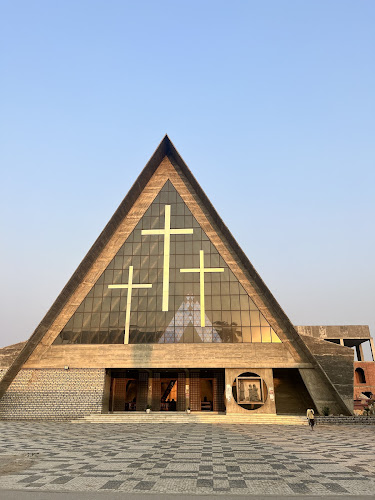
Key Highlights
- Seat of the Diocese of Benguela (Cathedral status)
- Mid-20th century Portuguese-influenced architecture
- Well-kept exterior garden and prominent city-square location
- Interior nave with devotional art and stained-glass elements
- Central location on Avenida Dr. Agostinho Neto near shops and hotels
Location
Places to Stay Near Sé Catedral
Find and Book a Tour
Explore More Travel Guides
No reviews found! Be the first to review!
Sé Catedral is a prominent Catedral located in Benguela.
Visit us at: CC72+PX5, Benguela, Angola.
Traveler Reviews for Sé Catedral
There are no reviews yet. Be the first one to write one.
Have you visited Sé Catedral? Help other travelers by sharing your review.
Nearby Attractions
Find Accommodations Nearby
Recommended Tours & Activities
Visitor Reviews
There are no reviews yet. Be the first one to write one.
Share Your Experience
Have you visited Sé Catedral? Help other travelers by leaving a review.
