
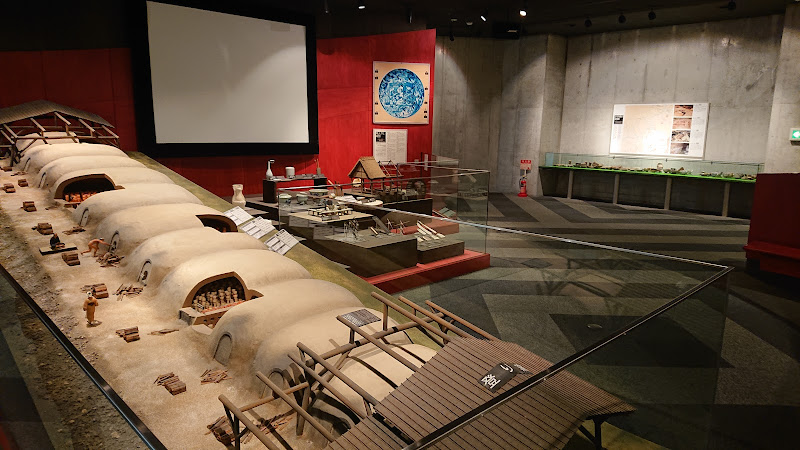
Sasebo Historical Pottery Museum
About Sasebo Historical Pottery Museum
Description
The Sasebo Historical Pottery Museum, known locally as うつわ歴史館, sits as a thoughtful celebration of ceramic life in Sasebo and the wider Nagasaki region. It presents the story of clay turned to vessel, and the human hands and kilns behind it, in a calm, deliberate way. Visitors encounter displays that range from archaeological fragments and practical everyday ware to finely painted porcelain that hints at export ties to other parts of Japan and the world. The museum quietly foregrounds Mikawachi ware traditions alongside broader Kyushu ceramic practices, so anyone curious about Japanese pottery will find threads that connect local makers to national craft histories.
This description aims to be practical and honest. The museum is compact rather than sprawling, which many travelers will like — it is an easy stop on a half-day itinerary through Sasebo or a focused destination for pottery enthusiasts. Inside, the lighting is soft, labels are clear, and there is a sense that each object was chosen to tell a precise story: about technique, about trade, about daily life. The building itself is unassuming; the focus is on objects and context rather than architectural showmanship. That suits the subject. Pottery is humble material given a chance to speak for itself.
Exhibits rotate between thematic displays and deep dives into local kiln traditions. One can trace design shifts by decades, notice how glaze formulas evolved, and learn why certain motifs recur on teabowls or plates. The museum does a good job balancing technical detail with accessible explanations. For example, technical notes about porcelain firing temperatures or kiln types sit beside photographs of potters at work and diagrams of potter’s wheels. That mix makes it appealing both to collectors and to people who are simply looking for a memorable cultural stop.
Accessibility is one of the museum’s quieter strengths. There is a wheelchair accessible restroom, and paths inside are generally navigable for visitors with mobility concerns. Not everything is perfectly modernized — this is a regional history museum — but staff tend to be helpful and patient, which matters as much as ramps sometimes. Restroom facilities are available, though there is no on-site restaurant, so plan for snacks or a meal elsewhere. A brief aside: the nearby shops and cafés in Sasebo often sell small plates and local treats, and pairing a pottery visit with a leisurely lunch is a small pleasure many visitors recommend.
The tone inside the galleries is conversational. Labels will sometimes point out surprising uses for plain-looking bowls, or note how small imperfections reveal a maker’s fingerprint. Those intimate details are what linger after a visit: a memory of a thumbprint in the base of a bowl, or the curious sound a porcelain cup makes when tapped. The museum encourages hands-on learning in measured ways. While fragile pieces are behind glass, demonstrations or occasional workshops give visitors a chance to feel clay and try simple shaping techniques. If you like getting your hands dirty, check ahead for scheduled pottery-making sessions; they tend to be small, local, and delightfully unpolished.
For photographers and Instagram-minded travelers, the museum offers composition-friendly displays: muted tones, natural textures, and close-up opportunities. But be mindful of museum photography rules; flash is usually discouraged and some rooms may restrict pictures. The museum’s atmosphere is quietly respectful, so loud group tours or rambunctious behavior feel out of place. That said, families do bring children, and the museum often includes accessible explanations and hands-on corners designed for young visitors. It’s a good spot to introduce kids to craft traditions without overwhelming them.
Context matters here. Mikawachi ware is part of a lineage that includes famous neighboring styles like Arita and Hasami, but Mikawachi has its own identity: a focus on elegant shapes, subtle glazes, and sometimes restrained painting. The Sasebo Historical Pottery Museum situates these attributes alongside the social history of the area — how pots were used in fishing communities, how ceramics traveled on coastal trade routes, and how local tastes shaped production. Those connections make the museum more than an object gallery; it becomes a small social history center, tracing the interplay of craft, commerce, and daily life in this corner of Nagasaki prefecture.
Visitors often report pleasant surprises in the museum’s collection. A simple rice bowl can carry centuries of technique, or a display case might reveal how wartime shortages altered glaze recipes and shapes. The museum does not oversell its collection with grand claims, which is refreshing. Instead it invites curiosity: notice the repair marks, read the label about a 19th-century kiln site, imagine the hands that shaped that teacup before breakfast in a farmhouse long gone. The writer remembers a rainy afternoon visit when a docent pointed out a tiny glaze drip that, it turned out, was a maker’s signature. That small human detail made the museum feel intimate and alive, not merely an archive.
In terms of visitor experience, the Sasebo Historical Pottery Museum sits comfortably between specialist museums and local cultural centers. It’s neither a large national museum nor a tiny hobbyist display. That middle ground has advantages: it is rigorous enough for students and collectors yet relaxed enough for casual travelers who want a meaningful stop without a full day’s commitment. And because it’s less crowded than major tourist sites, visitors can spend personal time with objects, linger over labels, and ask staff questions without feeling rushed.
Educational programming is another area where the museum quietly excels. Temporary exhibits often collaborate with local potters and schools, creating a pipeline between living craft and historical interpretation. The museum sometimes hosts lectures on kiln archaeology, demonstrations of traditional glazing techniques, and small-scale markets where visitors can buy pieces made by resident artisans. Those markets are worth timing a visit for, because they offer direct contact with makers and the chance to purchase work that has meaning rooted in place.
Practical considerations for travelers: the museum is best paired with other Sasebo attractions. Many visitors combine it with a harbor walk, a meal of local seafood, or a short trip to the Kujukushima island viewpoints. Because there is no restaurant on-site, planning food is sensible. And if rain is in the forecast, the museum is a great indoor option that still feels connected to local culture. In fair weather it’s equally pleasant because you can start inside to learn context and then step out to see how the town’s visual textures echo the pottery’s understated palette.
From an SEO perspective, this place will attract searches from travelers seeking local museums in Sasebo, ceramic art fans researching Mikawachi ware, and cultural visitors planning a Nagasaki prefecture itinerary. Keywords like Sasebo Historical Pottery Museum, Sasebo museum, pottery, ceramic art, Mikawachi ware, and うつわ歴史館 are natural fit. The museum appeals to small-group travelers, pottery students, and curious solo explorers. It rewards slow attention; people who skim will miss the small, telling details that make the collection sing.
One gentle warning: opinions on small regional museums can vary. Some visitors expecting a large, flashy show may leave feeling a bit underwhelmed. But many others appreciate the museum’s focused, measured approach to storytelling. The tone of the exhibits is more educational than theatrical, and that suits those who want depth. If a visitor brings high expectations for a blockbuster experience, recalibrate: this museum excels at depth, nuance, and local specificity rather than scale.
Finally, the Sasebo Historical Pottery Museum is a reminder that ceramic culture is both everyday and extraordinary. It takes ordinary forms — bowls, plates, jars — and shows how these objects anchor memory, identity, and craft. For travelers who love material culture, for learners who want to trace technique to history, and for quiet minds looking for a reflective stop in Sasebo, the museum offers rewards that grow the longer one looks. The writer suggests taking at least an hour, maybe more if workshops or events are on. Bring curiosity, a notepad if you like, and comfortable shoes. And pause to listen; sometimes the best insights arrive when the gallery is quiet and the vessels seem to speak in soft, clay-thickened whispers.
Key Features
More Details
Updated August 30, 2025
Table of Contents
Description
The Sasebo Historical Pottery Museum, known locally as うつわ歴史館, sits as a thoughtful celebration of ceramic life in Sasebo and the wider Nagasaki region. It presents the story of clay turned to vessel, and the human hands and kilns behind it, in a calm, deliberate way. Visitors encounter displays that range from archaeological fragments and practical everyday ware to finely painted porcelain that hints at export ties to other parts of Japan and the world. The museum quietly foregrounds Mikawachi ware traditions alongside broader Kyushu ceramic practices, so anyone curious about Japanese pottery will find threads that connect local makers to national craft histories.
This description aims to be practical and honest. The museum is compact rather than sprawling, which many travelers will like — it is an easy stop on a half-day itinerary through Sasebo or a focused destination for pottery enthusiasts. Inside, the lighting is soft, labels are clear, and there is a sense that each object was chosen to tell a precise story: about technique, about trade, about daily life. The building itself is unassuming; the focus is on objects and context rather than architectural showmanship. That suits the subject. Pottery is humble material given a chance to speak for itself.
Exhibits rotate between thematic displays and deep dives into local kiln traditions. One can trace design shifts by decades, notice how glaze formulas evolved, and learn why certain motifs recur on teabowls or plates. The museum does a good job balancing technical detail with accessible explanations. For example, technical notes about porcelain firing temperatures or kiln types sit beside photographs of potters at work and diagrams of potter’s wheels. That mix makes it appealing both to collectors and to people who are simply looking for a memorable cultural stop.
Accessibility is one of the museum’s quieter strengths. There is a wheelchair accessible restroom, and paths inside are generally navigable for visitors with mobility concerns. Not everything is perfectly modernized — this is a regional history museum — but staff tend to be helpful and patient, which matters as much as ramps sometimes. Restroom facilities are available, though there is no on-site restaurant, so plan for snacks or a meal elsewhere. A brief aside: the nearby shops and cafés in Sasebo often sell small plates and local treats, and pairing a pottery visit with a leisurely lunch is a small pleasure many visitors recommend.
The tone inside the galleries is conversational. Labels will sometimes point out surprising uses for plain-looking bowls, or note how small imperfections reveal a maker’s fingerprint. Those intimate details are what linger after a visit: a memory of a thumbprint in the base of a bowl, or the curious sound a porcelain cup makes when tapped. The museum encourages hands-on learning in measured ways. While fragile pieces are behind glass, demonstrations or occasional workshops give visitors a chance to feel clay and try simple shaping techniques. If you like getting your hands dirty, check ahead for scheduled pottery-making sessions; they tend to be small, local, and delightfully unpolished.
For photographers and Instagram-minded travelers, the museum offers composition-friendly displays: muted tones, natural textures, and close-up opportunities. But be mindful of museum photography rules; flash is usually discouraged and some rooms may restrict pictures. The museum’s atmosphere is quietly respectful, so loud group tours or rambunctious behavior feel out of place. That said, families do bring children, and the museum often includes accessible explanations and hands-on corners designed for young visitors. It’s a good spot to introduce kids to craft traditions without overwhelming them.
Context matters here. Mikawachi ware is part of a lineage that includes famous neighboring styles like Arita and Hasami, but Mikawachi has its own identity: a focus on elegant shapes, subtle glazes, and sometimes restrained painting. The Sasebo Historical Pottery Museum situates these attributes alongside the social history of the area — how pots were used in fishing communities, how ceramics traveled on coastal trade routes, and how local tastes shaped production. Those connections make the museum more than an object gallery; it becomes a small social history center, tracing the interplay of craft, commerce, and daily life in this corner of Nagasaki prefecture.
Visitors often report pleasant surprises in the museum’s collection. A simple rice bowl can carry centuries of technique, or a display case might reveal how wartime shortages altered glaze recipes and shapes. The museum does not oversell its collection with grand claims, which is refreshing. Instead it invites curiosity: notice the repair marks, read the label about a 19th-century kiln site, imagine the hands that shaped that teacup before breakfast in a farmhouse long gone. The writer remembers a rainy afternoon visit when a docent pointed out a tiny glaze drip that, it turned out, was a maker’s signature. That small human detail made the museum feel intimate and alive, not merely an archive.
In terms of visitor experience, the Sasebo Historical Pottery Museum sits comfortably between specialist museums and local cultural centers. It’s neither a large national museum nor a tiny hobbyist display. That middle ground has advantages: it is rigorous enough for students and collectors yet relaxed enough for casual travelers who want a meaningful stop without a full day’s commitment. And because it’s less crowded than major tourist sites, visitors can spend personal time with objects, linger over labels, and ask staff questions without feeling rushed.
Educational programming is another area where the museum quietly excels. Temporary exhibits often collaborate with local potters and schools, creating a pipeline between living craft and historical interpretation. The museum sometimes hosts lectures on kiln archaeology, demonstrations of traditional glazing techniques, and small-scale markets where visitors can buy pieces made by resident artisans. Those markets are worth timing a visit for, because they offer direct contact with makers and the chance to purchase work that has meaning rooted in place.
Practical considerations for travelers: the museum is best paired with other Sasebo attractions. Many visitors combine it with a harbor walk, a meal of local seafood, or a short trip to the Kujukushima island viewpoints. Because there is no restaurant on-site, planning food is sensible. And if rain is in the forecast, the museum is a great indoor option that still feels connected to local culture. In fair weather it’s equally pleasant because you can start inside to learn context and then step out to see how the town’s visual textures echo the pottery’s understated palette.
From an SEO perspective, this place will attract searches from travelers seeking local museums in Sasebo, ceramic art fans researching Mikawachi ware, and cultural visitors planning a Nagasaki prefecture itinerary. Keywords like Sasebo Historical Pottery Museum, Sasebo museum, pottery, ceramic art, Mikawachi ware, and うつわ歴史館 are natural fit. The museum appeals to small-group travelers, pottery students, and curious solo explorers. It rewards slow attention; people who skim will miss the small, telling details that make the collection sing.
One gentle warning: opinions on small regional museums can vary. Some visitors expecting a large, flashy show may leave feeling a bit underwhelmed. But many others appreciate the museum’s focused, measured approach to storytelling. The tone of the exhibits is more educational than theatrical, and that suits those who want depth. If a visitor brings high expectations for a blockbuster experience, recalibrate: this museum excels at depth, nuance, and local specificity rather than scale.
Finally, the Sasebo Historical Pottery Museum is a reminder that ceramic culture is both everyday and extraordinary. It takes ordinary forms — bowls, plates, jars — and shows how these objects anchor memory, identity, and craft. For travelers who love material culture, for learners who want to trace technique to history, and for quiet minds looking for a reflective stop in Sasebo, the museum offers rewards that grow the longer one looks. The writer suggests taking at least an hour, maybe more if workshops or events are on. Bring curiosity, a notepad if you like, and comfortable shoes. And pause to listen; sometimes the best insights arrive when the gallery is quiet and the vessels seem to speak in soft, clay-thickened whispers.
Key Highlights
Sasebo Historical Pottery Museum
Location
Places to Stay Near Sasebo Historical Pottery Museum
Find and Book a Tour
Explore More Travel Guides
No reviews found! Be the first to review!
Traveler Reviews for Sasebo Historical Pottery Museum
There are no reviews yet. Be the first one to write one.
Have you visited Sasebo Historical Pottery Museum? Help other travelers by sharing your review.
You Might Also Like
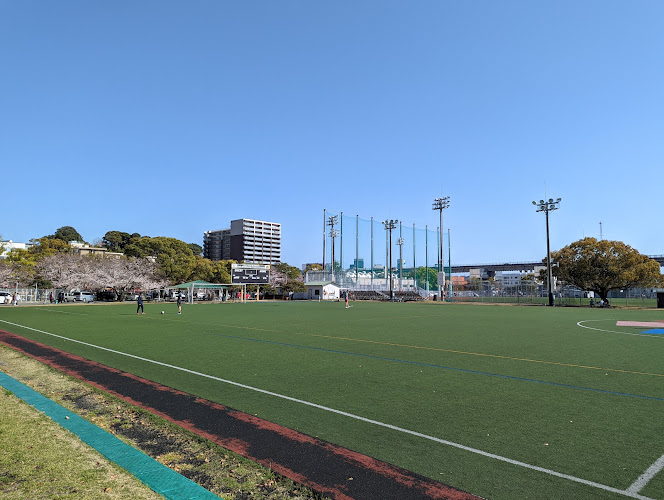
Nimitz Park
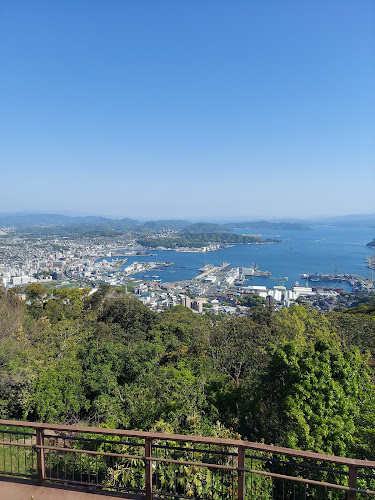
Yumihari Park

Saikaibashi Park
Find Accommodations Nearby
Recommended Tours & Activities
Visitor Reviews
There are no reviews yet. Be the first one to write one.
Share Your Experience
Have you visited Sasebo Historical Pottery Museum? Help other travelers by leaving a review.