

Sarbamangala Temple Bardhaman
About Sarbamangala Temple Bardhaman
Description
There’s something about the Sarbamangala Temple in Bardhaman that makes you pause for a moment, even if you’re not particularly religious. Maybe it’s the faint scent of incense that lingers in the air, or the rhythmic ringing of temple bells that seem to echo through time. Built around 1702 by Maharaja Kirtichand, this temple complex is one of those places where history doesn’t just sit quietly—it whispers stories if you care to listen. The shrine is dedicated to Goddess Sarbamangala, believed to be a form of Goddess Durga, and according to local lore, it marks the spot where the navel of the goddess fell, making it a revered Shakti Peetha.
The temple architecture is a beautiful example of Bengal’s traditional nabaratna style—nine spires rising gracefully above the sanctum, each one carefully crafted. The idol of the goddess is said to be over a thousand years old, older than the structure itself, and that alone gives the place a sense of timelessness. The main shrine is surrounded by smaller shrines dedicated to Lord Shiva, each housing a Shiva Lingam. The air here feels charged yet peaceful, as if the divine and the everyday coexist in perfect balance.
Visitors often describe the temple as both spiritual and grounding. It’s not just about rituals or offerings; it’s about the feeling of connection—to faith, to heritage, to something far bigger than oneself. I remember the first time I visited, I stood under the shade of an old banyan tree inside the complex, just watching people go about their prayers. Some were lighting lamps, others chatting softly, and a few simply sitting in silence. It was in that quiet moment that I realized—this place isn’t just a temple; it’s a living, breathing part of Bardhaman’s soul.
And while most people come here for worship, travelers often find themselves enchanted by the artistic carvings and the calm gardens that surround the temple. The gardens, with their trimmed hedges and little pathways, are perfect for a slow stroll after darshan. The temple grounds are clean and well-maintained, with amenities like restrooms and wheelchair accessibility that make it easier for everyone to visit comfortably.
Of course, not every experience here is perfect. During peak festivals, especially around Durga Puja or Navratri, the crowds can be overwhelming. You might have to wait in long lines or deal with a bit of chaos. But even then, there’s a strange kind of beauty in that energy—the collective devotion of thousands of people gathered in one sacred space. And if you visit on a quieter day, the serenity of the temple can be almost meditative.
Key Features
- Historic Significance: Built in 1702 by Maharaja Kirtichand, the temple has stood as a symbol of devotion and royal patronage for over three centuries.
- Architectural Beauty: The temple follows the classic nabaratna (nine-tower) design, characteristic of Bengal’s temple architecture.
- Ancient Idol: The idol of Goddess Sarbamangala is believed to be over 1000 years old, making it one of the oldest in the region.
- Spiritual Importance: Recognized as one of the Shakti Peethas, it holds deep mythological and religious value for devotees of Shaktism.
- Peaceful Gardens: The temple complex includes beautifully maintained gardens that offer a serene environment for reflection.
- Accessibility: The site includes wheelchair-accessible entrances and parking facilities, ensuring inclusivity for all visitors.
- Other Shrines: Several smaller temples dedicated to Lord Shiva surround the main shrine, adding to the spiritual ambiance.
- Local Culture: The temple often hosts community gatherings, traditional music, and festive celebrations that reflect the cultural heritage of Bardhaman.
Best Time to Visit
If you ask me, the best time to visit the Sarbamangala Temple is between October and February. The weather in Bardhaman during these months is mild—perfect for wandering around without breaking into a sweat. Plus, if you happen to visit during Durga Puja or Navratri, you’ll witness the temple in all its festive glory. The place bursts with color, devotion, and the sound of conch shells echoing through the corridors. But fair warning: it gets crowded, really crowded. So, if you prefer a quieter experience, visit early in the morning on a weekday. The temple opens around sunrise, and that first light hitting the temple spires is something you won’t forget.
Monsoon (June to September) brings a different charm altogether. The gardens look greener, the air feels fresher, and the temple’s red terracotta walls seem to glow against the cloudy sky. It’s less crowded too, though you might want to carry an umbrella because sudden showers are common. Summer, on the other hand, can be pretty intense here, with temperatures soaring above 35°C. Unless you’re used to the heat, it’s better to avoid midday visits during that time.
How to Get There
Reaching the Sarbamangala Temple is quite straightforward. Bardhaman is well-connected by road and rail, making it accessible from major cities like Kolkata, Durgapur, and Asansol. If you’re coming from Kolkata, you can take a local or express train from Howrah Junction—it takes about two hours to reach Bardhaman. From the railway station, the temple is just a short ride away; you can hop into an auto-rickshaw or a cycle rickshaw (which, by the way, is a fun experience in itself).
For those driving, the Grand Trunk Road (NH19) offers a smooth route. The drive from Kolkata takes around three hours depending on traffic. There’s parking available near the temple, though it can fill up quickly during festivals. And if you’re traveling from nearby towns, local buses and shared autos are frequent and inexpensive.
Personally, I love taking the train—it’s not just convenient but also gives you a glimpse of Bengal’s countryside. Fields of green, little ponds, and the occasional tea stall by the tracks—it’s a journey that feels as nostalgic as it is scenic.
Tips for Visiting
Before you pack your bags and head to Bardhaman, here are a few things to keep in mind that might make your visit smoother and more enjoyable:
- Go early in the day. Morning visits are peaceful, and the light is perfect for photography. Plus, you’ll avoid the rush that builds up later.
- Dress modestly. It’s a place of worship, so simple, respectful clothing is always appreciated. Cotton clothes work best in the local climate.
- Carry cash. While Bardhaman is modernizing fast, small shops and offerings inside the temple often prefer cash over digital payments.
- Remove footwear before entering. There’s a designated area for shoes near the entrance—don’t forget to collect your token.
- Stay hydrated. Especially if you’re visiting during summer. There are local stalls selling coconut water and lemonade nearby—try them, they’re refreshing!
- Photography etiquette. While the outer areas of the temple are usually fine for photos, avoid taking pictures inside the sanctum unless permitted.
- Plan around festivals. If you want to experience the temple’s vibrant energy, visit during Durga Puja or Navratri. But if you prefer peace, choose an off-season weekday.
- Explore beyond the temple. Bardhaman has other attractions like the 108 Shiva Temple complex and the Curzon Gate. A day trip can easily cover them all.
Most importantly, take your time here. Don’t rush through the rituals or the surroundings. Sit for a while, watch the devotees, listen to the chants, and just breathe it all in. Whether you come seeking blessings, history, or simply a moment of calm, the Sarbamangala Temple offers it all in its own quiet, unassuming way. It’s one of those places that stays with you long after you’ve left—like a soft echo of bells fading into memory.
Key Features
- Key Features
- Best Time to Visit
- How to Get There
- Tips for Visiting
More Details
Updated November 30, 2025
Table of Contents
Description
There’s something about the Sarbamangala Temple in Bardhaman that makes you pause for a moment, even if you’re not particularly religious. Maybe it’s the faint scent of incense that lingers in the air, or the rhythmic ringing of temple bells that seem to echo through time. Built around 1702 by Maharaja Kirtichand, this temple complex is one of those places where history doesn’t just sit quietly—it whispers stories if you care to listen. The shrine is dedicated to Goddess Sarbamangala, believed to be a form of Goddess Durga, and according to local lore, it marks the spot where the navel of the goddess fell, making it a revered Shakti Peetha.
The temple architecture is a beautiful example of Bengal’s traditional nabaratna style—nine spires rising gracefully above the sanctum, each one carefully crafted. The idol of the goddess is said to be over a thousand years old, older than the structure itself, and that alone gives the place a sense of timelessness. The main shrine is surrounded by smaller shrines dedicated to Lord Shiva, each housing a Shiva Lingam. The air here feels charged yet peaceful, as if the divine and the everyday coexist in perfect balance.
Visitors often describe the temple as both spiritual and grounding. It’s not just about rituals or offerings; it’s about the feeling of connection—to faith, to heritage, to something far bigger than oneself. I remember the first time I visited, I stood under the shade of an old banyan tree inside the complex, just watching people go about their prayers. Some were lighting lamps, others chatting softly, and a few simply sitting in silence. It was in that quiet moment that I realized—this place isn’t just a temple; it’s a living, breathing part of Bardhaman’s soul.
And while most people come here for worship, travelers often find themselves enchanted by the artistic carvings and the calm gardens that surround the temple. The gardens, with their trimmed hedges and little pathways, are perfect for a slow stroll after darshan. The temple grounds are clean and well-maintained, with amenities like restrooms and wheelchair accessibility that make it easier for everyone to visit comfortably.
Of course, not every experience here is perfect. During peak festivals, especially around Durga Puja or Navratri, the crowds can be overwhelming. You might have to wait in long lines or deal with a bit of chaos. But even then, there’s a strange kind of beauty in that energy—the collective devotion of thousands of people gathered in one sacred space. And if you visit on a quieter day, the serenity of the temple can be almost meditative.
Key Features
- Historic Significance: Built in 1702 by Maharaja Kirtichand, the temple has stood as a symbol of devotion and royal patronage for over three centuries.
- Architectural Beauty: The temple follows the classic nabaratna (nine-tower) design, characteristic of Bengal’s temple architecture.
- Ancient Idol: The idol of Goddess Sarbamangala is believed to be over 1000 years old, making it one of the oldest in the region.
- Spiritual Importance: Recognized as one of the Shakti Peethas, it holds deep mythological and religious value for devotees of Shaktism.
- Peaceful Gardens: The temple complex includes beautifully maintained gardens that offer a serene environment for reflection.
- Accessibility: The site includes wheelchair-accessible entrances and parking facilities, ensuring inclusivity for all visitors.
- Other Shrines: Several smaller temples dedicated to Lord Shiva surround the main shrine, adding to the spiritual ambiance.
- Local Culture: The temple often hosts community gatherings, traditional music, and festive celebrations that reflect the cultural heritage of Bardhaman.
Best Time to Visit
If you ask me, the best time to visit the Sarbamangala Temple is between October and February. The weather in Bardhaman during these months is mild—perfect for wandering around without breaking into a sweat. Plus, if you happen to visit during Durga Puja or Navratri, you’ll witness the temple in all its festive glory. The place bursts with color, devotion, and the sound of conch shells echoing through the corridors. But fair warning: it gets crowded, really crowded. So, if you prefer a quieter experience, visit early in the morning on a weekday. The temple opens around sunrise, and that first light hitting the temple spires is something you won’t forget.
Monsoon (June to September) brings a different charm altogether. The gardens look greener, the air feels fresher, and the temple’s red terracotta walls seem to glow against the cloudy sky. It’s less crowded too, though you might want to carry an umbrella because sudden showers are common. Summer, on the other hand, can be pretty intense here, with temperatures soaring above 35°C. Unless you’re used to the heat, it’s better to avoid midday visits during that time.
How to Get There
Reaching the Sarbamangala Temple is quite straightforward. Bardhaman is well-connected by road and rail, making it accessible from major cities like Kolkata, Durgapur, and Asansol. If you’re coming from Kolkata, you can take a local or express train from Howrah Junction—it takes about two hours to reach Bardhaman. From the railway station, the temple is just a short ride away; you can hop into an auto-rickshaw or a cycle rickshaw (which, by the way, is a fun experience in itself).
For those driving, the Grand Trunk Road (NH19) offers a smooth route. The drive from Kolkata takes around three hours depending on traffic. There’s parking available near the temple, though it can fill up quickly during festivals. And if you’re traveling from nearby towns, local buses and shared autos are frequent and inexpensive.
Personally, I love taking the train—it’s not just convenient but also gives you a glimpse of Bengal’s countryside. Fields of green, little ponds, and the occasional tea stall by the tracks—it’s a journey that feels as nostalgic as it is scenic.
Tips for Visiting
Before you pack your bags and head to Bardhaman, here are a few things to keep in mind that might make your visit smoother and more enjoyable:
- Go early in the day. Morning visits are peaceful, and the light is perfect for photography. Plus, you’ll avoid the rush that builds up later.
- Dress modestly. It’s a place of worship, so simple, respectful clothing is always appreciated. Cotton clothes work best in the local climate.
- Carry cash. While Bardhaman is modernizing fast, small shops and offerings inside the temple often prefer cash over digital payments.
- Remove footwear before entering. There’s a designated area for shoes near the entrance—don’t forget to collect your token.
- Stay hydrated. Especially if you’re visiting during summer. There are local stalls selling coconut water and lemonade nearby—try them, they’re refreshing!
- Photography etiquette. While the outer areas of the temple are usually fine for photos, avoid taking pictures inside the sanctum unless permitted.
- Plan around festivals. If you want to experience the temple’s vibrant energy, visit during Durga Puja or Navratri. But if you prefer peace, choose an off-season weekday.
- Explore beyond the temple. Bardhaman has other attractions like the 108 Shiva Temple complex and the Curzon Gate. A day trip can easily cover them all.
Most importantly, take your time here. Don’t rush through the rituals or the surroundings. Sit for a while, watch the devotees, listen to the chants, and just breathe it all in. Whether you come seeking blessings, history, or simply a moment of calm, the Sarbamangala Temple offers it all in its own quiet, unassuming way. It’s one of those places that stays with you long after you’ve left—like a soft echo of bells fading into memory.
Key Highlights
- Key Features
- Best Time to Visit
- How to Get There
- Tips for Visiting
Location
Places to Stay Near Sarbamangala Temple Bardhaman
Find and Book a Tour
Explore More Travel Guides
No reviews found! Be the first to review!
Traveler Reviews for Sarbamangala Temple Bardhaman
There are no reviews yet. Be the first one to write one.
Have you visited Sarbamangala Temple Bardhaman? Help other travelers by sharing your review.
You Might Also Like
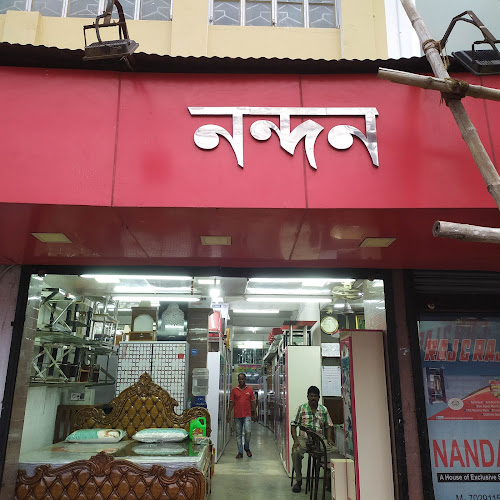
Patal Bazar
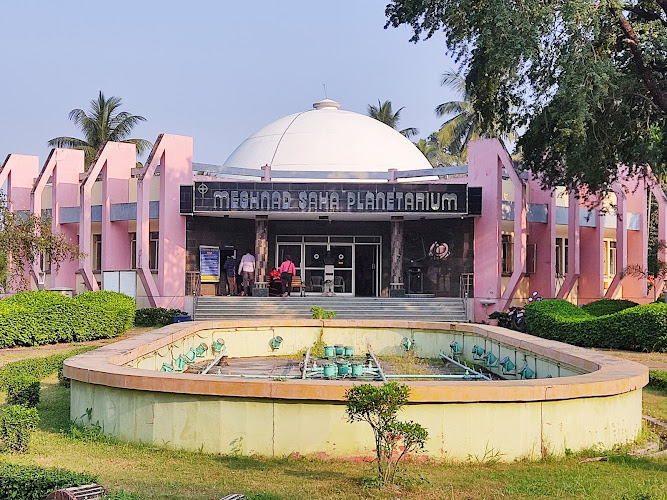
MEGHNAD SAHA PLANETORIUM
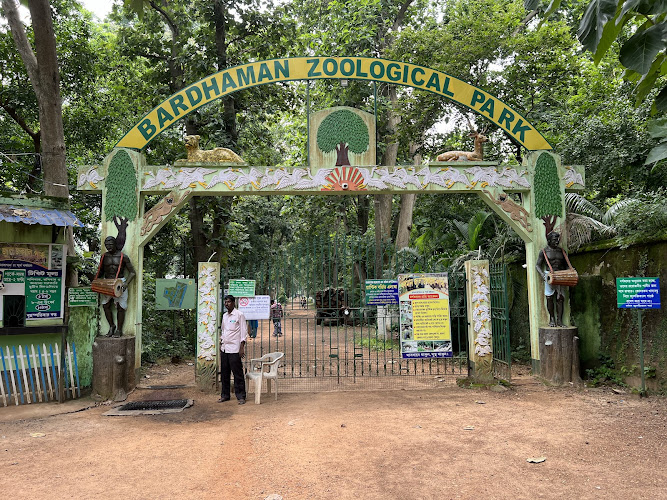
Ramnabagan Wildlife Sanctuary
Find Accommodations Nearby
Recommended Tours & Activities
Visitor Reviews
There are no reviews yet. Be the first one to write one.
Share Your Experience
Have you visited Sarbamangala Temple Bardhaman? Help other travelers by leaving a review.