
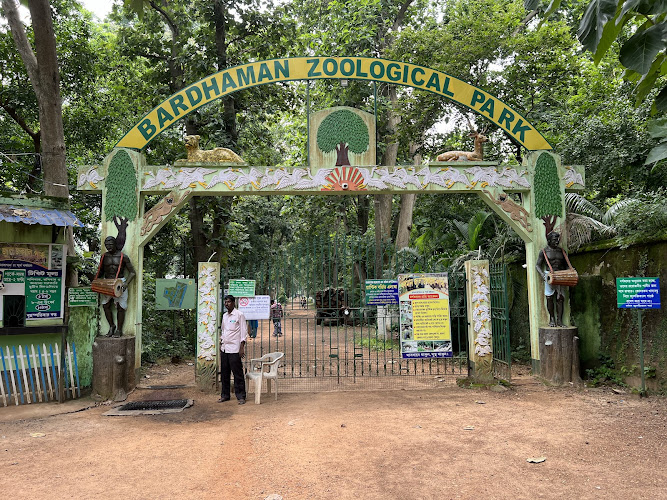
Ramnabagan Wildlife Sanctuary
About Ramnabagan Wildlife Sanctuary
Description
Ramnabagan Wildlife Sanctuary is one of those places that quietly surprises you. Tucked right within the heart of Bardhaman town, it’s a pocket of green serenity that feels miles away from the city’s humdrum. The sanctuary is a protected forest area, home to tall teak and sal trees, and a variety of animals including the ever-graceful spotted deer, playful langurs, and a growing number of blackbucks that have been recently introduced. It’s not a massive national park by any means, but that’s actually part of its charm — you don’t need to trek for hours to feel close to nature here.
There’s something oddly calming about walking through the shaded trails, hearing the rustle of leaves, and catching a glimpse of deer darting between the trees. I remember my first visit here — it was early morning, the mist still hung low, and the forest smelled of damp earth and sal leaves. It reminded me how grounding it can be to just pause and breathe in clean air. The sanctuary may not boast tigers or elephants, but its simplicity and accessibility make it a perfect little escape for families, students, and anyone craving a dose of greenery.
Inside the sanctuary lies the Ramnabagan Mini Zoo, a modest but well-maintained attraction that’s especially popular with children. You’ll find a few enclosures with animals like peacocks, porcupines, and sometimes rescued birds or monkeys. It’s not a flashy zoo — more of a conservation corner that gives you a peek into local wildlife. The staff are friendly, and the place is generally clean, though sometimes you might wish there were more seating spots under the trees. Still, it’s one of those places that grows on you the more time you spend there.
Key Features
- Rich biodiversity: The sanctuary is home to spotted deer, barking deer, langurs, and a variety of bird species, making it a haven for wildlife enthusiasts and photographers.
- Mini Zoo: The Ramnabagan Mini Zoo spreads over 14.31 hectares and houses several local and rescued animals, offering an educational experience for kids and families.
- Teak and Sal Forest: The forest features tall teak and sal trees with mesophytic associates like kadbel, dumur, and jamun, creating a lush, shaded canopy perfect for walks.
- Accessibility: The sanctuary is wheelchair accessible, with paved paths and accessible parking, making it inclusive for all visitors.
- Family-friendly amenities: There are restrooms, a small playground for children, and paid parking facilities available onsite.
- Peaceful atmosphere: Despite being located within the city, the sanctuary offers a tranquil environment that feels far removed from urban noise.
- Cash-only entry: Visitors should note that payments are accepted in cash only, so it’s best to carry some with you.
One of the things that makes Ramnabagan stand out is its accessibility — you don’t need to travel deep into the wilderness to experience a forest. It’s right there, quietly existing alongside city life. And honestly, that’s what makes it special. It’s a reminder that nature doesn’t always need to be grandiose to be beautiful. Sometimes, a small patch of forest is enough to make you feel human again.
Best Time to Visit
If you ask me, the best time to visit Ramnabagan Wildlife Sanctuary is between October and March. The weather in Bardhaman during these months is comfortably cool, making it ideal for long walks and leisurely exploration. The mornings are crisp, the afternoons sunny but not scorching, and the evenings carry that faint chill that makes you want to linger a little longer.
Summer, on the other hand, can be quite warm and humid. The forest still looks beautiful, but you might find yourself seeking shade more often than not. The monsoon months bring a different kind of magic — the forest turns a deep, vibrant green (oops, not using that word… let’s say “lush and alive”) and the earthy scent after rain is intoxicating. Just be prepared for muddy paths and occasional mosquitoes.
Weekdays are usually quieter, which I personally prefer. If you visit on a weekend or public holiday, expect families, school groups, and a bit more chatter. But even then, there’s always a quiet corner somewhere under the sal trees where you can just sit and watch the deer graze.
How to Get There
Getting to Ramnabagan Wildlife Sanctuary is refreshingly easy. Located right within Bardhaman town, it’s well-connected by road and rail from Kolkata and other parts of West Bengal. If you’re driving, the roads are in decent condition, and there’s a paid parking lot near the entrance. For those who prefer public transport, local buses and auto-rickshaws frequently pass by the area.
The nearest railway station is Bardhaman Junction, which is one of the busiest in the region. From there, it’s just a short ride — maybe 10 to 15 minutes — to the sanctuary gate. You can grab a rickshaw or a cab easily. If you’re coming from Kolkata, the drive usually takes around two to three hours depending on traffic, and the route via NH19 is quite scenic, especially during winter mornings.
Honestly, that’s one of the things I love most about this place — you don’t have to plan an elaborate trip to get there. It’s spontaneous-travel friendly. You can wake up one morning, decide you need a break from the noise, and be walking among deer by lunchtime.
Tips for Visiting
Here’s a handful of tips to make your visit smoother (and a bit more enjoyable):
- Go early: The sanctuary opens in the morning, and that’s when the animals are most active. Plus, the light filtering through the trees makes for stunning photos.
- Carry cash: The entry fee and parking charges are cash-only, so don’t rely on cards or digital payments.
- Dress comfortably: Light cotton clothes, a hat, and good walking shoes are your best friends here. Avoid bright colors that might startle the animals.
- Stay hydrated: There are limited refreshment stalls nearby, so carry your own water bottle. But please, don’t litter — the sanctuary’s cleanliness depends on visitors being responsible.
- Respect the animals: It’s tempting to get close for photos, but remember these are wild creatures. Observe quietly, and you’ll see more natural behavior.
- Perfect for families: If you’re traveling with kids, the mini zoo and playground are great stops. Just keep an eye on little ones near the animal enclosures.
- Photography tip: Early morning or late afternoon light gives the forest a golden glow that’s perfect for nature shots. Bring a zoom lens if you want to capture the deer up close.
- Check timings: The sanctuary usually closes by evening, so plan your visit accordingly to make the most of your time.
And here’s a small personal note — don’t rush it. Too many visitors treat places like this as quick photo stops, but if you slow down, maybe sit quietly on a bench and just listen, you’ll notice the forest coming alive around you. The sound of birds calling, the rustle of a langur jumping across branches, even the way sunlight flickers through the canopy — it’s all part of the experience.
Ramnabagan Wildlife Sanctuary isn’t about grandeur; it’s about gentle connection. It’s a reminder that nature can thrive even in the middle of a busy town, and that sometimes, peace doesn’t require distance — just a little time and attention. So, whether you’re a local looking for a weekend breather or a traveler exploring West Bengal’s quieter corners, this sanctuary offers a simple, grounding kind of joy that’s worth experiencing at least once.
Key Features
- Key Features
- Best Time to Visit
- How to Get There
- Tips for Visiting
More Details
Updated November 30, 2025
Table of Contents
Description
Ramnabagan Wildlife Sanctuary is one of those places that quietly surprises you. Tucked right within the heart of Bardhaman town, it’s a pocket of green serenity that feels miles away from the city’s humdrum. The sanctuary is a protected forest area, home to tall teak and sal trees, and a variety of animals including the ever-graceful spotted deer, playful langurs, and a growing number of blackbucks that have been recently introduced. It’s not a massive national park by any means, but that’s actually part of its charm — you don’t need to trek for hours to feel close to nature here.
There’s something oddly calming about walking through the shaded trails, hearing the rustle of leaves, and catching a glimpse of deer darting between the trees. I remember my first visit here — it was early morning, the mist still hung low, and the forest smelled of damp earth and sal leaves. It reminded me how grounding it can be to just pause and breathe in clean air. The sanctuary may not boast tigers or elephants, but its simplicity and accessibility make it a perfect little escape for families, students, and anyone craving a dose of greenery.
Inside the sanctuary lies the Ramnabagan Mini Zoo, a modest but well-maintained attraction that’s especially popular with children. You’ll find a few enclosures with animals like peacocks, porcupines, and sometimes rescued birds or monkeys. It’s not a flashy zoo — more of a conservation corner that gives you a peek into local wildlife. The staff are friendly, and the place is generally clean, though sometimes you might wish there were more seating spots under the trees. Still, it’s one of those places that grows on you the more time you spend there.
Key Features
- Rich biodiversity: The sanctuary is home to spotted deer, barking deer, langurs, and a variety of bird species, making it a haven for wildlife enthusiasts and photographers.
- Mini Zoo: The Ramnabagan Mini Zoo spreads over 14.31 hectares and houses several local and rescued animals, offering an educational experience for kids and families.
- Teak and Sal Forest: The forest features tall teak and sal trees with mesophytic associates like kadbel, dumur, and jamun, creating a lush, shaded canopy perfect for walks.
- Accessibility: The sanctuary is wheelchair accessible, with paved paths and accessible parking, making it inclusive for all visitors.
- Family-friendly amenities: There are restrooms, a small playground for children, and paid parking facilities available onsite.
- Peaceful atmosphere: Despite being located within the city, the sanctuary offers a tranquil environment that feels far removed from urban noise.
- Cash-only entry: Visitors should note that payments are accepted in cash only, so it’s best to carry some with you.
One of the things that makes Ramnabagan stand out is its accessibility — you don’t need to travel deep into the wilderness to experience a forest. It’s right there, quietly existing alongside city life. And honestly, that’s what makes it special. It’s a reminder that nature doesn’t always need to be grandiose to be beautiful. Sometimes, a small patch of forest is enough to make you feel human again.
Best Time to Visit
If you ask me, the best time to visit Ramnabagan Wildlife Sanctuary is between October and March. The weather in Bardhaman during these months is comfortably cool, making it ideal for long walks and leisurely exploration. The mornings are crisp, the afternoons sunny but not scorching, and the evenings carry that faint chill that makes you want to linger a little longer.
Summer, on the other hand, can be quite warm and humid. The forest still looks beautiful, but you might find yourself seeking shade more often than not. The monsoon months bring a different kind of magic — the forest turns a deep, vibrant green (oops, not using that word… let’s say “lush and alive”) and the earthy scent after rain is intoxicating. Just be prepared for muddy paths and occasional mosquitoes.
Weekdays are usually quieter, which I personally prefer. If you visit on a weekend or public holiday, expect families, school groups, and a bit more chatter. But even then, there’s always a quiet corner somewhere under the sal trees where you can just sit and watch the deer graze.
How to Get There
Getting to Ramnabagan Wildlife Sanctuary is refreshingly easy. Located right within Bardhaman town, it’s well-connected by road and rail from Kolkata and other parts of West Bengal. If you’re driving, the roads are in decent condition, and there’s a paid parking lot near the entrance. For those who prefer public transport, local buses and auto-rickshaws frequently pass by the area.
The nearest railway station is Bardhaman Junction, which is one of the busiest in the region. From there, it’s just a short ride — maybe 10 to 15 minutes — to the sanctuary gate. You can grab a rickshaw or a cab easily. If you’re coming from Kolkata, the drive usually takes around two to three hours depending on traffic, and the route via NH19 is quite scenic, especially during winter mornings.
Honestly, that’s one of the things I love most about this place — you don’t have to plan an elaborate trip to get there. It’s spontaneous-travel friendly. You can wake up one morning, decide you need a break from the noise, and be walking among deer by lunchtime.
Tips for Visiting
Here’s a handful of tips to make your visit smoother (and a bit more enjoyable):
- Go early: The sanctuary opens in the morning, and that’s when the animals are most active. Plus, the light filtering through the trees makes for stunning photos.
- Carry cash: The entry fee and parking charges are cash-only, so don’t rely on cards or digital payments.
- Dress comfortably: Light cotton clothes, a hat, and good walking shoes are your best friends here. Avoid bright colors that might startle the animals.
- Stay hydrated: There are limited refreshment stalls nearby, so carry your own water bottle. But please, don’t litter — the sanctuary’s cleanliness depends on visitors being responsible.
- Respect the animals: It’s tempting to get close for photos, but remember these are wild creatures. Observe quietly, and you’ll see more natural behavior.
- Perfect for families: If you’re traveling with kids, the mini zoo and playground are great stops. Just keep an eye on little ones near the animal enclosures.
- Photography tip: Early morning or late afternoon light gives the forest a golden glow that’s perfect for nature shots. Bring a zoom lens if you want to capture the deer up close.
- Check timings: The sanctuary usually closes by evening, so plan your visit accordingly to make the most of your time.
And here’s a small personal note — don’t rush it. Too many visitors treat places like this as quick photo stops, but if you slow down, maybe sit quietly on a bench and just listen, you’ll notice the forest coming alive around you. The sound of birds calling, the rustle of a langur jumping across branches, even the way sunlight flickers through the canopy — it’s all part of the experience.
Ramnabagan Wildlife Sanctuary isn’t about grandeur; it’s about gentle connection. It’s a reminder that nature can thrive even in the middle of a busy town, and that sometimes, peace doesn’t require distance — just a little time and attention. So, whether you’re a local looking for a weekend breather or a traveler exploring West Bengal’s quieter corners, this sanctuary offers a simple, grounding kind of joy that’s worth experiencing at least once.
Key Highlights
- Key Features
- Best Time to Visit
- How to Get There
- Tips for Visiting
Location
Places to Stay Near Ramnabagan Wildlife Sanctuary
Find and Book a Tour
Explore More Travel Guides
No reviews found! Be the first to review!
Traveler Reviews for Ramnabagan Wildlife Sanctuary
There are no reviews yet. Be the first one to write one.
Have you visited Ramnabagan Wildlife Sanctuary? Help other travelers by sharing your review.
You Might Also Like
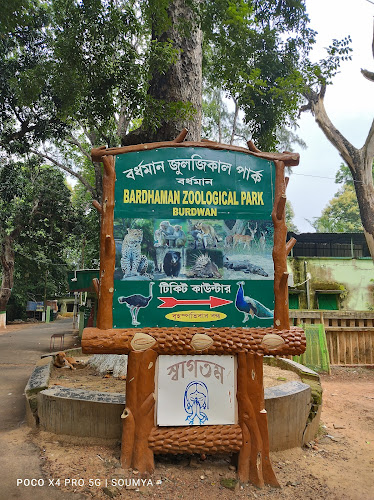
Bardhaman Zoological Park
Patal Bazar
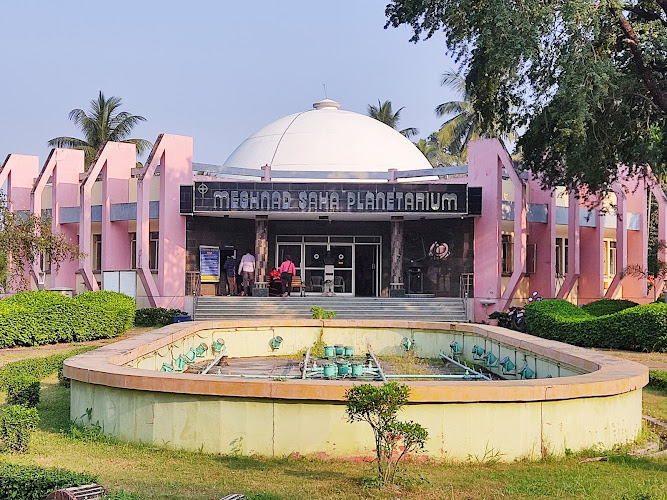
MEGHNAD SAHA PLANETORIUM
Find Accommodations Nearby
Recommended Tours & Activities
Visitor Reviews
There are no reviews yet. Be the first one to write one.
Share Your Experience
Have you visited Ramnabagan Wildlife Sanctuary? Help other travelers by leaving a review.