

Sanyi Wood Sculpture Museum
About Sanyi Wood Sculpture Museum
Description
The Sanyi Wood Sculpture Museum in Miaoli County, Taiwan, is one of those places that feels like a mix of art gallery, cultural archive, and a quiet corner for reflection. It’s not just about looking at carved wood—though you’ll see plenty of that—it’s about stepping into a story that stretches from Taiwan’s indigenous traditions all the way to contemporary interpretations of what wood can become in the hands of a skilled artist. The museum was originally built back in 1990, and over the years it’s grown into a respected institution, not only for preserving the craft but also for celebrating the people who’ve kept it alive.
Now, I’ll be honest: some visitors find it breathtaking, while others walk away thinking it’s “just a bunch of carved wood.” That’s the thing with art, isn’t it? It hits differently depending on who you are and what mood you’re in. Personally, I found myself stopping at pieces I didn’t expect to care about—like a simple mask or an abstract form that looked almost alive. And if you’ve ever smelled freshly carved wood, you’ll know there’s something grounding about it, almost like being pulled back to nature.
The museum is also incredibly accessible. Wheelchair users will find ramps, accessible restrooms, and parking. Families traveling with kids will appreciate the kid-friendly vibe and even changing tables, which makes it more practical than many art museums. It’s not flashy, and you won’t find a café inside, but that simplicity kind of works here. You come for the art, the craft, and the connection to a town that has built its identity around woodcarving for generations.
Key Features
- Exhibits span traditional Chinese dynastic wood sculpture, Taiwanese indigenous carvings, and modern abstract works.
- Special gallery dedicated to the local Sanyi woodcarving heritage.
- Rotating exhibitions and occasional workshops for hands-on experiences.
- Family-friendly with amenities like changing tables and kid-friendly displays.
- Fully wheelchair accessible, including restrooms and parking.
- Quiet, contemplative atmosphere with plenty of space to wander at your own pace.
Best Time to Visit
If you ask me, the best time to visit is during the cooler months—late autumn through early spring—when Miaoli’s weather is crisp and comfortable. Summer can get sticky and hot, and while the museum is indoors, the surrounding town is worth exploring on foot, so you’ll enjoy it more when you’re not melting. Weekdays are usually calmer, with fewer tour groups, which makes it easier to take your time with the exhibits. And if you’re the type who likes a bit of buzz, weekends bring more energy but also more crowds. Think about what kind of vibe you want before you plan your day.
How to Get There
Getting to the museum is straightforward if you’re already in central Taiwan. The easiest way is by train to Sanyi Station, followed by a short taxi or bus ride. If you’re driving, the highways are well-marked, and parking is available near the museum. I’ve done both, and honestly, driving gives you more flexibility to explore the surrounding countryside—plus you can stop at one of those roadside shops selling local snacks. Public transport, though, is stress-free and lets you just sit back and enjoy the scenery of Miaoli’s rolling hills. Either way, the journey itself is part of the experience, especially if you enjoy watching Taiwan’s landscape shift from city to countryside.
Tips for Visiting
First tip: give yourself time. The museum isn’t massive, but if you rush through, you’ll miss the details—the way the grain of wood adds character to a sculpture, or how a single piece can reflect centuries of cultural tradition. I’d say plan for at least two hours, maybe more if you’re the type who likes to linger.
Second, don’t skip the local shops around town. Sanyi is famous for woodcarving, so you’ll find family-run studios selling everything from tiny keychains to elaborate furniture. I once bought a small hand-carved owl there, and every time I see it on my shelf, I remember the warm smile of the carver who sold it to me. It’s those little human moments that stick with you.
Third, bring cash. Some of the smaller shops and even certain parts of the museum’s services might not take cards. And while the museum itself has restrooms, there’s no restaurant inside, so either eat beforehand or plan to explore the nearby eateries. The local Hakka cuisine is hearty and flavorful—worth the trip alone.
Finally, keep your expectations balanced. If you’re looking for a high-tech, interactive museum with flashy displays, this might not be your thing. But if you’re open to slowing down and appreciating craftsmanship, history, and the quiet power of wood as an art form, you’ll walk away enriched. It’s one of those places that rewards curiosity and patience.
Key Features
- Exhibits span traditional Chinese dynastic wood sculpture, Taiwanese indigenous carvings, and modern abstract works.
- Special gallery dedicated to the local Sanyi woodcarving heritage.
- Rotating exhibitions and occasional workshops for hands-on experiences.
- Family-friendly with amenities like changing tables and kid-friendly displays.
- Fully wheelchair accessible, including restrooms and parking.
- Quiet, contemplative atmosphere with plenty of space to wander at your own pace.
More Details
Updated September 8, 2025
Table of Contents
Description
The Sanyi Wood Sculpture Museum in Miaoli County, Taiwan, is one of those places that feels like a mix of art gallery, cultural archive, and a quiet corner for reflection. It’s not just about looking at carved wood—though you’ll see plenty of that—it’s about stepping into a story that stretches from Taiwan’s indigenous traditions all the way to contemporary interpretations of what wood can become in the hands of a skilled artist. The museum was originally built back in 1990, and over the years it’s grown into a respected institution, not only for preserving the craft but also for celebrating the people who’ve kept it alive.
Now, I’ll be honest: some visitors find it breathtaking, while others walk away thinking it’s “just a bunch of carved wood.” That’s the thing with art, isn’t it? It hits differently depending on who you are and what mood you’re in. Personally, I found myself stopping at pieces I didn’t expect to care about—like a simple mask or an abstract form that looked almost alive. And if you’ve ever smelled freshly carved wood, you’ll know there’s something grounding about it, almost like being pulled back to nature.
The museum is also incredibly accessible. Wheelchair users will find ramps, accessible restrooms, and parking. Families traveling with kids will appreciate the kid-friendly vibe and even changing tables, which makes it more practical than many art museums. It’s not flashy, and you won’t find a café inside, but that simplicity kind of works here. You come for the art, the craft, and the connection to a town that has built its identity around woodcarving for generations.
Key Features
- Exhibits span traditional Chinese dynastic wood sculpture, Taiwanese indigenous carvings, and modern abstract works.
- Special gallery dedicated to the local Sanyi woodcarving heritage.
- Rotating exhibitions and occasional workshops for hands-on experiences.
- Family-friendly with amenities like changing tables and kid-friendly displays.
- Fully wheelchair accessible, including restrooms and parking.
- Quiet, contemplative atmosphere with plenty of space to wander at your own pace.
Best Time to Visit
If you ask me, the best time to visit is during the cooler months—late autumn through early spring—when Miaoli’s weather is crisp and comfortable. Summer can get sticky and hot, and while the museum is indoors, the surrounding town is worth exploring on foot, so you’ll enjoy it more when you’re not melting. Weekdays are usually calmer, with fewer tour groups, which makes it easier to take your time with the exhibits. And if you’re the type who likes a bit of buzz, weekends bring more energy but also more crowds. Think about what kind of vibe you want before you plan your day.
How to Get There
Getting to the museum is straightforward if you’re already in central Taiwan. The easiest way is by train to Sanyi Station, followed by a short taxi or bus ride. If you’re driving, the highways are well-marked, and parking is available near the museum. I’ve done both, and honestly, driving gives you more flexibility to explore the surrounding countryside—plus you can stop at one of those roadside shops selling local snacks. Public transport, though, is stress-free and lets you just sit back and enjoy the scenery of Miaoli’s rolling hills. Either way, the journey itself is part of the experience, especially if you enjoy watching Taiwan’s landscape shift from city to countryside.
Tips for Visiting
First tip: give yourself time. The museum isn’t massive, but if you rush through, you’ll miss the details—the way the grain of wood adds character to a sculpture, or how a single piece can reflect centuries of cultural tradition. I’d say plan for at least two hours, maybe more if you’re the type who likes to linger.
Second, don’t skip the local shops around town. Sanyi is famous for woodcarving, so you’ll find family-run studios selling everything from tiny keychains to elaborate furniture. I once bought a small hand-carved owl there, and every time I see it on my shelf, I remember the warm smile of the carver who sold it to me. It’s those little human moments that stick with you.
Third, bring cash. Some of the smaller shops and even certain parts of the museum’s services might not take cards. And while the museum itself has restrooms, there’s no restaurant inside, so either eat beforehand or plan to explore the nearby eateries. The local Hakka cuisine is hearty and flavorful—worth the trip alone.
Finally, keep your expectations balanced. If you’re looking for a high-tech, interactive museum with flashy displays, this might not be your thing. But if you’re open to slowing down and appreciating craftsmanship, history, and the quiet power of wood as an art form, you’ll walk away enriched. It’s one of those places that rewards curiosity and patience.
Key Highlights
- Exhibits span traditional Chinese dynastic wood sculpture, Taiwanese indigenous carvings, and modern abstract works.
- Special gallery dedicated to the local Sanyi woodcarving heritage.
- Rotating exhibitions and occasional workshops for hands-on experiences.
- Family-friendly with amenities like changing tables and kid-friendly displays.
- Fully wheelchair accessible, including restrooms and parking.
- Quiet, contemplative atmosphere with plenty of space to wander at your own pace.
Location
Places to Stay Near Sanyi Wood Sculpture Museum
Find and Book a Tour
Explore More Travel Guides
No reviews found! Be the first to review!
Traveler Reviews for Sanyi Wood Sculpture Museum
There are no reviews yet. Be the first one to write one.
Have you visited Sanyi Wood Sculpture Museum? Help other travelers by sharing your review.
You Might Also Like

Gaomei Wetlands Visitor Center
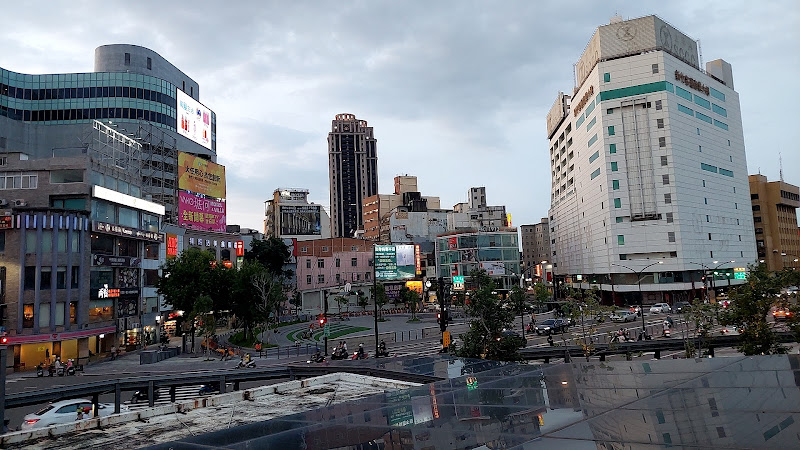
Hsinchu

Swiss Garden
Find Accommodations Nearby
Recommended Tours & Activities
Visitor Reviews
There are no reviews yet. Be the first one to write one.
Share Your Experience
Have you visited Sanyi Wood Sculpture Museum? Help other travelers by leaving a review.