About Hsinchu

Description

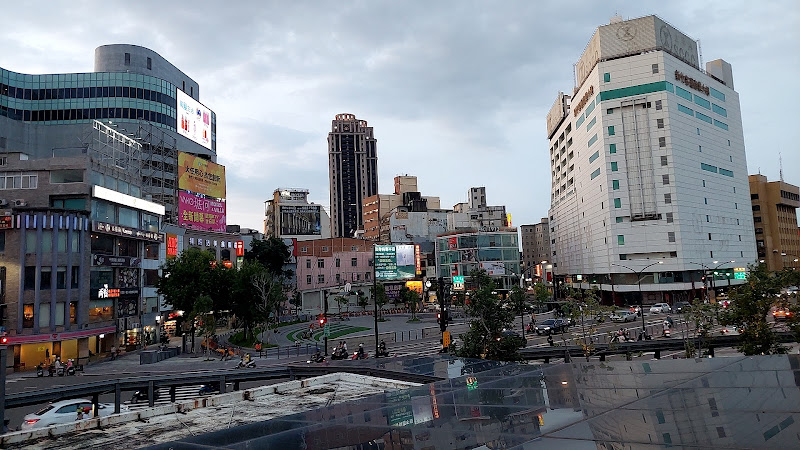
Hsinchu sits in a unique position along Taiwan's northern coast, about an hour's drive from Taipei, and honestly, it's one of those places that doesn't get nearly enough attention from international travelers. Most people rush past it on their way to other destinations, and that's their loss. I remember the first time I visited – I was expecting just another industrial hub (Hsinchu is famously Taiwan's Silicon Valley), but what I found was this fascinating blend of old-world charm and cutting-edge modernity that you don't see everywhere. The city has earned its nickname as the "Windy City" of Taiwan, and trust me, this isn't just tourist board hyperbole. The winds that sweep in from the Taiwan Strait are legendary, particularly during fall and winter months. But don't let that scare you off. These same winds have shaped the city's character and made it distinct from Taiwan's other urban centers. What really sets Hsinchu apart is how it maintains its historical identity despite being home to one of Asia's most important technology sectors. The Hsinchu Science Park has transformed this city into Taiwan's answer to Silicon Valley, yet you'll still find century-old temples standing proud among modern buildings. It's this juxtaposition that makes exploring here so rewarding. The Hsinchu City God Temple serves as the spiritual and cultural heart of the community. Built in 1748 during the Qing Dynasty, this temple isn't just another religious site – it's where locals have gathered for generations. The architecture alone is worth the visit, with its intricate wood carvings and ceramic decorations that have survived earthquakes, typhoons, and the passage of time. And the food stalls surrounding it? That's where you'll taste some of the most authentic local flavors in northern Taiwan.

Key Features

• The Hsinchu City God Temple stands as one of Taiwan's oldest and most ornately decorated temples, featuring detailed traditional architecture from the Qing Dynasty period with elaborate roof decorations and interior wood carvings that took master craftsmen years to complete • Yin Hsi East Gate, constructed in 1827, represents one of the few remaining city gates from Taiwan's imperial era and serves as a tangible connection to Hsinchu's role as a fortified settlement during the 19th century • Hsinchu Zoo operates as Taiwan's oldest zoo, established during Japanese colonial rule in 1936, housing rare species including Bengal tigers, Malayan sun bears, and hippos within a compact but well-maintained facility • Shibajian Mountain (the 18 Peaks) offers an extensive network of hiking trails through subtropical forest just minutes from the city center, providing panoramic views across Hsinchu and out to the Taiwan Strait • The surrounding food stalls and night market areas feature Hsinchu's famous rice noodles (mi fen), which benefit from the city's strong winds during the drying process, creating a unique texture you won't find elsewhere • Science parks and educational institutions like National Tsing Hua University create an atmosphere that combines technological innovation with traditional Taiwanese culture

Best Time to Visit

Here's where things get interesting. Most travel guides will tell you spring and fall are ideal, and yeah, they're not wrong – but let me give you the real story based on what you actually want to experience. Spring, particularly March through May, brings comfortable temperatures ranging from 18 to 26 degrees Celsius. The city starts blooming, and those famous winds are relatively calm. This is when you'll find the most pleasant hiking conditions on Shibajian Mountain. But here's the thing – everyone knows this, so you'll be sharing those trails and temple grounds with more visitors. Summer gets hot and humid, no point sugarcoating it. June through September sees temperatures climbing above 30 degrees, and the humidity can feel oppressive. However, this is actually when you'll experience Hsinchu at its most authentic. Locals don't stop living their lives because it's warm, and you'll find the city's true rhythm during these months. Plus, summer evenings bring out the night markets in full force, and there's something special about enjoying a bowl of cold ai-yu jelly while the sun sets over the East Gate. Fall, specifically October and November, might be your sweet spot if you can handle the wind. And I mean really handle it – the "Nine降風" (Nine Descending Winds) phenomenon can reach speeds that'll knock your hat clean off. But this is also harvest season for rice noodles, and you'll see them drying throughout the city. The winds that make walking challenging also create the perfect conditions for Hsinchu's most famous culinary export. Winter (December through February) is mild compared to most places, rarely dropping below 10 degrees. The winds pick up significantly, though, which keeps many tourists away. That makes it perfect for travelers who prefer experiencing destinations without crowds. Just bring a good windbreaker and layers. I've visited during all seasons, and honestly? Late October has been my favorite each time. Yes, it's windy, but that's part of Hsinchu's character. And the autumn light hitting those temple roofs creates photo opportunities you won't get any other time of year.

How to Get There

Getting to Hsinchu is refreshingly straightforward, which is saying something for a mid-sized Asian city that isn't a major tourist destination. The Taiwan High Speed Rail (HSR) is hands-down your best option from Taipei. Trains depart every 15-20 minutes during peak hours, and the journey takes just 30 minutes. You'll arrive at Hsinchu HSR Station, which sits in the Zhubei area, about 7 kilometers from downtown Hsinchu. From there, hop on the free shuttle bus that connects to Hsinchu Railway Station (the older, downtown station), or grab a taxi for around NT$200-250. The HSR ticket costs approximately NT$290 for standard class, and honestly, it's worth every dollar for the convenience and speed. If you're coming from southern Taiwan – say, Taichung or Tainan – the HSR works equally well. From Taichung it's about 20 minutes, making Hsinchu an easy day trip if you're based further south. The conventional Taiwan Railway Administration (TRA) trains offer a budget alternative. These depart from Taipei Main Station and take roughly 70-90 minutes depending on whether you catch an express or local train. Tickets run between NT$112-152, significantly cheaper than HSR. You'll arrive right in the heart of Hsinchu at the historic railway station, which actually makes onward travel to attractions more convenient. By bus, several companies operate routes from Taipei's main bus terminals. United Highway Bus and Kuo-Kuang Motor Transport offer frequent service, taking about 60-80 minutes depending on traffic. Fares hover around NT$130-150. I've taken the bus a few times when I've had luggage, and while it's not as glamorous as the HSR, you get a better sense of the landscape changes between Taipei and Hsinchu. Driving yourself? Taiwan's National Highway 1 connects Taipei to Hsinchu in about 50 minutes without traffic. But that "without traffic" part is crucial – during weekends and holidays, this stretch can become a parking lot. Highway 3 offers a slightly longer but often less congested alternative. Once you're in Hsinchu, the city bus network covers most attractions reasonably well. The city isn't huge, so taxis and ride-sharing apps like Uber are affordable for hopping between sites. Many travelers rent scooters, which is very much the Taiwanese way of getting around, though you'll need an international driving permit that specifically allows motorcycles.

Tips for Visiting

First and foremost – bring a jacket, even if the weather forecast looks perfect. That wind I keep mentioning isn't a joke. I've seen perfectly sunny days where visitors were struggling to walk straight down the street. A windbreaker or light jacket will make your experience infinitely more comfortable, especially around the East Gate area where the wind seems to tunnel through. Learn a few Mandarin phrases before you arrive. Unlike Taipei, where English is relatively common, Hsinchu sees fewer international tourists, and English signage and speakers are less prevalent. Having "谢谢" (xie xie - thank you) and "多少钱" (duo shao qian - how much) in your vocabulary will earn you smiles and better service. Download a translation app that works offline, too. The rice noodles are non-negotiable. You cannot visit Hsinchu and skip trying authentic Hsinchu mi fen. These aren't like the rice noodles you've had elsewhere – the texture is different, the flavor more delicate. Head to the stalls around City God Temple for the most traditional preparations. My personal recommendation is the mi fen soup with fish balls, but really, you can't go wrong. Timing your temple visit matters more than you might think. Mornings, especially around 6-8 AM, you'll see locals performing their daily prayers and rituals. It's a more authentic experience than midday when tourist groups tend to arrive. Plus, some of the best breakfast vendors set up early around the temple area. And speaking of the temple – dress respectfully. While Taiwan is generally relaxed, covering your shoulders and avoiding shorts shows respect for the sacred space. The zoo deserves at least two to three hours if you're going. It's small by international standards, but that's part of its charm. The animals have decent enclosures, and the facility's historical significance adds context. Go early morning when animals are most active and before the heat sets in. For Shibajian Mountain, wear proper hiking shoes. The trails vary from easy walks to more challenging climbs, but even the easier paths can be slippery after rain. Bring water – more than you think you'll need. The humidity and sun can be deceptive. The trail markers are primarily in Chinese, so download an offline map or consider hiring a local guide through your hotel. Money-wise, have cash on hand. While Taipei has gone increasingly cashless, many of Hsinchu's best food stalls and smaller shops still operate on cash only. ATMs are plentiful near the railway stations and main tourist areas, but you don't want to be searching for one when you're hungry at a night market. The Hsinchu Science Park area, while not traditionally touristy, offers surprisingly good restaurants catering to the tech workers there. These places often have English menus and offer international cuisine if you need a break from Taiwanese food. But honestly, why would you? Don't try to see everything in one rushed day trip from Taipei. I made that mistake my first visit. Hsinchu rewards slower exploration. Stay overnight if possible. The city transforms in the evening, and you'll discover night markets and street food scenes that don't exist during daylight hours. Photography enthusiasts should time their East Gate visit for late afternoon. The golden hour light on those ancient stones is spectacular, and the crowds thin out as dinner time approaches. The temple looks magnificent when lit up at night too, though you'll need a tripod for decent shots given the lighting conditions. Finally, embrace the wind. I know I keep harping on about it, but once you accept it's just part of the Hsinchu experience, you'll start appreciating how it shapes everything from the food to the local architecture to the way people walk down the street. There's a reason Hsinchu has developed differently from other Taiwanese cities, and that wind is a big part of the story.

Key Features

  • Key Features
  • Best Time to Visit
  • How to Get There
  • Tips for Visiting

More Details

Updated January 17, 2026

Description

Hsinchu sits in a unique position along Taiwan’s northern coast, about an hour’s drive from Taipei, and honestly, it’s one of those places that doesn’t get nearly enough attention from international travelers. Most people rush past it on their way to other destinations, and that’s their loss. I remember the first time I visited – I was expecting just another industrial hub (Hsinchu is famously Taiwan’s Silicon Valley), but what I found was this fascinating blend of old-world charm and cutting-edge modernity that you don’t see everywhere.

The city has earned its nickname as the “Windy City” of Taiwan, and trust me, this isn’t just tourist board hyperbole. The winds that sweep in from the Taiwan Strait are legendary, particularly during fall and winter months. But don’t let that scare you off. These same winds have shaped the city’s character and made it distinct from Taiwan’s other urban centers.

What really sets Hsinchu apart is how it maintains its historical identity despite being home to one of Asia’s most important technology sectors. The Hsinchu Science Park has transformed this city into Taiwan’s answer to Silicon Valley, yet you’ll still find century-old temples standing proud among modern buildings. It’s this juxtaposition that makes exploring here so rewarding.

The Hsinchu City God Temple serves as the spiritual and cultural heart of the community. Built in 1748 during the Qing Dynasty, this temple isn’t just another religious site – it’s where locals have gathered for generations. The architecture alone is worth the visit, with its intricate wood carvings and ceramic decorations that have survived earthquakes, typhoons, and the passage of time. And the food stalls surrounding it? That’s where you’ll taste some of the most authentic local flavors in northern Taiwan.

Key Features

• The Hsinchu City God Temple stands as one of Taiwan’s oldest and most ornately decorated temples, featuring detailed traditional architecture from the Qing Dynasty period with elaborate roof decorations and interior wood carvings that took master craftsmen years to complete

• Yin Hsi East Gate, constructed in 1827, represents one of the few remaining city gates from Taiwan’s imperial era and serves as a tangible connection to Hsinchu’s role as a fortified settlement during the 19th century

• Hsinchu Zoo operates as Taiwan’s oldest zoo, established during Japanese colonial rule in 1936, housing rare species including Bengal tigers, Malayan sun bears, and hippos within a compact but well-maintained facility

• Shibajian Mountain (the 18 Peaks) offers an extensive network of hiking trails through subtropical forest just minutes from the city center, providing panoramic views across Hsinchu and out to the Taiwan Strait

• The surrounding food stalls and night market areas feature Hsinchu’s famous rice noodles (mi fen), which benefit from the city’s strong winds during the drying process, creating a unique texture you won’t find elsewhere

• Science parks and educational institutions like National Tsing Hua University create an atmosphere that combines technological innovation with traditional Taiwanese culture

Best Time to Visit

Here’s where things get interesting. Most travel guides will tell you spring and fall are ideal, and yeah, they’re not wrong – but let me give you the real story based on what you actually want to experience.

Spring, particularly March through May, brings comfortable temperatures ranging from 18 to 26 degrees Celsius. The city starts blooming, and those famous winds are relatively calm. This is when you’ll find the most pleasant hiking conditions on Shibajian Mountain. But here’s the thing – everyone knows this, so you’ll be sharing those trails and temple grounds with more visitors.

Summer gets hot and humid, no point sugarcoating it. June through September sees temperatures climbing above 30 degrees, and the humidity can feel oppressive. However, this is actually when you’ll experience Hsinchu at its most authentic. Locals don’t stop living their lives because it’s warm, and you’ll find the city’s true rhythm during these months. Plus, summer evenings bring out the night markets in full force, and there’s something special about enjoying a bowl of cold ai-yu jelly while the sun sets over the East Gate.

Fall, specifically October and November, might be your sweet spot if you can handle the wind. And I mean really handle it – the “Nine降風” (Nine Descending Winds) phenomenon can reach speeds that’ll knock your hat clean off. But this is also harvest season for rice noodles, and you’ll see them drying throughout the city. The winds that make walking challenging also create the perfect conditions for Hsinchu’s most famous culinary export.

Winter (December through February) is mild compared to most places, rarely dropping below 10 degrees. The winds pick up significantly, though, which keeps many tourists away. That makes it perfect for travelers who prefer experiencing destinations without crowds. Just bring a good windbreaker and layers.

I’ve visited during all seasons, and honestly? Late October has been my favorite each time. Yes, it’s windy, but that’s part of Hsinchu’s character. And the autumn light hitting those temple roofs creates photo opportunities you won’t get any other time of year.

How to Get There

Getting to Hsinchu is refreshingly straightforward, which is saying something for a mid-sized Asian city that isn’t a major tourist destination.

The Taiwan High Speed Rail (HSR) is hands-down your best option from Taipei. Trains depart every 15-20 minutes during peak hours, and the journey takes just 30 minutes. You’ll arrive at Hsinchu HSR Station, which sits in the Zhubei area, about 7 kilometers from downtown Hsinchu. From there, hop on the free shuttle bus that connects to Hsinchu Railway Station (the older, downtown station), or grab a taxi for around NT$200-250. The HSR ticket costs approximately NT$290 for standard class, and honestly, it’s worth every dollar for the convenience and speed.

If you’re coming from southern Taiwan – say, Taichung or Tainan – the HSR works equally well. From Taichung it’s about 20 minutes, making Hsinchu an easy day trip if you’re based further south.

The conventional Taiwan Railway Administration (TRA) trains offer a budget alternative. These depart from Taipei Main Station and take roughly 70-90 minutes depending on whether you catch an express or local train. Tickets run between NT$112-152, significantly cheaper than HSR. You’ll arrive right in the heart of Hsinchu at the historic railway station, which actually makes onward travel to attractions more convenient.

By bus, several companies operate routes from Taipei’s main bus terminals. United Highway Bus and Kuo-Kuang Motor Transport offer frequent service, taking about 60-80 minutes depending on traffic. Fares hover around NT$130-150. I’ve taken the bus a few times when I’ve had luggage, and while it’s not as glamorous as the HSR, you get a better sense of the landscape changes between Taipei and Hsinchu.

Driving yourself? Taiwan’s National Highway 1 connects Taipei to Hsinchu in about 50 minutes without traffic. But that “without traffic” part is crucial – during weekends and holidays, this stretch can become a parking lot. Highway 3 offers a slightly longer but often less congested alternative.

Once you’re in Hsinchu, the city bus network covers most attractions reasonably well. The city isn’t huge, so taxis and ride-sharing apps like Uber are affordable for hopping between sites. Many travelers rent scooters, which is very much the Taiwanese way of getting around, though you’ll need an international driving permit that specifically allows motorcycles.

Tips for Visiting

First and foremost – bring a jacket, even if the weather forecast looks perfect. That wind I keep mentioning isn’t a joke. I’ve seen perfectly sunny days where visitors were struggling to walk straight down the street. A windbreaker or light jacket will make your experience infinitely more comfortable, especially around the East Gate area where the wind seems to tunnel through.

Learn a few Mandarin phrases before you arrive. Unlike Taipei, where English is relatively common, Hsinchu sees fewer international tourists, and English signage and speakers are less prevalent. Having “谢谢” (xie xie – thank you) and “多少钱” (duo shao qian – how much) in your vocabulary will earn you smiles and better service. Download a translation app that works offline, too.

The rice noodles are non-negotiable. You cannot visit Hsinchu and skip trying authentic Hsinchu mi fen. These aren’t like the rice noodles you’ve had elsewhere – the texture is different, the flavor more delicate. Head to the stalls around City God Temple for the most traditional preparations. My personal recommendation is the mi fen soup with fish balls, but really, you can’t go wrong.

Timing your temple visit matters more than you might think. Mornings, especially around 6-8 AM, you’ll see locals performing their daily prayers and rituals. It’s a more authentic experience than midday when tourist groups tend to arrive. Plus, some of the best breakfast vendors set up early around the temple area. And speaking of the temple – dress respectfully. While Taiwan is generally relaxed, covering your shoulders and avoiding shorts shows respect for the sacred space.

The zoo deserves at least two to three hours if you’re going. It’s small by international standards, but that’s part of its charm. The animals have decent enclosures, and the facility’s historical significance adds context. Go early morning when animals are most active and before the heat sets in.

For Shibajian Mountain, wear proper hiking shoes. The trails vary from easy walks to more challenging climbs, but even the easier paths can be slippery after rain. Bring water – more than you think you’ll need. The humidity and sun can be deceptive. The trail markers are primarily in Chinese, so download an offline map or consider hiring a local guide through your hotel.

Money-wise, have cash on hand. While Taipei has gone increasingly cashless, many of Hsinchu’s best food stalls and smaller shops still operate on cash only. ATMs are plentiful near the railway stations and main tourist areas, but you don’t want to be searching for one when you’re hungry at a night market.

The Hsinchu Science Park area, while not traditionally touristy, offers surprisingly good restaurants catering to the tech workers there. These places often have English menus and offer international cuisine if you need a break from Taiwanese food. But honestly, why would you?

Don’t try to see everything in one rushed day trip from Taipei. I made that mistake my first visit. Hsinchu rewards slower exploration. Stay overnight if possible. The city transforms in the evening, and you’ll discover night markets and street food scenes that don’t exist during daylight hours.

Photography enthusiasts should time their East Gate visit for late afternoon. The golden hour light on those ancient stones is spectacular, and the crowds thin out as dinner time approaches. The temple looks magnificent when lit up at night too, though you’ll need a tripod for decent shots given the lighting conditions.

Finally, embrace the wind. I know I keep harping on about it, but once you accept it’s just part of the Hsinchu experience, you’ll start appreciating how it shapes everything from the food to the local architecture to the way people walk down the street. There’s a reason Hsinchu has developed differently from other Taiwanese cities, and that wind is a big part of the story.

Key Highlights

  • Key Features
  • Best Time to Visit
  • How to Get There
  • Tips for Visiting

Location

Places to Stay Near Hsinchu

Find and Book a Tour

Explore More Travel Guides

No reviews found! Be the first to review!

Traveler Reviews for Hsinchu

There are no reviews yet. Be the first one to write one.

Share Your Experience

Have you visited Hsinchu? Help other travelers by sharing your review.

Find Accommodations Nearby

Recommended Tours & Activities

Visitor Reviews

There are no reviews yet. Be the first one to write one.

Share Your Experience

Have you visited Hsinchu? Help other travelers by leaving a review.