
Santiago Metropolitan Cathedral
About Santiago Metropolitan Cathedral
Santiago Metropolitan Cathedral is a highly acclaimed tourist attraction located in Santiago, Chile. With a rating of 4.7 out of 5, it stands out as one of the top-rated tourist attractions in the area.
Location
You can find Santiago Metropolitan Cathedral at Pl. de Armas 498, 8320341 Santiago, Región Metropolitana, Chile.
Visiting Santiago Metropolitan Cathedral
Located in Santiago, Chile, Santiago Metropolitan Cathedral is a tourist attraction that visitors to the area may find worth exploring.
Planning Your Visit
The tourist attraction is located at Pl. de Armas 498, 8320341 Santiago, Región Metropolitana, Chile. GPS coordinates: -33.437442, -70.651395. Check locally for current opening hours and any admission fees before visiting.
More Details
Updated April 6, 2026
Santiago Metropolitan Cathedral is a highly acclaimed tourist attraction located in Santiago, Chile. With a rating of 4.7 out of 5, it stands out as one of the top-rated tourist attractions in the area.
Location
You can find Santiago Metropolitan Cathedral at Pl. de Armas 498, 8320341 Santiago, Región Metropolitana, Chile.
Visiting Santiago Metropolitan Cathedral
Located in Santiago, Chile, Santiago Metropolitan Cathedral is a tourist attraction that visitors to the area may find worth exploring.
Planning Your Visit
The tourist attraction is located at Pl. de Armas 498, 8320341 Santiago, Región Metropolitana, Chile. GPS coordinates: -33.437442, -70.651395. Check locally for current opening hours and any admission fees before visiting.
Location
Places to Stay Near Santiago Metropolitan Cathedral
Find and Book a Tour
Explore More Travel Guides
No reviews found! Be the first to review!
Standing proud on the Plaza de Armas in Santiago, Chile, the Metropolitan Cathedral is so much more than just another stop on your city stroll. This neoclassical beauty is the seat of the Archdiocese of Santiago and, honestly, it’s the most important Catholic church in the whole country.
You can’t really miss those twin towers—added by Ignacio Cremonesi in 1906—which cap off a construction saga that started way back in 1748. The place feels like a living timeline, with its blend of baroque and neoclassical styles telling stories you won’t get from a guidebook.
Step inside and you’re met with gilded columns, jaw-dropping frescoes, and an archiepiscopal crypt where some of Chile’s religious leaders are laid to rest. If you’re the curious type, take a guided tour—they’ll point out details you’d otherwise breeze right past, like the massive German pipe organ from 1754 that’s still belting out hymns.
What really gets me about this cathedral is its resilience. Four different churches stood here before this one, all wiped out by earthquakes or fire. The version you see now? It’s Chile’s answer to all that chaos—a monument to perseverance in a city that doesn’t always play nice with its buildings.
Key Takeaways
- The Metropolitan Cathedral is Chile’s top Catholic church, right on Plaza de Armas in downtown Santiago.
- Construction stretched from 1748 to 1906, with a parade of architects and styles leaving their mark.
- Inside, you’ll find an ornate interior, an archiepiscopal crypt, and a crash course in Chile’s religious history if you opt for a guided tour.
About Santiago Metropolitan Cathedral
This grand cathedral on Plaza de Armas has seen nearly five centuries of Chilean history unfold—from Spanish colonial times to modern independence. It’s always been the country’s most important Catholic temple, and you can feel that weight when you walk through its doors.
History and Significance
The land itself was picked by Pedro de Valdivia in 1541, right after he founded Santiago. But the building you see isn’t the original—far from it.
Fire and earthquakes took out five earlier versions between 1561 and 1748. The current structure started rising in 1748, but it took a whopping 151 years to finish.
Multiple architects shaped its look, including Italian Joaquín Toesca, who designed the neoclassical façade with stone from Cerro Blanco. The cathedral shifted from a colonial church to something far grander after Archbishop Mariano Casanova brought in Ignacio Cremonesi in 1899 for a major renovation.
That’s when the colonial vibe faded and the Renaissance-style interior took over. Pope Pius IV made it a cathedral in 1561, giving Santiago its first bishop. The government later declared it a National Monument in 1951.
Every September 18th, the cathedral hosts the Ecumenical Te Deum for Chile’s Independence Day—a tradition that’s as much about community as it is about faith.
What Makes It Special
There’s a crypt below that holds the remains of Chile’s archbishops and bishops, which isn’t something you see in every South American cathedral. And tucked inside is a monument to the Battle of La Concepción, with the actual hearts of four captains who died in that fight.
The main altar is a showstopper. Built in Munich in 1912, it’s all white marble, bronze, and lapis lazuli.
If you look closely, you’ll spot mahogany altar seats carved by Bavarian Jesuits back in the 1700s. The chapel for the Holy Sacrament is modeled after a Roman church, and the floor tiles create these wild geometric patterns that run through all three naves.
The cathedral itself is nearly 98 meters long and about 29 meters wide. The central nave soars above the two side naves, which both wrap behind the main altar in a way that somehow makes the space feel even bigger.
What to See and Do
There’s plenty to keep you busy here, from intricate altars to historic crypts. If you can, swing by during a quieter hour—it really lets you soak in the details.
Main Attractions and Highlights
The Main Altar is impossible to ignore. It’s all white marble, with bronze and lapis lazuli accents, shipped over from Germany in 1912.
Beneath the cathedral, the crypt holds the remains of archbishops and bishops. There’s also the Monument to the Heroes of the Battle of La Concepción, where the actual hearts of four captains are kept—strange, but undeniably moving.
The chapel for the Holy Sacrament is a gem, modeled after the Chapel of St. John and St. Paul Martyrs in Rome. Don’t miss the mahogany altar seats, hand-carved by Bavarian Jesuits in the 1700s—you can still see their handiwork up close.
Look down at the geometric floor tiles, and up at the paintings splashed across the walls. The building splits into three naves, all connected behind the main altar—a design that just pulls you further in.
Best Time to Visit
Weekday mornings are your friend here. Fewer tourists, more breathing room, and a better chance to actually appreciate the space.
It gets packed during religious holidays and on September 18th, when Chile celebrates Independence Day with the Ecumenical Te Deum. If you’re into details, guided tours run regularly and often share wild stories about the five times earthquakes and fires leveled earlier churches.
Summer (December to February) brings more crowds, so if you’re not a fan of elbowing your way through, spring or fall is a safer bet.
Visitor Information
You’ll find the Metropolitan Cathedral on the western edge of Plaza de Armas, right in the heart of downtown Santiago. It’s open every day from early morning until evening, and there’s no charge to enter the main cathedral.
Location and How to Get There
The cathedral is smack in the center of Santiago, on Plaza de Armas. Easiest way to get there? Hop on the metro—Plaza de Armas station on Line 5 (the green one) drops you right at the plaza, with the cathedral looming on the west side.
If you’re staying in Lastarria or Bellavista, it’s a 15-20 minute walk through the city center, and honestly, it’s a pleasant stroll. This spot’s been a cornerstone of Santiago since 1541, even if the current building is much newer.
City buses stop nearby, but if you’re new to Santiago, the metro’s just simpler. The whole historic center is walkable, so you can easily pair your cathedral visit with other sights nearby.
Tips for Visitors
The Santiago Metropolitan Cathedral opens its doors every day, usually from morning until early evening. Exact hours shift a bit, so it’s smart to double-check before you go.
Want the place to yourself? Aim to arrive early—before the tour groups start filing in. Trust me, the quiet is worth it.
Dress modestly. This is an active place of worship, so keep your shoulders covered and skip the shorts.
Security’s tight: large backpacks aren’t allowed inside. It’s easier to leave those back at your hotel.
If you’re into photography, late morning is magic. Sunlight streams through the stained glass, and the colors just pop.
Sometimes, there’s a mass or religious service happening. Certain areas might be off-limits then, but honestly, sitting in on a service can give you a deeper sense of what the cathedral means to locals.
Thinking about checking out the museum or heading up to the rooftops? You’ll need to book ahead and pay a separate fee for those.
The main nave, though, is free—and it’s what most people come for anyway.
Traveler Reviews for Santiago Metropolitan Cathedral
There are no reviews yet. Be the first one to write one.
Have you visited Santiago Metropolitan Cathedral? Help other travelers by sharing your review.
You Might Also Like
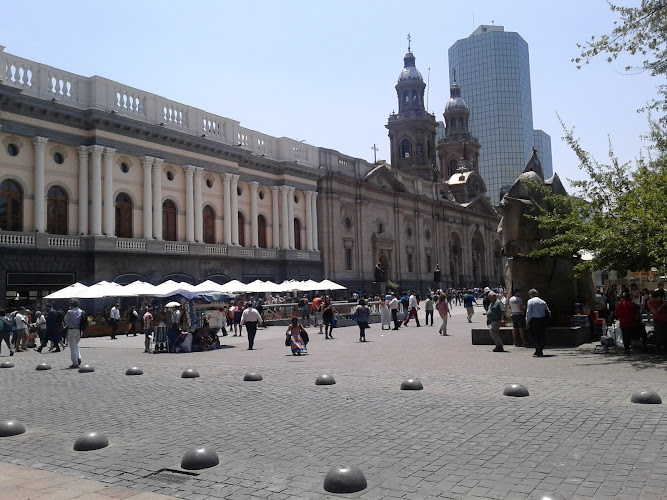
Pl. de Armas
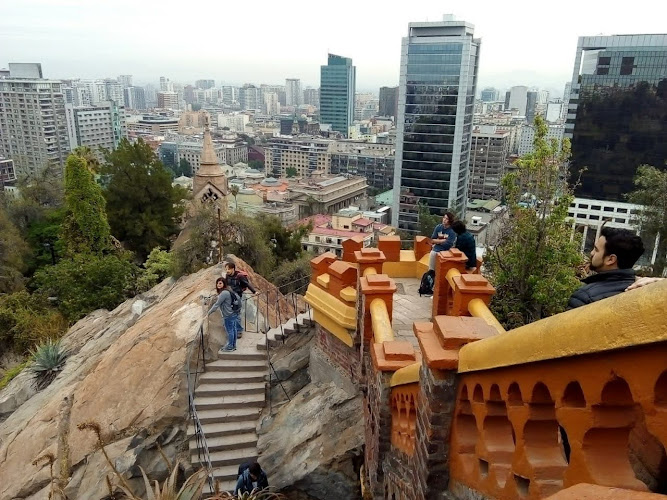
Santa Lucía Hill
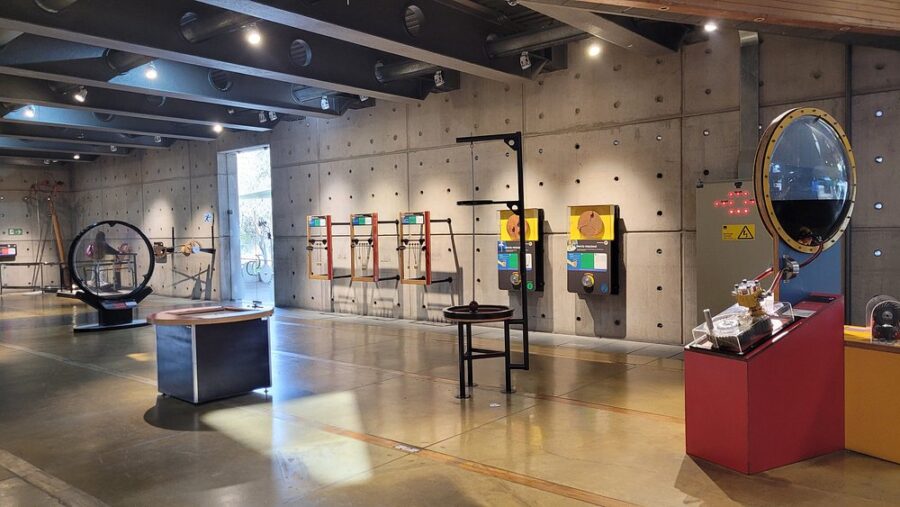
Mirador Interactive Museum
Find Accommodations Nearby
Recommended Tours & Activities
Visitor Reviews
There are no reviews yet. Be the first one to write one.
Share Your Experience
Have you visited Santiago Metropolitan Cathedral? Help other travelers by leaving a review.