
Santa Marta
About Santa Marta
Description
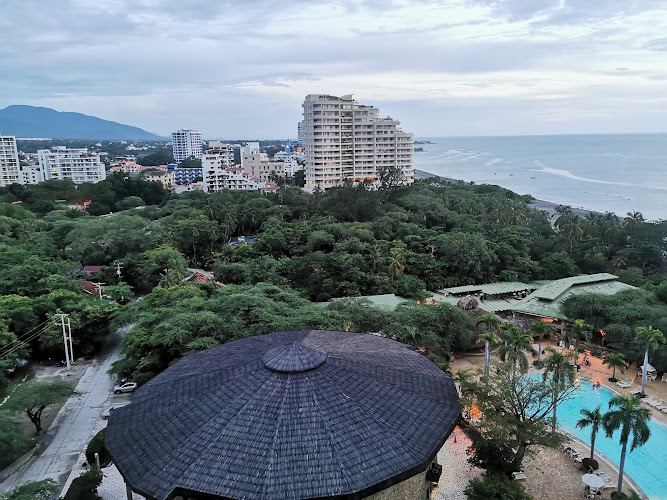
Santa Marta holds the distinction of being Colombia's oldest surviving city, founded way back in 1525, which gives it this wonderful blend of colonial architecture and modern Caribbean energy that you just don't find everywhere. The city sits right where the Sierra Nevada mountains crash into the Caribbean Sea, creating one of those rare geographic situations where you can literally be hiking snow-capped peaks and swimming in turquoise waters on the same day if you're ambitious enough. What really gets me about Santa Marta is how it manages to be both a working port city and a legitimate tourist destination without feeling like it's trying too hard to be either one. You'll see massive cargo ships sharing the bay with fishing boats and tourist catamarans, and somehow it all works. The historic center features whitewashed colonial buildings with those classic wooden balconies that look amazing at sunset, while the waterfront areas pulse with restaurants, hostels, and locals going about their daily business. The city serves as your launching point for some seriously impressive natural attractions. Tayrona National Park is probably the most famous, with its pristine beaches backed by jungle-covered hills, and honestly, the pictures don't do it justice. And then there's the Lost City trek, which I've heard described as Colombia's answer to Machu Picchu, though people who've done both say the journey to Teyuna is actually more challenging and rewarding in some ways. But Santa Marta itself deserves more than just being called a gateway city. The beaches right in town like El Rodadero have their charm, the seafood is outstanding when you know where to look, and there's this relaxed Caribbean atmosphere that makes you want to slow down and actually enjoy being somewhere rather than just checking boxes on an itinerary.Key Features
Santa Marta offers travelers a unique combination of historical significance and natural beauty that makes it stand out along Colombia's Caribbean coast. Here's what makes this city worth your time:- Colombia's oldest city with genuine colonial architecture dating back nearly 500 years, giving history buffs plenty to explore in the historic quarter
- Direct access to Tayrona National Natural Park, one of South America's most beautiful protected areas featuring jungle beaches and incredible biodiversity
- Starting point for the challenging 4-6 day trek to Ciudad Perdida (Lost City), an ancient Tayrona civilization site that predates Machu Picchu by about 650 years
- Year-round warm weather with Caribbean Sea temperatures that make swimming comfortable any month you visit
- The nearby fishing village of Taganga, which has evolved into a budget-friendly hub for scuba diving certification and backpacker culture
- Quinta de San Pedro Alejandrino, the hacienda where South American liberator Simón Bolívar spent his final days in 1830
- Minca, a mountain village about 14 kilometers away that offers cooler temperatures, coffee plantations, waterfalls, and bird watching opportunities
- Authentic Caribbean Colombian cuisine featuring fresh seafood, coconut rice, and patacones that haven't been sanitized for tourist palates
- Less touristy than Cartagena but with better access to natural attractions and outdoor adventures
- Growing digital nomad scene with decent wifi infrastructure in certain neighborhoods and coworking spaces popping up regularly
Best Time to Visit
The dry season runs from December through April, and that's when most guidebooks will tell you to visit Santa Marta. And look, they're not wrong exactly - you'll get sunny days, calm seas perfect for beach activities, and minimal rain disrupting your plans. But here's the thing: everyone else read the same guidebooks, so prices jump significantly and popular spots like Tayrona get genuinely crowded. I actually think the shoulder months of November and May offer a sweet spot that more travelers should consider. You'll still get mostly good weather, but accommodation costs drop noticeably and you won't be fighting for space on the beach. Sure, you might get an afternoon rainstorm here and there, but it's the Caribbean - those downpours are usually brief and actually kind of refreshing when you've been baking in the sun all day. The rainy season from May through November sees fewer tourists, which means better deals and a more authentic experience of how locals actually live. The rain typically comes in short bursts rather than all-day affairs, and honestly, everything looks greener and more lush. However, some hiking trails in Tayrona might close during the heaviest rainfall in September and October due to safety concerns, so check ahead if that's a priority. Temperature-wise, Santa Marta stays pretty consistent year-round, hovering between 23-32°C (73-90°F). The humidity can be intense no matter when you visit, so pack accordingly and accept that you're going to sweat. It's just part of the experience. One thing to note: Tayrona National Park closes completely in February and again in October for ecological restoration. These dates can vary slightly year to year, but it's usually about two weeks each closure. If seeing Tayrona is your main reason for visiting, double-check those closure dates before booking your flights.How to Get There
Simón Bolívar International Airport sits about 16 kilometers south of Santa Marta's city center, making it one of the more convenient airport-to-city distances you'll find. The airport handles domestic flights from Bogotá, Medellín, and Cali pretty regularly, with Avianca, LATAM, and Viva Air being your main options. International direct flights are limited, so most international travelers route through Bogotá or another Colombian hub first. From the airport, you've got several options for reaching the city. Official airport taxis have a fixed-price system - you buy a ticket inside the terminal before heading to the taxi stand, which eliminates the negotiation hassle and ensures you're not getting wildly overcharged. The ride takes about 20-30 minutes depending on traffic and where exactly you're staying. Uber technically operates in Santa Marta, though it exists in that legal gray area it occupies in many Latin American cities. Some travelers use it without issues, others report problems. If you're coming from Cartagena, which many people do since it's a popular pairing, you've got buses and shared vans making the journey constantly throughout the day. The trip takes about 4-5 hours depending on traffic and how many stops your particular bus makes. Marsol and Berlinastur are reputable bus companies that won't leave you stranded. The coastal road between the two cities offers some genuinely beautiful views, so grab a window seat if you can. There's also a ferry service that occasionally runs between Cartagena and Santa Marta, but honestly, it's not particularly reliable or cost-effective for most travelers. The bus is simpler. Arriving by bus from other Colombian cities, you'll come into the main bus terminal located a bit outside the city center. From there, taxis are readily available and relatively inexpensive for getting to your accommodation. Just make sure the driver uses the meter or agree on a price before setting off.Tips for Visiting
Let me share some practical wisdom that'll make your Santa Marta experience smoother. First off, don't make the mistake of treating Santa Marta as just an overnight stop before heading to Tayrona. The city deserves at least a couple days of your itinerary, and you'll appreciate having a base to return to after more adventurous excursions. The El Rodadero area has most of the larger hotels and gets pretty touristy, which isn't necessarily bad if that's your scene. But the historic center offers more character and puts you closer to better restaurants and nightlife. The neighborhoods around Parque de los Novios are where you'll find the best concentration of cafes, bars, and people-watching opportunities. And contrary to what some outdated travel advice might tell you, central Santa Marta has improved considerably in terms of safety over the past decade. Water quality is a legitimate concern here. Stick to bottled water for drinking and be cautious with ice in drinks unless you're at a reputable establishment. Your stomach will thank you. The local seafood is incredible, but make sure you're eating at places with decent turnover - fresh fish is safe fish, and you can usually tell which restaurants are popular with locals versus which ones are tourist traps by how busy they are during lunch hours. Bargaining is expected at markets and with street vendors, but be reasonable about it. Shaving 5,000 or 10,000 pesos off a price is normal; trying to pay half of the asking price just makes you look cheap. And tipping culture here generally means 10% at restaurants if service isn't already included, which it sometimes is - check your bill. The sun is no joke this close to the equator. I cannot stress this enough: wear sunscreen, reapply it frequently, and wear it even on cloudy days. I've seen too many travelers turn lobster-red on their first day and spend the rest of their trip uncomfortable and peeling. Bring or buy good sunscreen here, stay hydrated, and consider wearing a hat and light long sleeves during peak sun hours. For getting around the city, you'll find plenty of taxis, but many don't use meters reliably. Agree on prices beforehand or use the handful of apps that operate here. Walking is totally fine in the historic center and along the waterfront during daylight hours. After dark, take taxis between neighborhoods rather than walking long distances. Spanish skills will serve you well in Santa Marta. English isn't as widely spoken as you might expect, especially outside the main tourist areas and higher-end hotels. Download a translation app or brush up on basic Spanish phrases before arriving. Locals really appreciate when you make the effort, even if your grammar is terrible. Finally, respect the Indigenous communities you might encounter, particularly if you're doing the Lost City trek. These aren't theme park attractions - they're real people living their lives, and photography etiquette matters. Ask permission before taking pictures of people, and understand that some communities prefer not to be photographed at all. Your guide will explain the cultural protocols, so listen carefully and follow their lead.Key Features
- Colombia's oldest city with genuine colonial architecture dating back nearly 500 years, giving history buffs plenty to explore in the historic quarter
- Direct access to Tayrona National Natural Park, one of South America's most beautiful protected areas featuring jungle beaches and incredible biodiversity
- Starting point for the challenging 4-6 day trek to Ciudad Perdida (Lost City), an ancient Tayrona civilization site that predates Machu Picchu by about 650 years
- Year-round warm weather with Caribbean Sea temperatures that make swimming comfortable any month you visit
- The nearby fishing village of Taganga, which has evolved into a budget-friendly hub for scuba diving certification and backpacker culture
- Quinta de San Pedro Alejandrino, the hacienda where South American liberator Simón Bolívar spent his final days in 1830
- Minca, a mountain village about 14 kilometers away that offers cooler temperatures, coffee plantations, waterfalls, and bird watching opportunities
- Authentic Caribbean Colombian cuisine featuring fresh seafood, coconut rice, and patacones that haven't been sanitized for tourist palates
More Details
Updated March 30, 2026
Table of Contents
Description
Santa Marta holds the distinction of being Colombia’s oldest surviving city, founded way back in 1525, which gives it this wonderful blend of colonial architecture and modern Caribbean energy that you just don’t find everywhere. The city sits right where the Sierra Nevada mountains crash into the Caribbean Sea, creating one of those rare geographic situations where you can literally be hiking snow-capped peaks and swimming in turquoise waters on the same day if you’re ambitious enough.
What really gets me about Santa Marta is how it manages to be both a working port city and a legitimate tourist destination without feeling like it’s trying too hard to be either one. You’ll see massive cargo ships sharing the bay with fishing boats and tourist catamarans, and somehow it all works. The historic center features whitewashed colonial buildings with those classic wooden balconies that look amazing at sunset, while the waterfront areas pulse with restaurants, hostels, and locals going about their daily business.
The city serves as your launching point for some seriously impressive natural attractions. Tayrona National Park is probably the most famous, with its pristine beaches backed by jungle-covered hills, and honestly, the pictures don’t do it justice. And then there’s the Lost City trek, which I’ve heard described as Colombia’s answer to Machu Picchu, though people who’ve done both say the journey to Teyuna is actually more challenging and rewarding in some ways.
But Santa Marta itself deserves more than just being called a gateway city. The beaches right in town like El Rodadero have their charm, the seafood is outstanding when you know where to look, and there’s this relaxed Caribbean atmosphere that makes you want to slow down and actually enjoy being somewhere rather than just checking boxes on an itinerary.
Key Features
Santa Marta offers travelers a unique combination of historical significance and natural beauty that makes it stand out along Colombia’s Caribbean coast. Here’s what makes this city worth your time:
- Colombia’s oldest city with genuine colonial architecture dating back nearly 500 years, giving history buffs plenty to explore in the historic quarter
- Direct access to Tayrona National Natural Park, one of South America’s most beautiful protected areas featuring jungle beaches and incredible biodiversity
- Starting point for the challenging 4-6 day trek to Ciudad Perdida (Lost City), an ancient Tayrona civilization site that predates Machu Picchu by about 650 years
- Year-round warm weather with Caribbean Sea temperatures that make swimming comfortable any month you visit
- The nearby fishing village of Taganga, which has evolved into a budget-friendly hub for scuba diving certification and backpacker culture
- Quinta de San Pedro Alejandrino, the hacienda where South American liberator Simón Bolívar spent his final days in 1830
- Minca, a mountain village about 14 kilometers away that offers cooler temperatures, coffee plantations, waterfalls, and bird watching opportunities
- Authentic Caribbean Colombian cuisine featuring fresh seafood, coconut rice, and patacones that haven’t been sanitized for tourist palates
- Less touristy than Cartagena but with better access to natural attractions and outdoor adventures
- Growing digital nomad scene with decent wifi infrastructure in certain neighborhoods and coworking spaces popping up regularly
Best Time to Visit
The dry season runs from December through April, and that’s when most guidebooks will tell you to visit Santa Marta. And look, they’re not wrong exactly – you’ll get sunny days, calm seas perfect for beach activities, and minimal rain disrupting your plans. But here’s the thing: everyone else read the same guidebooks, so prices jump significantly and popular spots like Tayrona get genuinely crowded.
I actually think the shoulder months of November and May offer a sweet spot that more travelers should consider. You’ll still get mostly good weather, but accommodation costs drop noticeably and you won’t be fighting for space on the beach. Sure, you might get an afternoon rainstorm here and there, but it’s the Caribbean – those downpours are usually brief and actually kind of refreshing when you’ve been baking in the sun all day.
The rainy season from May through November sees fewer tourists, which means better deals and a more authentic experience of how locals actually live. The rain typically comes in short bursts rather than all-day affairs, and honestly, everything looks greener and more lush. However, some hiking trails in Tayrona might close during the heaviest rainfall in September and October due to safety concerns, so check ahead if that’s a priority.
Temperature-wise, Santa Marta stays pretty consistent year-round, hovering between 23-32°C (73-90°F). The humidity can be intense no matter when you visit, so pack accordingly and accept that you’re going to sweat. It’s just part of the experience.
One thing to note: Tayrona National Park closes completely in February and again in October for ecological restoration. These dates can vary slightly year to year, but it’s usually about two weeks each closure. If seeing Tayrona is your main reason for visiting, double-check those closure dates before booking your flights.
How to Get There
Simón Bolívar International Airport sits about 16 kilometers south of Santa Marta’s city center, making it one of the more convenient airport-to-city distances you’ll find. The airport handles domestic flights from Bogotá, Medellín, and Cali pretty regularly, with Avianca, LATAM, and Viva Air being your main options. International direct flights are limited, so most international travelers route through Bogotá or another Colombian hub first.
From the airport, you’ve got several options for reaching the city. Official airport taxis have a fixed-price system – you buy a ticket inside the terminal before heading to the taxi stand, which eliminates the negotiation hassle and ensures you’re not getting wildly overcharged. The ride takes about 20-30 minutes depending on traffic and where exactly you’re staying. Uber technically operates in Santa Marta, though it exists in that legal gray area it occupies in many Latin American cities. Some travelers use it without issues, others report problems.
If you’re coming from Cartagena, which many people do since it’s a popular pairing, you’ve got buses and shared vans making the journey constantly throughout the day. The trip takes about 4-5 hours depending on traffic and how many stops your particular bus makes. Marsol and Berlinastur are reputable bus companies that won’t leave you stranded. The coastal road between the two cities offers some genuinely beautiful views, so grab a window seat if you can.
There’s also a ferry service that occasionally runs between Cartagena and Santa Marta, but honestly, it’s not particularly reliable or cost-effective for most travelers. The bus is simpler.
Arriving by bus from other Colombian cities, you’ll come into the main bus terminal located a bit outside the city center. From there, taxis are readily available and relatively inexpensive for getting to your accommodation. Just make sure the driver uses the meter or agree on a price before setting off.
Tips for Visiting
Let me share some practical wisdom that’ll make your Santa Marta experience smoother. First off, don’t make the mistake of treating Santa Marta as just an overnight stop before heading to Tayrona. The city deserves at least a couple days of your itinerary, and you’ll appreciate having a base to return to after more adventurous excursions.
The El Rodadero area has most of the larger hotels and gets pretty touristy, which isn’t necessarily bad if that’s your scene. But the historic center offers more character and puts you closer to better restaurants and nightlife. The neighborhoods around Parque de los Novios are where you’ll find the best concentration of cafes, bars, and people-watching opportunities. And contrary to what some outdated travel advice might tell you, central Santa Marta has improved considerably in terms of safety over the past decade.
Water quality is a legitimate concern here. Stick to bottled water for drinking and be cautious with ice in drinks unless you’re at a reputable establishment. Your stomach will thank you. The local seafood is incredible, but make sure you’re eating at places with decent turnover – fresh fish is safe fish, and you can usually tell which restaurants are popular with locals versus which ones are tourist traps by how busy they are during lunch hours.
Bargaining is expected at markets and with street vendors, but be reasonable about it. Shaving 5,000 or 10,000 pesos off a price is normal; trying to pay half of the asking price just makes you look cheap. And tipping culture here generally means 10% at restaurants if service isn’t already included, which it sometimes is – check your bill.
The sun is no joke this close to the equator. I cannot stress this enough: wear sunscreen, reapply it frequently, and wear it even on cloudy days. I’ve seen too many travelers turn lobster-red on their first day and spend the rest of their trip uncomfortable and peeling. Bring or buy good sunscreen here, stay hydrated, and consider wearing a hat and light long sleeves during peak sun hours.
For getting around the city, you’ll find plenty of taxis, but many don’t use meters reliably. Agree on prices beforehand or use the handful of apps that operate here. Walking is totally fine in the historic center and along the waterfront during daylight hours. After dark, take taxis between neighborhoods rather than walking long distances.
Spanish skills will serve you well in Santa Marta. English isn’t as widely spoken as you might expect, especially outside the main tourist areas and higher-end hotels. Download a translation app or brush up on basic Spanish phrases before arriving. Locals really appreciate when you make the effort, even if your grammar is terrible.
Finally, respect the Indigenous communities you might encounter, particularly if you’re doing the Lost City trek. These aren’t theme park attractions – they’re real people living their lives, and photography etiquette matters. Ask permission before taking pictures of people, and understand that some communities prefer not to be photographed at all. Your guide will explain the cultural protocols, so listen carefully and follow their lead.
Key Highlights
- Colombia's oldest city with genuine colonial architecture dating back nearly 500 years, giving history buffs plenty to explore in the historic quarter
- Direct access to Tayrona National Natural Park, one of South America's most beautiful protected areas featuring jungle beaches and incredible biodiversity
- Starting point for the challenging 4-6 day trek to Ciudad Perdida (Lost City), an ancient Tayrona civilization site that predates Machu Picchu by about 650 years
- Year-round warm weather with Caribbean Sea temperatures that make swimming comfortable any month you visit
- The nearby fishing village of Taganga, which has evolved into a budget-friendly hub for scuba diving certification and backpacker culture
- Quinta de San Pedro Alejandrino, the hacienda where South American liberator Simón Bolívar spent his final days in 1830
- Minca, a mountain village about 14 kilometers away that offers cooler temperatures, coffee plantations, waterfalls, and bird watching opportunities
- Authentic Caribbean Colombian cuisine featuring fresh seafood, coconut rice, and patacones that haven't been sanitized for tourist palates
Location
Places to Stay Near Santa Marta
Find and Book a Tour
Explore More Travel Guides
No reviews found! Be the first to review!
Santa Marta is a prominent Attractions located in Santa Marta.
Traveler Reviews for Santa Marta
There are no reviews yet. Be the first one to write one.
Have you visited Santa Marta? Help other travelers by sharing your review.
You Might Also Like

Playa Bello Horizonte
Reserva Natural El Dorado
Parque Bolívar
Find Accommodations Nearby
Recommended Tours & Activities
Visitor Reviews
There are no reviews yet. Be the first one to write one.
Share Your Experience
Have you visited Santa Marta? Help other travelers by leaving a review.