
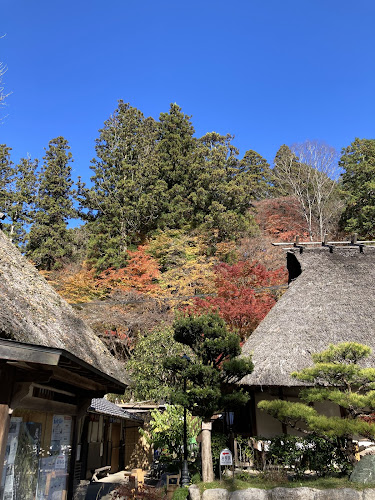
Sanshu Asukeyashiki
About Sanshu Asukeyashiki
Description
Sanshu Asukeyashiki is one of those rare gems where history isn't just something you read about in books—it’s alive, buzzing, and right there in front of you. This ethnographic museum offers a peek into the life of a wealthy farmer family from the Showa era, but what really sets it apart is the hands-on experience with traditional crafts. Imagine watching artisans weave baskets, forge iron, or craft paper by hand—each skill passed down through generations, performed right before your eyes. It’s like stepping back in time, but with the added bonus that you can actually touch, feel, and sometimes even try your hand at these ancient trades.
The place features ten different craftspeople, including straw weaving, umbrella making, indigo dyeing, barrel crafting, charcoal burning, and more. And no, it’s not some dusty, silent museum where you’re just a spectator. These artisans actively work, chat, and share stories about their crafts, making the whole experience feel intimate and personal. For those who love getting their hands dirty (in a good way), certain workshops let you participate, which is a total win if you want to bring home more than just photos.
Entry is super affordable too—just a few hundred yen for adults and even less for kids. It’s a great way to spend a few hours soaking up culture without breaking the bank. The museum is closed on Thursdays and during the year-end holidays, but November is an exception, staying open every day to catch the stunning fall colors that drape the grounds. Oh, and speaking of those colors, the autumn scenery here is something else—perfect for those who appreciate a bit of nature’s drama alongside their history lesson.
Key Features
- Live demonstrations by 10 traditional craftsmen, including straw work, weaving, umbrella making, indigo dyeing, barrel making, charcoal burning, blacksmithing, basket weaving, and woodturning
- Hands-on craft experiences available for visitors eager to try their skills
- Affordable admission fees: 300 yen for adults, 100 yen for children (elementary to high school)
- Wheelchair rentals available, making the museum accessible for most visitors
- On-site restaurant offering local flavors to recharge after exploring
- Free Wi-Fi and clean restrooms to keep you comfortable during your visit
- Paid parking lot for those driving in, convenient but expect it to fill up on busy days
- Family-friendly environment, ideal for kids curious about history and crafts
- Open daily in November to showcase breathtaking fall foliage
- Quiet, authentic atmosphere that feels far from the usual tourist traps
Best Time to Visit
Picking the right time to visit Sanshu Asukeyashiki can really make or break your experience. Personally, I’d say autumn is the star of the show here. November, in particular, when the leaves turn fiery reds and golds, transforms the entire place into a living postcard. It’s not just about the colors either—the cooler weather makes wandering around the outdoor areas way more pleasant. Plus, the museum stays open every day that month, so you’ve got plenty of chances to catch those vibrant scenes.
Spring is another lovely time to drop by if you’re into fresh blooms and mild temperatures. The craftspeople’s work tends to stay consistent year-round, but the mood and light shift with the seasons, giving you a slightly different vibe depending on when you come. Avoid Thursdays and the year-end holidays though, as the museum is closed then. Weekdays are generally quieter, so if you want to avoid crowds (and trust me, you probably do), try to plan your visit midweek.
How to Get There
Getting to Sanshu Asukeyashiki is pretty straightforward, but it does require a bit of planning if you’re not driving. The museum is located in a more rural setting, so public transport options might involve a combination of trains and buses. From the nearest major city, you can catch a local train to a nearby station, then hop on a bus or taxi for the last stretch. It’s worth checking current schedules because rural buses don’t always run frequently, and you wouldn’t want to be stuck waiting around in the middle of nowhere.
If you’re driving, there’s a paid parking lot right on site, which is super convenient. Just keep in mind that weekends and peak seasons, especially in November, can fill up parking quickly, so arriving early is a smart move. Also, the roads around the area are scenic but narrow in places, so take it slow and enjoy the ride. Honestly, the journey there can be half the fun if you’re the type who loves discovering hidden spots off the beaten path.
Tips for Visiting
Alright, here’s the deal—Sanshu Asukeyashiki is charming, but it’s not a flashy, high-tech museum. So, if you’re expecting interactive screens or flashy exhibits, you might be a bit underwhelmed. But if you’re into authentic experiences and want to soak up real, living history, this place delivers big time.
Wear comfy shoes because you’ll be doing a fair bit of walking, both indoors and outdoors. The grounds are lovely but can get slippery if it’s wet, especially in fall when the leaves pile up. Also, don’t be shy about chatting with the artisans. These folks love sharing their stories and will happily answer your questions. I once spent nearly an hour talking to a basket weaver who told me about how the craft has evolved and why certain patterns mean specific things. It was one of those moments that made the visit unforgettable.
Bring cash for admission and any craft experiences you want to try—some places don’t take cards, and you don’t want to miss out because of that. If you’re visiting with kids, they’ll likely get a kick out of seeing the old-fashioned tools and maybe even trying some crafts themselves, so plan a bit of extra time for that.
Lastly, don’t rush. The magic here lies in the details and the slow pace. Take your time, breathe it all in, and maybe even grab a bite at the restaurant on site. The food’s simple but satisfying, perfect after a morning of exploring. Trust me, Sanshu Asukeyashiki isn’t just a museum—it’s a little slice of Japan’s past that invites you to step inside, soak up the craft, and leave with a story or two of your own.
Key Features
- Live demonstrations by 10 traditional craftsmen, including straw work, weaving, umbrella making, indigo dyeing, barrel making, charcoal burning, blacksmithing, basket weaving, and woodturning
- Hands-on craft experiences available for visitors eager to try their skills
- Affordable admission fees: 300 yen for adults, 100 yen for children (elementary to high school)
- Wheelchair rentals available, making the museum accessible for most visitors
- On-site restaurant offering local flavors to recharge after exploring
- Free Wi-Fi and clean restrooms to keep you comfortable during your visit
- Paid parking lot for those driving in, convenient but expect it to fill up on busy days
- Family-friendly environment, ideal for kids curious about history and crafts
More Details
Updated July 16, 2025
Table of Contents
Description
Sanshu Asukeyashiki is one of those rare gems where history isn’t just something you read about in books—it’s alive, buzzing, and right there in front of you. This ethnographic museum offers a peek into the life of a wealthy farmer family from the Showa era, but what really sets it apart is the hands-on experience with traditional crafts. Imagine watching artisans weave baskets, forge iron, or craft paper by hand—each skill passed down through generations, performed right before your eyes. It’s like stepping back in time, but with the added bonus that you can actually touch, feel, and sometimes even try your hand at these ancient trades.
The place features ten different craftspeople, including straw weaving, umbrella making, indigo dyeing, barrel crafting, charcoal burning, and more. And no, it’s not some dusty, silent museum where you’re just a spectator. These artisans actively work, chat, and share stories about their crafts, making the whole experience feel intimate and personal. For those who love getting their hands dirty (in a good way), certain workshops let you participate, which is a total win if you want to bring home more than just photos.
Entry is super affordable too—just a few hundred yen for adults and even less for kids. It’s a great way to spend a few hours soaking up culture without breaking the bank. The museum is closed on Thursdays and during the year-end holidays, but November is an exception, staying open every day to catch the stunning fall colors that drape the grounds. Oh, and speaking of those colors, the autumn scenery here is something else—perfect for those who appreciate a bit of nature’s drama alongside their history lesson.
Key Features
- Live demonstrations by 10 traditional craftsmen, including straw work, weaving, umbrella making, indigo dyeing, barrel making, charcoal burning, blacksmithing, basket weaving, and woodturning
- Hands-on craft experiences available for visitors eager to try their skills
- Affordable admission fees: 300 yen for adults, 100 yen for children (elementary to high school)
- Wheelchair rentals available, making the museum accessible for most visitors
- On-site restaurant offering local flavors to recharge after exploring
- Free Wi-Fi and clean restrooms to keep you comfortable during your visit
- Paid parking lot for those driving in, convenient but expect it to fill up on busy days
- Family-friendly environment, ideal for kids curious about history and crafts
- Open daily in November to showcase breathtaking fall foliage
- Quiet, authentic atmosphere that feels far from the usual tourist traps
Best Time to Visit
Picking the right time to visit Sanshu Asukeyashiki can really make or break your experience. Personally, I’d say autumn is the star of the show here. November, in particular, when the leaves turn fiery reds and golds, transforms the entire place into a living postcard. It’s not just about the colors either—the cooler weather makes wandering around the outdoor areas way more pleasant. Plus, the museum stays open every day that month, so you’ve got plenty of chances to catch those vibrant scenes.
Spring is another lovely time to drop by if you’re into fresh blooms and mild temperatures. The craftspeople’s work tends to stay consistent year-round, but the mood and light shift with the seasons, giving you a slightly different vibe depending on when you come. Avoid Thursdays and the year-end holidays though, as the museum is closed then. Weekdays are generally quieter, so if you want to avoid crowds (and trust me, you probably do), try to plan your visit midweek.
How to Get There
Getting to Sanshu Asukeyashiki is pretty straightforward, but it does require a bit of planning if you’re not driving. The museum is located in a more rural setting, so public transport options might involve a combination of trains and buses. From the nearest major city, you can catch a local train to a nearby station, then hop on a bus or taxi for the last stretch. It’s worth checking current schedules because rural buses don’t always run frequently, and you wouldn’t want to be stuck waiting around in the middle of nowhere.
If you’re driving, there’s a paid parking lot right on site, which is super convenient. Just keep in mind that weekends and peak seasons, especially in November, can fill up parking quickly, so arriving early is a smart move. Also, the roads around the area are scenic but narrow in places, so take it slow and enjoy the ride. Honestly, the journey there can be half the fun if you’re the type who loves discovering hidden spots off the beaten path.
Tips for Visiting
Alright, here’s the deal—Sanshu Asukeyashiki is charming, but it’s not a flashy, high-tech museum. So, if you’re expecting interactive screens or flashy exhibits, you might be a bit underwhelmed. But if you’re into authentic experiences and want to soak up real, living history, this place delivers big time.
Wear comfy shoes because you’ll be doing a fair bit of walking, both indoors and outdoors. The grounds are lovely but can get slippery if it’s wet, especially in fall when the leaves pile up. Also, don’t be shy about chatting with the artisans. These folks love sharing their stories and will happily answer your questions. I once spent nearly an hour talking to a basket weaver who told me about how the craft has evolved and why certain patterns mean specific things. It was one of those moments that made the visit unforgettable.
Bring cash for admission and any craft experiences you want to try—some places don’t take cards, and you don’t want to miss out because of that. If you’re visiting with kids, they’ll likely get a kick out of seeing the old-fashioned tools and maybe even trying some crafts themselves, so plan a bit of extra time for that.
Lastly, don’t rush. The magic here lies in the details and the slow pace. Take your time, breathe it all in, and maybe even grab a bite at the restaurant on site. The food’s simple but satisfying, perfect after a morning of exploring. Trust me, Sanshu Asukeyashiki isn’t just a museum—it’s a little slice of Japan’s past that invites you to step inside, soak up the craft, and leave with a story or two of your own.
Key Highlights
- Live demonstrations by 10 traditional craftsmen, including straw work, weaving, umbrella making, indigo dyeing, barrel making, charcoal burning, blacksmithing, basket weaving, and woodturning
- Hands-on craft experiences available for visitors eager to try their skills
- Affordable admission fees: 300 yen for adults, 100 yen for children (elementary to high school)
- Wheelchair rentals available, making the museum accessible for most visitors
- On-site restaurant offering local flavors to recharge after exploring
- Free Wi-Fi and clean restrooms to keep you comfortable during your visit
- Paid parking lot for those driving in, convenient but expect it to fill up on busy days
- Family-friendly environment, ideal for kids curious about history and crafts
Location
Places to Stay Near Sanshu Asukeyashiki
Find and Book a Tour
Explore More Travel Guides
No reviews found! Be the first to review!
Traveler Reviews for Sanshu Asukeyashiki
There are no reviews yet. Be the first one to write one.
Have you visited Sanshu Asukeyashiki? Help other travelers by sharing your review.
You Might Also Like
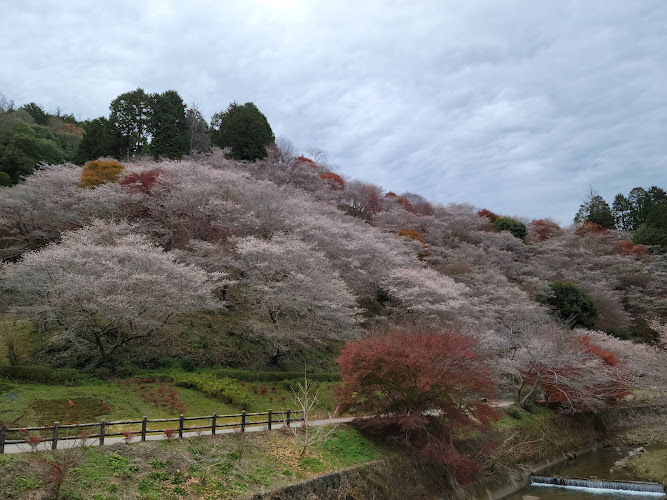
Senmi Shikizakura no Sato – Four Seasons Cherry Blossoms
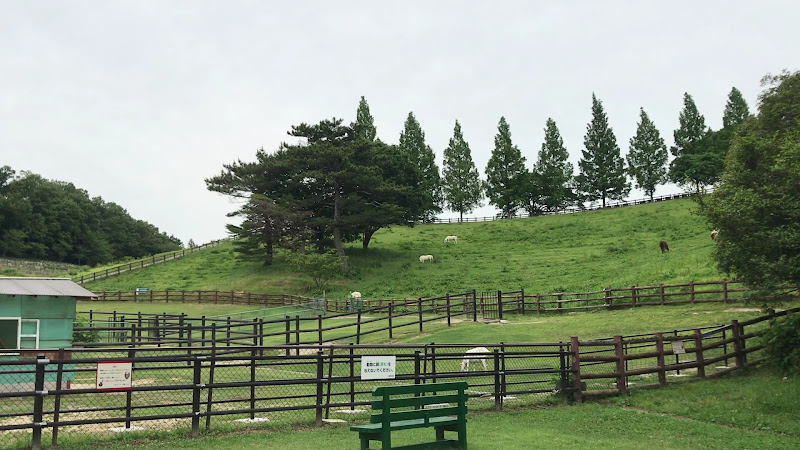
Kuragaike Park Zoo
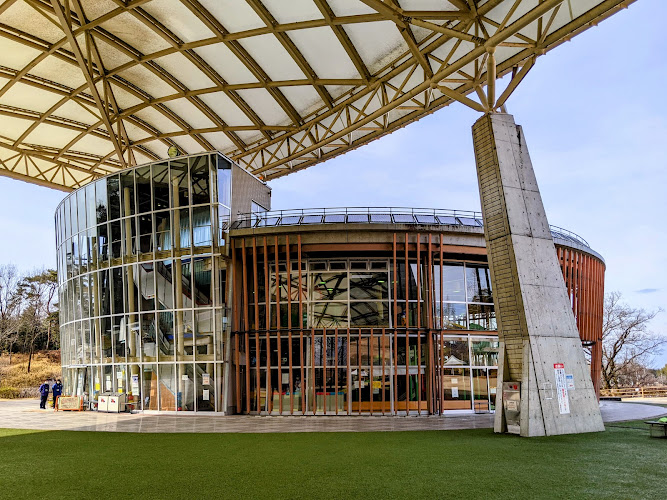
Kuragaike Park
Find Accommodations Nearby
Recommended Tours & Activities
Visitor Reviews
There are no reviews yet. Be the first one to write one.
Share Your Experience
Have you visited Sanshu Asukeyashiki? Help other travelers by leaving a review.