

Samadhi Buddha Statue
About Samadhi Buddha Statue
Description
The Samadhi Buddha Statue isn’t one of those touristy checklists where you brag about ticking off the day later. Honestly, arriving there feels somehow humbling, like you stumbled onto something that seems much bigger than just another “ancient relic.” Tall trees throw dappled shade and the hush wraps around you; it’s as if even the wind is trying to pay its respects. This is one of Sri Lanka’s most iconic Buddhist statues—peaceful, solid, simple, yet profoundly moving. And let me tell you, no matter how many glossy photos you browse, nothing really prepares you for seeing its calm gaze close up.
Legend hangs thick in the air. Locals will quietly tell you, maybe with a twinkle in their eye, about ancient monks who once meditated here, and how the Samadhi Buddha—carved from solid granite sometime in the 4th or 5th century—captures the moment Buddha entered the deepest state of meditation, Samadhi. It embodies serenity itself. No gold enamel or showy flourishes—just pure, classic artistry, all about grace and dignity.
Now, I’ll be candid, it’s not buzzing with crowds, except on certain festival days. That’s part of what makes it magical, I suppose. Sometimes you’ll see little children in crisp white uniforms on a field trip, or an elderly couple shuffling quietly, palms pressed together in respect. Travelers like you are drawn here, not for adrenalin, but for a peaceful moment and some real, tangible history you can feel rattling down to your toes. And hey, if you’re a photo buff, just wait until you see the light at sunset dancing across that ancient stone.
I’ve been twice, first as a tourist, then as a tagalong with a friend from the area. Each time, I left with a new appreciation for how a place can whisper rather than shout—offering you a bit of stillness, right in the middle of Sri Lanka’s sometimes noisy travel circuit. It’s wheelchair accessible too (nice touch, honestly), and if you’re visiting with kids, you’ll find they’re welcome, as long as everyone’s respectful.
Key Features
- Striking Ancient Sculpture: The Samadhi Buddha Statue stands about 8 feet tall, expertly hewn from a single block of dolomite marble. Its calm, symmetrical posture is the textbook Samadhi mudra (pose of deep meditation) and, fun fact, it’s considered one of the “Big Four” statues of ancient Anuradhapura.
- Atmospheric Grounds: The site is surrounded by lush greenery and old, crumbling ruins—perfect for slow wandering and travel photos you’ll actually want to show your friends.
- Historical Context: Thought to date back to the 4th-5th centuries, the statue echoes the artful finesse of ancient Sri Lankan stonemasonry. It draws art historians, spiritual seekers, and everyday wanderers, all sharing that same sense of silent awe.
- Insider Quietude: Even though tourists visit, the atmosphere is more contemplative than chaotic. Want to just sit and breathe? Go ahead, no one’s rushing you here.
- Wheelchair Accessibility: Both the parking and the site entrance cater to visitors with mobility needs—a feature not every Sri Lankan heritage place can claim, honestly.
- Photography Opportunities: The soft sunlight filtering through trees makes for moody, unforgettable shots—especially in the late afternoon. If you’re that Instagram person, you’ll thank yourself for timing your visit right.
- Family-Friendly: Kids are welcome, though you’ll want to keep them calm and explain the basics of temple etiquette.
Best Time to Visit
Okay, there’s a tiny secret here. While the Samadhi Buddha Statue is stunning year-round, the experience changes dramatically with the seasons. The best months are usually December through March—when Sri Lanka’s North Central Province is dry, skies are blue, and the temperature doesn’t feel like a sauna cranked to max. But early mornings or late afternoons, any time of year, are ideal. The golden hour light does magic things to that weathered stone. Trust me, even if you’re not a morning person, waking up early pays off—you get peace, cooler temps, and almost nobody else around.
If you do happen by during Vesak (big Buddhist festival, marking Buddha’s birth, enlightenment, and death), the place has a completely different energy. Lanterns, offerings, and respectful crowds lend it a festive-but-sacred air. Just know, it gets BUSY. For solo reflection and photos, stick to off-peak times. Sri Lankan public holidays? Either avoid, or lean into the humanity of it all and expect to make some new friends.
How to Get There
Right, let’s talk practicalities (because Sri Lankan signage can, uh, keep things interesting). If you’re coming from the city center of Anuradhapura, you can hop in a tuk-tuk or taxi—usually a 15-20 minute ride. Most tuk drivers know the way if you say “Samadhi Buddha.” Be warned, GPS can lead you on goat trails sometimes—stick to main roads if you can.
If you’re the bus type, local blue or red buses leave regularly, but you’ll need a bit of local advice to find the right stop. If you’re cycling (lots of travelers do—Anuradhapura is flat and there’s some fun in the freedom), expect a dusty but manageable 25-30 minute pedal. Bicycle rental shops are dotted all over the heritage city.
And here’s my little tip: combine the visit with other sites in the ancient city—Abhayagiri Dagoba, the Kuttam Pokuna (Twin Ponds), and the Bodhi Tree are all in the area, so you can do a DIY spiritual/history tour. Bring water—because it gets HOT, especially midday. Parking is available and not a hassle, and there’s a shaded spot to tie up your bike or park your ride.
Tips for Visiting
- Dress Respectfully: This is an active religious site, so cover your shoulders and knees. If you forget, some vendors offer shawls or sarongs for rent or sale nearby.
- Shoes Off, Please: Don’t forget to remove your shoes before entering the immediate area around the statue—and leave your hat off as a sign of respect. Socks can save your feet from baking on the hot stone.
- Quiet, Please: Even if you’re traveling with excitable friends or kiddos, try to keep voices down. It’s just the right thing here, trust me.
- Mind the Monkeys: Cheeky macaques hang out in the trees sometimes. They’re mostly harmless, but keep hold of your snacks and cameras!
- Photo Etiquette: Photos are welcome (honestly, you’ll want to snap a dozen), but avoid turning your back to the statue for selfies—locals find it disrespectful. If you’re unsure, observe what others are doing or ask gently.
- No Entry Fee: At last check, there’s no separate charge for visiting, though donations are appreciated by keepers for maintenance. Have a few small notes handy and don’t feel pressured—give what feels right.
- Stay Hydrated: Bring a water bottle. There aren’t many vendors directly at the site, but you can find some stalls with coconuts and snacks along the main road.
- Guide or No Guide? There’s no need for a formal guide unless you’re a history nerd (in which case, local guides really do have some wild stories). Otherwise, just relax and let the setting work its magic.
- Avoid Midday Heat: It bears repeating: Sri Lankan sun is no joke from 11am-3pm. Early or late is always better for comfort, mood, and the best photos.
One last thing—from someone who’s fallen for this humble old statue twice over—take a moment to sit and do absolutely nothing. Put your phone away. Listen to the wind and echo of a thousand years of quiet contemplation. Even if you aren’t usually the meditative type, there’s a kind of letting-go that can sneak up on you here. Maybe, just maybe, you’ll carry a bit of that peacefulness with you, Sultry Anuradhapura dust and all, the rest of your Sri Lankan adventure.
Key Features
- Key Features
- Best Time to Visit
- How to Get There
- Tips for Visiting
More Details
Updated June 9, 2025
Table of Contents
Description
The Samadhi Buddha Statue isn’t one of those touristy checklists where you brag about ticking off the day later. Honestly, arriving there feels somehow humbling, like you stumbled onto something that seems much bigger than just another “ancient relic.” Tall trees throw dappled shade and the hush wraps around you; it’s as if even the wind is trying to pay its respects. This is one of Sri Lanka’s most iconic Buddhist statues—peaceful, solid, simple, yet profoundly moving. And let me tell you, no matter how many glossy photos you browse, nothing really prepares you for seeing its calm gaze close up.
Legend hangs thick in the air. Locals will quietly tell you, maybe with a twinkle in their eye, about ancient monks who once meditated here, and how the Samadhi Buddha—carved from solid granite sometime in the 4th or 5th century—captures the moment Buddha entered the deepest state of meditation, Samadhi. It embodies serenity itself. No gold enamel or showy flourishes—just pure, classic artistry, all about grace and dignity.
Now, I’ll be candid, it’s not buzzing with crowds, except on certain festival days. That’s part of what makes it magical, I suppose. Sometimes you’ll see little children in crisp white uniforms on a field trip, or an elderly couple shuffling quietly, palms pressed together in respect. Travelers like you are drawn here, not for adrenalin, but for a peaceful moment and some real, tangible history you can feel rattling down to your toes. And hey, if you’re a photo buff, just wait until you see the light at sunset dancing across that ancient stone.
I’ve been twice, first as a tourist, then as a tagalong with a friend from the area. Each time, I left with a new appreciation for how a place can whisper rather than shout—offering you a bit of stillness, right in the middle of Sri Lanka’s sometimes noisy travel circuit. It’s wheelchair accessible too (nice touch, honestly), and if you’re visiting with kids, you’ll find they’re welcome, as long as everyone’s respectful.
Key Features
- Striking Ancient Sculpture: The Samadhi Buddha Statue stands about 8 feet tall, expertly hewn from a single block of dolomite marble. Its calm, symmetrical posture is the textbook Samadhi mudra (pose of deep meditation) and, fun fact, it’s considered one of the “Big Four” statues of ancient Anuradhapura.
- Atmospheric Grounds: The site is surrounded by lush greenery and old, crumbling ruins—perfect for slow wandering and travel photos you’ll actually want to show your friends.
- Historical Context: Thought to date back to the 4th-5th centuries, the statue echoes the artful finesse of ancient Sri Lankan stonemasonry. It draws art historians, spiritual seekers, and everyday wanderers, all sharing that same sense of silent awe.
- Insider Quietude: Even though tourists visit, the atmosphere is more contemplative than chaotic. Want to just sit and breathe? Go ahead, no one’s rushing you here.
- Wheelchair Accessibility: Both the parking and the site entrance cater to visitors with mobility needs—a feature not every Sri Lankan heritage place can claim, honestly.
- Photography Opportunities: The soft sunlight filtering through trees makes for moody, unforgettable shots—especially in the late afternoon. If you’re that Instagram person, you’ll thank yourself for timing your visit right.
- Family-Friendly: Kids are welcome, though you’ll want to keep them calm and explain the basics of temple etiquette.
Best Time to Visit
Okay, there’s a tiny secret here. While the Samadhi Buddha Statue is stunning year-round, the experience changes dramatically with the seasons. The best months are usually December through March—when Sri Lanka’s North Central Province is dry, skies are blue, and the temperature doesn’t feel like a sauna cranked to max. But early mornings or late afternoons, any time of year, are ideal. The golden hour light does magic things to that weathered stone. Trust me, even if you’re not a morning person, waking up early pays off—you get peace, cooler temps, and almost nobody else around.
If you do happen by during Vesak (big Buddhist festival, marking Buddha’s birth, enlightenment, and death), the place has a completely different energy. Lanterns, offerings, and respectful crowds lend it a festive-but-sacred air. Just know, it gets BUSY. For solo reflection and photos, stick to off-peak times. Sri Lankan public holidays? Either avoid, or lean into the humanity of it all and expect to make some new friends.
How to Get There
Right, let’s talk practicalities (because Sri Lankan signage can, uh, keep things interesting). If you’re coming from the city center of Anuradhapura, you can hop in a tuk-tuk or taxi—usually a 15-20 minute ride. Most tuk drivers know the way if you say “Samadhi Buddha.” Be warned, GPS can lead you on goat trails sometimes—stick to main roads if you can.
If you’re the bus type, local blue or red buses leave regularly, but you’ll need a bit of local advice to find the right stop. If you’re cycling (lots of travelers do—Anuradhapura is flat and there’s some fun in the freedom), expect a dusty but manageable 25-30 minute pedal. Bicycle rental shops are dotted all over the heritage city.
And here’s my little tip: combine the visit with other sites in the ancient city—Abhayagiri Dagoba, the Kuttam Pokuna (Twin Ponds), and the Bodhi Tree are all in the area, so you can do a DIY spiritual/history tour. Bring water—because it gets HOT, especially midday. Parking is available and not a hassle, and there’s a shaded spot to tie up your bike or park your ride.
Tips for Visiting
- Dress Respectfully: This is an active religious site, so cover your shoulders and knees. If you forget, some vendors offer shawls or sarongs for rent or sale nearby.
- Shoes Off, Please: Don’t forget to remove your shoes before entering the immediate area around the statue—and leave your hat off as a sign of respect. Socks can save your feet from baking on the hot stone.
- Quiet, Please: Even if you’re traveling with excitable friends or kiddos, try to keep voices down. It’s just the right thing here, trust me.
- Mind the Monkeys: Cheeky macaques hang out in the trees sometimes. They’re mostly harmless, but keep hold of your snacks and cameras!
- Photo Etiquette: Photos are welcome (honestly, you’ll want to snap a dozen), but avoid turning your back to the statue for selfies—locals find it disrespectful. If you’re unsure, observe what others are doing or ask gently.
- No Entry Fee: At last check, there’s no separate charge for visiting, though donations are appreciated by keepers for maintenance. Have a few small notes handy and don’t feel pressured—give what feels right.
- Stay Hydrated: Bring a water bottle. There aren’t many vendors directly at the site, but you can find some stalls with coconuts and snacks along the main road.
- Guide or No Guide? There’s no need for a formal guide unless you’re a history nerd (in which case, local guides really do have some wild stories). Otherwise, just relax and let the setting work its magic.
- Avoid Midday Heat: It bears repeating: Sri Lankan sun is no joke from 11am-3pm. Early or late is always better for comfort, mood, and the best photos.
One last thing—from someone who’s fallen for this humble old statue twice over—take a moment to sit and do absolutely nothing. Put your phone away. Listen to the wind and echo of a thousand years of quiet contemplation. Even if you aren’t usually the meditative type, there’s a kind of letting-go that can sneak up on you here. Maybe, just maybe, you’ll carry a bit of that peacefulness with you, Sultry Anuradhapura dust and all, the rest of your Sri Lankan adventure.
Key Highlights
- Key Features
- Best Time to Visit
- How to Get There
- Tips for Visiting
Location
Places to Stay Near Samadhi Buddha Statue
Find and Book a Tour
Explore More Travel Guides
No reviews found! Be the first to review!
Traveler Reviews for Samadhi Buddha Statue
There are no reviews yet. Be the first one to write one.
Have you visited Samadhi Buddha Statue? Help other travelers by sharing your review.
You Might Also Like
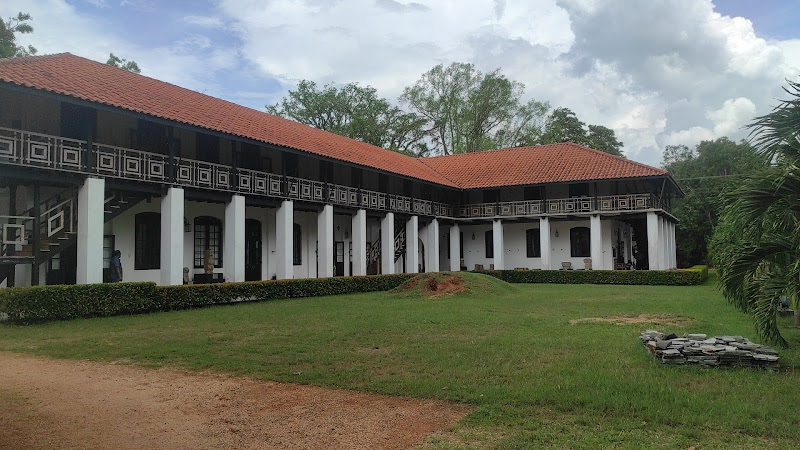
Archaeological Museum, Anuradhapura
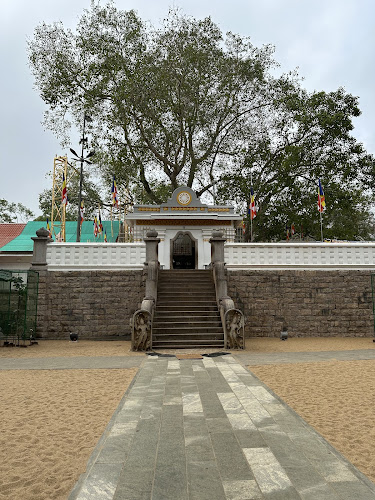
Sri Maha Bodhi
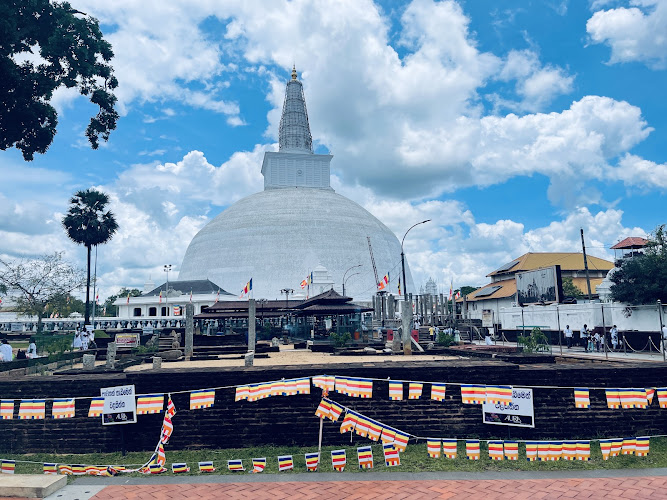
Maha Viharaya, Anuradhapura
Find Accommodations Nearby
Recommended Tours & Activities
Visitor Reviews
There are no reviews yet. Be the first one to write one.
Share Your Experience
Have you visited Samadhi Buddha Statue? Help other travelers by leaving a review.