
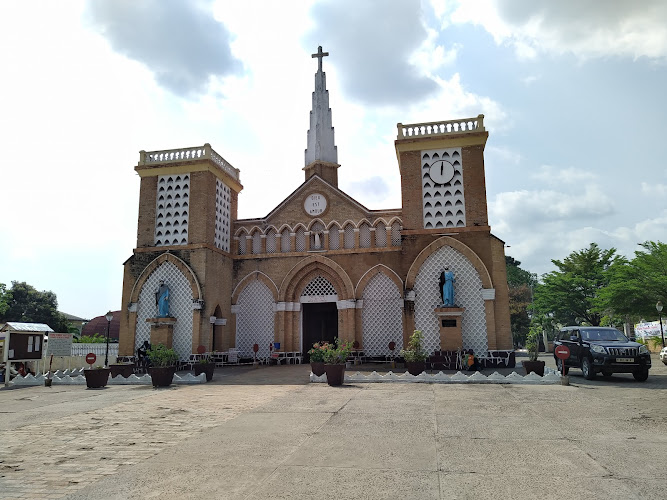
Sacred Heart Cathedral
About Sacred Heart Cathedral
Description
The Sacred Heart Cathedral in Brazzaville is one of those places that quietly takes your breath away the moment you step inside. It’s not just another church—it’s a living piece of Congo’s soul, a space where history, faith, and architecture meet in a way that feels deeply personal. Built during the early colonial period, the cathedral has stood through decades of change, conflict, and renewal, yet its red-brick façade and twin towers still rise proudly above the city’s skyline.
When you walk through its doors, the air feels cooler, calmer—almost as if the world outside slows down for a moment. The stained-glass windows cast soft colors across the stone floor, and the sound of the choir, if you’re lucky enough to catch them practicing, fills the space with a kind of peace that’s hard to describe. It’s not grand in the same way as the cathedrals of Europe, but there’s something raw and authentic about it. The Sacred Heart Cathedral has character—aged walls, slightly uneven pews, and all.
The cathedral serves as both a place of worship and a community anchor. Locals come here not only for Mass but also to gather, reflect, and celebrate milestones. Travelers often find themselves drawn here by curiosity, but they leave with something more—a sense of connection to Brazzaville’s heart. It’s one of those places that makes you pause and think, maybe even whisper a little prayer, whether you’re religious or not.
Key Features
- Architectural Heritage: A classic example of early 20th-century colonial church design, featuring red brickwork, twin bell towers, and a high vaulted ceiling that gives the interior a sense of grandeur without being overwhelming.
- Rich Cultural Significance: The cathedral is not just a religious site but a symbol of Brazzaville’s spiritual endurance and unity through decades of history.
- Choir Performances: The resident choir is known for their powerful harmonies—if you catch a rehearsal or service, you’ll understand why many visitors describe it as a highlight of their trip.
- Accessibility: The cathedral provides wheelchair-accessible entrances, restrooms, and parking, making it one of the more inclusive historical sites in the city.
- Peaceful Ambiance: Despite being in the heart of the city, the cathedral’s interior offers a rare quietness that feels like stepping into another world.
- Community Connection: Regular religious ceremonies, weddings, and local events give travelers a glimpse into the daily life and traditions of Brazzaville’s residents.
Best Time to Visit
If you ask me, mornings are the best time to visit. The light spills through the stained glass in a way that makes the whole interior glow—soft, golden, and almost otherworldly. Early visits also mean fewer people, so you can take your time wandering the aisles, admiring the details, and maybe sitting for a quiet moment of reflection.
Sundays, of course, are special. The cathedral comes alive with song, prayer, and energy that’s contagious even if you don’t understand the language. It’s one of those experiences that reminds you how powerful community can be. Just keep in mind that it can get quite busy, so arrive early if you want a seat.
Weather-wise, Brazzaville’s dry season (June to September) makes for comfortable sightseeing, but even during the rainy months, the cathedral’s interior offers a cozy refuge from the downpour. There’s something almost magical about listening to rain tapping on the roof while the choir sings in the background.
How to Get There
Reaching the Sacred Heart Cathedral is relatively straightforward if you’re already exploring central Brazzaville. Taxis are abundant and affordable, and most drivers will know exactly where you want to go if you simply mention “Cathédrale du Sacré-Cœur.” For those who enjoy walking, it’s a pleasant stroll from several nearby landmarks, and the route itself offers a glimpse into daily city life—vendors, schoolchildren, and the hum of traffic blending into a rhythm that feels uniquely Congolese.
If you’re traveling independently, consider hiring a local guide. Not only will they help you navigate the area, but they’ll also share stories and insights about the cathedral’s past that you won’t find in any brochure. I once spent an afternoon chatting with an elderly local who told me how the cathedral’s bells were once used to signal safety during turbulent times—a detail that made me appreciate the building even more.
Tips for Visiting
A few small things can make your visit smoother and more meaningful. First, dress modestly—this is an active place of worship, and respectful attire goes a long way. Light, breathable clothing works best given the city’s warm climate. Second, if you plan to take photos, ask for permission, especially during services. The locals are usually welcoming, but courtesy is always appreciated.
Bring a bottle of water and maybe a small notebook. I found myself jotting down thoughts while sitting quietly in one of the pews—it’s that kind of place. And if you’re lucky enough to visit during a choir performance, don’t rush off afterward. Spend a few minutes outside, where you can hear the faint echo of voices fading into the city noise. It’s oddly grounding.
For those with mobility needs, the cathedral’s accessible entrances and restrooms make it easy to explore comfortably. The staff and parishioners are friendly and often go out of their way to assist visitors. And if you’re traveling with kids, they’ll likely enjoy spotting the intricate details in the stained glass or lighting a candle at the altar.
Lastly, take your time. The Sacred Heart Cathedral isn’t the kind of place you “check off” a list. It’s one you experience. Whether you’re a history buff, a photographer, or simply someone seeking a quiet moment in the middle of a bustling city, this cathedral has a way of staying with you long after you’ve left its doors.
Maybe that’s the real beauty of it. It’s not perfect—some walls are weathered, the paint has faded in spots—but that’s exactly what makes it special. It’s a living, breathing part of Brazzaville’s story, and if you give it a bit of your time, it’ll give you something back—peace, perspective, or maybe just a memory you’ll carry for years.
Key Features
- Key Features
- Best Time to Visit
- How to Get There
- Tips for Visiting
More Details
Updated October 11, 2025
Table of Contents
Description
The Sacred Heart Cathedral in Brazzaville is one of those places that quietly takes your breath away the moment you step inside. It’s not just another church—it’s a living piece of Congo’s soul, a space where history, faith, and architecture meet in a way that feels deeply personal. Built during the early colonial period, the cathedral has stood through decades of change, conflict, and renewal, yet its red-brick façade and twin towers still rise proudly above the city’s skyline.
When you walk through its doors, the air feels cooler, calmer—almost as if the world outside slows down for a moment. The stained-glass windows cast soft colors across the stone floor, and the sound of the choir, if you’re lucky enough to catch them practicing, fills the space with a kind of peace that’s hard to describe. It’s not grand in the same way as the cathedrals of Europe, but there’s something raw and authentic about it. The Sacred Heart Cathedral has character—aged walls, slightly uneven pews, and all.
The cathedral serves as both a place of worship and a community anchor. Locals come here not only for Mass but also to gather, reflect, and celebrate milestones. Travelers often find themselves drawn here by curiosity, but they leave with something more—a sense of connection to Brazzaville’s heart. It’s one of those places that makes you pause and think, maybe even whisper a little prayer, whether you’re religious or not.
Key Features
- Architectural Heritage: A classic example of early 20th-century colonial church design, featuring red brickwork, twin bell towers, and a high vaulted ceiling that gives the interior a sense of grandeur without being overwhelming.
- Rich Cultural Significance: The cathedral is not just a religious site but a symbol of Brazzaville’s spiritual endurance and unity through decades of history.
- Choir Performances: The resident choir is known for their powerful harmonies—if you catch a rehearsal or service, you’ll understand why many visitors describe it as a highlight of their trip.
- Accessibility: The cathedral provides wheelchair-accessible entrances, restrooms, and parking, making it one of the more inclusive historical sites in the city.
- Peaceful Ambiance: Despite being in the heart of the city, the cathedral’s interior offers a rare quietness that feels like stepping into another world.
- Community Connection: Regular religious ceremonies, weddings, and local events give travelers a glimpse into the daily life and traditions of Brazzaville’s residents.
Best Time to Visit
If you ask me, mornings are the best time to visit. The light spills through the stained glass in a way that makes the whole interior glow—soft, golden, and almost otherworldly. Early visits also mean fewer people, so you can take your time wandering the aisles, admiring the details, and maybe sitting for a quiet moment of reflection.
Sundays, of course, are special. The cathedral comes alive with song, prayer, and energy that’s contagious even if you don’t understand the language. It’s one of those experiences that reminds you how powerful community can be. Just keep in mind that it can get quite busy, so arrive early if you want a seat.
Weather-wise, Brazzaville’s dry season (June to September) makes for comfortable sightseeing, but even during the rainy months, the cathedral’s interior offers a cozy refuge from the downpour. There’s something almost magical about listening to rain tapping on the roof while the choir sings in the background.
How to Get There
Reaching the Sacred Heart Cathedral is relatively straightforward if you’re already exploring central Brazzaville. Taxis are abundant and affordable, and most drivers will know exactly where you want to go if you simply mention “Cathédrale du Sacré-Cœur.” For those who enjoy walking, it’s a pleasant stroll from several nearby landmarks, and the route itself offers a glimpse into daily city life—vendors, schoolchildren, and the hum of traffic blending into a rhythm that feels uniquely Congolese.
If you’re traveling independently, consider hiring a local guide. Not only will they help you navigate the area, but they’ll also share stories and insights about the cathedral’s past that you won’t find in any brochure. I once spent an afternoon chatting with an elderly local who told me how the cathedral’s bells were once used to signal safety during turbulent times—a detail that made me appreciate the building even more.
Tips for Visiting
A few small things can make your visit smoother and more meaningful. First, dress modestly—this is an active place of worship, and respectful attire goes a long way. Light, breathable clothing works best given the city’s warm climate. Second, if you plan to take photos, ask for permission, especially during services. The locals are usually welcoming, but courtesy is always appreciated.
Bring a bottle of water and maybe a small notebook. I found myself jotting down thoughts while sitting quietly in one of the pews—it’s that kind of place. And if you’re lucky enough to visit during a choir performance, don’t rush off afterward. Spend a few minutes outside, where you can hear the faint echo of voices fading into the city noise. It’s oddly grounding.
For those with mobility needs, the cathedral’s accessible entrances and restrooms make it easy to explore comfortably. The staff and parishioners are friendly and often go out of their way to assist visitors. And if you’re traveling with kids, they’ll likely enjoy spotting the intricate details in the stained glass or lighting a candle at the altar.
Lastly, take your time. The Sacred Heart Cathedral isn’t the kind of place you “check off” a list. It’s one you experience. Whether you’re a history buff, a photographer, or simply someone seeking a quiet moment in the middle of a bustling city, this cathedral has a way of staying with you long after you’ve left its doors.
Maybe that’s the real beauty of it. It’s not perfect—some walls are weathered, the paint has faded in spots—but that’s exactly what makes it special. It’s a living, breathing part of Brazzaville’s story, and if you give it a bit of your time, it’ll give you something back—peace, perspective, or maybe just a memory you’ll carry for years.
Key Highlights
- Key Features
- Best Time to Visit
- How to Get There
- Tips for Visiting
Location
Places to Stay Near Sacred Heart Cathedral
Find and Book a Tour
Explore More Travel Guides
No reviews found! Be the first to review!
Traveler Reviews for Sacred Heart Cathedral
There are no reviews yet. Be the first one to write one.
Have you visited Sacred Heart Cathedral? Help other travelers by sharing your review.
You Might Also Like
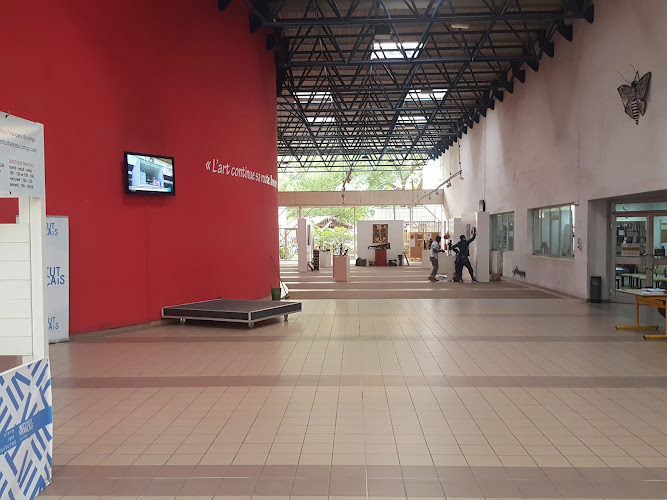
I.F.C Institut Français du Congo
Wild Safari Tours

Zoological and Botanical Park of Brazzaville
Find Accommodations Nearby
Recommended Tours & Activities
Visitor Reviews
There are no reviews yet. Be the first one to write one.
Share Your Experience
Have you visited Sacred Heart Cathedral? Help other travelers by leaving a review.