
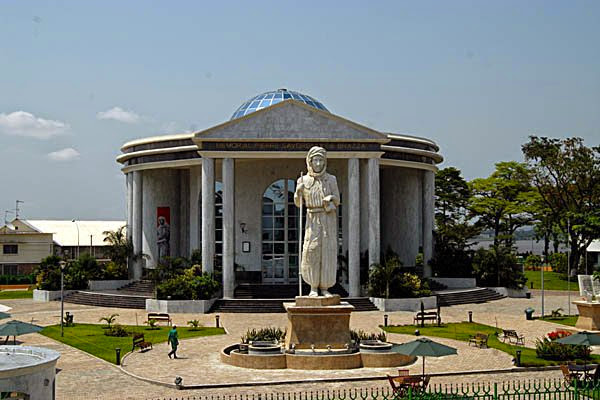
Pierre Savorgnan de Brazza Memorial
About Pierre Savorgnan de Brazza Memorial
Description
In the heart of Brazzaville stands a structure that’s as imposing as it is intriguing — the Pierre Savorgnan de Brazza Memorial. This marble-and-glass mausoleum isn’t just another museum; it’s a layered piece of Congolese history, politics, and identity all wrapped into one striking monument. Built in 2006, the memorial honors Pierre Savorgnan de Brazza, the Italian-French explorer credited with founding the city of Brazzaville in the late 19th century. But as anyone who’s ever visited will tell you, the story behind this place goes far beyond one man’s legacy. It’s a conversation starter — about colonialism, memory, and how nations choose to remember their past.
Walking up to the memorial, you can’t help but feel a little awed. The white marble gleams under the Congolese sun, and the glass panels reflect both the sky and the pulse of modern Brazzaville. Inside, the air is cool and quiet, with exhibits tracing the history of the Congo through artifacts, photographs, and personal items connected to de Brazza and his era. There’s a sense of reverence here, but also curiosity. Some visitors come to admire the architecture, others to reflect on what this place represents — a blend of pride, pain, and progress.
Personally, I found the experience surprisingly emotional. Maybe it’s because I’ve always been fascinated by how history is told — who gets remembered and who doesn’t. The memorial doesn’t shy away from that complexity. It’s both a tribute and a challenge, inviting you to look deeper into the country’s colonial past and its continuing journey toward self-definition. And honestly, that’s what makes it worth visiting. It’s not just a pretty building — it’s a living dialogue between past and present.
Key Features
- Architectural Marvel: The memorial is a $10 million structure made of white marble and glass, symbolizing purity and transparency — though locals sometimes debate its meaning.
- Historical Exhibits: Displays include personal belongings of Pierre Savorgnan de Brazza, maps, and documents that trace the early exploration of Central Africa.
- Mausoleum: The explorer’s remains, along with those of his wife and children, rest here, making it both a museum and a sacred site.
- Cultural Reflection: The site sparks discussions about colonial history and modern Congolese identity — making it as much a place for thought as for sightseeing.
- Accessibility: The memorial is wheelchair accessible, with ramps, restrooms, and parking designed for visitors with mobility needs.
- Family-Friendly: It’s suitable for children, offering an educational experience that brings history to life without being overwhelming.
- On-Site Amenities: Visitors can find restrooms and a small restaurant nearby, perfect for a short break after exploring the exhibits.
Best Time to Visit
Brazzaville has a tropical climate, which means it’s warm and humid most of the year. If you want to explore comfortably, aim for the dry season — typically from June to September. The skies are clearer, and walking around the city feels a lot easier without the afternoon downpours. That said, there’s something oddly charming about visiting during the rainy season too. The marble of the memorial glistens when wet, and the crowds tend to thin out, giving you more space to wander and reflect.
Morning visits are ideal if you prefer a quieter atmosphere. The light filters beautifully through the glass façade, and you can take your time without the midday heat pressing down. Late afternoons are also lovely, especially if you’re into photography — the golden light paints the marble in warm hues that make for stunning shots.
How to Get There
The Pierre Savorgnan de Brazza Memorial sits right in the center of Brazzaville, making it easy to reach from most parts of the city. If you’re staying downtown, a short taxi ride will get you there in minutes. Many hotels can arrange transportation, and some even include it in guided city tours.
For those who enjoy exploring on foot, the memorial’s location near major intersections means you can pair your visit with a stroll through nearby landmarks and local markets. Just remember that Brazzaville’s midday sun can be intense — bring water, sunscreen, and perhaps a hat. And if you’re traveling with kids or older family members, it’s good to know that the site has wheelchair-friendly paths and shaded areas to rest.
If you’re coming from across the river in Kinshasa, ferries connect the two capitals daily. Once you arrive at the Brazzaville port, taxis are readily available to take you straight to the memorial. It’s a quick and scenic ride, offering glimpses of the city’s colonial architecture and modern rhythm along the way.
Tips for Visiting
Before you go, here are a few things I wish I’d known. First — take your time. This isn’t a place you rush through. The exhibits might not be massive, but they’re packed with detail. Read the plaques, watch the short films, and chat with the guides if you can. They often share stories you won’t find in any brochure, like how the memorial was received when it first opened or how locals interpret its symbolism today.
Second, bring a camera, but be respectful. Some areas inside the mausoleum may restrict photography, especially where the remains are interred. Always ask before snapping pictures. Outside, though, you’ll find endless photo opportunities — from the sweeping marble staircase to the reflective glass panels that mirror the city skyline.
Third, if you’re traveling with kids, this can be a surprisingly engaging stop. The museum’s layout is open and easy to navigate, and the visuals — maps, statues, and even the architecture itself — help make history tangible. There’s enough space for children to move around without feeling confined, and the staff are generally welcoming to families.
And a little personal note — I’d recommend grabbing a coffee or a cold drink at the small restaurant near the entrance after your visit. Sitting there, watching people come and go, gives you a quiet moment to process everything you’ve seen. It’s one of those rare places where the past feels close enough to touch, yet the energy of the city reminds you that life keeps moving forward.
Lastly, approach the memorial with an open mind. Some visitors see it as a symbol of respect for history, others as a reminder of colonial wounds. Both perspectives are valid. That’s the beauty of this place — it doesn’t tell you what to think; it invites you to feel, to question, and to connect. Whether you’re a history buff, a curious traveler, or simply someone who enjoys meaningful spaces, the Pierre Savorgnan de Brazza Memorial offers an experience that lingers long after you’ve left.
So if you ever find yourself in Brazzaville, don’t skip it. Go, wander, listen, and maybe — like me — you’ll leave with more questions than answers, but also with a deeper appreciation for how history continues to shape the world we walk through today.
Key Features
- Key Features
- Best Time to Visit
- How to Get There
- Tips for Visiting
More Details
Updated October 11, 2025
Table of Contents
- Description
- Key Features
- Best Time to Visit
- How to Get There
- Tips for Visiting
- Key Highlights
- Location
- Places to Stay Near Pierre Savorgnan de Brazza Memorial
- Find and Book a Tour
- Explore More Travel Guides
- Nearby Places You Might Like
- Traveler Reviews for Pierre Savorgnan de Brazza Memorial
- Share Your Experience
Description
In the heart of Brazzaville stands a structure that’s as imposing as it is intriguing — the Pierre Savorgnan de Brazza Memorial. This marble-and-glass mausoleum isn’t just another museum; it’s a layered piece of Congolese history, politics, and identity all wrapped into one striking monument. Built in 2006, the memorial honors Pierre Savorgnan de Brazza, the Italian-French explorer credited with founding the city of Brazzaville in the late 19th century. But as anyone who’s ever visited will tell you, the story behind this place goes far beyond one man’s legacy. It’s a conversation starter — about colonialism, memory, and how nations choose to remember their past.
Walking up to the memorial, you can’t help but feel a little awed. The white marble gleams under the Congolese sun, and the glass panels reflect both the sky and the pulse of modern Brazzaville. Inside, the air is cool and quiet, with exhibits tracing the history of the Congo through artifacts, photographs, and personal items connected to de Brazza and his era. There’s a sense of reverence here, but also curiosity. Some visitors come to admire the architecture, others to reflect on what this place represents — a blend of pride, pain, and progress.
Personally, I found the experience surprisingly emotional. Maybe it’s because I’ve always been fascinated by how history is told — who gets remembered and who doesn’t. The memorial doesn’t shy away from that complexity. It’s both a tribute and a challenge, inviting you to look deeper into the country’s colonial past and its continuing journey toward self-definition. And honestly, that’s what makes it worth visiting. It’s not just a pretty building — it’s a living dialogue between past and present.
Key Features
- Architectural Marvel: The memorial is a $10 million structure made of white marble and glass, symbolizing purity and transparency — though locals sometimes debate its meaning.
- Historical Exhibits: Displays include personal belongings of Pierre Savorgnan de Brazza, maps, and documents that trace the early exploration of Central Africa.
- Mausoleum: The explorer’s remains, along with those of his wife and children, rest here, making it both a museum and a sacred site.
- Cultural Reflection: The site sparks discussions about colonial history and modern Congolese identity — making it as much a place for thought as for sightseeing.
- Accessibility: The memorial is wheelchair accessible, with ramps, restrooms, and parking designed for visitors with mobility needs.
- Family-Friendly: It’s suitable for children, offering an educational experience that brings history to life without being overwhelming.
- On-Site Amenities: Visitors can find restrooms and a small restaurant nearby, perfect for a short break after exploring the exhibits.
Best Time to Visit
Brazzaville has a tropical climate, which means it’s warm and humid most of the year. If you want to explore comfortably, aim for the dry season — typically from June to September. The skies are clearer, and walking around the city feels a lot easier without the afternoon downpours. That said, there’s something oddly charming about visiting during the rainy season too. The marble of the memorial glistens when wet, and the crowds tend to thin out, giving you more space to wander and reflect.
Morning visits are ideal if you prefer a quieter atmosphere. The light filters beautifully through the glass façade, and you can take your time without the midday heat pressing down. Late afternoons are also lovely, especially if you’re into photography — the golden light paints the marble in warm hues that make for stunning shots.
How to Get There
The Pierre Savorgnan de Brazza Memorial sits right in the center of Brazzaville, making it easy to reach from most parts of the city. If you’re staying downtown, a short taxi ride will get you there in minutes. Many hotels can arrange transportation, and some even include it in guided city tours.
For those who enjoy exploring on foot, the memorial’s location near major intersections means you can pair your visit with a stroll through nearby landmarks and local markets. Just remember that Brazzaville’s midday sun can be intense — bring water, sunscreen, and perhaps a hat. And if you’re traveling with kids or older family members, it’s good to know that the site has wheelchair-friendly paths and shaded areas to rest.
If you’re coming from across the river in Kinshasa, ferries connect the two capitals daily. Once you arrive at the Brazzaville port, taxis are readily available to take you straight to the memorial. It’s a quick and scenic ride, offering glimpses of the city’s colonial architecture and modern rhythm along the way.
Tips for Visiting
Before you go, here are a few things I wish I’d known. First — take your time. This isn’t a place you rush through. The exhibits might not be massive, but they’re packed with detail. Read the plaques, watch the short films, and chat with the guides if you can. They often share stories you won’t find in any brochure, like how the memorial was received when it first opened or how locals interpret its symbolism today.
Second, bring a camera, but be respectful. Some areas inside the mausoleum may restrict photography, especially where the remains are interred. Always ask before snapping pictures. Outside, though, you’ll find endless photo opportunities — from the sweeping marble staircase to the reflective glass panels that mirror the city skyline.
Third, if you’re traveling with kids, this can be a surprisingly engaging stop. The museum’s layout is open and easy to navigate, and the visuals — maps, statues, and even the architecture itself — help make history tangible. There’s enough space for children to move around without feeling confined, and the staff are generally welcoming to families.
And a little personal note — I’d recommend grabbing a coffee or a cold drink at the small restaurant near the entrance after your visit. Sitting there, watching people come and go, gives you a quiet moment to process everything you’ve seen. It’s one of those rare places where the past feels close enough to touch, yet the energy of the city reminds you that life keeps moving forward.
Lastly, approach the memorial with an open mind. Some visitors see it as a symbol of respect for history, others as a reminder of colonial wounds. Both perspectives are valid. That’s the beauty of this place — it doesn’t tell you what to think; it invites you to feel, to question, and to connect. Whether you’re a history buff, a curious traveler, or simply someone who enjoys meaningful spaces, the Pierre Savorgnan de Brazza Memorial offers an experience that lingers long after you’ve left.
So if you ever find yourself in Brazzaville, don’t skip it. Go, wander, listen, and maybe — like me — you’ll leave with more questions than answers, but also with a deeper appreciation for how history continues to shape the world we walk through today.
Key Highlights
- Key Features
- Best Time to Visit
- How to Get There
- Tips for Visiting
Location
Places to Stay Near Pierre Savorgnan de Brazza Memorial
Find and Book a Tour
Explore More Travel Guides
No reviews found! Be the first to review!
Traveler Reviews for Pierre Savorgnan de Brazza Memorial
There are no reviews yet. Be the first one to write one.
Have you visited Pierre Savorgnan de Brazza Memorial? Help other travelers by sharing your review.
You Might Also Like

Zoological and Botanical Park of Brazzaville
Wild Safari Tours
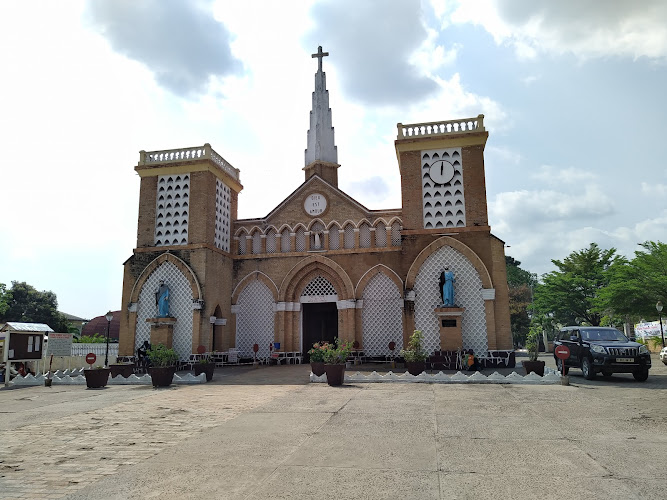
Sacred Heart Cathedral
Find Accommodations Nearby
Recommended Tours & Activities
Visitor Reviews
There are no reviews yet. Be the first one to write one.
Share Your Experience
Have you visited Pierre Savorgnan de Brazza Memorial? Help other travelers by leaving a review.