
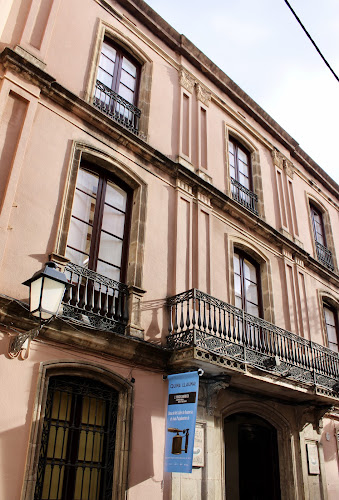
Sabadell History Museum
About Sabadell History Museum
Description
The Sabadell History Museum stands as the citys principal history museum, a compact but thoughtfully curated museum that traces Sabadells transformation from an agrarian village into one of Catalonias most important textile centers. Located in the historic center, the museum focuses on local identity, industrial heritage, and the everyday lives of people who built the city. Its exhibitions combine objects, photographs, and oral histories to tell a story that is both regional — rooted in Catalonia and greater Barcelona — and surprisingly intimate.
Rather than overwhelming visitors with vast rooms and massive collections, the museum opts for a measured, narrative-driven approach. The permanent displays walk visitors through centuries: archaeological finds hint at Roman and medieval presences; later rooms document the explosive growth of the 19th- and 20th-century textile industry; and contemporary exhibits reflect on urban change and culture today. There is a special emphasis on textiles — after all, Sabadell was long famed for wool and textile production — so expect displays that explain machinery, worker life, and how fabric and trade shaped neighborhoods.
The Sabadell History Museum is also more than glass cases and labels. Live performances and periodic events bring the past to life — sometimes in the form of music, sometimes theatrical readings, occasionally workshops where children (and adults with curious hands) try traditional crafts. The museum atmosphere feels local: community-oriented, often cooperative with local historians and schools, and surprisingly warm for a municipal space.
Accessibility is taken seriously. There is a wheelchair-accessible entrance and restroom, gender-neutral facilities, and Wi-Fi for visitors who want to look up references or share photos. There is no onsite restaurant, so visitors should factor that into a half-day plan around the neighborhood cafes. The place tends to be family-friendly and is generally recommended as a good museum for kids: interactive corners, kid-oriented explanations and occasional hands-on activities help younger visitors connect with Sabadells city history.
It is worth noting that the museum is a local council-run institution with modest resources. That means some displays are elegantly simple rather than flashy; sometimes interpretive materials could be clearer for non-Catalan speakers. Still, many visitors leave with a deeper appreciation of the region’s industrial heritage, the role of Catalan textile towns in Spain’s economic history, and the small personal stories that make local history compelling.
For travelers piecing together a Barcelona-area itinerary, this museum is a smart detour. It provides context to the urban landscape of Sabadell, offers a quieter alternative to the busier museums in central Barcelona, and rewards those who like to dig a little deeper into how cities transform. And, just between the lines — the author of this guide remembers a drizzle-soaked afternoon in Sabadell when a sudden live music performance in the museum courtyard turned a routine visit into a memorable, slightly magical moment. Small museums do that: they surprise.
Key Features
- Focus on Sabadell city history and the evolution of the textile industry in Catalonia, with strong interpretive displays about wool and industrial heritage
- Permanent and rotating exhibitions that combine archaeology, archival photography, oral histories and industrial objects
- Live performances and cultural events that animate the collections and create a community feel
- Family-friendly programming and kid-oriented displays that make history accessible for young visitors
- Wheelchair-accessible entrance and restroom; gender-neutral restroom available
- Free or reliable Wi-Fi for research, sharing photos or following catalog content (check at reception for access)
- Small, manageable layout—ideal for a concise cultural stop of one to two hours
- Multilingual signage in Catalan and Spanish; English information varies by exhibit, so plan ahead if language support is critical
- Community-driven exhibitions often developed with local historians, schools and cultural groups
Best Time to Visit
The best time to visit the Sabadell History Museum depends on what the traveler wants. Weekday mornings tend to be the quietest; this is when guided visits and school groups are less likely to dominate gallery spaces, which is perfect for contemplative visitors who like to linger over textile samples or read long captions. Late afternoons are often livelier, especially when the museum hosts live performances or temporary exhibits — those can be delightful surprises but sometimes bring a crowd.
Seasonally, spring and autumn are ideal for combining the museum with a pleasant stroll around the city. Summers in the Barcelona region can be warm and sticky; the museum offers a cool indoor respite, but be aware that local families often visit during hot months, so galleries may be busier. Winter months are quieter, and holiday programming sometimes includes special family events or workshops.
For travelers prioritizing unique experiences, check the museums events calendar before arriving. Live performances are a highlight and not on every day. If a traveler wants to catch one of those, aim for cultural festival days or long weekends when municipal programming typically ramps up. And if a visitor is juggling a Barcelona itinerary, midday or early afternoon stops work well: a museum visit followed by coffee in a nearby cafe or an exploration of the historic center makes for a balanced day.
How to Get There
Sabadell is well connected to Barcelona and the greater Catalonia region by train and road, making the Sabadell History Museum an easy day trip for curious travelers. The city lies within the metropolitan orbit of Barcelona, and public transport options are straightforward: regional commuter trains (Rodalies/FGC) from central Barcelona reach Sabadell in roughly 30–40 minutes depending on the service chosen. Once in Sabadell, the historic center is walkable from the main train stations; the museum sits within the older part of the city, where streets are pleasant for pedestrians.
For travelers who prefer buses, several intercity routes reach Sabadell from Barcelona and nearby towns. Local buses and trams also serve the area, though timetables can vary, so checking schedules ahead of time helps. Driving is possible and gives flexibility, but visitors should be prepared for limited parking in the old town. The museum itself does not offer a public parking lot with wheelchair-accessible spaces; nearby municipal parking and on-street options are alternatives, but walking or public transport is often simpler.
Taxi services and ride-hailing apps are available and convenient for door-to-door trips, especially if coordinating a group visit or arriving from a different part of Catalonia. For those blending the museum visit with a longer exploration of the Vallès region, cycling can be a pleasant option when the weather is good — Sabadell has bike-friendly routes and a compact center that rewards slow exploration.
Tips for Visiting
Plan for about 60–90 minutes to get the most out of the museum. The layout is intentionally concise, so a focused visit allows time to read labels, view textile pieces up close, and enjoy any temporary exhibitions. If a visitor is particularly interested in industrial history or textile technology, allocating extra time makes sense; some artifacts—looms, tools, machinery—benefit from a slow look.
Language note: signage is usually in Catalan and Spanish; some exhibits feature English summaries, but this varies. If a visitor needs consistent English descriptions, consider contacting the museum in advance to ask about guided tours or English materials. Volunteer guides or staff can often help with highlights, and periodically the museum organizes guided visits in other languages.
Because there is no restaurant onsite, bring a snack or plan to visit local cafes afterwards. The museum neighborhood offers good coffee and pastries — a perfect follow-up to a history-filled morning. Families should note that the museum is child-friendly, but small children may prefer the interactive corners; bring quiet activities if little ones get restless.
Accessibility: the museum provides a wheelchair-accessible entrance and restroom, which is excellent. However, parking with accessible spaces is limited nearby, so visitors requiring accessible parking should investigate municipal options or arrange drop-off with a taxi. If mobility assistance is required, contacting the museum ahead of arrival can clarify facilities and any temporary barriers.
Photography is usually allowed for personal use, but flash or tripods might be restricted in sensitive displays; it’s polite to check signage or ask staff. Wi-Fi is available, so sharing images or consulting online resources is easy — handy for researchers who want to follow up on artifacts or local references.
Finally, be open to the small surprises. The museum frequently showcases community-curated projects, temporary exhibits that highlight lesser-known local stories, and those live performances that catch people off guard. The author of this guide once stumbled upon a storytelling event there that shed a whole new light on a neighborhood street. Such moments are the museum’s quiet strength: that sense of connection to place and people, which lingers long after the visit.
For anyone who enjoys learning how cities change, who likes textile history, or who appreciates museums that prioritize narrative over scale, the Sabadell History Museum offers a rewarding stop. It is a place to learn, to ask questions, and to imagine the hands that shaped the cloth and the city around it.
Key Features
- Focus on Sabadell city history and the evolution of the textile industry in Catalonia, with strong interpretive displays about wool and industrial heritage
- Permanent and rotating exhibitions that combine archaeology, archival photography, oral histories and industrial objects
- Live performances and cultural events that animate the collections and create a community feel
- Family-friendly programming and kid-oriented displays that make history accessible for young visitors
- Wheelchair-accessible entrance and restroom; gender-neutral restroom available
- Free or reliable Wi-Fi for research, sharing photos or following catalog content (check at reception for access)
- Small, manageable layout—ideal for a concise cultural stop of one to two hours
- Multilingual signage in Catalan and Spanish; English information varies by exhibit, so plan ahead if language support is critical
More Details
Updated August 30, 2025
Table of Contents
Description
The Sabadell History Museum stands as the citys principal history museum, a compact but thoughtfully curated museum that traces Sabadells transformation from an agrarian village into one of Catalonias most important textile centers. Located in the historic center, the museum focuses on local identity, industrial heritage, and the everyday lives of people who built the city. Its exhibitions combine objects, photographs, and oral histories to tell a story that is both regional — rooted in Catalonia and greater Barcelona — and surprisingly intimate.
Rather than overwhelming visitors with vast rooms and massive collections, the museum opts for a measured, narrative-driven approach. The permanent displays walk visitors through centuries: archaeological finds hint at Roman and medieval presences; later rooms document the explosive growth of the 19th- and 20th-century textile industry; and contemporary exhibits reflect on urban change and culture today. There is a special emphasis on textiles — after all, Sabadell was long famed for wool and textile production — so expect displays that explain machinery, worker life, and how fabric and trade shaped neighborhoods.
The Sabadell History Museum is also more than glass cases and labels. Live performances and periodic events bring the past to life — sometimes in the form of music, sometimes theatrical readings, occasionally workshops where children (and adults with curious hands) try traditional crafts. The museum atmosphere feels local: community-oriented, often cooperative with local historians and schools, and surprisingly warm for a municipal space.
Accessibility is taken seriously. There is a wheelchair-accessible entrance and restroom, gender-neutral facilities, and Wi-Fi for visitors who want to look up references or share photos. There is no onsite restaurant, so visitors should factor that into a half-day plan around the neighborhood cafes. The place tends to be family-friendly and is generally recommended as a good museum for kids: interactive corners, kid-oriented explanations and occasional hands-on activities help younger visitors connect with Sabadells city history.
It is worth noting that the museum is a local council-run institution with modest resources. That means some displays are elegantly simple rather than flashy; sometimes interpretive materials could be clearer for non-Catalan speakers. Still, many visitors leave with a deeper appreciation of the region’s industrial heritage, the role of Catalan textile towns in Spain’s economic history, and the small personal stories that make local history compelling.
For travelers piecing together a Barcelona-area itinerary, this museum is a smart detour. It provides context to the urban landscape of Sabadell, offers a quieter alternative to the busier museums in central Barcelona, and rewards those who like to dig a little deeper into how cities transform. And, just between the lines — the author of this guide remembers a drizzle-soaked afternoon in Sabadell when a sudden live music performance in the museum courtyard turned a routine visit into a memorable, slightly magical moment. Small museums do that: they surprise.
Key Features
- Focus on Sabadell city history and the evolution of the textile industry in Catalonia, with strong interpretive displays about wool and industrial heritage
- Permanent and rotating exhibitions that combine archaeology, archival photography, oral histories and industrial objects
- Live performances and cultural events that animate the collections and create a community feel
- Family-friendly programming and kid-oriented displays that make history accessible for young visitors
- Wheelchair-accessible entrance and restroom; gender-neutral restroom available
- Free or reliable Wi-Fi for research, sharing photos or following catalog content (check at reception for access)
- Small, manageable layout—ideal for a concise cultural stop of one to two hours
- Multilingual signage in Catalan and Spanish; English information varies by exhibit, so plan ahead if language support is critical
- Community-driven exhibitions often developed with local historians, schools and cultural groups
Best Time to Visit
The best time to visit the Sabadell History Museum depends on what the traveler wants. Weekday mornings tend to be the quietest; this is when guided visits and school groups are less likely to dominate gallery spaces, which is perfect for contemplative visitors who like to linger over textile samples or read long captions. Late afternoons are often livelier, especially when the museum hosts live performances or temporary exhibits — those can be delightful surprises but sometimes bring a crowd.
Seasonally, spring and autumn are ideal for combining the museum with a pleasant stroll around the city. Summers in the Barcelona region can be warm and sticky; the museum offers a cool indoor respite, but be aware that local families often visit during hot months, so galleries may be busier. Winter months are quieter, and holiday programming sometimes includes special family events or workshops.
For travelers prioritizing unique experiences, check the museums events calendar before arriving. Live performances are a highlight and not on every day. If a traveler wants to catch one of those, aim for cultural festival days or long weekends when municipal programming typically ramps up. And if a visitor is juggling a Barcelona itinerary, midday or early afternoon stops work well: a museum visit followed by coffee in a nearby cafe or an exploration of the historic center makes for a balanced day.
How to Get There
Sabadell is well connected to Barcelona and the greater Catalonia region by train and road, making the Sabadell History Museum an easy day trip for curious travelers. The city lies within the metropolitan orbit of Barcelona, and public transport options are straightforward: regional commuter trains (Rodalies/FGC) from central Barcelona reach Sabadell in roughly 30–40 minutes depending on the service chosen. Once in Sabadell, the historic center is walkable from the main train stations; the museum sits within the older part of the city, where streets are pleasant for pedestrians.
For travelers who prefer buses, several intercity routes reach Sabadell from Barcelona and nearby towns. Local buses and trams also serve the area, though timetables can vary, so checking schedules ahead of time helps. Driving is possible and gives flexibility, but visitors should be prepared for limited parking in the old town. The museum itself does not offer a public parking lot with wheelchair-accessible spaces; nearby municipal parking and on-street options are alternatives, but walking or public transport is often simpler.
Taxi services and ride-hailing apps are available and convenient for door-to-door trips, especially if coordinating a group visit or arriving from a different part of Catalonia. For those blending the museum visit with a longer exploration of the Vallès region, cycling can be a pleasant option when the weather is good — Sabadell has bike-friendly routes and a compact center that rewards slow exploration.
Tips for Visiting
Plan for about 60–90 minutes to get the most out of the museum. The layout is intentionally concise, so a focused visit allows time to read labels, view textile pieces up close, and enjoy any temporary exhibitions. If a visitor is particularly interested in industrial history or textile technology, allocating extra time makes sense; some artifacts—looms, tools, machinery—benefit from a slow look.
Language note: signage is usually in Catalan and Spanish; some exhibits feature English summaries, but this varies. If a visitor needs consistent English descriptions, consider contacting the museum in advance to ask about guided tours or English materials. Volunteer guides or staff can often help with highlights, and periodically the museum organizes guided visits in other languages.
Because there is no restaurant onsite, bring a snack or plan to visit local cafes afterwards. The museum neighborhood offers good coffee and pastries — a perfect follow-up to a history-filled morning. Families should note that the museum is child-friendly, but small children may prefer the interactive corners; bring quiet activities if little ones get restless.
Accessibility: the museum provides a wheelchair-accessible entrance and restroom, which is excellent. However, parking with accessible spaces is limited nearby, so visitors requiring accessible parking should investigate municipal options or arrange drop-off with a taxi. If mobility assistance is required, contacting the museum ahead of arrival can clarify facilities and any temporary barriers.
Photography is usually allowed for personal use, but flash or tripods might be restricted in sensitive displays; it’s polite to check signage or ask staff. Wi-Fi is available, so sharing images or consulting online resources is easy — handy for researchers who want to follow up on artifacts or local references.
Finally, be open to the small surprises. The museum frequently showcases community-curated projects, temporary exhibits that highlight lesser-known local stories, and those live performances that catch people off guard. The author of this guide once stumbled upon a storytelling event there that shed a whole new light on a neighborhood street. Such moments are the museum’s quiet strength: that sense of connection to place and people, which lingers long after the visit.
For anyone who enjoys learning how cities change, who likes textile history, or who appreciates museums that prioritize narrative over scale, the Sabadell History Museum offers a rewarding stop. It is a place to learn, to ask questions, and to imagine the hands that shaped the cloth and the city around it.
Key Highlights
- Focus on Sabadell city history and the evolution of the textile industry in Catalonia, with strong interpretive displays about wool and industrial heritage
- Permanent and rotating exhibitions that combine archaeology, archival photography, oral histories and industrial objects
- Live performances and cultural events that animate the collections and create a community feel
- Family-friendly programming and kid-oriented displays that make history accessible for young visitors
- Wheelchair-accessible entrance and restroom; gender-neutral restroom available
- Free or reliable Wi-Fi for research, sharing photos or following catalog content (check at reception for access)
- Small, manageable layout—ideal for a concise cultural stop of one to two hours
- Multilingual signage in Catalan and Spanish; English information varies by exhibit, so plan ahead if language support is critical
Location
Places to Stay Near Sabadell History Museum
Find and Book a Tour
Explore More Travel Guides
No reviews found! Be the first to review!
Traveler Reviews for Sabadell History Museum
There are no reviews yet. Be the first one to write one.
Have you visited Sabadell History Museum? Help other travelers by sharing your review.
You Might Also Like
Fundació 1859 Caixa Sabadell
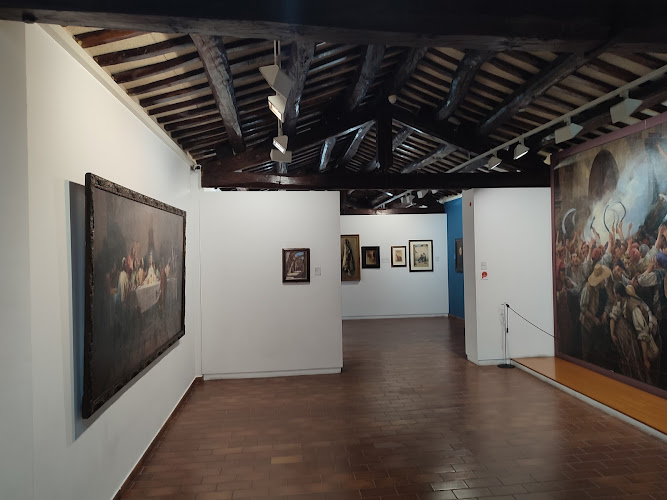
Sabadell Art Museum
Agrupació Astronòmica de Sabadell
Find Accommodations Nearby
Recommended Tours & Activities
Visitor Reviews
There are no reviews yet. Be the first one to write one.
Share Your Experience
Have you visited Sabadell History Museum? Help other travelers by leaving a review.