
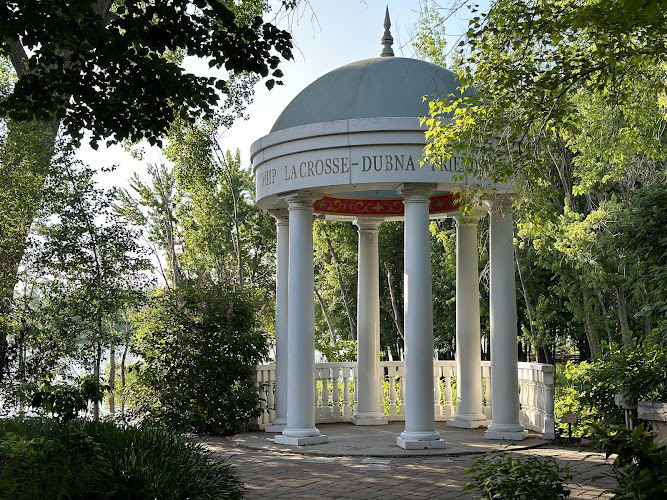
Riverside International Friendship Gardens
About Riverside International Friendship Gardens
Description
The Riverside International Friendship Gardens offer travelers a unique cultural journey without ever leaving La Crosse, Wisconsin. These thoughtfully designed public gardens celebrate the city's sister-city relationships with communities across the globe, including China, Germany, France, Russia, Norway, Ireland, and Cameroon. What makes this place special isn't just the beautiful landscaping—it's the authentic cultural storytelling that happens through each themed garden space.
Walking through these gardens feels like flipping through pages of a living cultural encyclopedia. Each section reflects the horticultural traditions, architectural elements, and symbolic plants from its respective country. The German garden might surprise you with its structured herb plantings, while the Chinese section incorporates traditional feng shui principles that create a sense of balance most visitors find unexpectedly calming.
Located within Riverside Park along the Mississippi River, this attraction represents something pretty remarkable—a dynamic three-way partnership between the City of La Crosse Parks Department, the Bluff Country Master Gardeners, and the International Friendship Garden's board of directors. And honestly, you can feel that collaborative spirit when you visit. The gardens don't have that sterile, overly-manicured feel you sometimes get at touristy spots. Instead, they feel authentic and lived-in, like someone's beloved backyard that happens to span several countries worth of gardening traditions.
The accessibility features here are worth mentioning because they're done thoughtfully. Wheelchair-accessible pathways wind through most garden areas, and the parking situation actually works well for visitors with mobility needs. But what I appreciate most is that the accessible routes don't feel like an afterthought—they're integrated naturally into the garden's flow.
Key Features
Visitors consistently praise several standout elements that make the Riverside International Friendship Gardens worth the detour:
- Seven distinct cultural garden spaces representing China, Germany, France, Russia, Norway, Ireland, and Cameroon, each featuring authentic plantings and design elements from their respective regions
- Traditional gazebos and architectural features that provide perfect photo opportunities and shaded rest spots throughout the gardens
- Seasonal plant displays that change dramatically throughout the year, offering different experiences for repeat visitors
- Educational signage and interpretive elements that explain the cultural significance of various plants and design choices without being overwhelming
- Picnic areas integrated thoughtfully into the landscape, allowing families to make a full afternoon of their visit
- Dog-friendly pathways that welcome four-legged travel companions throughout most garden areas
- River proximity that adds natural beauty and creates microclimates supporting diverse plant varieties
- Master Gardener expertise visible in the plant selection, maintenance quality, and seasonal care that keeps the gardens looking their best
Best Time to Visit
Timing your visit to the Riverside International Friendship Gardens can make the difference between a good experience and an absolutely memorable one. Late spring through early fall offers the most dramatic displays, but each season brings its own personality to these spaces.
May through September represents peak growing season, when the cultural gardens show off their full potential. The German herb garden reaches its aromatic peak during these months, and the perennial displays in the European sections create those Instagram-worthy moments travelers love. But here's something most visitors don't realize—the shoulder seasons often provide the most comfortable visiting conditions.
Early morning visits during summer months offer cooler temperatures and better lighting for photography. The gardens open whenever Riverside Park opens, which means you can often have the place largely to yourself if you arrive before 9 AM. Plus, the Master Gardeners frequently work in the gardens during morning hours, and many are happy to share insights about the plants or cultural significance of different areas.
Fall brings unexpected beauty as the deciduous plantings in the various cultural sections display autumn colors. The Norwegian section, in particular, showcases plants that create stunning fall displays. Winter visits have their own appeal—the architectural elements and evergreen plantings create a peaceful, contemplative atmosphere that some travelers prefer.
Weather considerations matter more than you might expect. The riverside location means conditions can be windier than expected, especially during spring. But that same river proximity moderates temperatures and creates the humidity levels that many of the international plant varieties require to thrive.
How to Get There
Getting to the Riverside International Friendship Gardens is straightforward once you understand the layout of Riverside Park. The gardens are located within the larger park system along the Mississippi River in La Crosse, Wisconsin.
If you're driving, look for Riverside Park rather than searching specifically for the gardens—they're integrated into the park's southern section. The parking situation works well for most visitors, with designated spaces that meet accessibility requirements. Weekend parking fills up faster, especially during peak blooming seasons, so arriving earlier in the day gives you better options.
For travelers staying in downtown La Crosse, the gardens are easily walkable or bikeable. The riverside path system connects to downtown, and many visitors enjoy combining a garden visit with a walk or bike ride along the Mississippi. The path is mostly flat, making it manageable for most fitness levels.
Public transportation options in La Crosse are limited, but the gardens' location within walking distance of downtown means most hotels and bed-and-breakfasts offer reasonable access. Some local accommodations provide bicycles for guest use, which works perfectly for reaching the gardens.
The entrance points aren't always obvious to first-time visitors. Look for the interpretive signage that marks the beginning of the cultural garden areas—these signs help orient you and provide context for what you're about to experience. The gardens flow naturally into the broader park space, so don't expect a formal entrance gate or ticket booth.
Tips for Visiting
Smart planning makes the Riverside International Friendship Gardens experience much more rewarding for travelers. Here are insights that can help you avoid common pitfalls and maximize your visit.
Bring water and wear comfortable walking shoes—this sounds obvious, but the garden pathways include some uneven natural surfaces that can surprise visitors expecting perfectly smooth walkways. The riverside location also means surfaces can be damp even when it hasn't rained recently.
Photography enthusiasts should plan for golden hour lighting, either early morning or late afternoon. The architectural features and gazebos photograph beautifully during these times, and the cultural plantings show their colors more dramatically. But also consider bringing a macro lens or smartphone with good close-up capabilities—some of the most interesting details are in the smaller plantings and cultural design elements.
The educational aspects of the gardens reward visitors who take time to read the interpretive materials. Each cultural section includes information that provides context for the plant choices and design decisions. This background makes the experience much richer than simply walking through and admiring pretty flowers.
Families with children should know that the gardens work well for kids who enjoy nature, but there aren't playground elements or hands-on activities. The space encourages quieter exploration and observation. However, the picnic areas provide good spots for active children to burn energy, and the open lawn areas within the park offer space for running around.
Dog owners will find the gardens welcoming, but keep pets on leashes and be considerate of the plantings. The Master Gardeners put significant effort into maintaining these cultural displays, and dog damage can impact delicate plantings that may be difficult to replace.
Weather backup plans matter because the gardens are entirely outdoor spaces. But even rainy days can offer unique experiences—the different cultural plantings respond to weather in interesting ways, and the gardens take on different personalities under various sky conditions.
Consider combining your garden visit with other Riverside Park activities or downtown La Crosse exploration. The gardens work well as part of a larger day of sightseeing, and their location makes it easy to grab lunch or coffee downtown before or after your visit.
Finally, respect the volunteer efforts that make these gardens possible. The Master Gardeners and community supporters who maintain this space do incredible work, and visitors who treat the gardens with care help ensure this cultural resource remains available for future travelers.
Key Features
- Key Features
- Best Time to Visit
- How to Get There
- Tips for Visiting
More Details
Updated September 12, 2025
Table of Contents
- Description
- Key Features
- Best Time to Visit
- How to Get There
- Tips for Visiting
- Key Highlights
- Location
- Places to Stay Near Riverside International Friendship Gardens
- Find and Book a Tour
- Explore More Travel Guides
- Nearby Places You Might Like
- Traveler Reviews for Riverside International Friendship Gardens
- Share Your Experience
Description
The Riverside International Friendship Gardens offer travelers a unique cultural journey without ever leaving La Crosse, Wisconsin. These thoughtfully designed public gardens celebrate the city’s sister-city relationships with communities across the globe, including China, Germany, France, Russia, Norway, Ireland, and Cameroon. What makes this place special isn’t just the beautiful landscaping—it’s the authentic cultural storytelling that happens through each themed garden space.
Walking through these gardens feels like flipping through pages of a living cultural encyclopedia. Each section reflects the horticultural traditions, architectural elements, and symbolic plants from its respective country. The German garden might surprise you with its structured herb plantings, while the Chinese section incorporates traditional feng shui principles that create a sense of balance most visitors find unexpectedly calming.
Located within Riverside Park along the Mississippi River, this attraction represents something pretty remarkable—a dynamic three-way partnership between the City of La Crosse Parks Department, the Bluff Country Master Gardeners, and the International Friendship Garden’s board of directors. And honestly, you can feel that collaborative spirit when you visit. The gardens don’t have that sterile, overly-manicured feel you sometimes get at touristy spots. Instead, they feel authentic and lived-in, like someone’s beloved backyard that happens to span several countries worth of gardening traditions.
The accessibility features here are worth mentioning because they’re done thoughtfully. Wheelchair-accessible pathways wind through most garden areas, and the parking situation actually works well for visitors with mobility needs. But what I appreciate most is that the accessible routes don’t feel like an afterthought—they’re integrated naturally into the garden’s flow.
Key Features
Visitors consistently praise several standout elements that make the Riverside International Friendship Gardens worth the detour:
- Seven distinct cultural garden spaces representing China, Germany, France, Russia, Norway, Ireland, and Cameroon, each featuring authentic plantings and design elements from their respective regions
- Traditional gazebos and architectural features that provide perfect photo opportunities and shaded rest spots throughout the gardens
- Seasonal plant displays that change dramatically throughout the year, offering different experiences for repeat visitors
- Educational signage and interpretive elements that explain the cultural significance of various plants and design choices without being overwhelming
- Picnic areas integrated thoughtfully into the landscape, allowing families to make a full afternoon of their visit
- Dog-friendly pathways that welcome four-legged travel companions throughout most garden areas
- River proximity that adds natural beauty and creates microclimates supporting diverse plant varieties
- Master Gardener expertise visible in the plant selection, maintenance quality, and seasonal care that keeps the gardens looking their best
Best Time to Visit
Timing your visit to the Riverside International Friendship Gardens can make the difference between a good experience and an absolutely memorable one. Late spring through early fall offers the most dramatic displays, but each season brings its own personality to these spaces.
May through September represents peak growing season, when the cultural gardens show off their full potential. The German herb garden reaches its aromatic peak during these months, and the perennial displays in the European sections create those Instagram-worthy moments travelers love. But here’s something most visitors don’t realize—the shoulder seasons often provide the most comfortable visiting conditions.
Early morning visits during summer months offer cooler temperatures and better lighting for photography. The gardens open whenever Riverside Park opens, which means you can often have the place largely to yourself if you arrive before 9 AM. Plus, the Master Gardeners frequently work in the gardens during morning hours, and many are happy to share insights about the plants or cultural significance of different areas.
Fall brings unexpected beauty as the deciduous plantings in the various cultural sections display autumn colors. The Norwegian section, in particular, showcases plants that create stunning fall displays. Winter visits have their own appeal—the architectural elements and evergreen plantings create a peaceful, contemplative atmosphere that some travelers prefer.
Weather considerations matter more than you might expect. The riverside location means conditions can be windier than expected, especially during spring. But that same river proximity moderates temperatures and creates the humidity levels that many of the international plant varieties require to thrive.
How to Get There
Getting to the Riverside International Friendship Gardens is straightforward once you understand the layout of Riverside Park. The gardens are located within the larger park system along the Mississippi River in La Crosse, Wisconsin.
If you’re driving, look for Riverside Park rather than searching specifically for the gardens—they’re integrated into the park’s southern section. The parking situation works well for most visitors, with designated spaces that meet accessibility requirements. Weekend parking fills up faster, especially during peak blooming seasons, so arriving earlier in the day gives you better options.
For travelers staying in downtown La Crosse, the gardens are easily walkable or bikeable. The riverside path system connects to downtown, and many visitors enjoy combining a garden visit with a walk or bike ride along the Mississippi. The path is mostly flat, making it manageable for most fitness levels.
Public transportation options in La Crosse are limited, but the gardens’ location within walking distance of downtown means most hotels and bed-and-breakfasts offer reasonable access. Some local accommodations provide bicycles for guest use, which works perfectly for reaching the gardens.
The entrance points aren’t always obvious to first-time visitors. Look for the interpretive signage that marks the beginning of the cultural garden areas—these signs help orient you and provide context for what you’re about to experience. The gardens flow naturally into the broader park space, so don’t expect a formal entrance gate or ticket booth.
Tips for Visiting
Smart planning makes the Riverside International Friendship Gardens experience much more rewarding for travelers. Here are insights that can help you avoid common pitfalls and maximize your visit.
Bring water and wear comfortable walking shoes—this sounds obvious, but the garden pathways include some uneven natural surfaces that can surprise visitors expecting perfectly smooth walkways. The riverside location also means surfaces can be damp even when it hasn’t rained recently.
Photography enthusiasts should plan for golden hour lighting, either early morning or late afternoon. The architectural features and gazebos photograph beautifully during these times, and the cultural plantings show their colors more dramatically. But also consider bringing a macro lens or smartphone with good close-up capabilities—some of the most interesting details are in the smaller plantings and cultural design elements.
The educational aspects of the gardens reward visitors who take time to read the interpretive materials. Each cultural section includes information that provides context for the plant choices and design decisions. This background makes the experience much richer than simply walking through and admiring pretty flowers.
Families with children should know that the gardens work well for kids who enjoy nature, but there aren’t playground elements or hands-on activities. The space encourages quieter exploration and observation. However, the picnic areas provide good spots for active children to burn energy, and the open lawn areas within the park offer space for running around.
Dog owners will find the gardens welcoming, but keep pets on leashes and be considerate of the plantings. The Master Gardeners put significant effort into maintaining these cultural displays, and dog damage can impact delicate plantings that may be difficult to replace.
Weather backup plans matter because the gardens are entirely outdoor spaces. But even rainy days can offer unique experiences—the different cultural plantings respond to weather in interesting ways, and the gardens take on different personalities under various sky conditions.
Consider combining your garden visit with other Riverside Park activities or downtown La Crosse exploration. The gardens work well as part of a larger day of sightseeing, and their location makes it easy to grab lunch or coffee downtown before or after your visit.
Finally, respect the volunteer efforts that make these gardens possible. The Master Gardeners and community supporters who maintain this space do incredible work, and visitors who treat the gardens with care help ensure this cultural resource remains available for future travelers.
Key Highlights
- Key Features
- Best Time to Visit
- How to Get There
- Tips for Visiting
Location
Places to Stay Near Riverside International Friendship Gardens
Find and Book a Tour
Explore More Travel Guides
No reviews found! Be the first to review!
Traveler Reviews for Riverside International Friendship Gardens
There are no reviews yet. Be the first one to write one.
Have you visited Riverside International Friendship Gardens? Help other travelers by sharing your review.
You Might Also Like

Riverside Eagle

Dahl Auto Museum
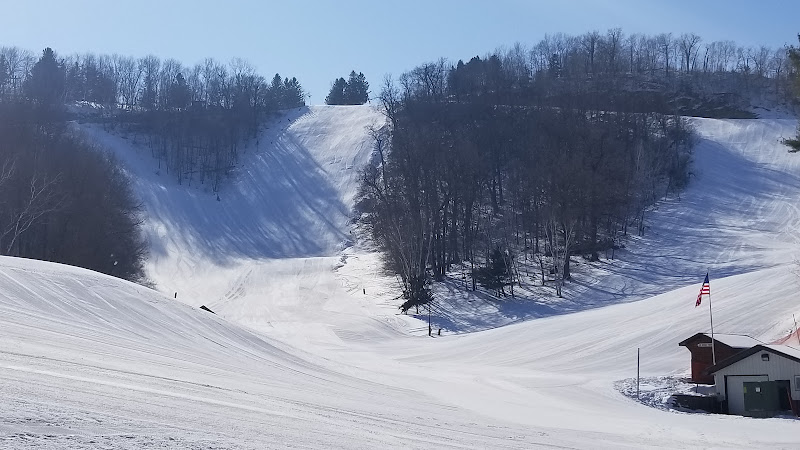
Mt. La Crosse Ski Area
Find Accommodations Nearby
Recommended Tours & Activities
Visitor Reviews
There are no reviews yet. Be the first one to write one.
Share Your Experience
Have you visited Riverside International Friendship Gardens? Help other travelers by leaving a review.