

Riverside Eagle
About Riverside Eagle
Description
The Riverside Eagle stands as one of those unexpected treasures that catches you off guard during a casual stroll through the area. This striking monument sculpture commands attention with its impressive presence, representing both artistic craftsmanship and symbolic meaning that resonates with visitors from all walks of life. I've always found that the best monuments are the ones that make you pause mid-conversation and really look - and this eagle sculpture definitely falls into that category. The artist has managed to capture something powerful in the bronze or stone (depending on the specific installation), creating a piece that feels both timeless and contemporary at once. What sets this particular eagle apart from other civic monuments is its positioning and the way it interacts with its surroundings. The sculpture doesn't just sit there looking pretty; it seems to survey the landscape with the kind of majesty you'd expect from America's national bird. And honestly, there's something pretty moving about standing next to it, especially if you catch it during golden hour when the light hits just right. Families particularly enjoy visiting this monument because it offers an easy way to engage kids with public art and history. The scale is impressive enough to spark curiosity in young minds, but not so overwhelming that it becomes intimidating. Many parents find it serves as a perfect conversation starter about wildlife conservation, American symbolism, or simply the importance of public art in our communities. The craftsmanship deserves special mention here. You can tell this wasn't some rushed commission piece - there's real attention to detail in the feathers, the positioning of the talons, and the expression captured in the eagle's face. It's the kind of work that makes you appreciate the skill required to transform raw materials into something that genuinely moves people.Key Features
The Riverside Eagle offers several distinctive elements that make it worth adding to your travel itinerary: • Impressive Scale - The monument's size creates a commanding presence that photographs beautifully from multiple angles • Detailed Craftsmanship - Intricate feather work and realistic proportions showcase exceptional artistic skill • Family-Friendly Design - Perfect height and positioning for children to appreciate and adults to admire • Photogenic Setting - The riverside location provides stunning backdrops for photography enthusiasts • Educational Value - Offers opportunities to discuss wildlife, history, and public art with younger visitors • Accessible Viewing - Easy approach from multiple directions without challenging terrain • Symbolic Significance - Represents broader themes of freedom, strength, and American heritage • Weather-Resistant Materials - Built to withstand the elements while maintaining its impressive appearance • Contemplative Space - The surrounding area provides peaceful spots for reflection and appreciationBest Time to Visit
Timing can really make or break your experience with outdoor monuments, and the Riverside Eagle is no exception. Early morning visits, particularly during spring and fall, offer some of the most rewarding experiences. The light during these hours tends to highlight the sculpture's details in ways that harsh midday sun simply can't match. Spring brings renewed energy to the entire area, and there's something poetic about viewing an eagle sculpture when nature itself is awakening. The temperatures are comfortable for lingering, and you'll often find fewer crowds during weekday mornings. Plus, if you're traveling with kids, the cooler temperatures mean they'll be more patient while you take your time really examining the artwork. Summer visits work well too, but I'd recommend either very early morning or late afternoon sessions. The summer crowds can be substantial, especially on weekends, and the heat might make extended viewing less comfortable. But if you time it right around sunset, the golden hour lighting creates some truly spectacular photographic opportunities. Fall might actually be my personal favorite time for monument visits. The crisp air, fewer tourists, and that special quality of autumn light create an almost magical atmosphere around sculptural works. The eagle seems even more majestic against fall foliage, and you'll have more space to move around and find your perfect viewing angle. Winter visits require more planning but can be incredibly rewarding for the right traveler. Snow often creates striking contrasts with dark monument materials, and the eagle takes on an even more dramatic presence against stark winter landscapes. Just dress warmly and watch for icy conditions around the base. Weather considerations matter more than you might initially think. Light rain can actually enhance the sculpture's appearance by darkening certain materials and creating interesting reflective surfaces. Heavy storms, obviously, make for less pleasant viewing conditions, but don't automatically dismiss overcast days - they often provide the most even lighting for detailed photography.How to Get There
Finding the Riverside Eagle requires a bit of local knowledge, but that's part of what makes discovering it feel special. The monument sits in a location that's accessible by multiple transportation methods, though some approaches work better than others depending on your travel style and physical capabilities. If you're driving, parking availability varies significantly by season and time of day. During peak visitor periods, arriving early morning or late afternoon typically ensures better parking options. The surrounding streets can accommodate standard vehicles, but larger RVs or buses might need to plan alternative parking arrangements further away. Public transportation options exist, though they require some walking to reach the actual monument location. Local bus routes service the general area, but expect a pleasant 10-15 minute walk from the nearest stops. This walk actually adds to the experience for many visitors, as it allows you to appreciate the neighborhood context and build anticipation for the monument itself. Walking or cycling represents probably the most enjoyable approach if you're staying somewhere within reasonable distance. The paths leading to the eagle sculpture offer glimpses of local architecture and community life that you'd miss arriving by car. Plus, you can easily adjust your route on the way back to explore other nearby attractions or grab food at local establishments. For visitors with mobility considerations, the monument area includes accessible pathways, though the terrain immediately surrounding the sculpture includes some uneven surfaces. Most visitors with standard mobility equipment can navigate the space comfortably, but it's worth noting that some of the best viewing angles require walking on grass or slightly irregular ground. GPS coordinates work reliably for the general area, though the specific monument location might require a bit of on-foot navigation once you arrive in the vicinity. Local landmarks and street signs provide adequate guidance, and asking nearby residents for directions often leads to helpful tips about the best approaches and viewing spots.Tips for Visiting
Bringing a camera feels obvious, but consider packing a decent zoom lens if you have one. The monument's height and positioning mean some of the most interesting details are best captured from various distances and angles. And trust me, you'll want to experiment with different perspectives - this isn't a one-shot-and-done kind of attraction. Comfortable walking shoes matter more than you might expect. While the monument itself is easily accessible, you'll probably want to explore different vantage points, and the terrain includes both paved and natural surfaces. I learned this lesson the hard way during my first visit wearing completely inappropriate footwear. Weather protection deserves consideration regardless of the forecast. The riverside location can create unexpected wind conditions, and having a light jacket or windbreaker makes the difference between a rushed visit and a leisurely appreciation of the artwork. Even on seemingly calm days, conditions near water can change quickly. Children respond well to this monument, but bringing some context or background information helps maximize their engagement. A quick conversation about eagles in American culture, or even just basic facts about real eagles, transforms the visit from "looking at a statue" to a more meaningful educational experience. Photography etiquette matters, especially during busier periods. Other visitors appreciate having opportunities for their own photos without strangers constantly in the background. A little patience and courtesy goes a long way toward ensuring everyone gets their desired shots without frustration. The surrounding area offers additional exploration opportunities that complement the monument visit. Local shops, cafes, and other cultural sites within walking distance mean you can easily build a fuller afternoon or morning around your eagle sculpture visit. Don't rush away immediately after viewing the monument itself. Seasonal considerations affect more than just weather comfort. Different times of year bring varying crowd levels, lighting conditions, and even surrounding landscape changes that impact the overall experience. Spring flowers, fall colors, or winter snow each create unique contexts for viewing and photographing the sculpture. Respectful behavior around the monument ensures its preservation for future visitors. While the sculpture is built to withstand normal weather, avoiding touching, climbing, or leaving debris helps maintain its condition and appearance. The eagle has clearly brought joy to many visitors over time, and protecting that experience for others just makes sense.Key Features
- Approximately 38 feet tall with ~20-foot wingspan
- Constructed from COR-TEN steel and stainless steel for contrasting patinas
- Sited in Riverside Park overlooking the Mississippi River
- Created by Wisconsin sculptor Elmer Petersen (installed in the 1980s)
- Underwent a notable multi-month restoration and was reinstalled for public display
More Details
Updated September 11, 2025
Table of Contents
Description
The Riverside Eagle stands as one of those unexpected treasures that catches you off guard during a casual stroll through the area. This striking monument sculpture commands attention with its impressive presence, representing both artistic craftsmanship and symbolic meaning that resonates with visitors from all walks of life.
I’ve always found that the best monuments are the ones that make you pause mid-conversation and really look – and this eagle sculpture definitely falls into that category. The artist has managed to capture something powerful in the bronze or stone (depending on the specific installation), creating a piece that feels both timeless and contemporary at once.
What sets this particular eagle apart from other civic monuments is its positioning and the way it interacts with its surroundings. The sculpture doesn’t just sit there looking pretty; it seems to survey the landscape with the kind of majesty you’d expect from America’s national bird. And honestly, there’s something pretty moving about standing next to it, especially if you catch it during golden hour when the light hits just right.
Families particularly enjoy visiting this monument because it offers an easy way to engage kids with public art and history. The scale is impressive enough to spark curiosity in young minds, but not so overwhelming that it becomes intimidating. Many parents find it serves as a perfect conversation starter about wildlife conservation, American symbolism, or simply the importance of public art in our communities.
The craftsmanship deserves special mention here. You can tell this wasn’t some rushed commission piece – there’s real attention to detail in the feathers, the positioning of the talons, and the expression captured in the eagle’s face. It’s the kind of work that makes you appreciate the skill required to transform raw materials into something that genuinely moves people.
Key Features
The Riverside Eagle offers several distinctive elements that make it worth adding to your travel itinerary:
• Impressive Scale – The monument’s size creates a commanding presence that photographs beautifully from multiple angles
• Detailed Craftsmanship – Intricate feather work and realistic proportions showcase exceptional artistic skill
• Family-Friendly Design – Perfect height and positioning for children to appreciate and adults to admire
• Photogenic Setting – The riverside location provides stunning backdrops for photography enthusiasts
• Educational Value – Offers opportunities to discuss wildlife, history, and public art with younger visitors
• Accessible Viewing – Easy approach from multiple directions without challenging terrain
• Symbolic Significance – Represents broader themes of freedom, strength, and American heritage
• Weather-Resistant Materials – Built to withstand the elements while maintaining its impressive appearance
• Contemplative Space – The surrounding area provides peaceful spots for reflection and appreciation
Best Time to Visit
Timing can really make or break your experience with outdoor monuments, and the Riverside Eagle is no exception. Early morning visits, particularly during spring and fall, offer some of the most rewarding experiences. The light during these hours tends to highlight the sculpture’s details in ways that harsh midday sun simply can’t match.
Spring brings renewed energy to the entire area, and there’s something poetic about viewing an eagle sculpture when nature itself is awakening. The temperatures are comfortable for lingering, and you’ll often find fewer crowds during weekday mornings. Plus, if you’re traveling with kids, the cooler temperatures mean they’ll be more patient while you take your time really examining the artwork.
Summer visits work well too, but I’d recommend either very early morning or late afternoon sessions. The summer crowds can be substantial, especially on weekends, and the heat might make extended viewing less comfortable. But if you time it right around sunset, the golden hour lighting creates some truly spectacular photographic opportunities.
Fall might actually be my personal favorite time for monument visits. The crisp air, fewer tourists, and that special quality of autumn light create an almost magical atmosphere around sculptural works. The eagle seems even more majestic against fall foliage, and you’ll have more space to move around and find your perfect viewing angle.
Winter visits require more planning but can be incredibly rewarding for the right traveler. Snow often creates striking contrasts with dark monument materials, and the eagle takes on an even more dramatic presence against stark winter landscapes. Just dress warmly and watch for icy conditions around the base.
Weather considerations matter more than you might initially think. Light rain can actually enhance the sculpture’s appearance by darkening certain materials and creating interesting reflective surfaces. Heavy storms, obviously, make for less pleasant viewing conditions, but don’t automatically dismiss overcast days – they often provide the most even lighting for detailed photography.
How to Get There
Finding the Riverside Eagle requires a bit of local knowledge, but that’s part of what makes discovering it feel special. The monument sits in a location that’s accessible by multiple transportation methods, though some approaches work better than others depending on your travel style and physical capabilities.
If you’re driving, parking availability varies significantly by season and time of day. During peak visitor periods, arriving early morning or late afternoon typically ensures better parking options. The surrounding streets can accommodate standard vehicles, but larger RVs or buses might need to plan alternative parking arrangements further away.
Public transportation options exist, though they require some walking to reach the actual monument location. Local bus routes service the general area, but expect a pleasant 10-15 minute walk from the nearest stops. This walk actually adds to the experience for many visitors, as it allows you to appreciate the neighborhood context and build anticipation for the monument itself.
Walking or cycling represents probably the most enjoyable approach if you’re staying somewhere within reasonable distance. The paths leading to the eagle sculpture offer glimpses of local architecture and community life that you’d miss arriving by car. Plus, you can easily adjust your route on the way back to explore other nearby attractions or grab food at local establishments.
For visitors with mobility considerations, the monument area includes accessible pathways, though the terrain immediately surrounding the sculpture includes some uneven surfaces. Most visitors with standard mobility equipment can navigate the space comfortably, but it’s worth noting that some of the best viewing angles require walking on grass or slightly irregular ground.
GPS coordinates work reliably for the general area, though the specific monument location might require a bit of on-foot navigation once you arrive in the vicinity. Local landmarks and street signs provide adequate guidance, and asking nearby residents for directions often leads to helpful tips about the best approaches and viewing spots.
Tips for Visiting
Bringing a camera feels obvious, but consider packing a decent zoom lens if you have one. The monument’s height and positioning mean some of the most interesting details are best captured from various distances and angles. And trust me, you’ll want to experiment with different perspectives – this isn’t a one-shot-and-done kind of attraction.
Comfortable walking shoes matter more than you might expect. While the monument itself is easily accessible, you’ll probably want to explore different vantage points, and the terrain includes both paved and natural surfaces. I learned this lesson the hard way during my first visit wearing completely inappropriate footwear.
Weather protection deserves consideration regardless of the forecast. The riverside location can create unexpected wind conditions, and having a light jacket or windbreaker makes the difference between a rushed visit and a leisurely appreciation of the artwork. Even on seemingly calm days, conditions near water can change quickly.
Children respond well to this monument, but bringing some context or background information helps maximize their engagement. A quick conversation about eagles in American culture, or even just basic facts about real eagles, transforms the visit from “looking at a statue” to a more meaningful educational experience.
Photography etiquette matters, especially during busier periods. Other visitors appreciate having opportunities for their own photos without strangers constantly in the background. A little patience and courtesy goes a long way toward ensuring everyone gets their desired shots without frustration.
The surrounding area offers additional exploration opportunities that complement the monument visit. Local shops, cafes, and other cultural sites within walking distance mean you can easily build a fuller afternoon or morning around your eagle sculpture visit. Don’t rush away immediately after viewing the monument itself.
Seasonal considerations affect more than just weather comfort. Different times of year bring varying crowd levels, lighting conditions, and even surrounding landscape changes that impact the overall experience. Spring flowers, fall colors, or winter snow each create unique contexts for viewing and photographing the sculpture.
Respectful behavior around the monument ensures its preservation for future visitors. While the sculpture is built to withstand normal weather, avoiding touching, climbing, or leaving debris helps maintain its condition and appearance. The eagle has clearly brought joy to many visitors over time, and protecting that experience for others just makes sense.
Key Highlights
- Approximately 38 feet tall with ~20-foot wingspan
- Constructed from COR-TEN steel and stainless steel for contrasting patinas
- Sited in Riverside Park overlooking the Mississippi River
- Created by Wisconsin sculptor Elmer Petersen (installed in the 1980s)
- Underwent a notable multi-month restoration and was reinstalled for public display
Location
Places to Stay Near Riverside Eagle
Find and Book a Tour
Explore More Travel Guides
No reviews found! Be the first to review!
Traveler Reviews for Riverside Eagle
There are no reviews yet. Be the first one to write one.
Have you visited Riverside Eagle? Help other travelers by sharing your review.
Nearby Attractions
You Might Also Like
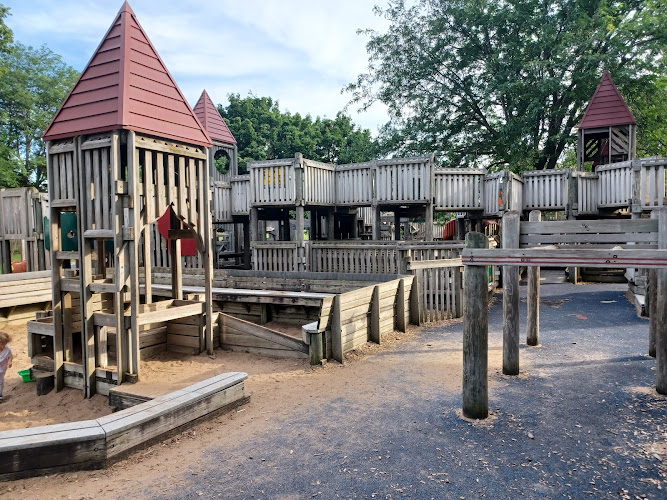
Myrick Park
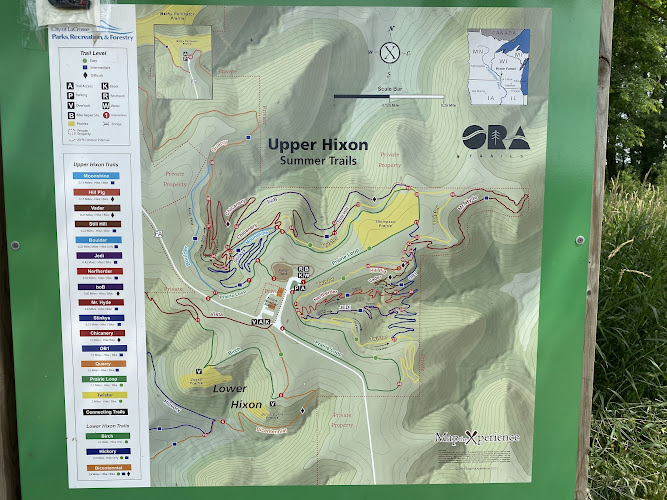
Upper Hixon Forest
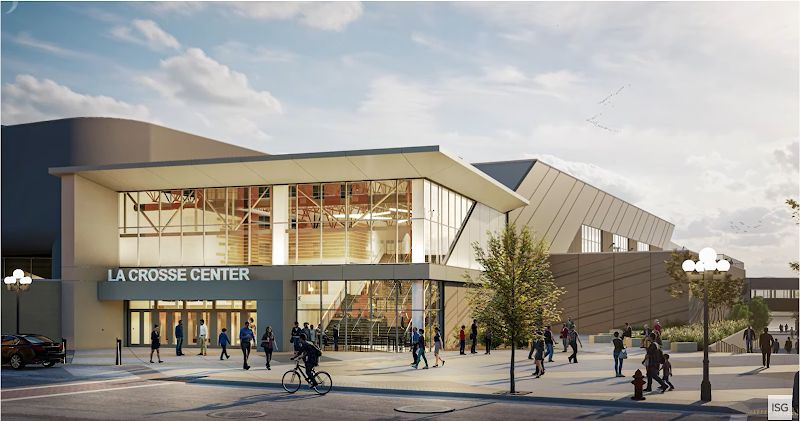
La Crosse Center
Find Accommodations Nearby
Recommended Tours & Activities
Visitor Reviews
There are no reviews yet. Be the first one to write one.
Share Your Experience
Have you visited Riverside Eagle? Help other travelers by leaving a review.