

Rio dos Sinos Museum
About Rio dos Sinos Museum
The Rio dos Sinos Museum sits in the heart of São Leopoldo and reads like a local biography: layers of river, migration, industry and university life folded into collections that speak plainly and often surprisingly to visitors. The museum focuses on the history of the Vale do Rio dos Sinos region in Rio Grande do Sul, with particular attention to the waves of German immigration that shaped towns, farms and factories here. It is the kind of place where an old photograph, a household object and a fragment of oral history line up and suddenly the past feels like a neighbor one could stop and chat with.
Exhibition rooms combine archival material and curated displays — maps, family albums, tools, textiles and multimedia stations — that track daily life from the 19th century through industrialization and into the modern university era. The connection with the local academic community is evident: students and researchers regularly use the museum's collections, and temporary shows often reflect recent scholarly work or oral-history projects. That academic pulse keeps the Rio dos Sinos Museum intellectually curious without being dry; exhibits are meant to be read, touched (sometimes), and discussed.
The museum building itself is modest rather than monumental. Visitors should not expect a grand palazzo; instead they'll find well-organized galleries where storytelling takes priority. The layout is thoughtful for the most part — sequential rooms that gently guide a visitor from migration narratives into community development, urban change, and the river's environmental and cultural importance. One memorable section concentrates on the Sinos River as both lifeline and challenge: flood photos, early river commerce artifacts and testimonies about how the river shaped work rhythms. It is quietly powerful, especially for anyone curious about how natural features shape human communities over decades.
Many shows emphasize material culture: domestic objects, garments, religious and civic paraphernalia that reveal everyday habits and identity. A small but well-curated display on German-language newspapers, school records and music-making illustrates how cultural practices were preserved and adapted. The museum doesn't just catalog items; it tries to explain why those items mattered, and that approach makes the history feel relevant. For visitors who like to connect dots — for instance, seeing how a family chest ties to migration routes and then to modern city neighborhoods — this place rewards a patient eye.
Accessibility is a clear priority here. The museum provides a wheelchair accessible entrance, parking and restroom facilities, and the staff are used to adapting tours so everyone can participate. Families with children will find the museum welcoming: exhibits include kid-friendly elements and the atmosphere is relaxed enough that a curious child asking a thousand questions won't upset anybody. There is a restroom on-site but no full-service restaurant, so planning around meals is advisable. Still, several snack options and cafés are a short walk away in São Leopoldo's center if someone gets peckish after a long read-through of the displays.
Visitors often appreciate the quieter, human-scale museum experience. On one weekday afternoon a small group clustered in front of a display of hand-stitched clothing, listening as a guide recounted a family's migration story — the sort of intimate moment the Rio dos Sinos Museum seems to cultivate. While the museum can draw small tourist groups, it is primarily a community institution: teachers, elders, students and local historians frequent it, which gives a sense of continuity and authenticity that glossier attractions sometimes lack.
That said, expectations matter. Some people expecting a sweeping, multi-floor national museum might find the Rio dos Sinos Museum compact. But compact does not mean shallow. The strength here is concentration: the museum focuses on themes central to São Leopoldo and the broader Rio Grande do Sul region and treats them with depth. Temporary exhibitions rotate with a mix of local history projects and contemporary cultural reflections, so there's often something fresh for repeat visitors or researchers returning to follow a particular line of inquiry.
Practical research resources are also a feature. The museum houses an archive that's useful for genealogists and amateur historians — handwritten records, photographs and oral histories are cataloged for study. Staff are generally helpful when someone comes in looking for family information or local records, although appointments may be recommended for deep archival work. The museum's role as a learning hub is visible: schools bring children on guided visits, university classes use the space for practical assignments, and public programs such as lectures and small workshops are held periodically. It makes sense: the Rio dos Sinos Museum acts as a bridge between scholarly work and public interest, which keeps its programming lively and relevant.
Design-wise the exhibitions lean toward clarity over spectacle. Lighting is used to highlight documents and objects; labels tend to be concise but informative. Multimedia elements — short film loops, recorded oral histories and touchscreens — supplement the physical displays and are especially effective for visitors who prefer listening or watching to reading long wall texts. For visual learners, the photographic archive is a real treat: street scenes, riverboats, school portraits and festival photos that bring the region’s social life into focus.
There is an understated civic pride in many of the museum's exhibits. Local craftsmanship, community festivals, and immigrant traditions are documented with a tone that mixes respect and curiosity rather than boosterism. The result is a history that feels lived-in and often personal. Visitors who enjoy putting faces to dates will leave satisfied; those who prefer broad national narratives might want more, but the specificity is the museum's point. It makes São Leopoldo and the Vale do Rio dos Sinos easier to understand because it refuses to flatten the local story into generic phrases.
One of the museum's quieter achievements is its treatment of environmental history. Exhibits explore how the Sinos River influenced agriculture, industry, and urban planning, and there are references to the environmental pressures the river has faced. The inclusion of ecological and industrial narratives alongside migration and cultural history gives visitors a rounded sense of why the river matters — economically, culturally and ecologically — to communities in Rio Grande do Sul.
For travelers who like to mix academic interest with casual sightseeing, the Rio dos Sinos Museum is an unexpectedly good stop. It pairs well with a walking tour of São Leopoldo's historic center or a visit to nearby university campuses that have shaped regional development. Because the museum is approachable and not time-consuming, it fits neatly into a half-day itinerary, though a dedicated history buff could spend much longer leafing through archives and listening to related oral recordings. Staff recommendations, when offered, tend to be on-point: local cafés, smaller exhibitions elsewhere in town or upcoming neighborhood events tied to the museum's programming.
In short, the Rio dos Sinos Museum is not ostentatious, but it is earnest, informative and rooted in the social fabric of São Leopoldo. It rewards curiosity, invites questions and quietly insists that the valley's past — its migrations, its river, its neighborhoods — matters today. Whether a visitor arrives with a genealogical itch, a thirst for local history, or simply a desire to understand how a river shapes a community, the museum offers a concise, well-curated window into the Vale do Rio dos Sinos experience.
Key Features
Rio dos Sinos Museum
You Might Also Like

Aerobunda
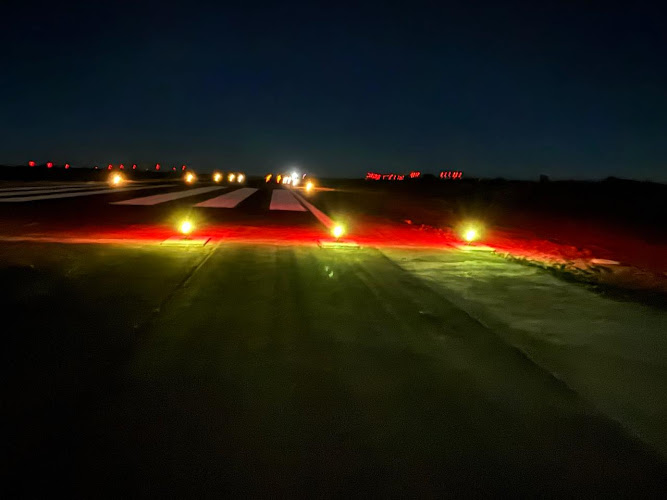
Aeródromo Campo Formoso - BA (SD27)

Aeroporto Municipal Orlando de Carvalho
Tours & Activities
GetYourGuide provides this tour inventory. We may earn a commission if you book through it; verify current availability, prices, and terms with the provider.
Visitor Reviews
There are no reviews yet. Be the first one to write one.
Share Your Experience
Have you visited Rio dos Sinos Museum? Help other travelers by leaving a review.