
Rikugien Gardens
About Rikugien Gardens
Description
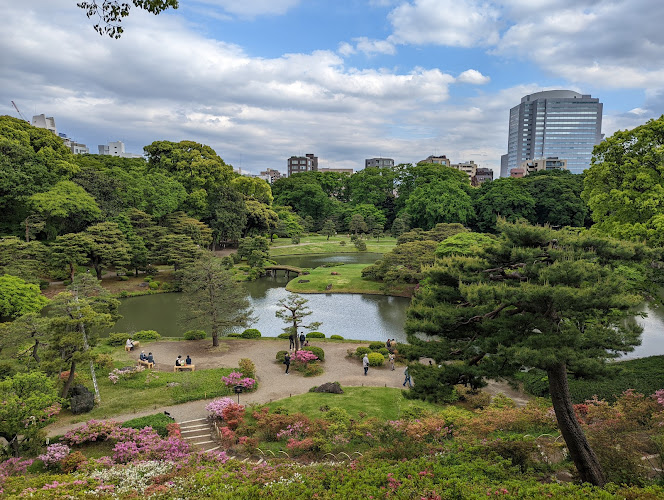
Rikugien Gardens is one of those rare spots in Tokyo where time seems to slow down just enough for you to catch your breath—and maybe even forget you're in the middle of a bustling city. This garden isn’t just a patch of green; it’s a masterclass in traditional Japanese landscaping, designed to mimic famous scenes from classical poetry. The name Rikugien actually means “Garden of the Six Poems,” and wandering through it feels like stepping into a living haiku.
At the heart of Rikugien is a large, tranquil pond that reflects the surrounding trees and teahouses, creating a picture-perfect scene every step of the way. Speaking of teahouses, there are a few dotted around the garden where you can stop for a moment, sip some matcha, and soak in the atmosphere. These aren’t just for show—they add an authentic touch that really connects you to Japan’s tea culture.
What struck me most during my visit was how meticulously every element is arranged. The garden’s pathways lead you past carefully placed stones, gentle hills, and a variety of trees that change dramatically with the seasons. Autumn, in particular, is a showstopper here, with fiery red and golden leaves turning the garden into a kaleidoscope of color. But even outside of fall, Rikugien offers a peaceful retreat with its quiet corners and beautiful views.
And yes, it’s surprisingly kid-friendly, which is a relief if you’re traveling with little ones who might otherwise get bored in a more formal garden setting. There’s enough space to roam, and the design sparks curiosity without overwhelming them. The garden also welcomes picnics, so you can bring your own snacks and just chill in the shade—something I wish I’d known beforehand.
Accessibility-wise, Rikugien is thoughtfully designed with a wheelchair-accessible entrance, though the parking situation might be a bit tricky if you’re driving. Public restrooms are available, which is always a score when you’re out exploring for hours. Plus, they accept Rakuten Pay, which is a neat little convenience for those who prefer cashless transactions.
Key Features
- Traditional Japanese landscaping inspired by classical poetry
- Central pond offering stunning reflections and photo ops
- Several authentic teahouses to experience Japanese tea culture
- Seasonal highlights, especially breathtaking autumn foliage
- Picnic-friendly areas allowing visitors to relax and dine outdoors
- Wheelchair-accessible entrance for easier garden exploration
- Public restrooms conveniently located within the grounds
- Family-friendly environment suitable for children
- Cashless payment option via Rakuten Pay
Best Time to Visit
If you’re chasing that iconic Japanese autumn experience, Rikugien Gardens is a must-see from mid-November to early December. The maple trees explode in shades of red, orange, and gold, turning the garden into a fiery paradise. Honestly, I once timed my trip a little too early and missed the peak colors by a week—lesson learned! So, if you want to catch the full spectacle, keep an eye on local foliage forecasts.
Spring is another lovely time to visit, especially when the cherry blossoms start to peek out. Although Rikugien isn’t as famous for sakura as some other spots, the delicate blooms paired with the garden’s traditional elements create a serene vibe that’s hard to beat.
For those who prefer fewer crowds, weekdays and early mornings are your best bet. Weekends can get busy, especially during peak seasons, but the garden is large enough that you can usually find a quiet nook to escape to. Evening illumination events in autumn are also quite popular, turning the garden into a magical, softly lit wonderland. It’s a bit of a splurge but worth it if you want a unique perspective.
How to Get There
Getting to Rikugien Gardens is pretty straightforward, even if you’re not a Tokyo local. The easiest way is by train—take the JR Yamanote Line or the Tokyo Metro Namboku Line to Komagome Station. From there, it’s just a short, pleasant walk to the garden entrance. The walk itself is nice, giving you a taste of the neighborhood’s quieter side before you dive into the garden’s calm.
If you’re coming from central Tokyo, expect about a 20-30 minute journey depending on your starting point. And no worries about getting lost; the area is well signposted, and most signs include English. While driving is possible, parking is limited and not wheelchair accessible, so public transport is definitely the way to go.
Tips for Visiting
First off, wear comfortable shoes. Rikugien is sprawling, and you’ll want to wander without worrying about sore feet. Also, bring a camera or your phone—this place is a photographer’s dream, especially with the reflections in the pond and the seasonal colors.
Don’t rush. The garden is designed for slow strolls and quiet contemplation, so take your time to notice the little details—the way stones are placed, the subtle curves of the paths, even the sound of water trickling from the small waterfalls. I found myself stopping to just breathe it all in more times than I expected.
If you want to experience the teahouses, plan to spend a bit extra time and maybe grab a traditional tea set. It’s a nice way to rest your legs and immerse yourself in the culture. And if you’re visiting with kids, bring some snacks or a picnic lunch so they can refuel without having to leave the garden.
One thing that surprised me was how quiet the garden stays despite its popularity. It’s not a loud tourist trap, so if you’re looking for a bit of peace in Tokyo, Rikugien delivers. Just be mindful of the garden’s rules—no climbing on rocks or picking flowers, which seems obvious but you’d be surprised what some folks try!
Lastly, check the weather before you go. Rain can make some paths slippery, and while the garden is beautiful in any weather, a dry day will make your visit more comfortable. And if you’re lucky enough to catch an illumination event in autumn, definitely carve out an evening for it—those glowing trees are something else.
Key Features
- Traditional Japanese landscaping inspired by classical poetry
- Central pond offering stunning reflections and photo ops
- Several authentic teahouses to experience Japanese tea culture
- Seasonal highlights, especially breathtaking autumn foliage
- Picnic-friendly areas allowing visitors to relax and dine outdoors
- Wheelchair-accessible entrance for easier garden exploration
- Public restrooms conveniently located within the grounds
- Family-friendly environment suitable for children
More Details
Updated July 17, 2025
Table of Contents
Description
Rikugien Gardens is one of those rare spots in Tokyo where time seems to slow down just enough for you to catch your breath—and maybe even forget you’re in the middle of a bustling city. This garden isn’t just a patch of green; it’s a masterclass in traditional Japanese landscaping, designed to mimic famous scenes from classical poetry. The name Rikugien actually means “Garden of the Six Poems,” and wandering through it feels like stepping into a living haiku.
At the heart of Rikugien is a large, tranquil pond that reflects the surrounding trees and teahouses, creating a picture-perfect scene every step of the way. Speaking of teahouses, there are a few dotted around the garden where you can stop for a moment, sip some matcha, and soak in the atmosphere. These aren’t just for show—they add an authentic touch that really connects you to Japan’s tea culture.
What struck me most during my visit was how meticulously every element is arranged. The garden’s pathways lead you past carefully placed stones, gentle hills, and a variety of trees that change dramatically with the seasons. Autumn, in particular, is a showstopper here, with fiery red and golden leaves turning the garden into a kaleidoscope of color. But even outside of fall, Rikugien offers a peaceful retreat with its quiet corners and beautiful views.
And yes, it’s surprisingly kid-friendly, which is a relief if you’re traveling with little ones who might otherwise get bored in a more formal garden setting. There’s enough space to roam, and the design sparks curiosity without overwhelming them. The garden also welcomes picnics, so you can bring your own snacks and just chill in the shade—something I wish I’d known beforehand.
Accessibility-wise, Rikugien is thoughtfully designed with a wheelchair-accessible entrance, though the parking situation might be a bit tricky if you’re driving. Public restrooms are available, which is always a score when you’re out exploring for hours. Plus, they accept Rakuten Pay, which is a neat little convenience for those who prefer cashless transactions.
Key Features
- Traditional Japanese landscaping inspired by classical poetry
- Central pond offering stunning reflections and photo ops
- Several authentic teahouses to experience Japanese tea culture
- Seasonal highlights, especially breathtaking autumn foliage
- Picnic-friendly areas allowing visitors to relax and dine outdoors
- Wheelchair-accessible entrance for easier garden exploration
- Public restrooms conveniently located within the grounds
- Family-friendly environment suitable for children
- Cashless payment option via Rakuten Pay
Best Time to Visit
If you’re chasing that iconic Japanese autumn experience, Rikugien Gardens is a must-see from mid-November to early December. The maple trees explode in shades of red, orange, and gold, turning the garden into a fiery paradise. Honestly, I once timed my trip a little too early and missed the peak colors by a week—lesson learned! So, if you want to catch the full spectacle, keep an eye on local foliage forecasts.
Spring is another lovely time to visit, especially when the cherry blossoms start to peek out. Although Rikugien isn’t as famous for sakura as some other spots, the delicate blooms paired with the garden’s traditional elements create a serene vibe that’s hard to beat.
For those who prefer fewer crowds, weekdays and early mornings are your best bet. Weekends can get busy, especially during peak seasons, but the garden is large enough that you can usually find a quiet nook to escape to. Evening illumination events in autumn are also quite popular, turning the garden into a magical, softly lit wonderland. It’s a bit of a splurge but worth it if you want a unique perspective.
How to Get There
Getting to Rikugien Gardens is pretty straightforward, even if you’re not a Tokyo local. The easiest way is by train—take the JR Yamanote Line or the Tokyo Metro Namboku Line to Komagome Station. From there, it’s just a short, pleasant walk to the garden entrance. The walk itself is nice, giving you a taste of the neighborhood’s quieter side before you dive into the garden’s calm.
If you’re coming from central Tokyo, expect about a 20-30 minute journey depending on your starting point. And no worries about getting lost; the area is well signposted, and most signs include English. While driving is possible, parking is limited and not wheelchair accessible, so public transport is definitely the way to go.
Tips for Visiting
First off, wear comfortable shoes. Rikugien is sprawling, and you’ll want to wander without worrying about sore feet. Also, bring a camera or your phone—this place is a photographer’s dream, especially with the reflections in the pond and the seasonal colors.
Don’t rush. The garden is designed for slow strolls and quiet contemplation, so take your time to notice the little details—the way stones are placed, the subtle curves of the paths, even the sound of water trickling from the small waterfalls. I found myself stopping to just breathe it all in more times than I expected.
If you want to experience the teahouses, plan to spend a bit extra time and maybe grab a traditional tea set. It’s a nice way to rest your legs and immerse yourself in the culture. And if you’re visiting with kids, bring some snacks or a picnic lunch so they can refuel without having to leave the garden.
One thing that surprised me was how quiet the garden stays despite its popularity. It’s not a loud tourist trap, so if you’re looking for a bit of peace in Tokyo, Rikugien delivers. Just be mindful of the garden’s rules—no climbing on rocks or picking flowers, which seems obvious but you’d be surprised what some folks try!
Lastly, check the weather before you go. Rain can make some paths slippery, and while the garden is beautiful in any weather, a dry day will make your visit more comfortable. And if you’re lucky enough to catch an illumination event in autumn, definitely carve out an evening for it—those glowing trees are something else.
Key Highlights
- Traditional Japanese landscaping inspired by classical poetry
- Central pond offering stunning reflections and photo ops
- Several authentic teahouses to experience Japanese tea culture
- Seasonal highlights, especially breathtaking autumn foliage
- Picnic-friendly areas allowing visitors to relax and dine outdoors
- Wheelchair-accessible entrance for easier garden exploration
- Public restrooms conveniently located within the grounds
- Family-friendly environment suitable for children
Location
Places to Stay Near Rikugien Gardens
Find and Book a Tour
Explore More Travel Guides
No reviews found! Be the first to review!
Traveler Reviews for Rikugien Gardens
There are no reviews yet. Be the first one to write one.
Have you visited Rikugien Gardens? Help other travelers by sharing your review.
You Might Also Like

Hongō Water Supply Station Park

Printing Museum
Gokokuji Temple
Find Accommodations Nearby
Recommended Tours & Activities
Visitor Reviews
There are no reviews yet. Be the first one to write one.
Share Your Experience
Have you visited Rikugien Gardens? Help other travelers by leaving a review.