

Reserva Ecológica Río Blanco
About Reserva Ecológica Río Blanco
Description
The Reserva Ecológica Río Blanco stands as one of those genuinely peaceful spots where the forest seems to breathe around you. I've visited quite a few nature preserves throughout Central and South America, and there's something particularly honest about this place - it doesn't try too hard to be anything other than what it is: a protected stretch of cloud forest where nature gets to do its thing without much interference. This ecological reserve stretches across pristine forested terrain where the air feels different the moment you step onto the trails. You know that crisp, slightly damp sensation you get in mountain forests? That's what greets visitors here, along with the constant soundtrack of birdsong that literally never stops. The reserve protects native plant communities and serves as a sanctuary for an impressive array of wildlife, though let's be real - most people come here for the birds. And the birds don't disappoint. With hundreds of species recorded within the reserve boundaries, Río Blanco has earned its reputation among serious birders and casual nature enthusiasts alike. But what makes this place special isn't just the checklist potential - it's the accessibility of the experience. The forest canopy creates these natural viewing galleries where you can actually see the birds rather than just hearing them rustling around somewhere up there in the leaves. The reserve functions primarily as a conservation area, which means development is intentionally minimal. Don't expect fancy visitor centers or paved pathways throughout - this is more boots-on-the-ground nature immersion. The trails wind through different forest zones, each supporting distinct ecological communities. Some paths follow the río itself, where the sound of flowing water mixes with territorial calls and wing beats.Key Features
The Reserva Ecológica Río Blanco offers visitors several standout characteristics that set it apart from more commercialized nature destinations: • Exceptional bird diversity with regular sightings of endemic and rare species including hummingbirds, tanagers, trogons, and various birds of prey that call the cloud forest home • Well-maintained trail system ranging from easy walks suitable for families to more challenging routes for experienced hikers seeking deeper forest penetration • Guided wildlife tours led by knowledgeable local guides who've spent years learning the reserve's rhythms and inhabitants • Opportunities to observe native plant species including orchids, bromeliads, ferns, and towering forest trees that create the multi-layered canopy structure • River access points where visitors can appreciate aquatic ecosystems and the species that depend on these waterways • Educational programs focused on conservation efforts and the ecological importance of cloud forest preservation • Photography opportunities that range from macro work with insects and flowers to landscape shots and wildlife portraiture • Dog-friendly policies on certain trails, making it one of the few nature reserves where responsible pet owners can share the experience with their furry companions • Relatively uncrowded conditions compared to more famous reserves, allowing for genuine wilderness experiences • Active conservation initiatives that visitors can learn about and sometimes participate in during their stayBest Time to Visit
Here's where things get interesting because the "best" time really depends on what you're after. The reserve experiences distinct seasonal patterns that dramatically affect both the visitor experience and what you'll actually see out there. The dry season typically runs from December through April, and this is when most guidebooks will tell you to visit. The trails are certainly more manageable when they're not muddy messes, and you won't need to pack quite as much rain gear. But - and this is important - the dry season also means fewer birds are actively displaying and calling. You'll still see plenty, don't get me wrong, but the forest feels a bit quieter. I'm actually partial to the shoulder months of November and May. The weather's transitioning, which means you get a mix of conditions, but the bird activity ramps up considerably. Males are establishing territories, breeding behaviors kick into high gear, and the forest comes alive in ways that the dry season just doesn't match. You'll need good waterproof boots and should plan for afternoon showers, but the tradeoff in wildlife activity is absolutely worth it. The wet season from June through October brings the heaviest rainfall. Trails can become genuinely challenging, and some might close entirely depending on conditions. However, this is when the forest reaches peak lushness, when everything's flowering and fruiting, which attracts different species. If you're a serious birder looking for specific wet season residents, this might actually be your ideal window. Early morning visits year-round tend to produce the best results. Birds are most active in the hours right after dawn, and the forest has this magical quality when morning mist still clings to the canopy. Plan to be on the trails by 6:00 or 6:30 AM if possible. Weekdays generally see fewer visitors than weekends, which matters if you're hoping for a more solitary experience. The reserve can accommodate groups, but there's something special about having a trail section completely to yourself with just the forest sounds for company.How to Get There
Getting to Reserva Ecológica Río Blanco requires a bit of planning, but it's not nearly as complicated as some remote reserves I could mention. The location sits within reasonable striking distance of major regional centers, though you'll definitely need to account for travel time. Most visitors arrive by private vehicle or taxi, as public transportation options don't run directly to the reserve entrance. If you're staying in nearby towns, you can typically arrange transportation through your accommodation - hosts and hotel staff usually know reliable drivers who make regular trips to the reserve. This option works well because these drivers often double as informal guides who can share local knowledge about the area. The road conditions vary depending on season and recent weather. During dry periods, most standard vehicles can make the journey without issue. But after heavy rains, you might want something with higher clearance and four-wheel drive. I learned this the hard way once when a supposedly "fine" road turned into a mud obstacle course. From the nearest major city, expect about an hour's drive, though this can stretch considerably if you hit weather or if you're the type who stops every ten minutes to photograph roadside birds (guilty as charged). The route passes through some genuinely beautiful countryside, so build in extra time for the journey itself. If you're relying on GPS or mapping apps, be aware that service can get spotty as you approach the reserve. Download offline maps beforehand, and don't be shy about asking locals for directions - people in the area know the reserve well and are generally happy to point travelers in the right direction. Some visitors combine their trip to Río Blanco with stays at nearby eco-lodges or rural tourism operations, which can sometimes arrange transport as part of package deals. This approach actually makes a lot of sense if you're planning to spend several days exploring the region rather than just making a quick day trip.Tips for Visiting
After spending considerable time in reserves like this, I've picked up a few things that make the experience significantly better. First off, get those tickets in advance. The reserve manages visitor numbers to minimize environmental impact, and showing up without a reservation can mean disappointment, especially during peak periods. Take the five minutes to book ahead - your future self will thank you. Dress in layers because the temperature can swing more than you'd expect. Mornings start genuinely cool at this elevation, then warm up as the sun climbs, then potentially cool down again if clouds roll in. I typically wear a lightweight long-sleeve shirt over a t-shirt, with a waterproof jacket always in my pack. Long pants protect your legs from trail vegetation and reduce bug bites. Speaking of bugs - bring insect repellent, but skip anything too harsh or heavily scented. You're entering a delicate ecosystem, and strong chemicals can actually interfere with your wildlife viewing anyway. A moderate DEET formula or natural alternatives work fine for most visitors. Footwear matters tremendously. Even on "dry" days, trails can have muddy sections, stream crossings, or slippery leaf litter. Hiking boots with good ankle support and aggressive tread patterns are your best bet. I've seen people attempt trails in running shoes or even sandals, and it never looks comfortable. Binoculars transform the birding experience from "I think I saw something" to actual observation. If you don't own a pair, consider renting or borrowing because birds simply won't pose at convenient distances. A field guide specific to the region helps with identification, though smartphone apps now offer excellent alternatives. The dog-friendly policy is wonderful, but please take it seriously. Keep your pet leashed, clean up after them, and honestly assess whether your dog can handle a multi-hour forest hike before bringing them along. Not every dog enjoys this type of activity, and an unhappy, barking dog disrupts wildlife viewing for everyone. Bring more water than you think you'll need. The humidity and elevation can be dehydrating, and there aren't refreshment stands along the trails. I usually carry at least two liters for a full morning of hiking. Photography equipment should include a rain cover or waterproof bag even if the forecast looks clear. Weather changes rapidly in cloud forest environments, and an unexpected shower can appear out of nowhere. If you're serious about bird photography, a telephoto lens in the 300-400mm range provides the most versatility. Hiring a guide isn't mandatory, but it genuinely enhances the experience. Local guides spot things casual visitors walk right past - camouflaged birds, specific plant species, animal signs and tracks. They also provide context about conservation challenges and ecological relationships that you'd never pick up on your own. The cost is usually quite reasonable, and it directly supports the local community. Move slowly and stop frequently. The biggest mistake first-time visitors make is treating the trails like exercise routes, powering through to complete the circuit. Forest wildlife reveals itself to patient observers who pause, look around, and listen. Some of my best sightings have come from just standing still for five or ten minutes in a promising spot. Respect closure signs and stay on designated trails. It's tempting to wander off for a better view or a shortcut, but this damages vegetation, disturbs wildlife, and can be genuinely dangerous. The trails exist for good reasons. Finally, manage your expectations about wildlife sightings. Nature preserves aren't zoos - animals appear on their schedules, not ours. You might see dozens of amazing birds, or you might have a quieter day. Either way, you're supporting conservation just by visiting, and the forest experience itself holds value beyond any particular checklist.Key Features
- Cloud forest habitat between ~1,300–2,300 m elevation
- Exceptional birdwatching with 300+ recorded species and local endemics
- Well-maintained walking trails through mossy, bromeliad-rich forest
- Important watershed protecting drinking water for Manizales
- Close proximity to Manizales (about 3 km) making it an accessible nature escape
More Details
Updated January 17, 2026
Table of Contents
Description
The Reserva Ecológica Río Blanco stands as one of those genuinely peaceful spots where the forest seems to breathe around you. I’ve visited quite a few nature preserves throughout Central and South America, and there’s something particularly honest about this place – it doesn’t try too hard to be anything other than what it is: a protected stretch of cloud forest where nature gets to do its thing without much interference.
This ecological reserve stretches across pristine forested terrain where the air feels different the moment you step onto the trails. You know that crisp, slightly damp sensation you get in mountain forests? That’s what greets visitors here, along with the constant soundtrack of birdsong that literally never stops. The reserve protects native plant communities and serves as a sanctuary for an impressive array of wildlife, though let’s be real – most people come here for the birds.
And the birds don’t disappoint. With hundreds of species recorded within the reserve boundaries, Río Blanco has earned its reputation among serious birders and casual nature enthusiasts alike. But what makes this place special isn’t just the checklist potential – it’s the accessibility of the experience. The forest canopy creates these natural viewing galleries where you can actually see the birds rather than just hearing them rustling around somewhere up there in the leaves.
The reserve functions primarily as a conservation area, which means development is intentionally minimal. Don’t expect fancy visitor centers or paved pathways throughout – this is more boots-on-the-ground nature immersion. The trails wind through different forest zones, each supporting distinct ecological communities. Some paths follow the río itself, where the sound of flowing water mixes with territorial calls and wing beats.
Key Features
The Reserva Ecológica Río Blanco offers visitors several standout characteristics that set it apart from more commercialized nature destinations:
• Exceptional bird diversity with regular sightings of endemic and rare species including hummingbirds, tanagers, trogons, and various birds of prey that call the cloud forest home
• Well-maintained trail system ranging from easy walks suitable for families to more challenging routes for experienced hikers seeking deeper forest penetration
• Guided wildlife tours led by knowledgeable local guides who’ve spent years learning the reserve’s rhythms and inhabitants
• Opportunities to observe native plant species including orchids, bromeliads, ferns, and towering forest trees that create the multi-layered canopy structure
• River access points where visitors can appreciate aquatic ecosystems and the species that depend on these waterways
• Educational programs focused on conservation efforts and the ecological importance of cloud forest preservation
• Photography opportunities that range from macro work with insects and flowers to landscape shots and wildlife portraiture
• Dog-friendly policies on certain trails, making it one of the few nature reserves where responsible pet owners can share the experience with their furry companions
• Relatively uncrowded conditions compared to more famous reserves, allowing for genuine wilderness experiences
• Active conservation initiatives that visitors can learn about and sometimes participate in during their stay
Best Time to Visit
Here’s where things get interesting because the “best” time really depends on what you’re after. The reserve experiences distinct seasonal patterns that dramatically affect both the visitor experience and what you’ll actually see out there.
The dry season typically runs from December through April, and this is when most guidebooks will tell you to visit. The trails are certainly more manageable when they’re not muddy messes, and you won’t need to pack quite as much rain gear. But – and this is important – the dry season also means fewer birds are actively displaying and calling. You’ll still see plenty, don’t get me wrong, but the forest feels a bit quieter.
I’m actually partial to the shoulder months of November and May. The weather’s transitioning, which means you get a mix of conditions, but the bird activity ramps up considerably. Males are establishing territories, breeding behaviors kick into high gear, and the forest comes alive in ways that the dry season just doesn’t match. You’ll need good waterproof boots and should plan for afternoon showers, but the tradeoff in wildlife activity is absolutely worth it.
The wet season from June through October brings the heaviest rainfall. Trails can become genuinely challenging, and some might close entirely depending on conditions. However, this is when the forest reaches peak lushness, when everything’s flowering and fruiting, which attracts different species. If you’re a serious birder looking for specific wet season residents, this might actually be your ideal window.
Early morning visits year-round tend to produce the best results. Birds are most active in the hours right after dawn, and the forest has this magical quality when morning mist still clings to the canopy. Plan to be on the trails by 6:00 or 6:30 AM if possible.
Weekdays generally see fewer visitors than weekends, which matters if you’re hoping for a more solitary experience. The reserve can accommodate groups, but there’s something special about having a trail section completely to yourself with just the forest sounds for company.
How to Get There
Getting to Reserva Ecológica Río Blanco requires a bit of planning, but it’s not nearly as complicated as some remote reserves I could mention. The location sits within reasonable striking distance of major regional centers, though you’ll definitely need to account for travel time.
Most visitors arrive by private vehicle or taxi, as public transportation options don’t run directly to the reserve entrance. If you’re staying in nearby towns, you can typically arrange transportation through your accommodation – hosts and hotel staff usually know reliable drivers who make regular trips to the reserve. This option works well because these drivers often double as informal guides who can share local knowledge about the area.
The road conditions vary depending on season and recent weather. During dry periods, most standard vehicles can make the journey without issue. But after heavy rains, you might want something with higher clearance and four-wheel drive. I learned this the hard way once when a supposedly “fine” road turned into a mud obstacle course.
From the nearest major city, expect about an hour’s drive, though this can stretch considerably if you hit weather or if you’re the type who stops every ten minutes to photograph roadside birds (guilty as charged). The route passes through some genuinely beautiful countryside, so build in extra time for the journey itself.
If you’re relying on GPS or mapping apps, be aware that service can get spotty as you approach the reserve. Download offline maps beforehand, and don’t be shy about asking locals for directions – people in the area know the reserve well and are generally happy to point travelers in the right direction.
Some visitors combine their trip to Río Blanco with stays at nearby eco-lodges or rural tourism operations, which can sometimes arrange transport as part of package deals. This approach actually makes a lot of sense if you’re planning to spend several days exploring the region rather than just making a quick day trip.
Tips for Visiting
After spending considerable time in reserves like this, I’ve picked up a few things that make the experience significantly better. First off, get those tickets in advance. The reserve manages visitor numbers to minimize environmental impact, and showing up without a reservation can mean disappointment, especially during peak periods. Take the five minutes to book ahead – your future self will thank you.
Dress in layers because the temperature can swing more than you’d expect. Mornings start genuinely cool at this elevation, then warm up as the sun climbs, then potentially cool down again if clouds roll in. I typically wear a lightweight long-sleeve shirt over a t-shirt, with a waterproof jacket always in my pack. Long pants protect your legs from trail vegetation and reduce bug bites.
Speaking of bugs – bring insect repellent, but skip anything too harsh or heavily scented. You’re entering a delicate ecosystem, and strong chemicals can actually interfere with your wildlife viewing anyway. A moderate DEET formula or natural alternatives work fine for most visitors.
Footwear matters tremendously. Even on “dry” days, trails can have muddy sections, stream crossings, or slippery leaf litter. Hiking boots with good ankle support and aggressive tread patterns are your best bet. I’ve seen people attempt trails in running shoes or even sandals, and it never looks comfortable.
Binoculars transform the birding experience from “I think I saw something” to actual observation. If you don’t own a pair, consider renting or borrowing because birds simply won’t pose at convenient distances. A field guide specific to the region helps with identification, though smartphone apps now offer excellent alternatives.
The dog-friendly policy is wonderful, but please take it seriously. Keep your pet leashed, clean up after them, and honestly assess whether your dog can handle a multi-hour forest hike before bringing them along. Not every dog enjoys this type of activity, and an unhappy, barking dog disrupts wildlife viewing for everyone.
Bring more water than you think you’ll need. The humidity and elevation can be dehydrating, and there aren’t refreshment stands along the trails. I usually carry at least two liters for a full morning of hiking.
Photography equipment should include a rain cover or waterproof bag even if the forecast looks clear. Weather changes rapidly in cloud forest environments, and an unexpected shower can appear out of nowhere. If you’re serious about bird photography, a telephoto lens in the 300-400mm range provides the most versatility.
Hiring a guide isn’t mandatory, but it genuinely enhances the experience. Local guides spot things casual visitors walk right past – camouflaged birds, specific plant species, animal signs and tracks. They also provide context about conservation challenges and ecological relationships that you’d never pick up on your own. The cost is usually quite reasonable, and it directly supports the local community.
Move slowly and stop frequently. The biggest mistake first-time visitors make is treating the trails like exercise routes, powering through to complete the circuit. Forest wildlife reveals itself to patient observers who pause, look around, and listen. Some of my best sightings have come from just standing still for five or ten minutes in a promising spot.
Respect closure signs and stay on designated trails. It’s tempting to wander off for a better view or a shortcut, but this damages vegetation, disturbs wildlife, and can be genuinely dangerous. The trails exist for good reasons.
Finally, manage your expectations about wildlife sightings. Nature preserves aren’t zoos – animals appear on their schedules, not ours. You might see dozens of amazing birds, or you might have a quieter day. Either way, you’re supporting conservation just by visiting, and the forest experience itself holds value beyond any particular checklist.
Key Highlights
- Cloud forest habitat between ~1,300–2,300 m elevation
- Exceptional birdwatching with 300+ recorded species and local endemics
- Well-maintained walking trails through mossy, bromeliad-rich forest
- Important watershed protecting drinking water for Manizales
- Close proximity to Manizales (about 3 km) making it an accessible nature escape
Location
Places to Stay Near Reserva Ecológica Río Blanco
Find and Book a Tour
Explore More Travel Guides
No reviews found! Be the first to review!
Traveler Reviews for Reserva Ecológica Río Blanco
There are no reviews yet. Be the first one to write one.
Have you visited Reserva Ecológica Río Blanco? Help other travelers by sharing your review.
Nearby Attractions
You Might Also Like
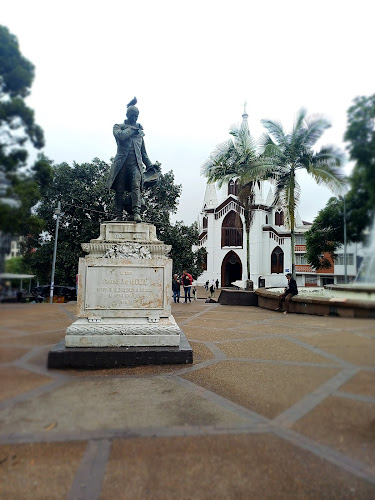
Escultura de Francisco José de Caldas

Nomadic George Mural

Mirador de Manizales
Find Accommodations Nearby
Recommended Tours & Activities
Visitor Reviews
There are no reviews yet. Be the first one to write one.
Share Your Experience
Have you visited Reserva Ecológica Río Blanco? Help other travelers by leaving a review.