
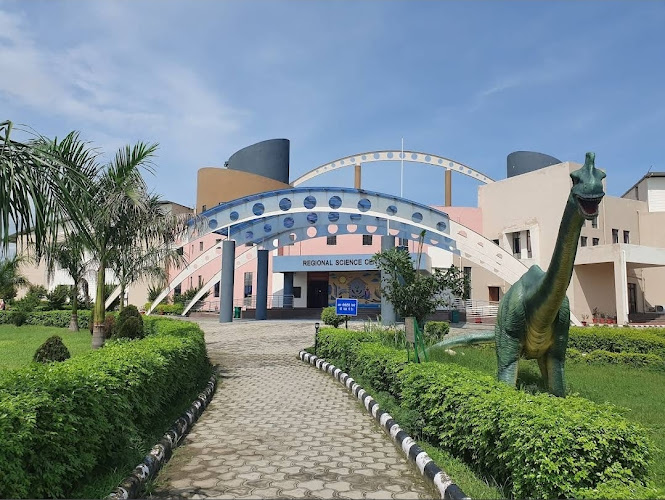
Regional Science Center (RSC) Dehradun
About Regional Science Center (RSC) Dehradun
Description
The Regional Science Center in Dehradun offers visitors an engaging journey into the world of scientific discovery and innovation. This facility stands as one of those places where learning actually feels like fun - and I say that having dragged myself through plenty of museums that felt more like homework than entertainment. The center caters primarily to students and families, though anyone with even a passing curiosity about how things work will find themselves absorbed in the exhibits. What makes this science museum particularly worthwhile is its hands-on approach to education. Rather than just staring at static displays behind glass, visitors get to interact with various scientific principles directly. The facility manages to strike that delicate balance between educational value and genuine entertainment, which honestly isn't easy to pull off. You'll find exhibits covering physics, biology, mathematics, and technology spread throughout the center. The Regional Science Center isn't just another dusty collection of scientific artifacts. It's a working educational facility that hosts live performances and demonstrations throughout the day. These shows bring scientific concepts to life in ways that textbooks simply can't match. And let's be real - watching a demonstration of electrical conductivity or chemical reactions beats reading about them any day of the week. Parents traveling with children will appreciate that the center was designed with accessibility in mind. The facility includes wheelchair accessible entrances, parking areas, and restrooms, making it genuinely inclusive for visitors with mobility challenges. This attention to accessibility demonstrates a commitment to making science education available to everyone, which is something more attractions should prioritize.Key Features
The Regional Science Center Dehradun provides visitors with numerous attractions and facilities worth experiencing: • Interactive exhibits allowing hands-on exploration of scientific principles across multiple disciplines including physics, chemistry, biology and mathematics • Live science demonstrations and performances conducted by knowledgeable staff throughout operating hours • Educational displays specifically designed to make complex scientific concepts understandable for children and students • A 3D theater providing immersive educational content that brings scientific phenomena to life • Fun Science Gallery where visitors can engage directly with exhibits demonstrating everyday scientific applications • Prehistoric Life gallery showcasing evolution and ancient life forms through detailed models and displays • Mirror Magic section that plays with optical illusions and the physics of light reflection • Science on a Sphere - a unique spherical projection system displaying dynamic planetary and atmospheric data • Regular science shows and activities scheduled throughout the day for different age groups • Completely wheelchair accessible facilities including dedicated parking spaces • Clean restroom facilities available for visitor convenience • Outdoor science park area for larger demonstrations and activities when weather permits • Educational resource center for students and educators seeking additional learning materialsBest Time to Visit
Timing your visit to the Regional Science Center can make a significant difference in your experience. The center sees its highest footfall during weekends and public holidays when families and school groups descend in large numbers. If you prefer a more relaxed experience where you can actually spend time at each exhibit without being jostled by crowds, weekday mornings are your best bet. The winter months from October through February offer the most pleasant weather conditions for visiting Dehradun overall. The temperatures remain comfortable, and you won't be dealing with the scorching heat that can make moving between outdoor and indoor exhibits less enjoyable. But here's the thing - this is also peak tourist season in Dehradun, which means more crowds at the science center too. Monsoon season from July to September brings heavy rainfall to the region. While the science center remains open during these months, outdoor activities and demonstrations might be limited. Plus, getting around Dehradun can become challenging with wet roads and reduced visibility. Spring months of March and April present another excellent window for visiting. The weather remains mild, schools are in session which reduces weekend crowds, and you get pleasant conditions both inside and outside the facility. I'd personally lean toward visiting during these months if your schedule allows for it. Consider timing your visit to coincide with the live demonstrations and shows. These usually happen at scheduled times throughout the day, and missing them would mean losing out on some of the center's best offerings. Check the schedule when you arrive and plan your exploration around these performances. Arriving right when the center opens gives you a head start before groups arrive. The morning hours typically offer the best lighting for the exhibits too, and staff members are fresh and more likely to engage in detailed explanations if you have questions.How to Get There
Reaching the Regional Science Center Dehradun is fairly straightforward whether you're coming from within the city or traveling from elsewhere. The center's location makes it accessible through multiple transportation options. For visitors arriving from outside Dehradun, the Jolly Grant Airport serves as the nearest air connection, located roughly 25 kilometers from the city center. From the airport, you can hire a taxi or use app-based cab services to reach the science center. The drive takes approximately 45 minutes to an hour depending on traffic conditions. Dehradun Railway Station connects the city to major destinations across India. From the railway station, the science center is accessible via taxi, auto-rickshaw, or local buses. The distance is manageable and shouldn't take more than 20-30 minutes under normal traffic conditions. If you're already in Dehradun, local transportation options include auto-rickshaws, cycle-rickshaws, and city buses. Auto-rickshaws are probably the most convenient option - just make sure to negotiate the fare beforehand or insist on using the meter. Local drivers are generally familiar with the science center's location, though having the address pulled up on your phone helps avoid any confusion. For those who prefer driving themselves, the center provides wheelchair accessible parking facilities on site. This is particularly convenient for families with young children or visitors with mobility concerns who'd rather not deal with public transportation. Many hotels and guesthouses in Dehradun can arrange transportation to the science center. This option costs a bit more but removes the hassle of navigating unfamiliar streets or negotiating with drivers.Tips for Visiting
Making the most of your visit to the Regional Science Center requires a bit of planning and insider knowledge. First off, allocate at least two to three hours for your visit. Rushing through defeats the entire purpose - this isn't a place to just tick off your list. The interactive exhibits deserve time and attention, and the live demonstrations alone can take up a good chunk of your visit. Arrive early in the day, seriously. This gives you time to explore exhibits before they get crowded, and you'll catch the first round of demonstrations when performers are most energetic. Plus, parking becomes easier and you won't be fighting for space at popular exhibits. Bring a water bottle because staying hydrated matters, especially if you're visiting during warmer months. While there's no restaurant on site, restrooms are available which is definitely a relief when you're spending several hours exploring. The center is genuinely good for kids, but keeping young children engaged requires strategy. Let them lead sometimes - if they're fascinated by a particular exhibit, give them time there rather than forcing them through everything sequentially. The hands-on nature of many displays means children can learn through play, which is honestly the best kind of education. Photography is generally allowed, though flash photography might be restricted in certain areas. Capture your experiences but don't spend the entire visit looking through your phone screen. Some moments are better experienced directly than through a camera lens. Comfortable footwear is non-negotiable. You'll be doing quite a bit of walking and standing, and sore feet will cut your visit short faster than anything else. Trust me on this one - I've made the mistake of wearing inadequate shoes to museums before, and it's never worth it. If you're visiting with students or as part of an educational trip, consider preparing questions beforehand. The staff can provide valuable insights, but they're more helpful when you ask specific questions rather than just expecting them to lecture. Don't skip the 3D theater show. Even if you think you've seen it all before, the science-focused content here offers genuine educational value wrapped in entertainment. The shows change periodically too, so repeat visitors get fresh content. Check if any special exhibitions or events are scheduled during your visit. The center occasionally hosts temporary exhibits or special programs that add extra value to your experience. For visitors with accessibility needs, don't hesitate to ask staff for assistance. The center has made efforts to be wheelchair accessible, but having staff support can make navigation smoother and ensure you don't miss anything important. Finally, approach your visit with curiosity rather than expectations. Science museums can sometimes feel repetitive if you've visited many before, but each one has its unique strengths. The Regional Science Center's live performances and interactive approach distinguish it from purely static displays. Let yourself be surprised by what catches your attention - sometimes the smallest exhibit ends up being the most memorable.Key Features
- Fun Science Gallery with interactive, hands-on exhibits
- Himalaya Gallery focusing on regional geology, ecology and environment
- Outdoor science park including a Dinosaur Park and experiential installations
- 3D theatre for short educational films and shows
- Auditorium, exhibition hall and on-site library for events and learning programs
More Details
Updated March 30, 2026
Table of Contents
- Description
- Key Features
- Best Time to Visit
- How to Get There
- Tips for Visiting
- Key Highlights
- Location
- Places to Stay Near Regional Science Center (RSC) Dehradun
- Find and Book a Tour
- Explore More Travel Guides
- Nearby Places You Might Like
- Traveler Reviews for Regional Science Center (RSC) Dehradun
- Share Your Experience
Description
The Regional Science Center in Dehradun offers visitors an engaging journey into the world of scientific discovery and innovation. This facility stands as one of those places where learning actually feels like fun – and I say that having dragged myself through plenty of museums that felt more like homework than entertainment. The center caters primarily to students and families, though anyone with even a passing curiosity about how things work will find themselves absorbed in the exhibits.
What makes this science museum particularly worthwhile is its hands-on approach to education. Rather than just staring at static displays behind glass, visitors get to interact with various scientific principles directly. The facility manages to strike that delicate balance between educational value and genuine entertainment, which honestly isn’t easy to pull off. You’ll find exhibits covering physics, biology, mathematics, and technology spread throughout the center.
The Regional Science Center isn’t just another dusty collection of scientific artifacts. It’s a working educational facility that hosts live performances and demonstrations throughout the day. These shows bring scientific concepts to life in ways that textbooks simply can’t match. And let’s be real – watching a demonstration of electrical conductivity or chemical reactions beats reading about them any day of the week.
Parents traveling with children will appreciate that the center was designed with accessibility in mind. The facility includes wheelchair accessible entrances, parking areas, and restrooms, making it genuinely inclusive for visitors with mobility challenges. This attention to accessibility demonstrates a commitment to making science education available to everyone, which is something more attractions should prioritize.
Key Features
The Regional Science Center Dehradun provides visitors with numerous attractions and facilities worth experiencing:
• Interactive exhibits allowing hands-on exploration of scientific principles across multiple disciplines including physics, chemistry, biology and mathematics
• Live science demonstrations and performances conducted by knowledgeable staff throughout operating hours
• Educational displays specifically designed to make complex scientific concepts understandable for children and students
• A 3D theater providing immersive educational content that brings scientific phenomena to life
• Fun Science Gallery where visitors can engage directly with exhibits demonstrating everyday scientific applications
• Prehistoric Life gallery showcasing evolution and ancient life forms through detailed models and displays
• Mirror Magic section that plays with optical illusions and the physics of light reflection
• Science on a Sphere – a unique spherical projection system displaying dynamic planetary and atmospheric data
• Regular science shows and activities scheduled throughout the day for different age groups
• Completely wheelchair accessible facilities including dedicated parking spaces
• Clean restroom facilities available for visitor convenience
• Outdoor science park area for larger demonstrations and activities when weather permits
• Educational resource center for students and educators seeking additional learning materials
Best Time to Visit
Timing your visit to the Regional Science Center can make a significant difference in your experience. The center sees its highest footfall during weekends and public holidays when families and school groups descend in large numbers. If you prefer a more relaxed experience where you can actually spend time at each exhibit without being jostled by crowds, weekday mornings are your best bet.
The winter months from October through February offer the most pleasant weather conditions for visiting Dehradun overall. The temperatures remain comfortable, and you won’t be dealing with the scorching heat that can make moving between outdoor and indoor exhibits less enjoyable. But here’s the thing – this is also peak tourist season in Dehradun, which means more crowds at the science center too.
Monsoon season from July to September brings heavy rainfall to the region. While the science center remains open during these months, outdoor activities and demonstrations might be limited. Plus, getting around Dehradun can become challenging with wet roads and reduced visibility.
Spring months of March and April present another excellent window for visiting. The weather remains mild, schools are in session which reduces weekend crowds, and you get pleasant conditions both inside and outside the facility. I’d personally lean toward visiting during these months if your schedule allows for it.
Consider timing your visit to coincide with the live demonstrations and shows. These usually happen at scheduled times throughout the day, and missing them would mean losing out on some of the center’s best offerings. Check the schedule when you arrive and plan your exploration around these performances.
Arriving right when the center opens gives you a head start before groups arrive. The morning hours typically offer the best lighting for the exhibits too, and staff members are fresh and more likely to engage in detailed explanations if you have questions.
How to Get There
Reaching the Regional Science Center Dehradun is fairly straightforward whether you’re coming from within the city or traveling from elsewhere. The center’s location makes it accessible through multiple transportation options.
For visitors arriving from outside Dehradun, the Jolly Grant Airport serves as the nearest air connection, located roughly 25 kilometers from the city center. From the airport, you can hire a taxi or use app-based cab services to reach the science center. The drive takes approximately 45 minutes to an hour depending on traffic conditions.
Dehradun Railway Station connects the city to major destinations across India. From the railway station, the science center is accessible via taxi, auto-rickshaw, or local buses. The distance is manageable and shouldn’t take more than 20-30 minutes under normal traffic conditions.
If you’re already in Dehradun, local transportation options include auto-rickshaws, cycle-rickshaws, and city buses. Auto-rickshaws are probably the most convenient option – just make sure to negotiate the fare beforehand or insist on using the meter. Local drivers are generally familiar with the science center’s location, though having the address pulled up on your phone helps avoid any confusion.
For those who prefer driving themselves, the center provides wheelchair accessible parking facilities on site. This is particularly convenient for families with young children or visitors with mobility concerns who’d rather not deal with public transportation.
Many hotels and guesthouses in Dehradun can arrange transportation to the science center. This option costs a bit more but removes the hassle of navigating unfamiliar streets or negotiating with drivers.
Tips for Visiting
Making the most of your visit to the Regional Science Center requires a bit of planning and insider knowledge. First off, allocate at least two to three hours for your visit. Rushing through defeats the entire purpose – this isn’t a place to just tick off your list. The interactive exhibits deserve time and attention, and the live demonstrations alone can take up a good chunk of your visit.
Arrive early in the day, seriously. This gives you time to explore exhibits before they get crowded, and you’ll catch the first round of demonstrations when performers are most energetic. Plus, parking becomes easier and you won’t be fighting for space at popular exhibits.
Bring a water bottle because staying hydrated matters, especially if you’re visiting during warmer months. While there’s no restaurant on site, restrooms are available which is definitely a relief when you’re spending several hours exploring.
The center is genuinely good for kids, but keeping young children engaged requires strategy. Let them lead sometimes – if they’re fascinated by a particular exhibit, give them time there rather than forcing them through everything sequentially. The hands-on nature of many displays means children can learn through play, which is honestly the best kind of education.
Photography is generally allowed, though flash photography might be restricted in certain areas. Capture your experiences but don’t spend the entire visit looking through your phone screen. Some moments are better experienced directly than through a camera lens.
Comfortable footwear is non-negotiable. You’ll be doing quite a bit of walking and standing, and sore feet will cut your visit short faster than anything else. Trust me on this one – I’ve made the mistake of wearing inadequate shoes to museums before, and it’s never worth it.
If you’re visiting with students or as part of an educational trip, consider preparing questions beforehand. The staff can provide valuable insights, but they’re more helpful when you ask specific questions rather than just expecting them to lecture.
Don’t skip the 3D theater show. Even if you think you’ve seen it all before, the science-focused content here offers genuine educational value wrapped in entertainment. The shows change periodically too, so repeat visitors get fresh content.
Check if any special exhibitions or events are scheduled during your visit. The center occasionally hosts temporary exhibits or special programs that add extra value to your experience.
For visitors with accessibility needs, don’t hesitate to ask staff for assistance. The center has made efforts to be wheelchair accessible, but having staff support can make navigation smoother and ensure you don’t miss anything important.
Finally, approach your visit with curiosity rather than expectations. Science museums can sometimes feel repetitive if you’ve visited many before, but each one has its unique strengths. The Regional Science Center’s live performances and interactive approach distinguish it from purely static displays. Let yourself be surprised by what catches your attention – sometimes the smallest exhibit ends up being the most memorable.
Key Highlights
- Fun Science Gallery with interactive, hands-on exhibits
- Himalaya Gallery focusing on regional geology, ecology and environment
- Outdoor science park including a Dinosaur Park and experiential installations
- 3D theatre for short educational films and shows
- Auditorium, exhibition hall and on-site library for events and learning programs
Location
Places to Stay Near Regional Science Center (RSC) Dehradun
Find and Book a Tour
Explore More Travel Guides
No reviews found! Be the first to review!
Regional Science Center (RSC) Dehradun is a prominent museums located in Dehradun.
Visit us at: Vigyan Dham, Jhjara, Prem Nagar, Dehradun, Uttarakhand 248007, India.
Traveler Reviews for Regional Science Center (RSC) Dehradun
There are no reviews yet. Be the first one to write one.
Have you visited Regional Science Center (RSC) Dehradun? Help other travelers by sharing your review.
Nearby Attractions
You Might Also Like

Indira Market Dehradun
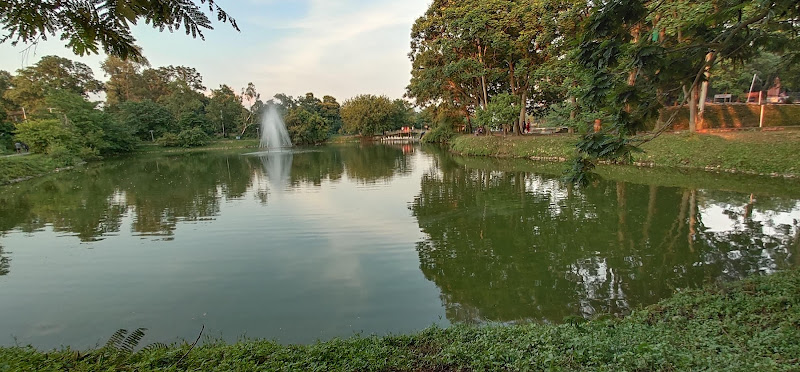
Clement Town Lake
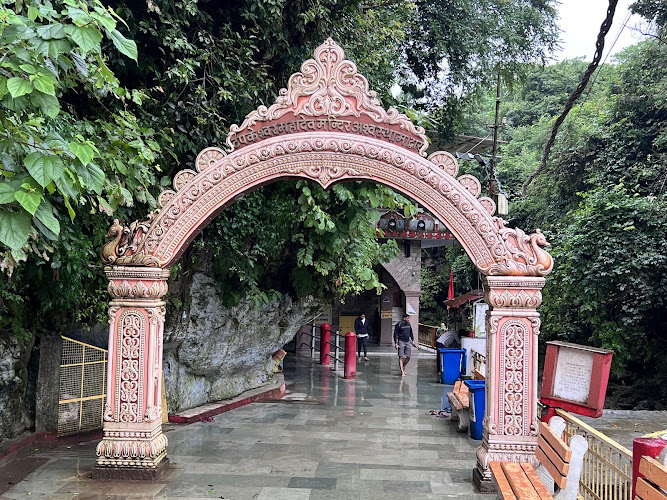
Tapkeshwar Mahadev Mandir
Find Accommodations Nearby
Recommended Tours & Activities
Visitor Reviews
There are no reviews yet. Be the first one to write one.
Share Your Experience
Have you visited Regional Science Center (RSC) Dehradun? Help other travelers by leaving a review.