
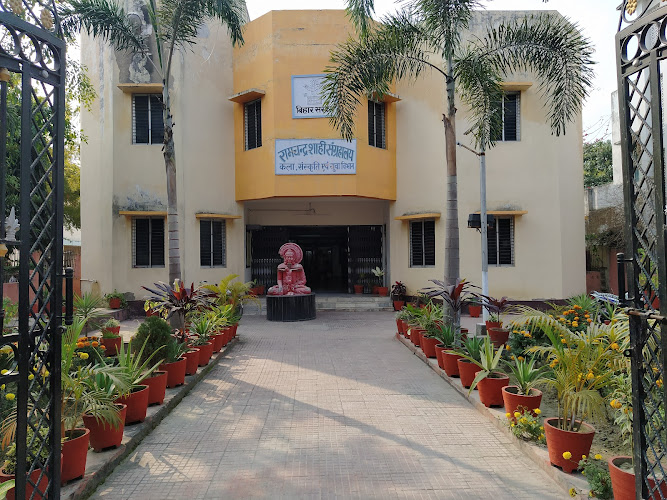
Ramchandra Shahi Museum
About Ramchandra Shahi Museum
Description
Ramchandra Shahi Museum in Muzaffarpur, Bihar, is one of those places that quietly surprise you. It’s not a massive, world-famous museum buzzing with tourists, but rather a humble, heartfelt space that feels deeply connected to the city’s soul. Established back in 1979, this museum was built to honor Ramchandra Shahi — a respected politician, social worker, and freedom fighter whose life was dedicated to the betterment of Bihar. The museum’s charm lies in its simplicity and authenticity. You don’t just walk through exhibits here; you walk through stories of a region that has seen centuries of cultural evolution.
The museum sits near Jubba Sahni Park, and if you’ve ever been to Muzaffarpur, you know that this area hums with a quiet, everyday rhythm — kids playing cricket, vendors selling chai, and locals chatting under banyan trees. Stepping inside, you’re greeted by a collection that feels both intimate and impressive. Ancient utensils, terracotta figurines, coins, manuscripts, and delicate sculptures — each piece seems to whisper tales of Bihar’s layered past. The statues of Manasa Nag and Ashtadikpal are particularly striking. They’re intricate, detailed, and almost hypnotic in their craftsmanship. You can’t help but pause and admire the patience it must’ve taken to carve them centuries ago.
What makes this museum so endearing is that it doesn’t try too hard. It’s not polished to perfection — and that’s exactly why it feels real. There’s a certain nostalgia in the air, a sense that you’re standing in a place that’s been loved and preserved by people who genuinely care about history. Sure, it could use a bit more maintenance, maybe better lighting in some sections, but those imperfections somehow add to the experience. You feel like you’re discovering something that hasn’t been over-commercialized yet — a rarity these days.
Key Features
- Historical Artifacts: A wide range of ancient utensils, coins, and pottery that reflect the everyday life of early Bihar civilizations.
- Intricate Sculptures: Statues like Manasa Nag and Ashtadikpal that showcase the region’s artistic mastery in stone carving.
- Freedom Movement Memorabilia: Items linked to Bihar’s role in India’s independence, offering a personal glimpse into the past.
- Art and Manuscripts: Traditional paintings and old manuscripts that highlight the intellectual and cultural depth of the region.
- Accessibility: The museum is wheelchair-friendly, with accessible entrances and parking facilities for visitors with mobility needs.
- Family-Friendly Environment: It’s a great place for kids to learn about history in an engaging, hands-on way.
Personally, I think the best part is how the museum manages to bridge time. You’ll see artifacts that date back centuries sitting right next to items from the colonial era. It’s like flipping through a living history book — except you can almost feel the texture of the pages. And if you’re the kind of traveler who likes to take their time, this place rewards curiosity. Every corner hides something unexpected — a forgotten coin, a faded painting, or even a curator eager to share a story or two.
Best Time to Visit
Now, here’s the thing — Muzaffarpur can get pretty hot during the summer months. If you’re planning a trip, the best time to visit the Ramchandra Shahi Museum is between October and March. The weather is cooler, the city feels more alive, and you can comfortably stroll around without breaking into a sweat. Winter mornings here are especially lovely; the soft sunlight streaming through the museum windows gives everything a warm, golden glow. If you’re lucky, you might even catch a local cultural event or school trip — it’s heartwarming to see young students getting excited about history.
That said, if you happen to visit during the monsoon, don’t be discouraged. The lush greenery around the museum after a rain shower is something else. Just carry an umbrella (trust me, you’ll need it) and maybe a pair of comfortable shoes because the area can get a bit muddy. But there’s something oddly peaceful about wandering through the museum while the rain taps softly on the windows — it’s almost cinematic.
How to Get There
Reaching the Ramchandra Shahi Museum is fairly straightforward. Muzaffarpur is well connected by both rail and road, making it accessible from major cities like Patna, Darbhanga, and Sitamarhi. If you’re coming from Patna, it’s about a two-hour train ride or a drive of roughly 75 kilometers. The museum is located in the Mithanpura area, not far from the city center, so local transport options like auto-rickshaws and taxis are easily available.
For those flying in, the nearest airport is in Patna. From there, you can hire a cab or take a bus to Muzaffarpur. Once in town, just ask any local about the museum — people here are friendly and more than happy to point you in the right direction. And honestly, that’s one of the joys of traveling in Bihar — the warmth of its people. I once asked a shopkeeper for directions and ended up sharing a cup of tea and an impromptu chat about local folklore. That’s the kind of place Muzaffarpur is — it welcomes you like an old friend.
Tips for Visiting
If you’re planning to visit, here are a few things I’ve learned from personal experience that might make your trip smoother and more enjoyable:
- Take Your Time: Don’t rush through the exhibits. There’s a lot to absorb, and some of the smaller artifacts are easy to overlook but incredibly fascinating once you notice them.
- Photography: Check the museum’s current policy on photography. It’s often allowed in certain sections, but flash might be restricted to protect delicate items.
- Talk to the Staff: The caretakers and guides here are a treasure trove of information. They often share stories that you won’t find on any plaque or brochure.
- Pair Your Visit: Combine your museum trip with a walk in nearby Jubba Sahni Park. It’s a lovely way to unwind after exploring the exhibits.
- Stay Hydrated: Especially if you’re visiting during warmer months. Carry a water bottle — the heat can sneak up on you.
- Respect the Space: The museum may not be grand, but it’s deeply meaningful to the local community. Treat it with the same respect you’d give any historical site.
One last thing — if you’re traveling with kids, this museum is a great way to introduce them to India’s cultural roots. My niece, who’s usually glued to her phone, was absolutely fascinated by the ancient coins and pottery. It sparked a whole conversation about how people lived centuries ago, and honestly, that’s what museums should do — make history come alive in unexpected ways.
In the end, the Ramchandra Shahi Museum isn’t just about artifacts or history; it’s about connection — to the past, to the community, and maybe even to yourself. It’s a reminder that even smaller, lesser-known places can leave a lasting impression. So if you ever find yourself in Muzaffarpur, take an hour or two to step inside. You might walk out with more than just photographs — perhaps a deeper appreciation for how beautifully ordinary history can be.
Key Features
- Key Features
- Best Time to Visit
- How to Get There
- Tips for Visiting
More Details
Updated December 1, 2025
Table of Contents
Description
Ramchandra Shahi Museum in Muzaffarpur, Bihar, is one of those places that quietly surprise you. It’s not a massive, world-famous museum buzzing with tourists, but rather a humble, heartfelt space that feels deeply connected to the city’s soul. Established back in 1979, this museum was built to honor Ramchandra Shahi — a respected politician, social worker, and freedom fighter whose life was dedicated to the betterment of Bihar. The museum’s charm lies in its simplicity and authenticity. You don’t just walk through exhibits here; you walk through stories of a region that has seen centuries of cultural evolution.
The museum sits near Jubba Sahni Park, and if you’ve ever been to Muzaffarpur, you know that this area hums with a quiet, everyday rhythm — kids playing cricket, vendors selling chai, and locals chatting under banyan trees. Stepping inside, you’re greeted by a collection that feels both intimate and impressive. Ancient utensils, terracotta figurines, coins, manuscripts, and delicate sculptures — each piece seems to whisper tales of Bihar’s layered past. The statues of Manasa Nag and Ashtadikpal are particularly striking. They’re intricate, detailed, and almost hypnotic in their craftsmanship. You can’t help but pause and admire the patience it must’ve taken to carve them centuries ago.
What makes this museum so endearing is that it doesn’t try too hard. It’s not polished to perfection — and that’s exactly why it feels real. There’s a certain nostalgia in the air, a sense that you’re standing in a place that’s been loved and preserved by people who genuinely care about history. Sure, it could use a bit more maintenance, maybe better lighting in some sections, but those imperfections somehow add to the experience. You feel like you’re discovering something that hasn’t been over-commercialized yet — a rarity these days.
Key Features
- Historical Artifacts: A wide range of ancient utensils, coins, and pottery that reflect the everyday life of early Bihar civilizations.
- Intricate Sculptures: Statues like Manasa Nag and Ashtadikpal that showcase the region’s artistic mastery in stone carving.
- Freedom Movement Memorabilia: Items linked to Bihar’s role in India’s independence, offering a personal glimpse into the past.
- Art and Manuscripts: Traditional paintings and old manuscripts that highlight the intellectual and cultural depth of the region.
- Accessibility: The museum is wheelchair-friendly, with accessible entrances and parking facilities for visitors with mobility needs.
- Family-Friendly Environment: It’s a great place for kids to learn about history in an engaging, hands-on way.
Personally, I think the best part is how the museum manages to bridge time. You’ll see artifacts that date back centuries sitting right next to items from the colonial era. It’s like flipping through a living history book — except you can almost feel the texture of the pages. And if you’re the kind of traveler who likes to take their time, this place rewards curiosity. Every corner hides something unexpected — a forgotten coin, a faded painting, or even a curator eager to share a story or two.
Best Time to Visit
Now, here’s the thing — Muzaffarpur can get pretty hot during the summer months. If you’re planning a trip, the best time to visit the Ramchandra Shahi Museum is between October and March. The weather is cooler, the city feels more alive, and you can comfortably stroll around without breaking into a sweat. Winter mornings here are especially lovely; the soft sunlight streaming through the museum windows gives everything a warm, golden glow. If you’re lucky, you might even catch a local cultural event or school trip — it’s heartwarming to see young students getting excited about history.
That said, if you happen to visit during the monsoon, don’t be discouraged. The lush greenery around the museum after a rain shower is something else. Just carry an umbrella (trust me, you’ll need it) and maybe a pair of comfortable shoes because the area can get a bit muddy. But there’s something oddly peaceful about wandering through the museum while the rain taps softly on the windows — it’s almost cinematic.
How to Get There
Reaching the Ramchandra Shahi Museum is fairly straightforward. Muzaffarpur is well connected by both rail and road, making it accessible from major cities like Patna, Darbhanga, and Sitamarhi. If you’re coming from Patna, it’s about a two-hour train ride or a drive of roughly 75 kilometers. The museum is located in the Mithanpura area, not far from the city center, so local transport options like auto-rickshaws and taxis are easily available.
For those flying in, the nearest airport is in Patna. From there, you can hire a cab or take a bus to Muzaffarpur. Once in town, just ask any local about the museum — people here are friendly and more than happy to point you in the right direction. And honestly, that’s one of the joys of traveling in Bihar — the warmth of its people. I once asked a shopkeeper for directions and ended up sharing a cup of tea and an impromptu chat about local folklore. That’s the kind of place Muzaffarpur is — it welcomes you like an old friend.
Tips for Visiting
If you’re planning to visit, here are a few things I’ve learned from personal experience that might make your trip smoother and more enjoyable:
- Take Your Time: Don’t rush through the exhibits. There’s a lot to absorb, and some of the smaller artifacts are easy to overlook but incredibly fascinating once you notice them.
- Photography: Check the museum’s current policy on photography. It’s often allowed in certain sections, but flash might be restricted to protect delicate items.
- Talk to the Staff: The caretakers and guides here are a treasure trove of information. They often share stories that you won’t find on any plaque or brochure.
- Pair Your Visit: Combine your museum trip with a walk in nearby Jubba Sahni Park. It’s a lovely way to unwind after exploring the exhibits.
- Stay Hydrated: Especially if you’re visiting during warmer months. Carry a water bottle — the heat can sneak up on you.
- Respect the Space: The museum may not be grand, but it’s deeply meaningful to the local community. Treat it with the same respect you’d give any historical site.
One last thing — if you’re traveling with kids, this museum is a great way to introduce them to India’s cultural roots. My niece, who’s usually glued to her phone, was absolutely fascinated by the ancient coins and pottery. It sparked a whole conversation about how people lived centuries ago, and honestly, that’s what museums should do — make history come alive in unexpected ways.
In the end, the Ramchandra Shahi Museum isn’t just about artifacts or history; it’s about connection — to the past, to the community, and maybe even to yourself. It’s a reminder that even smaller, lesser-known places can leave a lasting impression. So if you ever find yourself in Muzaffarpur, take an hour or two to step inside. You might walk out with more than just photographs — perhaps a deeper appreciation for how beautifully ordinary history can be.
Key Highlights
- Key Features
- Best Time to Visit
- How to Get There
- Tips for Visiting
Location
Places to Stay Near Ramchandra Shahi Museum
Find and Book a Tour
Explore More Travel Guides
No reviews found! Be the first to review!
Traveler Reviews for Ramchandra Shahi Museum
There are no reviews yet. Be the first one to write one.
Have you visited Ramchandra Shahi Museum? Help other travelers by sharing your review.
You Might Also Like
The Grand Mall
CHILDREN PARK MUZAFFARPUR
Muzaffarpur Park
Find Accommodations Nearby
Recommended Tours & Activities
Visitor Reviews
There are no reviews yet. Be the first one to write one.
Share Your Experience
Have you visited Ramchandra Shahi Museum? Help other travelers by leaving a review.