
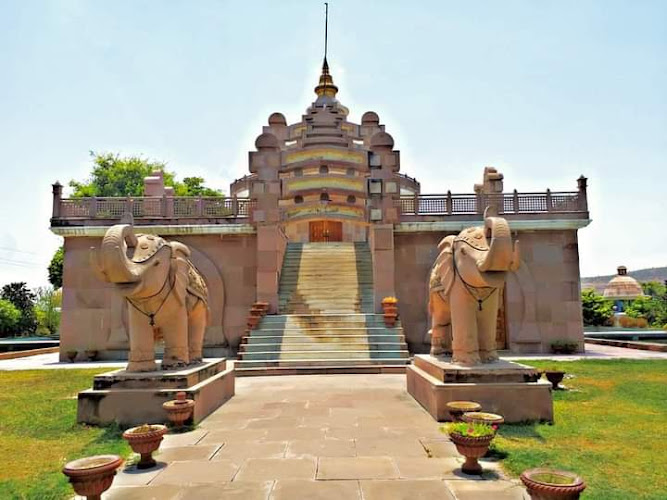
Muzaffarpur
About Muzaffarpur
Description
Muzaffarpur, often called the “Lychee Capital of India,” is one of those cities that quietly surprises you. Situated along the banks of the Burhi Gandak River in Bihar, this place has a way of blending old-world charm with a kind of everyday energy that only a living, breathing city can have. The city serves as the administrative headquarters of both the Tirhut division and the Muzaffarpur district, yet it never feels too formal. It’s lively, it’s layered, and it’s got stories tucked into every corner—from its buzzing bazaars to its ancient temples and colonial-era structures.
Now, I’ll be honest—Muzaffarpur isn’t the kind of city that tries too hard to impress. It doesn’t flaunt itself like some big tourist magnet. Instead, it grows on you slowly. You’ll find yourself walking through Motijheel market, surrounded by the chatter of vendors, the smell of street food, and the sight of lychees piled high during the summer. And if you’re anything like me, you’ll probably end up buying more than you can carry. The city’s rhythm is unhurried, yet full of purpose. It’s a place where tradition sits comfortably beside progress, where people still greet you with genuine warmth, and where every lane seems to have a story to tell.
Beyond its famous lychees, Muzaffarpur has a strong historical and cultural identity. It’s one of Bihar’s oldest commercial and educational hubs, and that heritage still shows. You’ll see traces of history in its architecture, religion in its temples, and community in its festivals. During Chhath Puja, for instance, the ghats along the Burhi Gandak glow with lamps and devotion—it’s one of those experiences that stays with you long after you’ve left. The city may not have the grandeur of a metro, but it has heart, and that’s something you can’t fake.
Key Features
- Lychee Capital: Muzaffarpur produces some of the best lychees in India, especially the Shahi variety known for its sweetness and aroma.
- Historic Temples: The city is home to several old temples such as Baba Garibnath Temple and Jubba Sahni Park, which carry both spiritual and historical value.
- Burhi Gandak River: Flowing through the city, this river not only shapes its geography but also its culture and lifestyle.
- Markets and Bazaars: Motijheel and Saraiyaganj are bustling hubs for local shopping, from textiles to sweets and everything in between.
- Cultural Heritage: The city celebrates major festivals like Chhath Puja, Durga Puja, and Ram Navami with immense enthusiasm and community spirit.
- Educational Hub: Muzaffarpur has long been a center for learning, with several reputed institutions contributing to its intellectual vibe.
- Local Cuisine: From spicy litti-chokha to sweet khaja and fresh lychee-based desserts, the city’s food is a reflection of its people—simple, flavorful, and deeply satisfying.
Best Time to Visit
If you ask me, the best time to visit Muzaffarpur is between November and February. The weather is cool, the air feels crisp, and you can actually enjoy walking around without melting in the heat. Summer, especially from May to June, can get pretty intense, but that’s also when the lychees arrive—and honestly, that alone might be worth the trip. There’s something magical about biting into a fresh lychee right where it’s grown. The monsoon months (July to September) bring a different kind of beauty too, with the Burhi Gandak swelling and the fields turning lush green. But if you’re not a fan of humidity, winter’s your best bet.
During winter, the city also comes alive with festivals and fairs. The energy is infectious—you’ll see families heading out for picnics, students crowding tea stalls, and the local markets buzzing with activity. It’s the kind of season where Muzaffarpur feels most itself, and you can really soak in its everyday charm.
How to Get There
Getting to Muzaffarpur is pretty straightforward. The city is well-connected by road, rail, and air (through nearby airports). If you’re traveling by train, Muzaffarpur Junction is one of the busiest stations in North Bihar, linking the city directly to major hubs like Delhi, Kolkata, and Patna. I’ve taken the train route a couple of times—it’s long but scenic, especially if you enjoy watching the countryside roll by.
By road, National Highway 27 passes through the city, making it accessible from Patna (about 70 km away) and other nearby towns. Buses, shared taxis, and private cabs are easily available. For those flying in, the closest airport is Jay Prakash Narayan International Airport in Patna; from there, it’s roughly a two-hour drive to Muzaffarpur. If you prefer a more local experience, you can even rent a car and stop at roadside dhabas along the way—trust me, the tea and samosas taste better when you’re traveling through Bihar’s heartland.
Tips for Visiting
Alright, here’s where I get real with you. Muzaffarpur is not a place you “do” in a checklist kind of way. It’s best enjoyed slowly. Wander through the markets, talk to the locals, and don’t rush your meals. Here are some tips that might make your trip smoother (and more fun):
- Plan around the weather: Summers can be hot and humid, so carry light cotton clothes, sunscreen, and stay hydrated. Winters are pleasant but can get chilly at night—pack a light jacket.
- Try the local food: Don’t leave without tasting litti-chokha, sattu paratha, and of course, the lychees if you’re visiting in season. Street food here is safe if you choose busy, well-known stalls.
- Explore beyond the obvious: Visit the local temples, parks, and museums. Jubba Sahni Park, Ram Chandra Shahi Museum, and the nearby Vaishali ruins are worth checking out.
- Respect local customs: Bihar is deeply rooted in tradition. Dress modestly, especially when visiting religious places, and always ask before taking photos of people.
- Stay connected: Internet and mobile networks are reliable, but carrying some cash is a good idea since smaller shops may not accept digital payments.
- Festivals are a must-see: If you can time your visit during Chhath Puja, you’ll witness something truly special. The devotion, music, and atmosphere at the ghats are unforgettable.
- Accommodation: There’s a range of stay options—from budget lodges to decent hotels. Book early if you’re visiting during festive seasons.
One last thing—don’t expect Muzaffarpur to be like a polished tourist city. It’s more authentic than that. It’s a place where life happens in real time, where people still wave at strangers, and where the best experiences often come unplanned. I remember once getting lost in a narrow lane near Company Bagh and ending up at a small tea stall. The owner, an old man with a kind smile, told me stories about how the city had changed over the decades. That conversation taught me more about Muzaffarpur than any guidebook ever could.
So, if you’re looking for a destination that feels genuine, grounded, and full of character, Muzaffarpur is worth your time. It’s not glamorous, but it’s real—and that’s what makes it so special. Whether you come for the lychees, the culture, or just to see a different side of Bihar, you’ll leave with something far more lasting: a sense of connection to a place that still values its roots while looking toward the future.
Key Features
- Key Features
- Best Time to Visit
- How to Get There
- Tips for Visiting
More Details
Updated December 1, 2025
Table of Contents
Description
Muzaffarpur, often called the “Lychee Capital of India,” is one of those cities that quietly surprises you. Situated along the banks of the Burhi Gandak River in Bihar, this place has a way of blending old-world charm with a kind of everyday energy that only a living, breathing city can have. The city serves as the administrative headquarters of both the Tirhut division and the Muzaffarpur district, yet it never feels too formal. It’s lively, it’s layered, and it’s got stories tucked into every corner—from its buzzing bazaars to its ancient temples and colonial-era structures.
Now, I’ll be honest—Muzaffarpur isn’t the kind of city that tries too hard to impress. It doesn’t flaunt itself like some big tourist magnet. Instead, it grows on you slowly. You’ll find yourself walking through Motijheel market, surrounded by the chatter of vendors, the smell of street food, and the sight of lychees piled high during the summer. And if you’re anything like me, you’ll probably end up buying more than you can carry. The city’s rhythm is unhurried, yet full of purpose. It’s a place where tradition sits comfortably beside progress, where people still greet you with genuine warmth, and where every lane seems to have a story to tell.
Beyond its famous lychees, Muzaffarpur has a strong historical and cultural identity. It’s one of Bihar’s oldest commercial and educational hubs, and that heritage still shows. You’ll see traces of history in its architecture, religion in its temples, and community in its festivals. During Chhath Puja, for instance, the ghats along the Burhi Gandak glow with lamps and devotion—it’s one of those experiences that stays with you long after you’ve left. The city may not have the grandeur of a metro, but it has heart, and that’s something you can’t fake.
Key Features
- Lychee Capital: Muzaffarpur produces some of the best lychees in India, especially the Shahi variety known for its sweetness and aroma.
- Historic Temples: The city is home to several old temples such as Baba Garibnath Temple and Jubba Sahni Park, which carry both spiritual and historical value.
- Burhi Gandak River: Flowing through the city, this river not only shapes its geography but also its culture and lifestyle.
- Markets and Bazaars: Motijheel and Saraiyaganj are bustling hubs for local shopping, from textiles to sweets and everything in between.
- Cultural Heritage: The city celebrates major festivals like Chhath Puja, Durga Puja, and Ram Navami with immense enthusiasm and community spirit.
- Educational Hub: Muzaffarpur has long been a center for learning, with several reputed institutions contributing to its intellectual vibe.
- Local Cuisine: From spicy litti-chokha to sweet khaja and fresh lychee-based desserts, the city’s food is a reflection of its people—simple, flavorful, and deeply satisfying.
Best Time to Visit
If you ask me, the best time to visit Muzaffarpur is between November and February. The weather is cool, the air feels crisp, and you can actually enjoy walking around without melting in the heat. Summer, especially from May to June, can get pretty intense, but that’s also when the lychees arrive—and honestly, that alone might be worth the trip. There’s something magical about biting into a fresh lychee right where it’s grown. The monsoon months (July to September) bring a different kind of beauty too, with the Burhi Gandak swelling and the fields turning lush green. But if you’re not a fan of humidity, winter’s your best bet.
During winter, the city also comes alive with festivals and fairs. The energy is infectious—you’ll see families heading out for picnics, students crowding tea stalls, and the local markets buzzing with activity. It’s the kind of season where Muzaffarpur feels most itself, and you can really soak in its everyday charm.
How to Get There
Getting to Muzaffarpur is pretty straightforward. The city is well-connected by road, rail, and air (through nearby airports). If you’re traveling by train, Muzaffarpur Junction is one of the busiest stations in North Bihar, linking the city directly to major hubs like Delhi, Kolkata, and Patna. I’ve taken the train route a couple of times—it’s long but scenic, especially if you enjoy watching the countryside roll by.
By road, National Highway 27 passes through the city, making it accessible from Patna (about 70 km away) and other nearby towns. Buses, shared taxis, and private cabs are easily available. For those flying in, the closest airport is Jay Prakash Narayan International Airport in Patna; from there, it’s roughly a two-hour drive to Muzaffarpur. If you prefer a more local experience, you can even rent a car and stop at roadside dhabas along the way—trust me, the tea and samosas taste better when you’re traveling through Bihar’s heartland.
Tips for Visiting
Alright, here’s where I get real with you. Muzaffarpur is not a place you “do” in a checklist kind of way. It’s best enjoyed slowly. Wander through the markets, talk to the locals, and don’t rush your meals. Here are some tips that might make your trip smoother (and more fun):
- Plan around the weather: Summers can be hot and humid, so carry light cotton clothes, sunscreen, and stay hydrated. Winters are pleasant but can get chilly at night—pack a light jacket.
- Try the local food: Don’t leave without tasting litti-chokha, sattu paratha, and of course, the lychees if you’re visiting in season. Street food here is safe if you choose busy, well-known stalls.
- Explore beyond the obvious: Visit the local temples, parks, and museums. Jubba Sahni Park, Ram Chandra Shahi Museum, and the nearby Vaishali ruins are worth checking out.
- Respect local customs: Bihar is deeply rooted in tradition. Dress modestly, especially when visiting religious places, and always ask before taking photos of people.
- Stay connected: Internet and mobile networks are reliable, but carrying some cash is a good idea since smaller shops may not accept digital payments.
- Festivals are a must-see: If you can time your visit during Chhath Puja, you’ll witness something truly special. The devotion, music, and atmosphere at the ghats are unforgettable.
- Accommodation: There’s a range of stay options—from budget lodges to decent hotels. Book early if you’re visiting during festive seasons.
One last thing—don’t expect Muzaffarpur to be like a polished tourist city. It’s more authentic than that. It’s a place where life happens in real time, where people still wave at strangers, and where the best experiences often come unplanned. I remember once getting lost in a narrow lane near Company Bagh and ending up at a small tea stall. The owner, an old man with a kind smile, told me stories about how the city had changed over the decades. That conversation taught me more about Muzaffarpur than any guidebook ever could.
So, if you’re looking for a destination that feels genuine, grounded, and full of character, Muzaffarpur is worth your time. It’s not glamorous, but it’s real—and that’s what makes it so special. Whether you come for the lychees, the culture, or just to see a different side of Bihar, you’ll leave with something far more lasting: a sense of connection to a place that still values its roots while looking toward the future.
Key Highlights
- Key Features
- Best Time to Visit
- How to Get There
- Tips for Visiting
Location
Places to Stay Near Muzaffarpur
Find and Book a Tour
Explore More Travel Guides
No reviews found! Be the first to review!
Traveler Reviews for Muzaffarpur
There are no reviews yet. Be the first one to write one.
Have you visited Muzaffarpur? Help other travelers by sharing your review.
You Might Also Like
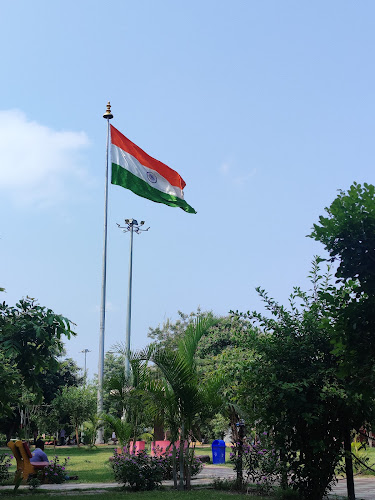
Muzaffarpur Park
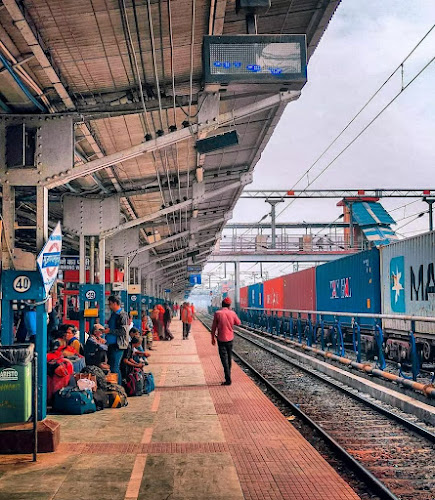
Muzaffarpur Jn.
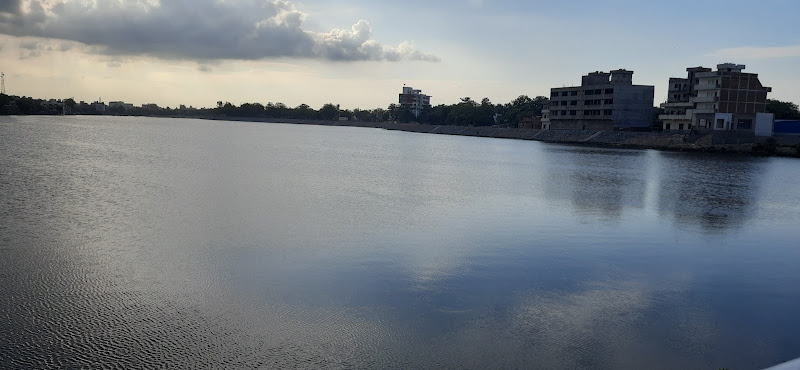
Sikandarpur Wetland
Find Accommodations Nearby
Recommended Tours & Activities
Visitor Reviews
There are no reviews yet. Be the first one to write one.
Share Your Experience
Have you visited Muzaffarpur? Help other travelers by leaving a review.