
Quzhou
About Quzhou
Description
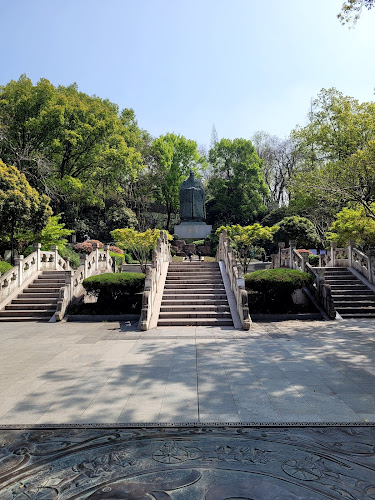
Quzhou, tucked away in the western part of Zhejiang province, is one of those places that quietly surprises you. It’s not as loud or flashy as Hangzhou or Shanghai, but that’s exactly what makes it so charming. The city sits along the upper reaches of the Qiantang River, surrounded by misty hills, bamboo groves, and centuries of stories carved into its ancient streets. You can feel the pulse of history here — the kind that doesn’t scream for attention but whispers through old temples, weathered bridges, and the gentle rhythm of daily life.
What I personally love about Quzhou is its balance between the old and the new. You can sip coffee in a sleek riverside café in the morning and then spend the afternoon wandering through the Confucian Family Mansion, one of the few remaining in China still inhabited by descendants of Confucius himself. It’s not just a museum — it’s living history. And if you slow down enough, you’ll notice how seamlessly the city’s modern skyline melts into its traditional courtyards and tea houses.
There’s a certain peacefulness to Quzhou that’s hard to describe. Maybe it’s the way locals greet you with quiet smiles, or how the air feels softer after a rain. It’s a city that rewards curiosity. Every alley seems to hide a story — from ancient stone carvings to small noodle shops where the owner insists you try his grandmother’s recipe. It’s not a place you rush through; it’s one you linger in, letting it unfold at its own pace.
Key Features
- Historic Heritage: Home to the Southern Confucian Ancestral Temple and the Confucius Family Mansion, Quzhou is steeped in Confucian culture and ancient Chinese philosophy.
- Natural Beauty: Surrounded by lush mountains, rivers, and forests, it offers peaceful hiking trails and scenic countryside drives.
- Local Cuisine: Famous for Quzhou beef noodles, bamboo shoots, and wild mountain vegetables — dishes that taste like comfort and tradition rolled into one.
- Modern Development: While maintaining its old-world charm, Quzhou has grown into a modern hub with clean, walkable streets and a well-connected transport system.
- Cultural Experiences: Traditional festivals, local markets, and ancient architecture blend seamlessly with contemporary art and design spaces.
- Friendly Locals: The people of Quzhou are known for their warmth and hospitality — they’ll happily share stories, tea, and travel tips if you take the time to chat.
Best Time to Visit
If you ask me, spring and autumn are the sweet spots for visiting Quzhou. Between March and May, the weather is mild, and the hills are alive with shades of green that look like they’ve been painted by hand. The air smells faintly of blooming osmanthus and damp earth — the kind of scent that makes you want to take long walks without any particular destination.
Autumn, from September to November, is equally beautiful. The heat has mellowed, the skies are crisp and blue, and the countryside glows with golden rice fields. It’s also the season when local festivals pop up — small community gatherings where you can taste seasonal dishes, watch traditional performances, and maybe even join in a dance or two. Summer can get pretty hot and humid, and winter, while calm and misty, tends to be chilly. But honestly, there’s no bad time to visit if you’re the kind of traveler who appreciates quiet beauty over tourist crowds.
How to Get There
Getting to Quzhou is easier than you might think. The city has its own airport — Quzhou Airport — which connects to several major Chinese cities like Beijing, Guangzhou, and Shenzhen. If you prefer trains (and I usually do, because there’s something meditative about watching the countryside roll by), Quzhou is a stop on the high-speed rail network. It’s about two hours from Hangzhou and roughly four from Shanghai, making it a great weekend escape if you’re based in eastern China.
Once you’re in the city, public transport is reliable and easy to navigate. Buses cover most of the main attractions, and taxis are affordable. But if you really want to experience Quzhou, rent a bike or join a local walking tour. You’ll see more — and feel more — when you move at the city’s unhurried pace. I once spent an entire afternoon just cycling along the river, stopping every few minutes to take photos or chat with fishermen. It was one of those days that remind you why traveling slowly is worth it.
Tips for Visiting
Here’s the thing about Quzhou — it’s not a place that tries to impress you right away. It grows on you. So go with an open mind and a flexible plan. Here are a few tips that might help make your visit smoother and more memorable:
- Take your time: Don’t rush through the attractions. Spend a morning at the Confucian Temple, then wander through the old town in the afternoon. Let the city’s rhythm guide you.
- Try the street food: You’ll find some of the best eats in small, family-run stalls. The beef noodles here are legendary, and the local tofu dishes are surprisingly addictive.
- Learn a few phrases: While younger locals often speak a bit of English, a few Mandarin greetings go a long way. People appreciate the effort, and you’ll get warmer smiles in return.
- Bring cash: Digital payments are common, but some smaller places still prefer cash — especially in rural areas or traditional markets.
- Stay overnight: Many travelers make the mistake of treating Quzhou as a day trip. But staying overnight lets you experience the city’s quiet evenings — the way the lanterns reflect off the river and the streets fall into a gentle hush.
- Visit nearby villages: If you’ve got extra time, explore the surrounding countryside. Places like Longyou Grottoes and Jiangshan’s scenic areas are close enough for a day trip and absolutely worth it.
One last thing — bring a camera, but don’t spend your whole trip behind it. Quzhou is the kind of place that’s best remembered through moments rather than photos: the sound of temple bells echoing at dusk, the taste of freshly brewed tea in a quiet courtyard, the laughter of kids chasing each other in the park. It’s those little details that stick with you long after you’ve left.
In a world where so many destinations feel overhyped, Quzhou stands out precisely because it doesn’t try too hard. It’s authentic, unpolished in the best way, and full of small discoveries that make travel feel personal again. Whether you’re a history buff, a foodie, or just someone who loves finding calm corners of the world, Quzhou has a way of making you feel like you’ve stumbled onto something special — something still a bit secret. And honestly, that’s a rare thing these days.
Key Features
- Key Features
- Best Time to Visit
- How to Get There
- Tips for Visiting
More Details
Updated November 9, 2025
Table of Contents
Description
Quzhou, tucked away in the western part of Zhejiang province, is one of those places that quietly surprises you. It’s not as loud or flashy as Hangzhou or Shanghai, but that’s exactly what makes it so charming. The city sits along the upper reaches of the Qiantang River, surrounded by misty hills, bamboo groves, and centuries of stories carved into its ancient streets. You can feel the pulse of history here — the kind that doesn’t scream for attention but whispers through old temples, weathered bridges, and the gentle rhythm of daily life.
What I personally love about Quzhou is its balance between the old and the new. You can sip coffee in a sleek riverside café in the morning and then spend the afternoon wandering through the Confucian Family Mansion, one of the few remaining in China still inhabited by descendants of Confucius himself. It’s not just a museum — it’s living history. And if you slow down enough, you’ll notice how seamlessly the city’s modern skyline melts into its traditional courtyards and tea houses.
There’s a certain peacefulness to Quzhou that’s hard to describe. Maybe it’s the way locals greet you with quiet smiles, or how the air feels softer after a rain. It’s a city that rewards curiosity. Every alley seems to hide a story — from ancient stone carvings to small noodle shops where the owner insists you try his grandmother’s recipe. It’s not a place you rush through; it’s one you linger in, letting it unfold at its own pace.
Key Features
- Historic Heritage: Home to the Southern Confucian Ancestral Temple and the Confucius Family Mansion, Quzhou is steeped in Confucian culture and ancient Chinese philosophy.
- Natural Beauty: Surrounded by lush mountains, rivers, and forests, it offers peaceful hiking trails and scenic countryside drives.
- Local Cuisine: Famous for Quzhou beef noodles, bamboo shoots, and wild mountain vegetables — dishes that taste like comfort and tradition rolled into one.
- Modern Development: While maintaining its old-world charm, Quzhou has grown into a modern hub with clean, walkable streets and a well-connected transport system.
- Cultural Experiences: Traditional festivals, local markets, and ancient architecture blend seamlessly with contemporary art and design spaces.
- Friendly Locals: The people of Quzhou are known for their warmth and hospitality — they’ll happily share stories, tea, and travel tips if you take the time to chat.
Best Time to Visit
If you ask me, spring and autumn are the sweet spots for visiting Quzhou. Between March and May, the weather is mild, and the hills are alive with shades of green that look like they’ve been painted by hand. The air smells faintly of blooming osmanthus and damp earth — the kind of scent that makes you want to take long walks without any particular destination.
Autumn, from September to November, is equally beautiful. The heat has mellowed, the skies are crisp and blue, and the countryside glows with golden rice fields. It’s also the season when local festivals pop up — small community gatherings where you can taste seasonal dishes, watch traditional performances, and maybe even join in a dance or two. Summer can get pretty hot and humid, and winter, while calm and misty, tends to be chilly. But honestly, there’s no bad time to visit if you’re the kind of traveler who appreciates quiet beauty over tourist crowds.
How to Get There
Getting to Quzhou is easier than you might think. The city has its own airport — Quzhou Airport — which connects to several major Chinese cities like Beijing, Guangzhou, and Shenzhen. If you prefer trains (and I usually do, because there’s something meditative about watching the countryside roll by), Quzhou is a stop on the high-speed rail network. It’s about two hours from Hangzhou and roughly four from Shanghai, making it a great weekend escape if you’re based in eastern China.
Once you’re in the city, public transport is reliable and easy to navigate. Buses cover most of the main attractions, and taxis are affordable. But if you really want to experience Quzhou, rent a bike or join a local walking tour. You’ll see more — and feel more — when you move at the city’s unhurried pace. I once spent an entire afternoon just cycling along the river, stopping every few minutes to take photos or chat with fishermen. It was one of those days that remind you why traveling slowly is worth it.
Tips for Visiting
Here’s the thing about Quzhou — it’s not a place that tries to impress you right away. It grows on you. So go with an open mind and a flexible plan. Here are a few tips that might help make your visit smoother and more memorable:
- Take your time: Don’t rush through the attractions. Spend a morning at the Confucian Temple, then wander through the old town in the afternoon. Let the city’s rhythm guide you.
- Try the street food: You’ll find some of the best eats in small, family-run stalls. The beef noodles here are legendary, and the local tofu dishes are surprisingly addictive.
- Learn a few phrases: While younger locals often speak a bit of English, a few Mandarin greetings go a long way. People appreciate the effort, and you’ll get warmer smiles in return.
- Bring cash: Digital payments are common, but some smaller places still prefer cash — especially in rural areas or traditional markets.
- Stay overnight: Many travelers make the mistake of treating Quzhou as a day trip. But staying overnight lets you experience the city’s quiet evenings — the way the lanterns reflect off the river and the streets fall into a gentle hush.
- Visit nearby villages: If you’ve got extra time, explore the surrounding countryside. Places like Longyou Grottoes and Jiangshan’s scenic areas are close enough for a day trip and absolutely worth it.
One last thing — bring a camera, but don’t spend your whole trip behind it. Quzhou is the kind of place that’s best remembered through moments rather than photos: the sound of temple bells echoing at dusk, the taste of freshly brewed tea in a quiet courtyard, the laughter of kids chasing each other in the park. It’s those little details that stick with you long after you’ve left.
In a world where so many destinations feel overhyped, Quzhou stands out precisely because it doesn’t try too hard. It’s authentic, unpolished in the best way, and full of small discoveries that make travel feel personal again. Whether you’re a history buff, a foodie, or just someone who loves finding calm corners of the world, Quzhou has a way of making you feel like you’ve stumbled onto something special — something still a bit secret. And honestly, that’s a rare thing these days.
Key Highlights
- Key Features
- Best Time to Visit
- How to Get There
- Tips for Visiting
Location
Places to Stay Near Quzhou
Find and Book a Tour
Explore More Travel Guides
No reviews found! Be the first to review!
Traveler Reviews for Quzhou
There are no reviews yet. Be the first one to write one.
Have you visited Quzhou? Help other travelers by sharing your review.
You Might Also Like
Quzhou Xiangrong Ecology Breeding Recreation Tourist Park
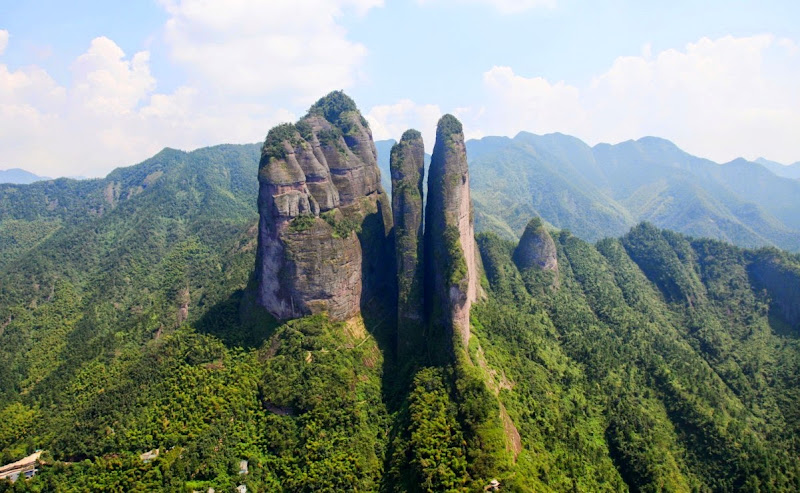
Jianglang Mountain Scenic Area

Quzhou Kongshi Nanzong Jiamiao Administration Committee
Find Accommodations Nearby
Recommended Tours & Activities
Visitor Reviews
There are no reviews yet. Be the first one to write one.
Share Your Experience
Have you visited Quzhou? Help other travelers by leaving a review.