

Quzhou Kongshi Nanzong Jiamiao Administration Committee
About Quzhou Kongshi Nanzong Jiamiao Administration Committee
Description
The Quzhou Kongshi Nanzong Jiamiao Administration Committee manages one of the most historically profound sites in Zhejiang Province — the Southern Branch of the Confucius Family Temple, also known as the Nanzong Confucius Temple. This place isn’t just a monument; it’s a living connection to the lineage and legacy of Confucius himself. The temple stands as a symbol of the southern branch of the Kong family, who migrated from Qufu in Shandong centuries ago. And honestly, stepping into this space feels like walking through time — the kind of place that makes you instinctively lower your voice out of respect.
It’s not overly polished or commercialized, which I personally appreciate. You can still feel the texture of history in its aged wooden beams and the faint scent of incense that lingers in the air. The temple complex is managed carefully by the committee, ensuring that its cultural and spiritual essence is preserved while still being accessible to travelers. Some visitors might find it a bit quiet compared to the grander Confucian temples in Qufu, but that’s part of its charm — it’s intimate, reflective, and deeply grounded in local heritage.
The committee’s work extends beyond maintenance; they organize cultural events, Confucian ceremonies, and educational programs that breathe life into the teachings of Confucius. I once attended a small ceremony here — nothing flashy, just locals and scholars paying homage — and it was moving in its simplicity. If you’re the kind of traveler who values authenticity over spectacle, this place will speak to you.
Key Features
- Historical Significance: One of only two surviving Confucius family temples in China, representing the southern branch of the Kong lineage.
- Architectural Beauty: Modeled after the Qufu Confucius Temple, with elegant courtyards, traditional eaves, and stone inscriptions that tell centuries of stories.
- Cultural Preservation: Managed by direct descendants of Confucius, currently under the leadership of the 76th-generation heir, ensuring authenticity in every ritual and restoration.
- Peaceful Atmosphere: Less crowded than other major heritage sites, offering a quiet space for reflection and learning.
- Family-Friendly: The grounds are well-kept, with amenities like restrooms and open areas suitable for families with children.
- Educational Events: Occasional cultural lectures, Confucian rites, and calligraphy workshops hosted by the committee.
What I love most about this place is that it doesn’t feel like a museum — it feels alive. You might catch a caretaker sweeping the courtyard or hear faint chanting during a private ceremony. It’s those small, human details that make the experience memorable.
Best Time to Visit
Spring and autumn are hands down the best seasons to visit. The weather is mild, and the temple gardens bloom with subtle beauty — not the showy kind, but the kind that sneaks up on you. The air carries a faint sweetness from nearby trees, and the sunlight filters through the temple gates in a way that feels almost cinematic. If you visit in early April, you might even catch the traditional Confucius Memorial Ceremony, which draws scholars and visitors from across China.
Summer can be quite humid, and while the shade from the ancient trees offers some relief, it’s best to go early in the morning. Winter, on the other hand, has its own quiet charm. The temple feels even more solemn under a soft mist, and you’ll likely have the place almost to yourself. I once visited on a drizzly winter afternoon, and the sound of rain tapping the tiled roof was oddly comforting — like the temple was breathing along with the weather.
How to Get There
Getting to the Quzhou Kongshi Nanzong Jiamiao is pretty straightforward, especially if you’re already in Zhejiang Province. Quzhou is well-connected by high-speed rail, with trains from Hangzhou, Shanghai, and even further cities like Nanjing. From Quzhou Railway Station, it’s just a short taxi ride to the temple area — about 15 minutes on a good day. If you prefer public transport, several local bus routes stop near the site, and signage in English is improving each year.
For those who enjoy walking, the temple sits within a pleasant part of the city where traditional architecture mingles with modern life. I’ve strolled there from the old town area before — it takes around 30 minutes, but it’s worth it if you like seeing how daily life unfolds in Quzhou. You’ll pass little tea shops, fruit vendors, and the occasional game of Chinese chess being played on the sidewalk. It’s these small slices of life that make the journey part of the experience.
Tips for Visiting
Visiting the Quzhou Kongshi Nanzong Jiamiao isn’t just about sightseeing; it’s about slowing down and soaking in the atmosphere. Here are a few tips I’ve picked up from my own visits and from chatting with locals:
- Respect the rituals: This is an active cultural and spiritual site. If you see a ceremony taking place, observe quietly from a respectful distance.
- Dress modestly: While there’s no strict dress code, wearing conservative clothing shows respect for the site’s heritage.
- Bring cash: Small donations for incense or cultural activities are appreciated, and not every kiosk accepts digital payment.
- Visit early: Mornings are peaceful, and the light is perfect for photography. Plus, you’ll avoid the small afternoon crowds that tend to gather on weekends.
- Talk to the caretakers: Many of them are knowledgeable about the temple’s history and love to share stories — even if it’s just through gestures and a few shared words.
- Take your time: Don’t rush through. Sit for a while in the courtyard, listen to the wind, and let the place speak to you. It’s not a site you “check off” — it’s one you experience.
One last thing — if you’re traveling with kids, this is actually a surprisingly good spot. The open courtyards give them space to move around, and it’s a gentle way to introduce them to Chinese culture and history. Just remind them to keep their voices down inside the halls. And if you’re like me, you’ll probably end up lingering longer than planned, drawn in by the quiet dignity of the place.
In a world where so many historic sites have become overly commercialized, the Quzhou Kongshi Nanzong Jiamiao feels refreshingly genuine. The Administration Committee deserves credit for that — their careful stewardship ensures that the temple remains both a local treasure and a meaningful stop for travelers seeking depth, not just photo ops. If you’re exploring Zhejiang and want a glimpse into the living heart of Confucian culture, this is a place that will stay with you long after you leave.
Key Features
- Key Features
- Best Time to Visit
- How to Get There
- Tips for Visiting
More Details
Updated November 9, 2025
Table of Contents
- Description
- Key Features
- Best Time to Visit
- How to Get There
- Tips for Visiting
- Key Highlights
- Location
- Places to Stay Near Quzhou Kongshi Nanzong Jiamiao Administration Committee
- Find and Book a Tour
- Explore More Travel Guides
- Nearby Places You Might Like
- Traveler Reviews for Quzhou Kongshi Nanzong Jiamiao Administration Committee
- Share Your Experience
Description
The Quzhou Kongshi Nanzong Jiamiao Administration Committee manages one of the most historically profound sites in Zhejiang Province — the Southern Branch of the Confucius Family Temple, also known as the Nanzong Confucius Temple. This place isn’t just a monument; it’s a living connection to the lineage and legacy of Confucius himself. The temple stands as a symbol of the southern branch of the Kong family, who migrated from Qufu in Shandong centuries ago. And honestly, stepping into this space feels like walking through time — the kind of place that makes you instinctively lower your voice out of respect.
It’s not overly polished or commercialized, which I personally appreciate. You can still feel the texture of history in its aged wooden beams and the faint scent of incense that lingers in the air. The temple complex is managed carefully by the committee, ensuring that its cultural and spiritual essence is preserved while still being accessible to travelers. Some visitors might find it a bit quiet compared to the grander Confucian temples in Qufu, but that’s part of its charm — it’s intimate, reflective, and deeply grounded in local heritage.
The committee’s work extends beyond maintenance; they organize cultural events, Confucian ceremonies, and educational programs that breathe life into the teachings of Confucius. I once attended a small ceremony here — nothing flashy, just locals and scholars paying homage — and it was moving in its simplicity. If you’re the kind of traveler who values authenticity over spectacle, this place will speak to you.
Key Features
- Historical Significance: One of only two surviving Confucius family temples in China, representing the southern branch of the Kong lineage.
- Architectural Beauty: Modeled after the Qufu Confucius Temple, with elegant courtyards, traditional eaves, and stone inscriptions that tell centuries of stories.
- Cultural Preservation: Managed by direct descendants of Confucius, currently under the leadership of the 76th-generation heir, ensuring authenticity in every ritual and restoration.
- Peaceful Atmosphere: Less crowded than other major heritage sites, offering a quiet space for reflection and learning.
- Family-Friendly: The grounds are well-kept, with amenities like restrooms and open areas suitable for families with children.
- Educational Events: Occasional cultural lectures, Confucian rites, and calligraphy workshops hosted by the committee.
What I love most about this place is that it doesn’t feel like a museum — it feels alive. You might catch a caretaker sweeping the courtyard or hear faint chanting during a private ceremony. It’s those small, human details that make the experience memorable.
Best Time to Visit
Spring and autumn are hands down the best seasons to visit. The weather is mild, and the temple gardens bloom with subtle beauty — not the showy kind, but the kind that sneaks up on you. The air carries a faint sweetness from nearby trees, and the sunlight filters through the temple gates in a way that feels almost cinematic. If you visit in early April, you might even catch the traditional Confucius Memorial Ceremony, which draws scholars and visitors from across China.
Summer can be quite humid, and while the shade from the ancient trees offers some relief, it’s best to go early in the morning. Winter, on the other hand, has its own quiet charm. The temple feels even more solemn under a soft mist, and you’ll likely have the place almost to yourself. I once visited on a drizzly winter afternoon, and the sound of rain tapping the tiled roof was oddly comforting — like the temple was breathing along with the weather.
How to Get There
Getting to the Quzhou Kongshi Nanzong Jiamiao is pretty straightforward, especially if you’re already in Zhejiang Province. Quzhou is well-connected by high-speed rail, with trains from Hangzhou, Shanghai, and even further cities like Nanjing. From Quzhou Railway Station, it’s just a short taxi ride to the temple area — about 15 minutes on a good day. If you prefer public transport, several local bus routes stop near the site, and signage in English is improving each year.
For those who enjoy walking, the temple sits within a pleasant part of the city where traditional architecture mingles with modern life. I’ve strolled there from the old town area before — it takes around 30 minutes, but it’s worth it if you like seeing how daily life unfolds in Quzhou. You’ll pass little tea shops, fruit vendors, and the occasional game of Chinese chess being played on the sidewalk. It’s these small slices of life that make the journey part of the experience.
Tips for Visiting
Visiting the Quzhou Kongshi Nanzong Jiamiao isn’t just about sightseeing; it’s about slowing down and soaking in the atmosphere. Here are a few tips I’ve picked up from my own visits and from chatting with locals:
- Respect the rituals: This is an active cultural and spiritual site. If you see a ceremony taking place, observe quietly from a respectful distance.
- Dress modestly: While there’s no strict dress code, wearing conservative clothing shows respect for the site’s heritage.
- Bring cash: Small donations for incense or cultural activities are appreciated, and not every kiosk accepts digital payment.
- Visit early: Mornings are peaceful, and the light is perfect for photography. Plus, you’ll avoid the small afternoon crowds that tend to gather on weekends.
- Talk to the caretakers: Many of them are knowledgeable about the temple’s history and love to share stories — even if it’s just through gestures and a few shared words.
- Take your time: Don’t rush through. Sit for a while in the courtyard, listen to the wind, and let the place speak to you. It’s not a site you “check off” — it’s one you experience.
One last thing — if you’re traveling with kids, this is actually a surprisingly good spot. The open courtyards give them space to move around, and it’s a gentle way to introduce them to Chinese culture and history. Just remind them to keep their voices down inside the halls. And if you’re like me, you’ll probably end up lingering longer than planned, drawn in by the quiet dignity of the place.
In a world where so many historic sites have become overly commercialized, the Quzhou Kongshi Nanzong Jiamiao feels refreshingly genuine. The Administration Committee deserves credit for that — their careful stewardship ensures that the temple remains both a local treasure and a meaningful stop for travelers seeking depth, not just photo ops. If you’re exploring Zhejiang and want a glimpse into the living heart of Confucian culture, this is a place that will stay with you long after you leave.
Key Highlights
- Key Features
- Best Time to Visit
- How to Get There
- Tips for Visiting
Location
Places to Stay Near Quzhou Kongshi Nanzong Jiamiao Administration Committee
Find and Book a Tour
Explore More Travel Guides
No reviews found! Be the first to review!
Traveler Reviews for Quzhou Kongshi Nanzong Jiamiao Administration Committee
There are no reviews yet. Be the first one to write one.
Have you visited Quzhou Kongshi Nanzong Jiamiao Administration Committee? Help other travelers by sharing your review.
You Might Also Like
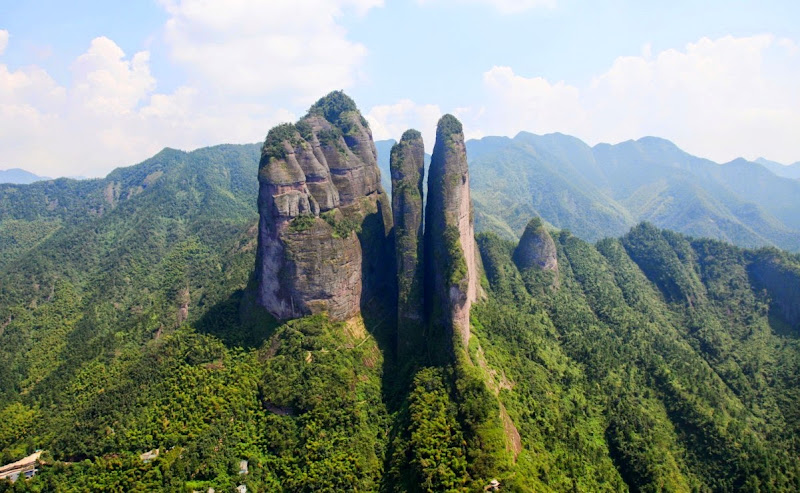
Jianglang Mountain Scenic Area
Quzhou Xiangrong Ecology Breeding Recreation Tourist Park

Quzhou Lankeshan Scenic Area
Find Accommodations Nearby
Recommended Tours & Activities
Visitor Reviews
There are no reviews yet. Be the first one to write one.
Share Your Experience
Have you visited Quzhou Kongshi Nanzong Jiamiao Administration Committee? Help other travelers by leaving a review.