Qingdao Laoshan Mountain Scenic Resort
About Qingdao Laoshan Mountain Scenic Resort
Description
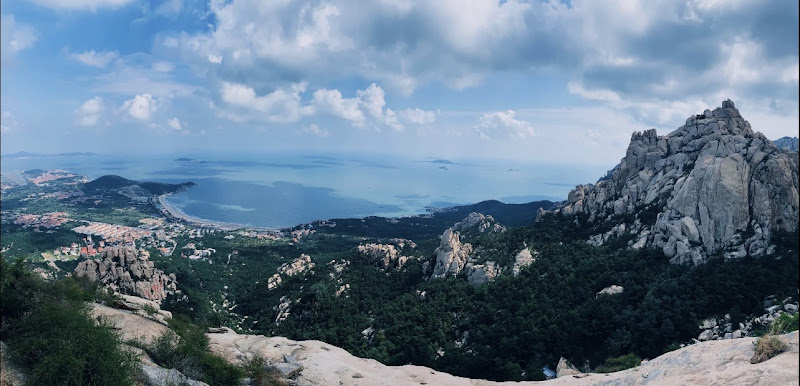
Qingdao Laoshan Mountain Scenic Resort is one of those places that feels bigger than life the moment you set foot on its trails. Rising dramatically from the coastline of the Yellow Sea, Mount Lao—often called the highest coastal mountain in China—reaches a peak of 1,132.7 meters. It’s not just about the height though. The mountain carries centuries of Taoist history, myths, and legends that give the whole area an almost otherworldly atmosphere. Walking here, you’re not just hiking a mountain—you’re stepping into a living story that’s been unfolding for thousands of years.
What makes it stand out, in my opinion, is the way the mountain fuses natural beauty with cultural depth. You’ve got waterfalls tumbling down granite cliffs, ancient Taoist temples tucked into the hillsides, and sudden views of the sea that stop you in your tracks. And honestly, there’s a certain calmness in the air that’s hard to put into words. I remember pausing at one temple courtyard, sipping tea, and just listening to the sound of wind through the pines—it felt like time slowed down.
The resort is well-maintained but doesn’t feel overbuilt. Trails are clearly marked, public restrooms are available, and it’s surprisingly family-friendly. Even kids can enjoy some of the shorter hikes without too much fuss. Sure, some paths can be steep, but you’ll meet plenty of fellow travelers catching their breath with a smile. That’s part of the charm: the shared adventure.
Key Features
- The highest coastal mountain in China with its peak Jufeng at 1,132.7 meters
- Rich Taoist heritage with ancient temples and shrines scattered across the slopes
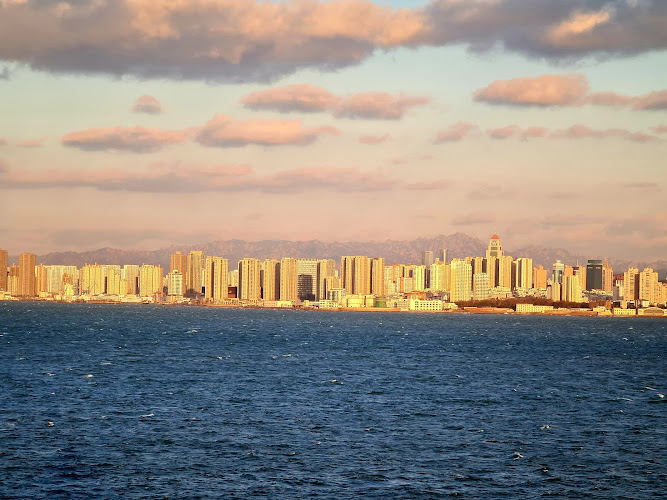
- Panoramic views of the Yellow Sea and Qingdao’s coastline
- Waterfalls, streams, and granite cliffs that make for stunning photo stops
- Kid-friendly hiking routes alongside more challenging trails for seasoned trekkers
- Convenient amenities like public restrooms and resting areas along the way
- Opportunities to experience local tea culture and Taoist practices
Best Time to Visit
Timing matters when it comes to Laoshan. Spring (April to June) is gorgeous, with wildflowers blooming and waterfalls running full after the rains. Summer brings lush greenery, though it can get humid—pack extra water and maybe a towel if you’re like me and sweat just looking at a hill. Autumn (September to November) is the sweet spot: crisp air, golden leaves, and clear skies that make the sea views unforgettable. Winter has its own quiet charm, with fewer crowds and the occasional dusting of snow, but the trails can be slippery, so tread carefully.
If I had to pick one season, I’d say autumn wins hands down. The trails aren’t too crowded, and the colors are just magical. Plus, the weather is cool enough to hike without feeling like you’re melting.
How to Get There
Getting to the scenic resort is pretty straightforward. From central Qingdao, you can hop on a bus or grab a taxi—it’s about an hour’s drive depending on traffic. Public buses run fairly regularly, and they’re budget-friendly, though a bit slower. If you’re the type who values convenience (or if you’re traveling with kids), a taxi or ride-hailing app will save you some hassle.
Once you arrive at the main entrance, you’ll find ticket counters and clear maps of the different routes. Shuttle buses run inside the resort to help visitors reach various trailheads, which is a lifesaver if you’re short on time or energy.
Tips for Visiting
Here’s the thing about Laoshan: it’s not a place you just breeze through. To really enjoy it, you’ve got to plan a little. Here are some tips that might make your visit smoother:
- Wear proper shoes: Some trails are steep and rocky. Sneakers might cut it, but hiking shoes are better if you’ve got them.
- Bring cash: While mobile payments are common in China, small food stalls or temple donation boxes often prefer cash.
- Start early: Morning light is beautiful, and you’ll avoid the bulk of the crowds. Plus, it’s cooler.
- Stay hydrated: There are vendors selling drinks, but carrying your own bottle is smarter (and cheaper).
- Take your time: Don’t rush. Some of the best moments are when you stop to soak in the view or chat with a local monk.
- Kid-friendly options: If you’re traveling with children, stick to the shorter routes near the lower temples—they’re scenic without being too demanding.
And one more thing—don’t just focus on reaching the peak. Sure, the summit is impressive, but some of the smaller side trails and hidden temples are where the real magic happens. I once wandered off onto a less-traveled path and ended up at a tiny shrine where a local family was burning incense. It wasn’t on any map, but it was the highlight of my day.
Qingdao Laoshan Mountain Scenic Resort isn’t just a mountain—it’s an experience that blends nature, history, and a sense of peace you don’t often find in busy tourist spots. Whether you’re here for the hike, the culture, or just the views, it’s the kind of place that stays with you long after you’ve left.
Key Features
- The highest coastal mountain in China with its peak Jufeng at 1,132.7 meters
- Rich Taoist heritage with ancient temples and shrines scattered across the slopes
- Panoramic views of the Yellow Sea and Qingdao’s coastline
- Waterfalls, streams, and granite cliffs that make for stunning photo stops
- Kid-friendly hiking routes alongside more challenging trails for seasoned trekkers
- Convenient amenities like public restrooms and resting areas along the way
- Opportunities to experience local tea culture and Taoist practices
More Details
Updated September 23, 2025
Table of Contents
- Description
- Key Features
- Best Time to Visit
- How to Get There
- Tips for Visiting
- Key Highlights
- Location
- Places to Stay Near Qingdao Laoshan Mountain Scenic Resort
- Find and Book a Tour
- Explore More Travel Guides
- Nearby Places You Might Like
- Traveler Reviews for Qingdao Laoshan Mountain Scenic Resort
- Share Your Experience
Description
Qingdao Laoshan Mountain Scenic Resort is one of those places that feels bigger than life the moment you set foot on its trails. Rising dramatically from the coastline of the Yellow Sea, Mount Lao—often called the highest coastal mountain in China—reaches a peak of 1,132.7 meters. It’s not just about the height though. The mountain carries centuries of Taoist history, myths, and legends that give the whole area an almost otherworldly atmosphere. Walking here, you’re not just hiking a mountain—you’re stepping into a living story that’s been unfolding for thousands of years.
What makes it stand out, in my opinion, is the way the mountain fuses natural beauty with cultural depth. You’ve got waterfalls tumbling down granite cliffs, ancient Taoist temples tucked into the hillsides, and sudden views of the sea that stop you in your tracks. And honestly, there’s a certain calmness in the air that’s hard to put into words. I remember pausing at one temple courtyard, sipping tea, and just listening to the sound of wind through the pines—it felt like time slowed down.
The resort is well-maintained but doesn’t feel overbuilt. Trails are clearly marked, public restrooms are available, and it’s surprisingly family-friendly. Even kids can enjoy some of the shorter hikes without too much fuss. Sure, some paths can be steep, but you’ll meet plenty of fellow travelers catching their breath with a smile. That’s part of the charm: the shared adventure.
Key Features
- The highest coastal mountain in China with its peak Jufeng at 1,132.7 meters
- Rich Taoist heritage with ancient temples and shrines scattered across the slopes
- Panoramic views of the Yellow Sea and Qingdao’s coastline
- Waterfalls, streams, and granite cliffs that make for stunning photo stops
- Kid-friendly hiking routes alongside more challenging trails for seasoned trekkers
- Convenient amenities like public restrooms and resting areas along the way
- Opportunities to experience local tea culture and Taoist practices
Best Time to Visit
Timing matters when it comes to Laoshan. Spring (April to June) is gorgeous, with wildflowers blooming and waterfalls running full after the rains. Summer brings lush greenery, though it can get humid—pack extra water and maybe a towel if you’re like me and sweat just looking at a hill. Autumn (September to November) is the sweet spot: crisp air, golden leaves, and clear skies that make the sea views unforgettable. Winter has its own quiet charm, with fewer crowds and the occasional dusting of snow, but the trails can be slippery, so tread carefully.
If I had to pick one season, I’d say autumn wins hands down. The trails aren’t too crowded, and the colors are just magical. Plus, the weather is cool enough to hike without feeling like you’re melting.
How to Get There
Getting to the scenic resort is pretty straightforward. From central Qingdao, you can hop on a bus or grab a taxi—it’s about an hour’s drive depending on traffic. Public buses run fairly regularly, and they’re budget-friendly, though a bit slower. If you’re the type who values convenience (or if you’re traveling with kids), a taxi or ride-hailing app will save you some hassle.
Once you arrive at the main entrance, you’ll find ticket counters and clear maps of the different routes. Shuttle buses run inside the resort to help visitors reach various trailheads, which is a lifesaver if you’re short on time or energy.
Tips for Visiting
Here’s the thing about Laoshan: it’s not a place you just breeze through. To really enjoy it, you’ve got to plan a little. Here are some tips that might make your visit smoother:
- Wear proper shoes: Some trails are steep and rocky. Sneakers might cut it, but hiking shoes are better if you’ve got them.
- Bring cash: While mobile payments are common in China, small food stalls or temple donation boxes often prefer cash.
- Start early: Morning light is beautiful, and you’ll avoid the bulk of the crowds. Plus, it’s cooler.
- Stay hydrated: There are vendors selling drinks, but carrying your own bottle is smarter (and cheaper).
- Take your time: Don’t rush. Some of the best moments are when you stop to soak in the view or chat with a local monk.
- Kid-friendly options: If you’re traveling with children, stick to the shorter routes near the lower temples—they’re scenic without being too demanding.
And one more thing—don’t just focus on reaching the peak. Sure, the summit is impressive, but some of the smaller side trails and hidden temples are where the real magic happens. I once wandered off onto a less-traveled path and ended up at a tiny shrine where a local family was burning incense. It wasn’t on any map, but it was the highlight of my day.
Qingdao Laoshan Mountain Scenic Resort isn’t just a mountain—it’s an experience that blends nature, history, and a sense of peace you don’t often find in busy tourist spots. Whether you’re here for the hike, the culture, or just the views, it’s the kind of place that stays with you long after you’ve left.
Key Highlights
- The highest coastal mountain in China with its peak Jufeng at 1,132.7 meters
- Rich Taoist heritage with ancient temples and shrines scattered across the slopes
- Panoramic views of the Yellow Sea and Qingdao’s coastline
- Waterfalls, streams, and granite cliffs that make for stunning photo stops
- Kid-friendly hiking routes alongside more challenging trails for seasoned trekkers
- Convenient amenities like public restrooms and resting areas along the way
- Opportunities to experience local tea culture and Taoist practices
Location
Places to Stay Near Qingdao Laoshan Mountain Scenic Resort
Find and Book a Tour
Explore More Travel Guides
No reviews found! Be the first to review!
Traveler Reviews for Qingdao Laoshan Mountain Scenic Resort
There are no reviews yet. Be the first one to write one.
Have you visited Qingdao Laoshan Mountain Scenic Resort? Help other travelers by sharing your review.
Find Accommodations Nearby
Recommended Tours & Activities
Visitor Reviews
There are no reviews yet. Be the first one to write one.
Share Your Experience
Have you visited Qingdao Laoshan Mountain Scenic Resort? Help other travelers by leaving a review.