
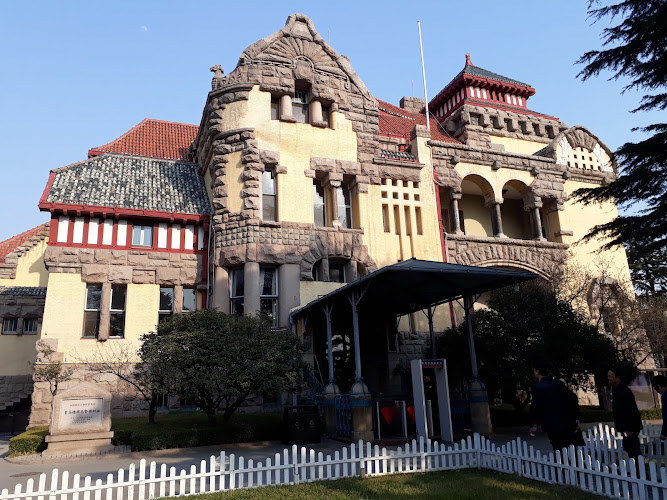
Former Residence the Pastor to German Governor
About Former Residence the Pastor to German Governor
Description
The Former Residence of the Pastor to the German Governor is one of those places that doesn’t scream for attention but quietly pulls you in with its layered history and old-world charm. Built during the German colonial period in Qingdao, this residence was once home to the pastor who served the governor—a role that carried both spiritual and political weight in its time. You can almost feel the echoes of sermons, conversations, and daily routines that once filled its walls. The building itself is a blend of European architectural style and local craftsmanship, which makes it stand out in a city already known for its German-influenced heritage.
Walking inside, you’ll notice that it isn’t overly polished or commercialized. And honestly, that’s part of its appeal. Some folks might find it modest compared to grander landmarks, but to me, that’s what makes it so authentic. It’s not trying to impress—it’s just quietly telling its story. Families often find it a comfortable spot to explore since it’s not overwhelming, and kids can wander without the constant pressure of crowds. Still, it’s not without its quirks. A few corners feel a little worn, and some displays could be better explained, but that rawness gives you room to imagine and interpret the past yourself.
If you’re the type who enjoys piecing together history from subtle details rather than flashy exhibits, this residence will likely strike a chord. It’s the kind of place where you slow down, notice the creak of the stairs, or the way sunlight filters through old glass windows, and suddenly you’re connected to a very different time.
Key Features
- Authentic German colonial architecture with preserved details
- Historical significance tied to the German governor’s pastor
- Quiet, less-crowded atmosphere suitable for families
- Unique mix of European design and Chinese setting
- Subtle exhibits that encourage imagination rather than overwhelm
Best Time to Visit
In my experience, spring and autumn are the sweet spots for visiting. The weather in Qingdao during these seasons feels just right—not too sticky, not too chilly. Summer can get a little hot and busy with tourists, while winter sometimes makes the residence feel a bit too drafty. If you’re into photography, the late afternoon light casts beautiful shadows across the building’s façade, giving you those moody shots that feel straight out of an old history book. And if you prefer quieter moments, weekday mornings are ideal—you might even feel like you’ve got the whole place to yourself.
How to Get There
Getting here is pretty straightforward if you’re already exploring central Qingdao. Public buses and taxis can drop you within a short walk of the site, and if you’re into walking tours, it’s easy to fold this stop into a day of exploring other German-era landmarks nearby. Personally, I’d recommend walking if you can—it gives you time to notice the surrounding streets, which are lined with other colonial-era buildings that tell their own stories. If you’re coming from further out, the metro is also a reliable option, and from there a quick taxi ride will get you close enough.
Tips for Visiting
Here’s where a little planning can make your visit smoother. First, don’t expect flashy signage in English everywhere—bring a translation app if you want to dig deeper into the details. Second, wear comfortable shoes. The floors and stairs are authentic, which means they’re not always the most forgiving on your feet. If you’re traveling with kids, they’ll find enough space to roam, but keep an eye on them since some areas aren’t heavily guarded.
I’d also suggest pairing your visit with a stop at one of the nearby cafés or bakeries. After soaking in the history, sitting down with a cup of coffee gives you time to reflect and chat about what you’ve just seen. And here’s a small but important note: since it’s not a huge attraction, don’t rush. Take your time to notice the little things—the woodwork, the way the rooms are laid out, even the wear on the stone steps. Those details are where the story really lives.
If you’re like me and enjoy connecting with a place on a personal level, you’ll find that this residence rewards curiosity. It’s not about ticking a box on your travel list—it’s about letting history breathe around you. And that, honestly, is worth the visit.
Key Features
- Authentic German colonial architecture with preserved details
- Historical significance tied to the German governor’s pastor
- Quiet, less-crowded atmosphere suitable for families
- Unique mix of European design and Chinese setting
- Subtle exhibits that encourage imagination rather than overwhelm
You Might Also Like
266308

Huangdao

Jiaozhou Bay Bridge
Tours & Activities
GetYourGuide provides this tour inventory. We may earn a commission if you book through it; verify current availability, prices, and terms with the provider.
Visitor Reviews
There are no reviews yet. Be the first one to write one.
Share Your Experience
Have you visited Former Residence the Pastor to German Governor? Help other travelers by leaving a review.