

Qazvin Province
About Qazvin Province
Description
Qazvin Province sits quietly in northwestern Iran, and honestly, that quiet is part of its charm. It’s not the place that screams for attention on travel posters, and maybe that’s why it sticks with people who go. The province was officially carved out of Tehran and Zanjan in 1997, which feels recent in a country where history is measured in millennia. And yet, Qazvin itself once served as the capital of Persia during the Safavid era, so yeah, it’s got layers. Lots of them. From a traveler’s point of view, Qazvin Province is a bit like opening a book you didn’t expect to enjoy, then realizing you’ve read fifty pages without checking your phone. The capital city, Qazvin, carries an old soul: caravanserais tucked into modern streets, mosques with tilework that rewards patience, and neighborhoods where daily life unfolds slowly. Outside the city, the province stretches into mountain valleys, agricultural plains, and remote villages that still operate on rhythms older than asphalt. What stands out is how manageable the place feels. It’s close enough to Tehran to be practical but far enough to feel like a break. Locals often say people come for a day and stay longer than planned. That tracks. There’s a grounded, lived-in quality here. Not glossy, not curated for tourists, and sometimes a bit rough around the edges. But that’s part of the appeal. Qazvin Province doesn’t perform; it just exists, and invites you to do the same for a while.Key Features
- Historic Qazvin city with Safavid-era landmarks, including old palaces, mosques, and bathhouses that still feel connected to daily life.
- The Alamut region, home to dramatic mountain scenery and the ruins linked to the legends of the Assassins. It’s as cinematic as it sounds.
- Traditional bazaars where locals shop for spices, sweets, and household goods, not souvenirs made for outsiders.
- Cold winters and mild summers in the highlands, offering a totally different climate from central Iran.
- Rich agricultural zones producing grapes, pistachios, olives, and herbs that define local cuisine.
- Village life that’s still very much alive, especially in the northern parts of the province.
- Architectural contrasts, from centuries-old brickwork to Soviet-looking apartment blocks, sometimes on the same street.
Best Time to Visit
Timing matters in Qazvin Province, maybe more than people expect. Spring, especially April and May, is when the province feels most generous. The plains turn green, mountain roads reopen, and the air carries that clean, almost sweet smell you only get after winter has properly let go. If someone asked for one window, that’d be it. Summer can be tricky, but not impossible. The city of Qazvin gets warm, sometimes uncomfortably so, but head north toward the Alamut mountains and things cool down fast. Locals escape there too, which is always a good sign. Autumn is another favorite, particularly September and October. Harvest season brings color and activity, and the light… well, photographers get weirdly emotional about it. There’s a softness that makes even simple scenes look intentional. Winter is for the committed. Snow closes some routes, especially in the mountains, and sightseeing slows down. But if you like quiet streets, steaming bowls of soup, and that feeling of being somewhere slightly forgotten by time, winter has its own rewards. Just pack properly. Seriously.How to Get There
Getting to Qazvin Province is refreshingly straightforward. Most travelers come via Tehran, which is about a couple of hours away by road. Buses run frequently, and they’re reliable in that no-nonsense Iranian way. Trains also connect Tehran to Qazvin city, and the ride is smooth enough to read, nap, or just stare out the window wondering why more people don’t do this. Once in Qazvin city, getting around is mostly by taxi or on foot. The city center is walkable, and honestly, walking is how you notice things: a bakery pulling flatbread from the oven, kids playing football in alleys, an old man selling herbs you can’t identify. For exploring the wider province, especially places like Alamut, hiring a car or driver makes life easier. Public transport exists, but it requires patience and a flexible schedule. That’s not a flaw, just part of the deal.Tips for Visiting
First tip: slow down. Qazvin Province rewards unhurried travelers. Rushing through landmarks misses the point. Sit in a teahouse. Watch how people interact. Ask questions, even if your Persian is clumsy. People appreciate the effort. Second, eat local. Qazvin has its own culinary identity, and it’s proud of it. Dishes featuring herbs, nuts, and pomegranate show up often. And the sweets. There’s a traditional Qazvini pastry culture that doesn’t get enough attention, probably because most of it gets eaten before tourists find it. Ask around. Someone will point you to a place that looks unimpressive but changes your standards forever. Dress modestly, but comfortably. This is Iran, yes, but Qazvin is relatively relaxed. Still, blending in helps. It’s less about rules and more about respect. Also, good walking shoes are non-negotiable. Streets can be uneven, and historic sites were not designed with modern ergonomics in mind. If you’re heading to the Alamut area, check road conditions ahead of time. Weather can change plans fast. And bring cash. Small towns don’t always play nice with cards, even local ones. One more thing, and this is personal: talk to people. On my first visit, I got mildly lost near an old caravanserai. Instead of directions, I got invited for tea. It turned into a two-hour conversation about history, farming, and why Qazvinis think their city is endlessly underrated. They might be right.Key Features
- Historic Qazvin city with Safavid-era landmarks, including old palaces, mosques, and bathhouses that still feel connected to daily life.
- The Alamut region, home to dramatic mountain scenery and the ruins linked to the legends of the Assassins. It’s as cinematic as it sounds.
- Traditional bazaars where locals shop for spices, sweets, and household goods, not souvenirs made for outsiders.
- Cold winters and mild summers in the highlands, offering a totally different climate from central Iran.
- Rich agricultural zones producing grapes, pistachios, olives, and herbs that define local cuisine.
- Village life that’s still very much alive, especially in the northern parts of the province.
- Architectural contrasts, from centuries-old brickwork to Soviet-looking apartment blocks, sometimes on the same street.
More Details
Updated December 31, 2025
Table of Contents
Description
Qazvin Province sits quietly in northwestern Iran, and honestly, that quiet is part of its charm. It’s not the place that screams for attention on travel posters, and maybe that’s why it sticks with people who go. The province was officially carved out of Tehran and Zanjan in 1997, which feels recent in a country where history is measured in millennia. And yet, Qazvin itself once served as the capital of Persia during the Safavid era, so yeah, it’s got layers. Lots of them.
From a traveler’s point of view, Qazvin Province is a bit like opening a book you didn’t expect to enjoy, then realizing you’ve read fifty pages without checking your phone. The capital city, Qazvin, carries an old soul: caravanserais tucked into modern streets, mosques with tilework that rewards patience, and neighborhoods where daily life unfolds slowly. Outside the city, the province stretches into mountain valleys, agricultural plains, and remote villages that still operate on rhythms older than asphalt.
What stands out is how manageable the place feels. It’s close enough to Tehran to be practical but far enough to feel like a break. Locals often say people come for a day and stay longer than planned. That tracks. There’s a grounded, lived-in quality here. Not glossy, not curated for tourists, and sometimes a bit rough around the edges. But that’s part of the appeal. Qazvin Province doesn’t perform; it just exists, and invites you to do the same for a while.
Key Features
- Historic Qazvin city with Safavid-era landmarks, including old palaces, mosques, and bathhouses that still feel connected to daily life.
- The Alamut region, home to dramatic mountain scenery and the ruins linked to the legends of the Assassins. It’s as cinematic as it sounds.
- Traditional bazaars where locals shop for spices, sweets, and household goods, not souvenirs made for outsiders.
- Cold winters and mild summers in the highlands, offering a totally different climate from central Iran.
- Rich agricultural zones producing grapes, pistachios, olives, and herbs that define local cuisine.
- Village life that’s still very much alive, especially in the northern parts of the province.
- Architectural contrasts, from centuries-old brickwork to Soviet-looking apartment blocks, sometimes on the same street.
Best Time to Visit
Timing matters in Qazvin Province, maybe more than people expect. Spring, especially April and May, is when the province feels most generous. The plains turn green, mountain roads reopen, and the air carries that clean, almost sweet smell you only get after winter has properly let go. If someone asked for one window, that’d be it.
Summer can be tricky, but not impossible. The city of Qazvin gets warm, sometimes uncomfortably so, but head north toward the Alamut mountains and things cool down fast. Locals escape there too, which is always a good sign. Autumn is another favorite, particularly September and October. Harvest season brings color and activity, and the light… well, photographers get weirdly emotional about it. There’s a softness that makes even simple scenes look intentional.
Winter is for the committed. Snow closes some routes, especially in the mountains, and sightseeing slows down. But if you like quiet streets, steaming bowls of soup, and that feeling of being somewhere slightly forgotten by time, winter has its own rewards. Just pack properly. Seriously.
How to Get There
Getting to Qazvin Province is refreshingly straightforward. Most travelers come via Tehran, which is about a couple of hours away by road. Buses run frequently, and they’re reliable in that no-nonsense Iranian way. Trains also connect Tehran to Qazvin city, and the ride is smooth enough to read, nap, or just stare out the window wondering why more people don’t do this.
Once in Qazvin city, getting around is mostly by taxi or on foot. The city center is walkable, and honestly, walking is how you notice things: a bakery pulling flatbread from the oven, kids playing football in alleys, an old man selling herbs you can’t identify. For exploring the wider province, especially places like Alamut, hiring a car or driver makes life easier. Public transport exists, but it requires patience and a flexible schedule. That’s not a flaw, just part of the deal.
Tips for Visiting
First tip: slow down. Qazvin Province rewards unhurried travelers. Rushing through landmarks misses the point. Sit in a teahouse. Watch how people interact. Ask questions, even if your Persian is clumsy. People appreciate the effort.
Second, eat local. Qazvin has its own culinary identity, and it’s proud of it. Dishes featuring herbs, nuts, and pomegranate show up often. And the sweets. There’s a traditional Qazvini pastry culture that doesn’t get enough attention, probably because most of it gets eaten before tourists find it. Ask around. Someone will point you to a place that looks unimpressive but changes your standards forever.
Dress modestly, but comfortably. This is Iran, yes, but Qazvin is relatively relaxed. Still, blending in helps. It’s less about rules and more about respect. Also, good walking shoes are non-negotiable. Streets can be uneven, and historic sites were not designed with modern ergonomics in mind.
If you’re heading to the Alamut area, check road conditions ahead of time. Weather can change plans fast. And bring cash. Small towns don’t always play nice with cards, even local ones.
One more thing, and this is personal: talk to people. On my first visit, I got mildly lost near an old caravanserai. Instead of directions, I got invited for tea. It turned into a two-hour conversation about history, farming, and why Qazvinis think their city is endlessly underrated. They might be right.
Key Highlights
- Historic Qazvin city with Safavid-era landmarks, including old palaces, mosques, and bathhouses that still feel connected to daily life.
- The Alamut region, home to dramatic mountain scenery and the ruins linked to the legends of the Assassins. It’s as cinematic as it sounds.
- Traditional bazaars where locals shop for spices, sweets, and household goods, not souvenirs made for outsiders.
- Cold winters and mild summers in the highlands, offering a totally different climate from central Iran.
- Rich agricultural zones producing grapes, pistachios, olives, and herbs that define local cuisine.
- Village life that’s still very much alive, especially in the northern parts of the province.
- Architectural contrasts, from centuries-old brickwork to Soviet-looking apartment blocks, sometimes on the same street.
Location
Places to Stay Near Qazvin Province
Find and Book a Tour
Explore More Travel Guides
No reviews found! Be the first to review!
Traveler Reviews for Qazvin Province
There are no reviews yet. Be the first one to write one.
Have you visited Qazvin Province? Help other travelers by sharing your review.
You Might Also Like

Ezgenin Mountain
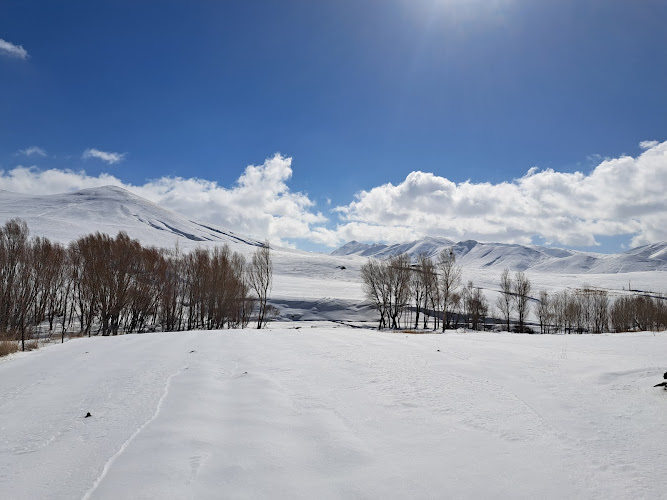
Zanjan
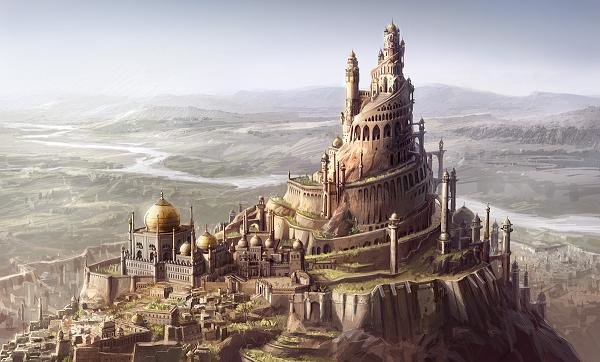
Alamut Castle
Find Accommodations Nearby
Recommended Tours & Activities
Visitor Reviews
There are no reviews yet. Be the first one to write one.
Share Your Experience
Have you visited Qazvin Province? Help other travelers by leaving a review.