
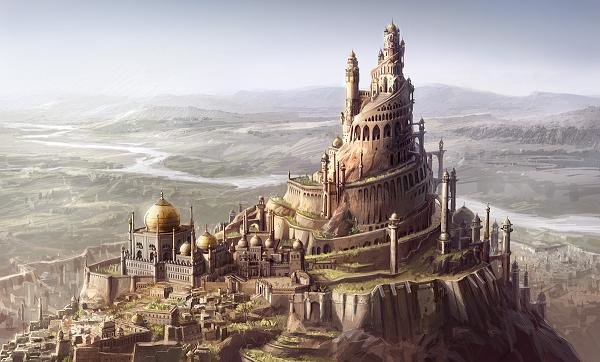
Alamut Castle
About Alamut Castle
Description
Alamut Castle is one of those places that messes with your sense of scale and time. You think you’re prepared—photos online, stories about the Assassins, that famous video game connection—but then you actually stand below the mountain and look up. And you realize, oh… this is going to be a climb. The ruins sit on a jagged peak in northern Iran, and the only way up is on foot, step by step, heart pounding, lungs negotiating with you to slow down. It’s not polished, it’s not easy, and that’s exactly the point.
The fortress dates back over a thousand years and was famously the stronghold of Hasan-i Sabbah and the Nizari Ismailis, the group that inspired legends of the Hashshashin. Yes, the same Assassins that pop up in Assassin’s Creed. But here’s my honest take: the pop culture stuff fades fast once you’re up there. What stays with you is the silence, broken only by wind and the sound of your own boots on stone. It feels remote in a way that’s hard to explain, like the rest of the world got quieter on purpose.
The castle today is mostly ruins—walls, foundations, a few reconstructed sections—and some travelers complain about that. I kind of disagree. The emptiness forces you to imagine. You picture watchmen scanning the valleys, messengers arriving breathless, scholars debating philosophy inside stone rooms that no longer exist. And the views… wow. On a clear day, the Alamut Valley opens up in layers of green and brown, farmland and cliffs, all the way to the horizon. I remember just sitting on a rock, snack in hand, thinking this alone was worth the sore legs.
It’s not a manicured attraction. There are uneven stones, minimal signage, and weather that changes its mind quickly. But if you like places that feel earned rather than handed to you, Alamut Castle delivers. Just don’t expect a theme park. Expect history with rough edges.
Key Features
- Ruins of a medieval mountain fortress tied to real-life Assassin legends
- Panoramic summit views across the Alamut Valley and surrounding mountains
- Rugged hiking approach that adds to the sense of adventure
- Remnants of ancient water systems and defensive walls
- Strong cultural and historical significance in Iranian history
- Quiet, uncrowded atmosphere compared to more famous global castles
- Photogenic landscapes, especially during spring and autumn
Best Time to Visit
Timing matters here more than people admit. Spring, roughly April to June, is my personal favorite. The valley turns green, wildflowers pop up like they’re showing off, and the air feels alive but not punishing. Autumn is a close second—September to early November—when the colors shift and the temperatures cool down just enough to make the hike pleasant.
Summer can be tough. The sun is intense, and there’s not much shade once you start climbing. I made that mistake once, starting late morning, and let’s just say I learned a lot about my own limits. Winter is beautiful in photos, sure, but snow and ice can make the path slippery or even inaccessible. Unless you’re experienced and properly equipped, winter visits are risky.
Try to arrive early in the day. Not only is the light better for photos, but you’ll avoid both the heat and the occasional small crowds. And yes, there are days when clouds roll in and block the views. That’s nature. It happens. Sometimes the castle feels moodier that way, though, and honestly? I didn’t hate it.
How to Get There
Getting to Alamut Castle is part of the story. You’ll usually start from a major city like Tehran or Qazvin, then head toward the Alamut Valley by car or local transport. The roads twist and turn, climbing higher as villages get smaller and scenery gets bigger. If you’re driving, go slow. Not just for safety, but because you’ll want to stop and stare more than once.
Public transportation can get you part of the way, but expect some improvising. Shared taxis and local buses are common, and asking locals for directions is normal. People are generally helpful, even if the language barrier turns the conversation into creative hand gestures. Once you reach the base area, the rest is on foot. There’s no shortcut. No cable car. Just you and the mountain.
The hike itself isn’t technical, but it is steep. Take breaks. Drink water. And don’t rush it. I saw a guy sprinting up once like he was late for a meeting, and he looked miserable by the top. This isn’t that kind of place.
Tips for Visiting
First things first: wear proper shoes. I know that sounds obvious, but I’ve seen sneakers lose their grip on loose stones, and it’s not pretty. Hiking shoes with decent traction will save you stress and maybe a twisted ankle.
Bring more water than you think you need. There aren’t vendors once you start climbing, and the altitude plus sun can sneak up on you. Snacks help too. Sitting on the ruins eating something simple feels strangely satisfying.
Give yourself time. Don’t treat Alamut Castle as a quick checkbox. Walk around the plateau. Look at the foundations. Notice how the fortress uses the natural rock as part of its defense. There’s a cleverness there that doesn’t jump out unless you slow down.
If you’re into photography, a wide-angle lens is your friend. But also, put the camera down sometimes. I caught myself framing shots nonstop, then realized I hadn’t actually absorbed where I was. One of my favorite memories is not a photo at all, just standing quietly while clouds moved across the valley.
Respect the site. It’s a historical place, not just a backdrop for cool selfies. Don’t climb on fragile walls or remove stones. This should go without saying, but, well… it doesn’t always.
Lastly, be flexible. Weather changes. Paths get crowded or empty without warning. You might feel tired earlier than expected. That’s okay. Alamut Castle isn’t about perfection. It’s about the experience, the effort, and that moment when you reach the top and think, yeah, now I get why this place still matters.
Key Features
- Ruins of a medieval mountain fortress tied to real-life Assassin legends
- Panoramic summit views across the Alamut Valley and surrounding mountains
- Rugged hiking approach that adds to the sense of adventure
- Remnants of ancient water systems and defensive walls
- Strong cultural and historical significance in Iranian history
- Quiet, uncrowded atmosphere compared to more famous global castles
- Photogenic landscapes, especially during spring and autumn
More Details
Updated January 1, 2026
Table of Contents
Description
Alamut Castle is one of those places that messes with your sense of scale and time. You think you’re prepared—photos online, stories about the Assassins, that famous video game connection—but then you actually stand below the mountain and look up. And you realize, oh… this is going to be a climb. The ruins sit on a jagged peak in northern Iran, and the only way up is on foot, step by step, heart pounding, lungs negotiating with you to slow down. It’s not polished, it’s not easy, and that’s exactly the point.
The fortress dates back over a thousand years and was famously the stronghold of Hasan-i Sabbah and the Nizari Ismailis, the group that inspired legends of the Hashshashin. Yes, the same Assassins that pop up in Assassin’s Creed. But here’s my honest take: the pop culture stuff fades fast once you’re up there. What stays with you is the silence, broken only by wind and the sound of your own boots on stone. It feels remote in a way that’s hard to explain, like the rest of the world got quieter on purpose.
The castle today is mostly ruins—walls, foundations, a few reconstructed sections—and some travelers complain about that. I kind of disagree. The emptiness forces you to imagine. You picture watchmen scanning the valleys, messengers arriving breathless, scholars debating philosophy inside stone rooms that no longer exist. And the views… wow. On a clear day, the Alamut Valley opens up in layers of green and brown, farmland and cliffs, all the way to the horizon. I remember just sitting on a rock, snack in hand, thinking this alone was worth the sore legs.
It’s not a manicured attraction. There are uneven stones, minimal signage, and weather that changes its mind quickly. But if you like places that feel earned rather than handed to you, Alamut Castle delivers. Just don’t expect a theme park. Expect history with rough edges.
Key Features
- Ruins of a medieval mountain fortress tied to real-life Assassin legends
- Panoramic summit views across the Alamut Valley and surrounding mountains
- Rugged hiking approach that adds to the sense of adventure
- Remnants of ancient water systems and defensive walls
- Strong cultural and historical significance in Iranian history
- Quiet, uncrowded atmosphere compared to more famous global castles
- Photogenic landscapes, especially during spring and autumn
Best Time to Visit
Timing matters here more than people admit. Spring, roughly April to June, is my personal favorite. The valley turns green, wildflowers pop up like they’re showing off, and the air feels alive but not punishing. Autumn is a close second—September to early November—when the colors shift and the temperatures cool down just enough to make the hike pleasant.
Summer can be tough. The sun is intense, and there’s not much shade once you start climbing. I made that mistake once, starting late morning, and let’s just say I learned a lot about my own limits. Winter is beautiful in photos, sure, but snow and ice can make the path slippery or even inaccessible. Unless you’re experienced and properly equipped, winter visits are risky.
Try to arrive early in the day. Not only is the light better for photos, but you’ll avoid both the heat and the occasional small crowds. And yes, there are days when clouds roll in and block the views. That’s nature. It happens. Sometimes the castle feels moodier that way, though, and honestly? I didn’t hate it.
How to Get There
Getting to Alamut Castle is part of the story. You’ll usually start from a major city like Tehran or Qazvin, then head toward the Alamut Valley by car or local transport. The roads twist and turn, climbing higher as villages get smaller and scenery gets bigger. If you’re driving, go slow. Not just for safety, but because you’ll want to stop and stare more than once.
Public transportation can get you part of the way, but expect some improvising. Shared taxis and local buses are common, and asking locals for directions is normal. People are generally helpful, even if the language barrier turns the conversation into creative hand gestures. Once you reach the base area, the rest is on foot. There’s no shortcut. No cable car. Just you and the mountain.
The hike itself isn’t technical, but it is steep. Take breaks. Drink water. And don’t rush it. I saw a guy sprinting up once like he was late for a meeting, and he looked miserable by the top. This isn’t that kind of place.
Tips for Visiting
First things first: wear proper shoes. I know that sounds obvious, but I’ve seen sneakers lose their grip on loose stones, and it’s not pretty. Hiking shoes with decent traction will save you stress and maybe a twisted ankle.
Bring more water than you think you need. There aren’t vendors once you start climbing, and the altitude plus sun can sneak up on you. Snacks help too. Sitting on the ruins eating something simple feels strangely satisfying.
Give yourself time. Don’t treat Alamut Castle as a quick checkbox. Walk around the plateau. Look at the foundations. Notice how the fortress uses the natural rock as part of its defense. There’s a cleverness there that doesn’t jump out unless you slow down.
If you’re into photography, a wide-angle lens is your friend. But also, put the camera down sometimes. I caught myself framing shots nonstop, then realized I hadn’t actually absorbed where I was. One of my favorite memories is not a photo at all, just standing quietly while clouds moved across the valley.
Respect the site. It’s a historical place, not just a backdrop for cool selfies. Don’t climb on fragile walls or remove stones. This should go without saying, but, well… it doesn’t always.
Lastly, be flexible. Weather changes. Paths get crowded or empty without warning. You might feel tired earlier than expected. That’s okay. Alamut Castle isn’t about perfection. It’s about the experience, the effort, and that moment when you reach the top and think, yeah, now I get why this place still matters.
Key Highlights
- Ruins of a medieval mountain fortress tied to real-life Assassin legends
- Panoramic summit views across the Alamut Valley and surrounding mountains
- Rugged hiking approach that adds to the sense of adventure
- Remnants of ancient water systems and defensive walls
- Strong cultural and historical significance in Iranian history
- Quiet, uncrowded atmosphere compared to more famous global castles
- Photogenic landscapes, especially during spring and autumn
Location
Places to Stay Near Alamut Castle
Find and Book a Tour
Explore More Travel Guides
No reviews found! Be the first to review!
Traveler Reviews for Alamut Castle
There are no reviews yet. Be the first one to write one.
Have you visited Alamut Castle? Help other travelers by sharing your review.
You Might Also Like

Sistan and Baluchestan Province

Gorgan

Lorestan Province
Find Accommodations Nearby
Recommended Tours & Activities
Visitor Reviews
There are no reviews yet. Be the first one to write one.
Share Your Experience
Have you visited Alamut Castle? Help other travelers by leaving a review.