About Kharbas Cave

Description

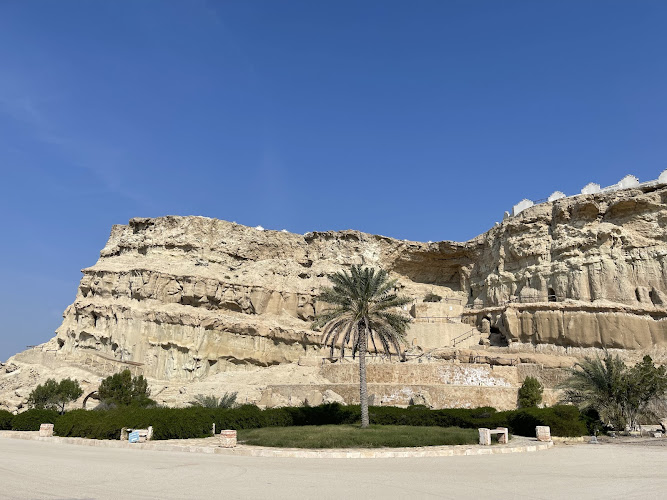
Kharbas Cave represents one of those geological wonders that doesn't always make it onto the typical tourist trail, and honestly, that's part of its charm. This natural cave formation has been drawing curious travelers and adventure seekers for years, though it remains relatively under-the-radar compared to some of the more commercialized attractions you'll find elsewhere. The cave itself tells a story that spans thousands of years, carved by nature's patient hand through limestone rock formations. When you first approach the cave, there's this sense of stepping back in time that's hard to describe. The entrance might not look like much from a distance, but once you get closer, you start to appreciate the raw beauty of what nature created here without any human interference. The cave system extends into the hillside, with chambers and passages that have formed over millennia through water erosion and geological processes that most of us learned about in school but never really got to see up close. What makes Kharbas Cave particularly interesting is its authenticity. This isn't some polished tourist trap with gift shops and artificial lighting everywhere. It's a genuine natural formation that requires a bit of effort and respect to explore properly. And that's exactly what draws people who are tired of the cookie-cutter experiences you find at more developed sites. The cave has gained popularity among geology enthusiasts, adventure travelers, and families looking for something a bit different from their usual outings. Inside, you'll find various rock formations, including stalactites and stalagmites in different stages of development. The cave maintains a naturally cool temperature year-round, which makes it an interesting microclimate worth experiencing, especially during hotter months. Now, I'll be straight with you – visitor experiences here can vary quite a bit. Some folks absolutely love the raw, untouched nature of the place, while others find the lack of developed facilities challenging. It really depends on what you're looking for in a cave exploration experience. If you're expecting modern amenities and paved walkways, you might be disappointed. But if you're seeking an authentic encounter with natural geology, you'll probably find it rewarding.

Key Features

The cave offers several distinctive characteristics that set it apart from other natural attractions in the region:
  • Natural limestone formations that have developed over thousands of years without human modification or artificial enhancement
  • Multiple chambers and passages to explore, each with its own unique geological features and rock patterns
  • Cool interior climate that provides natural temperature regulation, staying significantly cooler than outside temperatures during warm seasons
  • Mineral deposits and rock formations including various stages of stalactite and stalagmite development that showcase ongoing geological processes
  • Natural acoustics within the cave chambers that create interesting sound properties worth experiencing
  • Relatively undeveloped setting that preserves the authentic cave exploration experience without excessive commercialization
  • Historical and geological significance as a natural formation that provides insights into the region's geological history
  • Photography opportunities for those interested in capturing natural rock formations and geological features
  • Educational value for understanding cave formation processes, limestone geology, and natural preservation
  • Suitable for families with children who are interested in nature and adventure, though supervision is essential

Best Time to Visit

Timing your visit to Kharbas Cave can make a significant difference in your overall experience, and I've learned that the "best" time really depends on what you're hoping to get out of your trip. The cooler months typically offer the most comfortable exploration conditions. During late autumn through early spring, the temperature differential between the outside air and the cave interior isn't as dramatic, which makes the transition easier on your body. Plus, you won't be dealing with the intense heat that can make the hike to and from the cave exhausting. That said, visiting during the summer months has its own appeal. The cave acts as a natural air conditioner, providing welcome relief from scorching temperatures. I remember hearing from one traveler who visited during peak summer and described the cave entrance as feeling like walking into a natural refrigerator – not entirely unpleasant when you've been hiking in 35-degree heat. Early morning visits tend to be ideal regardless of season. You'll encounter fewer crowds, have better lighting for photography at the cave entrance, and generally enjoy a more peaceful exploration experience. The morning light also creates interesting shadows and highlights on the rock formations near the entrance that you'll miss during midday visits. Weekdays are definitely preferable to weekends if you have flexibility in your schedule. Weekend crowds can make the cave feel cramped, especially in the narrower passages. And frankly, part of the magic of cave exploration is that sense of isolation and connection with geological time – harder to achieve when you're bumping into other tourists every few meters. Avoid visiting during or immediately after heavy rainfall. The cave can become slippery and potentially dangerous, with water accumulation in certain areas. Some passages might even become temporarily inaccessible due to flooding. Always check local weather conditions before planning your visit. The shoulder seasons – late spring and early autumn – probably offer the best compromise. You get moderate temperatures, fewer tourists than peak summer, and generally stable weather conditions that make cave exploration safer and more enjoyable.

How to Get There

Getting to Kharbas Cave requires some planning, but it's definitely doable for most travelers who don't mind a bit of an adventure. The journey is part of the experience, really. Most visitors reach the area by private vehicle, which gives you the flexibility to explore at your own pace. The roads leading to the cave vicinity are generally accessible by regular cars, though having a vehicle with higher clearance can be advantageous for the final approach. You'll want to use GPS navigation, but I'd recommend downloading offline maps beforehand because mobile signal can be unreliable in more remote areas. If you're relying on public transportation, you'll need to combine several modes of travel. Local buses can get you to the nearest town or village, but from there you'll likely need to arrange private transport. Taxis or ride-sharing services might be available depending on the specific location, though prices can vary considerably. Some travelers have had success negotiating with local drivers for round-trip arrangements, which ensures you'll have transportation back. The final approach to the cave typically involves some walking. Wear proper footwear because the terrain can be uneven and rocky. It's not an extremely difficult hike for most people with moderate fitness levels, but it's definitely not wheelchair accessible, and those with mobility issues might find it challenging. For international or long-distance travelers, you'll probably fly into the nearest major airport and then arrange ground transportation from there. Building in extra travel time is wise because rural roads can be slower than you'd expect, and you don't want to be rushing your cave exploration. Some visitors opt for organized tours, which handle all transportation logistics. This can be particularly convenient if you're unfamiliar with the area or uncomfortable driving in the region. Tours also typically include guides who know the cave system well, though they come at a premium price. Parking near the cave entrance is informal and limited. Arrive early to secure a spot, especially on weekends. And please, be respectful of the natural environment – don't park in ways that damage vegetation or block access for others.

Tips for Visiting

After talking with numerous travelers who've explored Kharbas Cave and piecing together various experiences, here's what you actually need to know to make your visit successful. Bring a reliable flashlight or headlamp – and I mean a good one, not just your phone's light. The cave's natural darkness is profound, and while that's part of the appeal, you need proper illumination to navigate safely and appreciate the rock formations. Pack spare batteries too. Nothing ruins a cave exploration faster than being plunged into darkness halfway through. Wear appropriate clothing. The cave stays cool year-round, so bring a light jacket or long sleeves even if it's hot outside. Your body temperature will drop once you've been inside for a while. Long pants are also recommended because you might brush against rough rock surfaces or need to crouch in certain passages. Footwear matters more than you might think. Skip the sandals and flip-flops entirely. You need closed-toe shoes with good grip because cave floors can be slippery, uneven, and sometimes wet. Hiking boots or sturdy trail shoes are ideal. I've heard stories of people attempting the cave in inappropriate footwear and regretting it immediately. Bring water, but be mindful about consumption inside the cave. You'll want to stay hydrated, especially if you're visiting during warmer months, but there are no facilities inside. Some visitors bring small backpacks to carry essentials without having their hands full. Leave nothing behind. This should go without saying, but caves are delicate ecosystems. Don't touch formations more than necessary – the oils from your skin can damage rock surfaces and stop formations from growing. Don't leave trash. Don't carve your name or leave any mark of your visit. Future generations deserve to experience the cave as you found it. Safety should be your priority. Don't explore alone if possible. Let someone know your plans before entering. Stick to established paths and don't venture into areas that seem unstable or particularly challenging. The cave isn't a place for unnecessary risk-taking. Photography enthusiasts should bring appropriate gear. A tripod can be helpful for low-light shots, though space constraints in some passages might make it impractical. Higher ISO capabilities on your camera will serve you well. Flash photography is generally okay since this isn't a bat habitat, but be courteous of other visitors. Consider hiring a local guide, especially for your first visit. They can point out features you'd otherwise miss, share geological or historical information, and help ensure you explore safely. The cost is usually reasonable and adds significant value to the experience. Check weather forecasts before visiting and be prepared to postpone if conditions look risky. A rainy day might seem atmospheric, but it makes cave exploration considerably more dangerous. And finally, manage your expectations. This isn't a theme park or a heavily developed tourist attraction. It's a natural cave that requires some effort and respect to appreciate fully. Some visitors find it absolutely magical, while others feel underwhelmed. Your experience will largely depend on your attitude, preparation, and what you're seeking from the adventure. Go with an open mind, proper preparation, and respect for the natural environment, and you'll likely find Kharbas Cave worth the journey.

Key Features

  • Limestone cave chambers and interconnected passages
  • Clifftop openings with panoramic views of the Persian Gulf
  • Evidence of rock-cut architecture and nearby historical remains
  • Close proximity to Qeshm villages and coastal road access
  • Photogenic light and shadow contrasts for photography

More Details

Updated March 30, 2026

Description

Kharbas Cave represents one of those geological wonders that doesn’t always make it onto the typical tourist trail, and honestly, that’s part of its charm. This natural cave formation has been drawing curious travelers and adventure seekers for years, though it remains relatively under-the-radar compared to some of the more commercialized attractions you’ll find elsewhere. The cave itself tells a story that spans thousands of years, carved by nature’s patient hand through limestone rock formations.

When you first approach the cave, there’s this sense of stepping back in time that’s hard to describe. The entrance might not look like much from a distance, but once you get closer, you start to appreciate the raw beauty of what nature created here without any human interference. The cave system extends into the hillside, with chambers and passages that have formed over millennia through water erosion and geological processes that most of us learned about in school but never really got to see up close.

What makes Kharbas Cave particularly interesting is its authenticity. This isn’t some polished tourist trap with gift shops and artificial lighting everywhere. It’s a genuine natural formation that requires a bit of effort and respect to explore properly. And that’s exactly what draws people who are tired of the cookie-cutter experiences you find at more developed sites.

The cave has gained popularity among geology enthusiasts, adventure travelers, and families looking for something a bit different from their usual outings. Inside, you’ll find various rock formations, including stalactites and stalagmites in different stages of development. The cave maintains a naturally cool temperature year-round, which makes it an interesting microclimate worth experiencing, especially during hotter months.

Now, I’ll be straight with you – visitor experiences here can vary quite a bit. Some folks absolutely love the raw, untouched nature of the place, while others find the lack of developed facilities challenging. It really depends on what you’re looking for in a cave exploration experience. If you’re expecting modern amenities and paved walkways, you might be disappointed. But if you’re seeking an authentic encounter with natural geology, you’ll probably find it rewarding.

Key Features

The cave offers several distinctive characteristics that set it apart from other natural attractions in the region:

  • Natural limestone formations that have developed over thousands of years without human modification or artificial enhancement
  • Multiple chambers and passages to explore, each with its own unique geological features and rock patterns
  • Cool interior climate that provides natural temperature regulation, staying significantly cooler than outside temperatures during warm seasons
  • Mineral deposits and rock formations including various stages of stalactite and stalagmite development that showcase ongoing geological processes
  • Natural acoustics within the cave chambers that create interesting sound properties worth experiencing
  • Relatively undeveloped setting that preserves the authentic cave exploration experience without excessive commercialization
  • Historical and geological significance as a natural formation that provides insights into the region’s geological history
  • Photography opportunities for those interested in capturing natural rock formations and geological features
  • Educational value for understanding cave formation processes, limestone geology, and natural preservation
  • Suitable for families with children who are interested in nature and adventure, though supervision is essential

Best Time to Visit

Timing your visit to Kharbas Cave can make a significant difference in your overall experience, and I’ve learned that the “best” time really depends on what you’re hoping to get out of your trip.

The cooler months typically offer the most comfortable exploration conditions. During late autumn through early spring, the temperature differential between the outside air and the cave interior isn’t as dramatic, which makes the transition easier on your body. Plus, you won’t be dealing with the intense heat that can make the hike to and from the cave exhausting.

That said, visiting during the summer months has its own appeal. The cave acts as a natural air conditioner, providing welcome relief from scorching temperatures. I remember hearing from one traveler who visited during peak summer and described the cave entrance as feeling like walking into a natural refrigerator – not entirely unpleasant when you’ve been hiking in 35-degree heat.

Early morning visits tend to be ideal regardless of season. You’ll encounter fewer crowds, have better lighting for photography at the cave entrance, and generally enjoy a more peaceful exploration experience. The morning light also creates interesting shadows and highlights on the rock formations near the entrance that you’ll miss during midday visits.

Weekdays are definitely preferable to weekends if you have flexibility in your schedule. Weekend crowds can make the cave feel cramped, especially in the narrower passages. And frankly, part of the magic of cave exploration is that sense of isolation and connection with geological time – harder to achieve when you’re bumping into other tourists every few meters.

Avoid visiting during or immediately after heavy rainfall. The cave can become slippery and potentially dangerous, with water accumulation in certain areas. Some passages might even become temporarily inaccessible due to flooding. Always check local weather conditions before planning your visit.

The shoulder seasons – late spring and early autumn – probably offer the best compromise. You get moderate temperatures, fewer tourists than peak summer, and generally stable weather conditions that make cave exploration safer and more enjoyable.

How to Get There

Getting to Kharbas Cave requires some planning, but it’s definitely doable for most travelers who don’t mind a bit of an adventure. The journey is part of the experience, really.

Most visitors reach the area by private vehicle, which gives you the flexibility to explore at your own pace. The roads leading to the cave vicinity are generally accessible by regular cars, though having a vehicle with higher clearance can be advantageous for the final approach. You’ll want to use GPS navigation, but I’d recommend downloading offline maps beforehand because mobile signal can be unreliable in more remote areas.

If you’re relying on public transportation, you’ll need to combine several modes of travel. Local buses can get you to the nearest town or village, but from there you’ll likely need to arrange private transport. Taxis or ride-sharing services might be available depending on the specific location, though prices can vary considerably. Some travelers have had success negotiating with local drivers for round-trip arrangements, which ensures you’ll have transportation back.

The final approach to the cave typically involves some walking. Wear proper footwear because the terrain can be uneven and rocky. It’s not an extremely difficult hike for most people with moderate fitness levels, but it’s definitely not wheelchair accessible, and those with mobility issues might find it challenging.

For international or long-distance travelers, you’ll probably fly into the nearest major airport and then arrange ground transportation from there. Building in extra travel time is wise because rural roads can be slower than you’d expect, and you don’t want to be rushing your cave exploration.

Some visitors opt for organized tours, which handle all transportation logistics. This can be particularly convenient if you’re unfamiliar with the area or uncomfortable driving in the region. Tours also typically include guides who know the cave system well, though they come at a premium price.

Parking near the cave entrance is informal and limited. Arrive early to secure a spot, especially on weekends. And please, be respectful of the natural environment – don’t park in ways that damage vegetation or block access for others.

Tips for Visiting

After talking with numerous travelers who’ve explored Kharbas Cave and piecing together various experiences, here’s what you actually need to know to make your visit successful.

Bring a reliable flashlight or headlamp – and I mean a good one, not just your phone’s light. The cave’s natural darkness is profound, and while that’s part of the appeal, you need proper illumination to navigate safely and appreciate the rock formations. Pack spare batteries too. Nothing ruins a cave exploration faster than being plunged into darkness halfway through.

Wear appropriate clothing. The cave stays cool year-round, so bring a light jacket or long sleeves even if it’s hot outside. Your body temperature will drop once you’ve been inside for a while. Long pants are also recommended because you might brush against rough rock surfaces or need to crouch in certain passages.

Footwear matters more than you might think. Skip the sandals and flip-flops entirely. You need closed-toe shoes with good grip because cave floors can be slippery, uneven, and sometimes wet. Hiking boots or sturdy trail shoes are ideal. I’ve heard stories of people attempting the cave in inappropriate footwear and regretting it immediately.

Bring water, but be mindful about consumption inside the cave. You’ll want to stay hydrated, especially if you’re visiting during warmer months, but there are no facilities inside. Some visitors bring small backpacks to carry essentials without having their hands full.

Leave nothing behind. This should go without saying, but caves are delicate ecosystems. Don’t touch formations more than necessary – the oils from your skin can damage rock surfaces and stop formations from growing. Don’t leave trash. Don’t carve your name or leave any mark of your visit. Future generations deserve to experience the cave as you found it.

Safety should be your priority. Don’t explore alone if possible. Let someone know your plans before entering. Stick to established paths and don’t venture into areas that seem unstable or particularly challenging. The cave isn’t a place for unnecessary risk-taking.

Photography enthusiasts should bring appropriate gear. A tripod can be helpful for low-light shots, though space constraints in some passages might make it impractical. Higher ISO capabilities on your camera will serve you well. Flash photography is generally okay since this isn’t a bat habitat, but be courteous of other visitors.

Consider hiring a local guide, especially for your first visit. They can point out features you’d otherwise miss, share geological or historical information, and help ensure you explore safely. The cost is usually reasonable and adds significant value to the experience.

Check weather forecasts before visiting and be prepared to postpone if conditions look risky. A rainy day might seem atmospheric, but it makes cave exploration considerably more dangerous.

And finally, manage your expectations. This isn’t a theme park or a heavily developed tourist attraction. It’s a natural cave that requires some effort and respect to appreciate fully. Some visitors find it absolutely magical, while others feel underwhelmed. Your experience will largely depend on your attitude, preparation, and what you’re seeking from the adventure. Go with an open mind, proper preparation, and respect for the natural environment, and you’ll likely find Kharbas Cave worth the journey.

Key Highlights

  • Limestone cave chambers and interconnected passages
  • Clifftop openings with panoramic views of the Persian Gulf
  • Evidence of rock-cut architecture and nearby historical remains
  • Close proximity to Qeshm villages and coastal road access
  • Photogenic light and shadow contrasts for photography

Location

Places to Stay Near Kharbas Cave

Find and Book a Tour

Explore More Travel Guides

No reviews found! Be the first to review!

Kharbas Cave is a prominent attractions located in IR.

Visit us at: Iran.

Traveler Reviews for Kharbas Cave

There are no reviews yet. Be the first one to write one.

Share Your Experience

Have you visited Kharbas Cave? Help other travelers by sharing your review.

Nearby Attractions

Qeshm Geopark Tala-ju (local coastal villages and viewpoints) Chahkooh Valley

Find Accommodations Nearby

Recommended Tours & Activities

Visitor Reviews

There are no reviews yet. Be the first one to write one.

Share Your Experience

Have you visited Kharbas Cave? Help other travelers by leaving a review.