
Zanjan
About Zanjan
Description
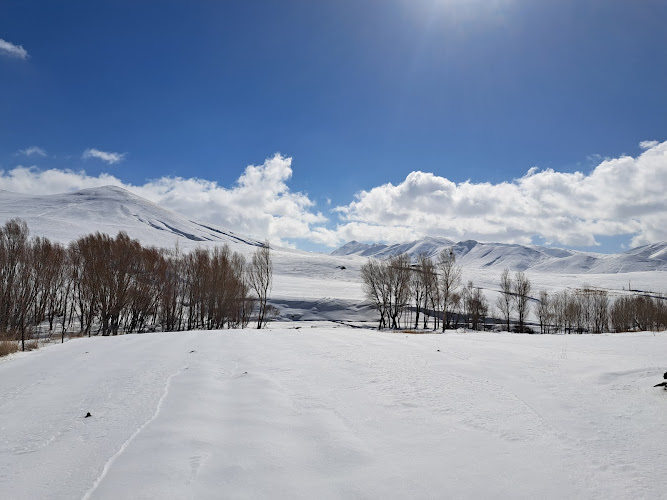
Zanjan sits in northwestern Iran as a province that honestly doesn't get the credit it deserves from most international travelers. I've noticed that people often rush through this region on their way to more famous destinations, and that's a real shame because they're missing out on something genuinely special. This mountainous province covers roughly 22,000 square kilometers and hosts a population where about two-thirds live in urban areas, particularly in Zanjan city itself and Abhar. What makes this place different from other Iranian provinces is its authentic character. You won't find hordes of tourists here, which means the experiences feel more genuine and less staged. The landscape is dominated by mountains and valleys that create this dramatic backdrop for everyday life. The weather patterns here are influenced by the altitude, which gives the region distinct seasons that each bring their own charm. The people of Zanjan have maintained their traditional crafts and ways of life in a way that feels organic rather than performative. Walking through the markets, you'll see artisans who are carrying on traditions that their great-grandparents practiced. And honestly, there's something refreshing about visiting a place where tourism hasn't completely transformed the local culture yet.Key Features
The province offers several distinctive characteristics that set it apart:- Traditional Knife-Making Heritage: Zanjan is famous throughout Iran for its hand-crafted knives, which have been produced here for centuries using techniques passed down through generations
- Soltaniyeh Dome: This UNESCO World Heritage site features one of the largest brick domes ever constructed and dates back to the 14th century
- Rakhtshooy Khaneh: An underground laundry complex that's architecturally fascinating and shows the ingenuity of historical water management systems
- Handwoven Textiles: The region produces distinctive carpets and kilims with patterns unique to this area
- Katale Khor Cave: One of Iran's longest caves, stretching several kilometers with spectacular limestone formations
- Zanjan Bazaar: A historic covered market where you can find authentic local products without the tourist markup
- Saltmen Museum: Houses the preserved remains of miners who were naturally mummified in salt mines dating back thousands of years
- Mountainous Terrain: Perfect for hiking and experiencing landscapes that change dramatically with the seasons
- Agricultural Products: Known for producing high-quality walnuts, almonds, and grapes in its valleys
- Thermal Springs: Several natural hot springs scattered throughout the province offer therapeutic bathing experiences
Best Time to Visit
Timing your visit to Zanjan really matters, and I can't stress this enough. The province experiences all four seasons distinctly, and each period offers completely different experiences. Spring, particularly from late April through early June, is probably the most comfortable time for most travelers. The mountains are green, wildflowers bloom across the valleys, and temperatures sit in that sweet spot where you can explore comfortably without freezing or sweating excessively. I remember visiting in May once and the contrast between the snow-capped peaks and the flowering valleys below was just stunning. Autumn, especially September and October, runs a close second. The weather remains pleasant, and you'll see the agricultural harvest in full swing. The walnut and grape harvests happen during this period, and if you're interested in seeing traditional farming practices, this is your window. Plus, the fall colors in the mountainous areas are genuinely beautiful without being as crowded as famous autumn destinations elsewhere. Summer can get quite warm, particularly in July and August, but the higher elevations offer relief from the heat. If you plan to visit the caves or spend time in the mountains, summer works fine. Just avoid scheduling too many outdoor activities in the cities during midday. Winter is harsh here - we're talking serious cold with heavy snowfall in many areas. But if you're into winter landscapes or want to experience the province when it's most quiet, January and February have their appeal. The Soltaniyeh Dome covered in snow is photogenic, that's for sure. Just be prepared for travel disruptions and limited access to some sites. One thing people often overlook is checking the Persian calendar for holidays. During Nowruz (Persian New Year, usually around March 21st) and other major holidays, domestic tourism increases significantly, which can affect accommodation availability and prices.How to Get There
Getting to Zanjan isn't particularly complicated, though it does require some planning since international flights don't land directly here. Most international visitors fly into Tehran's Imam Khomeini International Airport first. From Tehran, you've got several options. The most straightforward is taking a domestic flight from Mehrabad Airport to Zanjan Airport, which takes about 45 minutes. However, flights aren't daily, so you'll need to check schedules in advance. The train option is actually pretty decent. Trains run regularly between Tehran and Zanjan, and the journey takes roughly 6 to 7 hours depending on the service you choose. I've taken this route myself, and while it's not the fastest option, you get to see the landscape change gradually, which gives you a better sense of the geography. The overnight trains work well if you want to save on a night's accommodation. Buses connect Zanjan to most major Iranian cities. The bus terminals in Tehran have frequent departures, and the trip takes around 5 to 6 hours. The buses are generally comfortable and affordable, though the driving style might be more adventurous than what some visitors are used to. If you're driving, the main highway from Tehran to Tabriz passes through Zanjan province. The roads are generally well-maintained, but winter driving requires experience with snow conditions. I wouldn't recommend renting a car unless you're comfortable navigating Iranian traffic patterns and road signage in Farsi. Once you're in Zanjan city, getting around locally involves taxis, which are inexpensive, or you can arrange for a driver through your hotel. The city itself isn't huge, and some areas are walkable, though sidewalks aren't always in the best condition.Tips for Visiting
Based on actual experience rather than guidebook theory, here's what you should know before visiting Zanjan. Dress conservatively. This isn't negotiable in Iran generally, but Zanjan is more traditional than Tehran. Women need to wear headscarves and loose-fitting clothing that covers arms and legs. Men should avoid shorts. I know it seems restrictive, but respecting local norms makes everything smoother. Learn some basic Farsi phrases. English isn't widely spoken outside of major hotels, and even there it's limited. Having a translation app that works offline is essential. But honestly, making an effort with a few Persian words goes a long way with locals who appreciate the attempt. Carry cash. International credit cards don't work in Iran due to sanctions, and Zanjan has fewer exchange options than larger cities. Bring US dollars or euros to exchange, and do it before leaving Tehran if possible. The exchange rates might be less favorable in smaller cities. Photography requires awareness. While you can photograph most tourist sites, always ask permission before photographing people, especially women. Some religious sites prohibit photography entirely. Military installations and government buildings are definitely off-limits for cameras. The food situation is interesting. Restaurant options in Zanjan city are decent but not extensive. Traditional dishes here are meat-heavy, and vegetarian options can be limited. Street food is generally safe if you choose busy vendors with high turnover. The local ash-e doogh (a type of yogurt soup) is worth trying even though it looks unappetizing at first glance. Accommodation ranges from basic guesthouses to mid-range hotels. Don't expect international luxury standards, but cleanliness is generally good. Booking ahead during spring and autumn is smart, though last-minute options usually exist. Hiring a local guide for specific sites like Soltaniyeh or the caves makes sense. They're not expensive, and the historical context they provide enhances the experience significantly. Your hotel can usually arrange this. Internet access is available but Instagram, Facebook, Twitter, and many Western sites are blocked. A VPN is necessary if you need access to these platforms, and you should set it up before arriving in Iran. The altitude affects some people, particularly if you're hiking in the mountains. Take it easy for the first day or two if you're coming from sea level. Shopping for knives and handicrafts is best done directly from workshops rather than souvenir shops when possible. Prices are better, and you'll see the craftsmanship firsthand. But bargaining is expected in markets - not aggressively, just as part of the normal transaction process. Water from taps isn't always safe for drinking. Bottled water is cheap and available everywhere. Food hygiene standards vary, so stick to busy restaurants where food turnover is high. The timing of prayers affects some businesses. Don't be surprised if shops close temporarily for prayer times, particularly on Fridays. Lastly, people in Zanjan are genuinely hospitable. If someone invites you for tea, accepting is both polite and often leads to the most memorable parts of traveling. I've had some of my best travel experiences happen through these spontaneous interactions that weren't in any guidebook.Key Features
- Shaded walking paths lined with plane and poplar trees
- Informal tea and snack stalls reflecting local flavors
- Benches and paved promenades suitable for all ages
- Proximity to Zanjan city centre and historic sites
- Vibrant local atmosphere with occasional cultural performances
More Details
Updated January 17, 2026
Table of Contents
Description
Zanjan sits in northwestern Iran as a province that honestly doesn’t get the credit it deserves from most international travelers. I’ve noticed that people often rush through this region on their way to more famous destinations, and that’s a real shame because they’re missing out on something genuinely special. This mountainous province covers roughly 22,000 square kilometers and hosts a population where about two-thirds live in urban areas, particularly in Zanjan city itself and Abhar.
What makes this place different from other Iranian provinces is its authentic character. You won’t find hordes of tourists here, which means the experiences feel more genuine and less staged. The landscape is dominated by mountains and valleys that create this dramatic backdrop for everyday life. The weather patterns here are influenced by the altitude, which gives the region distinct seasons that each bring their own charm.
The people of Zanjan have maintained their traditional crafts and ways of life in a way that feels organic rather than performative. Walking through the markets, you’ll see artisans who are carrying on traditions that their great-grandparents practiced. And honestly, there’s something refreshing about visiting a place where tourism hasn’t completely transformed the local culture yet.
Key Features
The province offers several distinctive characteristics that set it apart:
- Traditional Knife-Making Heritage: Zanjan is famous throughout Iran for its hand-crafted knives, which have been produced here for centuries using techniques passed down through generations
- Soltaniyeh Dome: This UNESCO World Heritage site features one of the largest brick domes ever constructed and dates back to the 14th century
- Rakhtshooy Khaneh: An underground laundry complex that’s architecturally fascinating and shows the ingenuity of historical water management systems
- Handwoven Textiles: The region produces distinctive carpets and kilims with patterns unique to this area
- Katale Khor Cave: One of Iran’s longest caves, stretching several kilometers with spectacular limestone formations
- Zanjan Bazaar: A historic covered market where you can find authentic local products without the tourist markup
- Saltmen Museum: Houses the preserved remains of miners who were naturally mummified in salt mines dating back thousands of years
- Mountainous Terrain: Perfect for hiking and experiencing landscapes that change dramatically with the seasons
- Agricultural Products: Known for producing high-quality walnuts, almonds, and grapes in its valleys
- Thermal Springs: Several natural hot springs scattered throughout the province offer therapeutic bathing experiences
Best Time to Visit
Timing your visit to Zanjan really matters, and I can’t stress this enough. The province experiences all four seasons distinctly, and each period offers completely different experiences.
Spring, particularly from late April through early June, is probably the most comfortable time for most travelers. The mountains are green, wildflowers bloom across the valleys, and temperatures sit in that sweet spot where you can explore comfortably without freezing or sweating excessively. I remember visiting in May once and the contrast between the snow-capped peaks and the flowering valleys below was just stunning.
Autumn, especially September and October, runs a close second. The weather remains pleasant, and you’ll see the agricultural harvest in full swing. The walnut and grape harvests happen during this period, and if you’re interested in seeing traditional farming practices, this is your window. Plus, the fall colors in the mountainous areas are genuinely beautiful without being as crowded as famous autumn destinations elsewhere.
Summer can get quite warm, particularly in July and August, but the higher elevations offer relief from the heat. If you plan to visit the caves or spend time in the mountains, summer works fine. Just avoid scheduling too many outdoor activities in the cities during midday.
Winter is harsh here – we’re talking serious cold with heavy snowfall in many areas. But if you’re into winter landscapes or want to experience the province when it’s most quiet, January and February have their appeal. The Soltaniyeh Dome covered in snow is photogenic, that’s for sure. Just be prepared for travel disruptions and limited access to some sites.
One thing people often overlook is checking the Persian calendar for holidays. During Nowruz (Persian New Year, usually around March 21st) and other major holidays, domestic tourism increases significantly, which can affect accommodation availability and prices.
How to Get There
Getting to Zanjan isn’t particularly complicated, though it does require some planning since international flights don’t land directly here.
Most international visitors fly into Tehran’s Imam Khomeini International Airport first. From Tehran, you’ve got several options. The most straightforward is taking a domestic flight from Mehrabad Airport to Zanjan Airport, which takes about 45 minutes. However, flights aren’t daily, so you’ll need to check schedules in advance.
The train option is actually pretty decent. Trains run regularly between Tehran and Zanjan, and the journey takes roughly 6 to 7 hours depending on the service you choose. I’ve taken this route myself, and while it’s not the fastest option, you get to see the landscape change gradually, which gives you a better sense of the geography. The overnight trains work well if you want to save on a night’s accommodation.
Buses connect Zanjan to most major Iranian cities. The bus terminals in Tehran have frequent departures, and the trip takes around 5 to 6 hours. The buses are generally comfortable and affordable, though the driving style might be more adventurous than what some visitors are used to.
If you’re driving, the main highway from Tehran to Tabriz passes through Zanjan province. The roads are generally well-maintained, but winter driving requires experience with snow conditions. I wouldn’t recommend renting a car unless you’re comfortable navigating Iranian traffic patterns and road signage in Farsi.
Once you’re in Zanjan city, getting around locally involves taxis, which are inexpensive, or you can arrange for a driver through your hotel. The city itself isn’t huge, and some areas are walkable, though sidewalks aren’t always in the best condition.
Tips for Visiting
Based on actual experience rather than guidebook theory, here’s what you should know before visiting Zanjan.
Dress conservatively. This isn’t negotiable in Iran generally, but Zanjan is more traditional than Tehran. Women need to wear headscarves and loose-fitting clothing that covers arms and legs. Men should avoid shorts. I know it seems restrictive, but respecting local norms makes everything smoother.
Learn some basic Farsi phrases. English isn’t widely spoken outside of major hotels, and even there it’s limited. Having a translation app that works offline is essential. But honestly, making an effort with a few Persian words goes a long way with locals who appreciate the attempt.
Carry cash. International credit cards don’t work in Iran due to sanctions, and Zanjan has fewer exchange options than larger cities. Bring US dollars or euros to exchange, and do it before leaving Tehran if possible. The exchange rates might be less favorable in smaller cities.
Photography requires awareness. While you can photograph most tourist sites, always ask permission before photographing people, especially women. Some religious sites prohibit photography entirely. Military installations and government buildings are definitely off-limits for cameras.
The food situation is interesting. Restaurant options in Zanjan city are decent but not extensive. Traditional dishes here are meat-heavy, and vegetarian options can be limited. Street food is generally safe if you choose busy vendors with high turnover. The local ash-e doogh (a type of yogurt soup) is worth trying even though it looks unappetizing at first glance.
Accommodation ranges from basic guesthouses to mid-range hotels. Don’t expect international luxury standards, but cleanliness is generally good. Booking ahead during spring and autumn is smart, though last-minute options usually exist.
Hiring a local guide for specific sites like Soltaniyeh or the caves makes sense. They’re not expensive, and the historical context they provide enhances the experience significantly. Your hotel can usually arrange this.
Internet access is available but Instagram, Facebook, Twitter, and many Western sites are blocked. A VPN is necessary if you need access to these platforms, and you should set it up before arriving in Iran.
The altitude affects some people, particularly if you’re hiking in the mountains. Take it easy for the first day or two if you’re coming from sea level.
Shopping for knives and handicrafts is best done directly from workshops rather than souvenir shops when possible. Prices are better, and you’ll see the craftsmanship firsthand. But bargaining is expected in markets – not aggressively, just as part of the normal transaction process.
Water from taps isn’t always safe for drinking. Bottled water is cheap and available everywhere. Food hygiene standards vary, so stick to busy restaurants where food turnover is high.
The timing of prayers affects some businesses. Don’t be surprised if shops close temporarily for prayer times, particularly on Fridays.
Lastly, people in Zanjan are genuinely hospitable. If someone invites you for tea, accepting is both polite and often leads to the most memorable parts of traveling. I’ve had some of my best travel experiences happen through these spontaneous interactions that weren’t in any guidebook.
Key Highlights
- Shaded walking paths lined with plane and poplar trees
- Informal tea and snack stalls reflecting local flavors
- Benches and paved promenades suitable for all ages
- Proximity to Zanjan city centre and historic sites
- Vibrant local atmosphere with occasional cultural performances
Location
Places to Stay Near Zanjan
Find and Book a Tour
Explore More Travel Guides
No reviews found! Be the first to review!
Traveler Reviews for Zanjan
There are no reviews yet. Be the first one to write one.
Have you visited Zanjan? Help other travelers by sharing your review.
Nearby Attractions
You Might Also Like

Gorgan

Ezgenin Mountain

Isfahan Province
Find Accommodations Nearby
Recommended Tours & Activities
Visitor Reviews
There are no reviews yet. Be the first one to write one.
Share Your Experience
Have you visited Zanjan? Help other travelers by leaving a review.