
Puget Sound Navy Museum
About Puget Sound Navy Museum
Description
The Puget Sound Navy Museum offers a compact but surprisingly rich dive into the naval life and maritime history of the Pacific Northwest. Located in Bremerton, the museum specializes in the stories of the region’s naval operations, the day-to-day aboard warships, and the technological evolution of submarines and aircraft carriers—presented in a way that makes naval history feel less like a dry lecture and more like stepping into someone else’s life for an hour or two. It is free to enter, which is a big thumbs-up for travelers watching their budgets and for families who want an educational stop without the sticker shock.
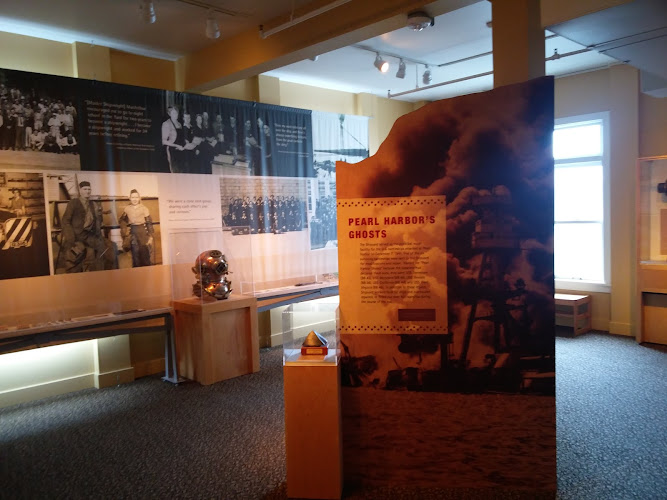
Visitors can expect exhibits that focus on three main threads: the strategic importance of Puget Sound to the U.S. Navy, the lived experience of sailors aboard carriers and submarines, and the local naval community that grew around the shipyards and bases. The museum balances artifacts—helm wheels, uniforms, radios, models—with interpretive displays, photo galleries, and hands-on elements designed to engage kids and adults alike. For example, a mock-up of shipboard living spaces and interactive components that replicate life on an aircraft carrier give a sensory dimension many museums lack. People tend to linger where they can touch or try something; it's human nature to poke buttons and pull levers, and the museum leans into that curiosity.
Accessibility is clearly on the museum’s checklist. The entrance is wheelchair accessible, as are the parking facilities and restrooms, making a visit feasible for mobility-challenged travelers and families with strollers. That practical attention to detail often makes a big difference for older visitors or anyone who’s been wandering city streets all day and needs a comfortable, straightforward stop. Tours are offered, too, and while they vary in length and focus, guided experiences help unpack the more technical stuff—submarine systems, carrier flight deck logistics—into understandable chunks. In short: if a visitor wants depth, a guide can provide it; if they want a casual browse, the exhibit labels are generally clear and approachable.
One noteworthy trait is that the museum places real emphasis on storytelling. It doesn’t just list dates and ship names. Instead, it highlights personal accounts—letters, oral histories, and photos—that convey what service looked like in different eras. A recurring theme is community: the families, the shipyard workers, the small businesses that supported sailors on and off base. A frequent visitor once remarked that the museum feels like a neighbor telling stories down at the coffee shop: familiar, honest, and sometimes surprising. That neighborly voice helps the place avoid feeling over-institutionalized.
Parents traveling with children will find the museum particularly accommodating. Exhibits are child-friendly without being patronizing. Hands-on displays and clear visuals help younger guests grasp complex ideas—like how submarines dive or how aircraft are launched and recovered—without long lectures. The museum’s scale is perfect for families who want an enriching break without committing to a whole afternoon; many families report that an hour to 90 minutes is just about right. And since there is a gift shop on site, children can pick up a small memento that solidifies learning into a memory—little things like patches or model kits go a long way toward keeping kids engaged.
Travelers should also note practical amenities: restrooms are on site, and while there is no full-service restaurant within the museum, the Bremerton waterfront and downtown area are close enough that dining options are easily available before or after a visit. Parking is convenient enough due to a nearby paid parking garage; it’s not perfect, but compared with hunting for street parking in many tourist towns, it’s reasonably predictable. The museum’s free admission paired with paid parking is a common trade-off in museum-adjacent city centers and most visitors find it acceptable.
In terms of tone and reception, the museum tends to earn solid marks from the public: many visitors praise the scope and personal touch of the exhibits and the knowledgeable staff who run tours. That said, like any place, it draws a range of opinions—some visitors wish for larger galleries or more interactive technology, while others appreciate the measured, no-frills approach that keeps attention on the artifacts and stories. Those differing views reflect a healthy reality: expectations vary. Someone looking for a blockbuster, high-tech museum experience might feel let down; someone who values focused curation and storytelling will likely leave impressed.
For history buffs, the museum offers satisfying depth. Exhibits chart the progression from early naval operations in the region to the modern era of carriers and fast-attack submarines. There are displays that explain shipbuilding methods and naval strategy in plain language—helpful for visitors who don’t have a military background but who want to understand why Puget Sound mattered, and still matters, strategically. The museum also highlights local angles: how Kitsap County labor and industry intertwined with naval needs, and how generations of families served. These local stories can be unexpectedly moving; they add texture beyond the usual technical diagrams.
Photographers and casual documentarians will appreciate that exhibits are generally well-lit (but not flash-friendly for fragile items), and that the museum’s compact rooms create opportunities for detailed shots without the noise of larger institutions. It’s not a location for grand architectural photos—this isn’t a marble palace—but for intimate images of artifacts, portraits, and display panels, it delivers. Those photo-friendly aspects also show up in how social media posts from visitors tend to highlight small discoveries: a worn deck boot, a pilot’s life preserver, a hand-written note tucked into a display.
One little-known aspect that travelers sometimes miss: the museum's relationship to the wider naval sites around Bremerton. It acts as a contextual hub—an orientation stop—so guests who plan to take a harbor cruise, visit a decommissioned ship, or tour other naval exhibits will benefit from starting here. The museum can make subsequent experiences richer by providing background on terminology, timeline, and the human realities of naval service. Think of it as the prep class you wish you’d had before boarding a massive ship or stepping into a cramped submarine.
Practical tips woven into the experience: admission is free, so the museum attracts a mix of locals, military families, and visitors from Seattle and beyond who are making a day trip. Peak times are typical weekends and mid-mornings, but on most weekdays, the pace is relaxed enough that wandering through at one’s own speed is comfortable. Volunteers and staff are usually willing to answer questions; they’re real people with stories and often practical advice on where to go next in Bremerton—ferry schedules, good lunch spots, and which local viewpoints offer the best sunset photos.
In short, the Puget Sound Navy Museum is a strong fit for travelers who want meaningful historical context without a heavy time investment. It’s especially valuable for families, naval aficionados, and curious visitors who enjoy learning through personal stories and tactile exhibits. The combination of free admission, accessible facilities, guided tours, and kid-friendly displays creates a low-pressure, high-value stop on a Northwest itinerary. It’s not trying to compete with huge national museums; instead, it excels at being a clear-eyed, human-scale telling of a powerful maritime legacy. Visitors who come with an open mind—and perhaps a mild fascination for things that float and the people who keep them running—tend to leave with a better sense of why this region and its navy matter, both strategically and personally.
Key Features
More Details
Updated August 30, 2025
Table of Contents
Description
The Puget Sound Navy Museum offers a compact but surprisingly rich dive into the naval life and maritime history of the Pacific Northwest. Located in Bremerton, the museum specializes in the stories of the region’s naval operations, the day-to-day aboard warships, and the technological evolution of submarines and aircraft carriers—presented in a way that makes naval history feel less like a dry lecture and more like stepping into someone else’s life for an hour or two. It is free to enter, which is a big thumbs-up for travelers watching their budgets and for families who want an educational stop without the sticker shock.
Visitors can expect exhibits that focus on three main threads: the strategic importance of Puget Sound to the U.S. Navy, the lived experience of sailors aboard carriers and submarines, and the local naval community that grew around the shipyards and bases. The museum balances artifacts—helm wheels, uniforms, radios, models—with interpretive displays, photo galleries, and hands-on elements designed to engage kids and adults alike. For example, a mock-up of shipboard living spaces and interactive components that replicate life on an aircraft carrier give a sensory dimension many museums lack. People tend to linger where they can touch or try something; it’s human nature to poke buttons and pull levers, and the museum leans into that curiosity.
Accessibility is clearly on the museum’s checklist. The entrance is wheelchair accessible, as are the parking facilities and restrooms, making a visit feasible for mobility-challenged travelers and families with strollers. That practical attention to detail often makes a big difference for older visitors or anyone who’s been wandering city streets all day and needs a comfortable, straightforward stop. Tours are offered, too, and while they vary in length and focus, guided experiences help unpack the more technical stuff—submarine systems, carrier flight deck logistics—into understandable chunks. In short: if a visitor wants depth, a guide can provide it; if they want a casual browse, the exhibit labels are generally clear and approachable.
One noteworthy trait is that the museum places real emphasis on storytelling. It doesn’t just list dates and ship names. Instead, it highlights personal accounts—letters, oral histories, and photos—that convey what service looked like in different eras. A recurring theme is community: the families, the shipyard workers, the small businesses that supported sailors on and off base. A frequent visitor once remarked that the museum feels like a neighbor telling stories down at the coffee shop: familiar, honest, and sometimes surprising. That neighborly voice helps the place avoid feeling over-institutionalized.
Parents traveling with children will find the museum particularly accommodating. Exhibits are child-friendly without being patronizing. Hands-on displays and clear visuals help younger guests grasp complex ideas—like how submarines dive or how aircraft are launched and recovered—without long lectures. The museum’s scale is perfect for families who want an enriching break without committing to a whole afternoon; many families report that an hour to 90 minutes is just about right. And since there is a gift shop on site, children can pick up a small memento that solidifies learning into a memory—little things like patches or model kits go a long way toward keeping kids engaged.
Travelers should also note practical amenities: restrooms are on site, and while there is no full-service restaurant within the museum, the Bremerton waterfront and downtown area are close enough that dining options are easily available before or after a visit. Parking is convenient enough due to a nearby paid parking garage; it’s not perfect, but compared with hunting for street parking in many tourist towns, it’s reasonably predictable. The museum’s free admission paired with paid parking is a common trade-off in museum-adjacent city centers and most visitors find it acceptable.
In terms of tone and reception, the museum tends to earn solid marks from the public: many visitors praise the scope and personal touch of the exhibits and the knowledgeable staff who run tours. That said, like any place, it draws a range of opinions—some visitors wish for larger galleries or more interactive technology, while others appreciate the measured, no-frills approach that keeps attention on the artifacts and stories. Those differing views reflect a healthy reality: expectations vary. Someone looking for a blockbuster, high-tech museum experience might feel let down; someone who values focused curation and storytelling will likely leave impressed.
For history buffs, the museum offers satisfying depth. Exhibits chart the progression from early naval operations in the region to the modern era of carriers and fast-attack submarines. There are displays that explain shipbuilding methods and naval strategy in plain language—helpful for visitors who don’t have a military background but who want to understand why Puget Sound mattered, and still matters, strategically. The museum also highlights local angles: how Kitsap County labor and industry intertwined with naval needs, and how generations of families served. These local stories can be unexpectedly moving; they add texture beyond the usual technical diagrams.
Photographers and casual documentarians will appreciate that exhibits are generally well-lit (but not flash-friendly for fragile items), and that the museum’s compact rooms create opportunities for detailed shots without the noise of larger institutions. It’s not a location for grand architectural photos—this isn’t a marble palace—but for intimate images of artifacts, portraits, and display panels, it delivers. Those photo-friendly aspects also show up in how social media posts from visitors tend to highlight small discoveries: a worn deck boot, a pilot’s life preserver, a hand-written note tucked into a display.
One little-known aspect that travelers sometimes miss: the museum’s relationship to the wider naval sites around Bremerton. It acts as a contextual hub—an orientation stop—so guests who plan to take a harbor cruise, visit a decommissioned ship, or tour other naval exhibits will benefit from starting here. The museum can make subsequent experiences richer by providing background on terminology, timeline, and the human realities of naval service. Think of it as the prep class you wish you’d had before boarding a massive ship or stepping into a cramped submarine.
Practical tips woven into the experience: admission is free, so the museum attracts a mix of locals, military families, and visitors from Seattle and beyond who are making a day trip. Peak times are typical weekends and mid-mornings, but on most weekdays, the pace is relaxed enough that wandering through at one’s own speed is comfortable. Volunteers and staff are usually willing to answer questions; they’re real people with stories and often practical advice on where to go next in Bremerton—ferry schedules, good lunch spots, and which local viewpoints offer the best sunset photos.
In short, the Puget Sound Navy Museum is a strong fit for travelers who want meaningful historical context without a heavy time investment. It’s especially valuable for families, naval aficionados, and curious visitors who enjoy learning through personal stories and tactile exhibits. The combination of free admission, accessible facilities, guided tours, and kid-friendly displays creates a low-pressure, high-value stop on a Northwest itinerary. It’s not trying to compete with huge national museums; instead, it excels at being a clear-eyed, human-scale telling of a powerful maritime legacy. Visitors who come with an open mind—and perhaps a mild fascination for things that float and the people who keep them running—tend to leave with a better sense of why this region and its navy matter, both strategically and personally.
Key Highlights
Puget Sound Navy Museum
Location
Find and Book a Tour
Explore More Travel Guides
No reviews found! Be the first to review!
There are no reviews yet. Be the first one to write one.
Have you visited Puget Sound Navy Museum? Help other travelers by sharing your review.
You Might Also Like
Albers Marcovina Vista Gardens
Bremerton Fountains
Bug & Reptile Museum
Find Accommodations Nearby
Recommended Tours & Activities
Visitor Reviews
There are no reviews yet. Be the first one to write one.
Share Your Experience
Have you visited Puget Sound Navy Museum? Help other travelers by leaving a review.