
Puente de la Mujer
About Puente de la Mujer
Description
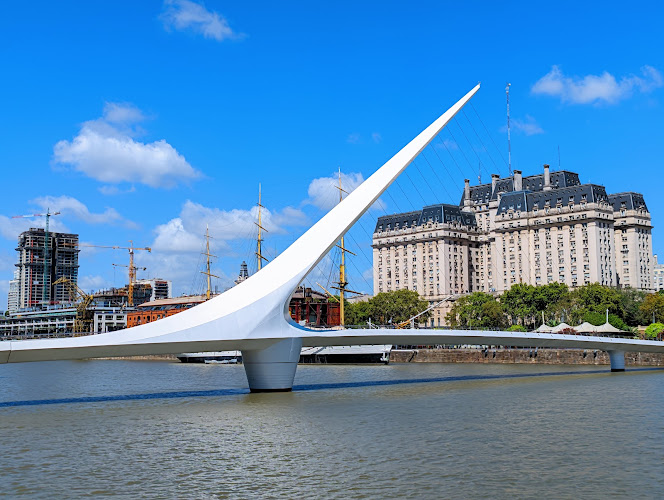
Look, I gotta tell ya - the Puente de la Mujer isn't just another bridge. This stunning piece of engineering artistry in Buenos Aires' Puerto Madero district literally stops people in their tracks. I remember the first time I saw it at sunset - my jaw dropped at how the white structure seemed to dance above the water. The name means "Woman's Bridge" in Spanish, and there's something undeniably graceful about its asymmetric design that really captures the feminine essence. What makes this bridge so special is that it's the work of Spanish architectural genius Santiago Calatrava, who designed this 160-meter masterpiece to be both functional and absolutely breathtaking. The thing is, it's not just static - this baby can actually rotate 90 degrees to let boats pass through! Pretty cool, right? And the way it's built, with that single soaring mast and cables arranged like a harp's strings, makes it look like it's frozen mid-pirouette.Key Features
• Single white concrete tower that tilts at a dramatic 39-degree angle • Network of steel cables creating an ethereal suspension system • Rotating mechanism that lets the bridge swing sideways for water traffic • LED lighting system that illuminates the structure at night • Observation points perfect for photography • Wide pedestrian walkway with stunning views of the Puerto Madero skyline • Wheelchair accessible design • Incredible architectural details that change appearance throughout the day • Part of the largest urban renewal project in Buenos Aires • Connects the east and west sides of Puerto Madero's most vibrant areasBest Time to Visit
Trust me on this one - timing is everything when visiting Puente de la Mujer. The magic happens during the golden hours, especially at sunset when the light plays off those white cables like strings of gold. But here's a local secret: come here around 8 PM when the LED lights kick in and the bridge transforms into this otherworldly sculpture against the night sky. Summer evenings (December to February) are particularly lovely, with comfortable temperatures and plenty of daylight for those perfect photos. But honestly? The bridge is spectacular year-round. Just try to avoid visiting during heavy rainfall - those beautiful white surfaces can get a bit slippery, and the views aren't quite as impressive.How to Get There
Getting to Puente de la Mujer is actually pretty straightforward. The easiest way is to take the subway (Subte) to Plaza de Mayo or Catalinas stations and then either walk or grab a short taxi ride to Puerto Madero. If you're coming from downtown Buenos Aires, it's about a 15-minute walk from the Plaza de Mayo. Y'know what I love about this area? The walk itself is part of the experience. You'll pass through some of the most interesting parts of Puerto Madero, with its converted warehouses and modern architecture. And if you're anything like me, you'll probably get distracted by the amazing restaurants and cafes along the way!Tips for Visiting
Alright, let me share some insider tips that'll make your visit extra special. First off, bring your camera - duh! But seriously, the bridge looks different from every angle, so take your time exploring different viewpoints. The best spots for photos are actually from the opposite dock or from one of the nearby restaurants. Speaking of restaurants, make a day of it! The area around the bridge is packed with fantastic dining options. I always recommend grabbing a coffee at one of the waterfront cafes and watching the bridge in action - it usually rotates a few times during the day for passing boats. Wear comfortable shoes because you'll want to walk around and explore the whole area. The surface is smooth and wheelchair-friendly, but it can get warm in direct sunlight. And here's a pro tip: check the weather forecast before you go. Clear days offer the best photo ops and the most comfortable walking conditions. If you're into architecture or engineering, try to spot how the bridge's design mimics the tango dancers that Buenos Aires is famous for - once you see it, you can't unsee it! And don't rush through your visit. Take time to appreciate how the structure changes as the light shifts throughout the day. One last thing - the area around the bridge is super safe, but like any tourist spot, keep an eye on your belongings. And if you're visiting at night, stick to the well-lit main pathways where you'll find plenty of other visitors enjoying the evening ambiance.Key Features
- Key Features
- Best Time to Visit
- How to Get There
- Tips for Visiting
More Details
Updated May 21, 2025
Table of Contents
Description
Look, I gotta tell ya – the Puente de la Mujer isn’t just another bridge. This stunning piece of engineering artistry in Buenos Aires’ Puerto Madero district literally stops people in their tracks. I remember the first time I saw it at sunset – my jaw dropped at how the white structure seemed to dance above the water. The name means “Woman’s Bridge” in Spanish, and there’s something undeniably graceful about its asymmetric design that really captures the feminine essence.
What makes this bridge so special is that it’s the work of Spanish architectural genius Santiago Calatrava, who designed this 160-meter masterpiece to be both functional and absolutely breathtaking. The thing is, it’s not just static – this baby can actually rotate 90 degrees to let boats pass through! Pretty cool, right? And the way it’s built, with that single soaring mast and cables arranged like a harp’s strings, makes it look like it’s frozen mid-pirouette.
Key Features
• Single white concrete tower that tilts at a dramatic 39-degree angle
• Network of steel cables creating an ethereal suspension system
• Rotating mechanism that lets the bridge swing sideways for water traffic
• LED lighting system that illuminates the structure at night
• Observation points perfect for photography
• Wide pedestrian walkway with stunning views of the Puerto Madero skyline
• Wheelchair accessible design
• Incredible architectural details that change appearance throughout the day
• Part of the largest urban renewal project in Buenos Aires
• Connects the east and west sides of Puerto Madero’s most vibrant areas
Best Time to Visit
Trust me on this one – timing is everything when visiting Puente de la Mujer. The magic happens during the golden hours, especially at sunset when the light plays off those white cables like strings of gold. But here’s a local secret: come here around 8 PM when the LED lights kick in and the bridge transforms into this otherworldly sculpture against the night sky.
Summer evenings (December to February) are particularly lovely, with comfortable temperatures and plenty of daylight for those perfect photos. But honestly? The bridge is spectacular year-round. Just try to avoid visiting during heavy rainfall – those beautiful white surfaces can get a bit slippery, and the views aren’t quite as impressive.
How to Get There
Getting to Puente de la Mujer is actually pretty straightforward. The easiest way is to take the subway (Subte) to Plaza de Mayo or Catalinas stations and then either walk or grab a short taxi ride to Puerto Madero. If you’re coming from downtown Buenos Aires, it’s about a 15-minute walk from the Plaza de Mayo.
Y’know what I love about this area? The walk itself is part of the experience. You’ll pass through some of the most interesting parts of Puerto Madero, with its converted warehouses and modern architecture. And if you’re anything like me, you’ll probably get distracted by the amazing restaurants and cafes along the way!
Tips for Visiting
Alright, let me share some insider tips that’ll make your visit extra special. First off, bring your camera – duh! But seriously, the bridge looks different from every angle, so take your time exploring different viewpoints. The best spots for photos are actually from the opposite dock or from one of the nearby restaurants.
Speaking of restaurants, make a day of it! The area around the bridge is packed with fantastic dining options. I always recommend grabbing a coffee at one of the waterfront cafes and watching the bridge in action – it usually rotates a few times during the day for passing boats.
Wear comfortable shoes because you’ll want to walk around and explore the whole area. The surface is smooth and wheelchair-friendly, but it can get warm in direct sunlight. And here’s a pro tip: check the weather forecast before you go. Clear days offer the best photo ops and the most comfortable walking conditions.
If you’re into architecture or engineering, try to spot how the bridge’s design mimics the tango dancers that Buenos Aires is famous for – once you see it, you can’t unsee it! And don’t rush through your visit. Take time to appreciate how the structure changes as the light shifts throughout the day.
One last thing – the area around the bridge is super safe, but like any tourist spot, keep an eye on your belongings. And if you’re visiting at night, stick to the well-lit main pathways where you’ll find plenty of other visitors enjoying the evening ambiance.
Key Highlights
- Key Features
- Best Time to Visit
- How to Get There
- Tips for Visiting
Location
Places to Stay Near Puente de la Mujer
Find and Book a Tour
Explore More Travel Guides
No reviews found! Be the first to review!
Traveler Reviews for Puente de la Mujer
There are no reviews yet. Be the first one to write one.
Have you visited Puente de la Mujer? Help other travelers by sharing your review.
You Might Also Like

Mirador Guemes Gallery
Palacio Barolo

MACBA - Museum of Contemporary Art in Buenos Aires
Find Accommodations Nearby
Recommended Tours & Activities
Visitor Reviews
There are no reviews yet. Be the first one to write one.
Share Your Experience
Have you visited Puente de la Mujer? Help other travelers by leaving a review.