Presépio Fort
About Presépio Fort
Description
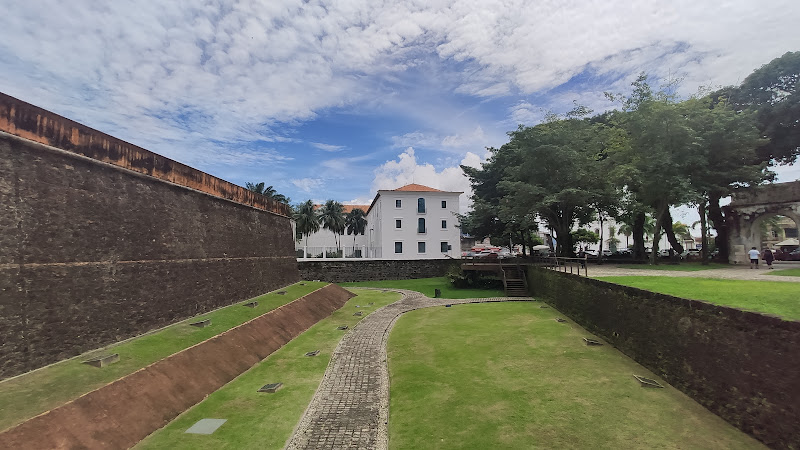
Standing guard over the Amazon waters since 1616, Presépio Fort represents one of those rare historical sites where you can actually feel the weight of centuries pressing down around you. This isn't your typical museum experience where everything feels sanitized and distant. When visitors step through those fortress walls in Belém, they're walking into a place that's witnessed Portuguese colonial ambition, countless battles, and the complex story of indigenous peoples who called this region home long before any European ship appeared on the horizon. The fortress itself commands attention from its waterfront position, and honestly, it's hard not to be impressed by the engineering that went into building something this substantial over four hundred years ago. The Portuguese knew what they were doing when they selected this spot – it gave them control over river access and served as a first line of defense for the colony. But what makes Presépio Fort particularly fascinating today is how it's evolved beyond its military origins to become a cultural institution dedicated to preserving and sharing the stories of Amazonian indigenous communities. Inside these historic walls, the museum collection focuses on native indigenous culture, offering perspectives that you won't find in many other Brazilian institutions. And that's kind of the point, really. Too often, colonial fortresses only tell the story from one angle, celebrating the conquerors while glossing over the devastating impact on original inhabitants. Presépio Fort attempts to do something different, though whether it fully succeeds is something each visitor will need to judge for themselves. The architecture alone makes the journey worthwhile. Those thick stone walls have survived tropical storms, political upheavals, and the relentless Amazon climate. Walking through the corridors and ascending to the ramparts gives you genuine insight into what military life must have been like during colonial times – probably not very comfortable, if we're being honest.Key Features
Visitors to Presépio Fort will discover several elements that distinguish this historical landmark from other attractions in the region: • The 17th-century military architecture showcases Portuguese colonial engineering at its finest, with strategic positioning that controlled river access for centuries • Indigenous cultural exhibitions present artifacts, tools, ceremonial objects, and interpretive displays that explore pre-colonial and contemporary native Amazonian life • Panoramic river views from the fortress ramparts offer spectacular photo opportunities and a genuine sense of why this location held such strategic importance • The wheelchair accessible facilities including entrance, parking, and restrooms make this historical site remarkably inclusive for visitors with mobility challenges • Free parking eliminates one of those annoying hidden costs that can make tourist attractions frustratingly expensive • The waterfront location provides cooling breezes even on hot days, making the outdoor exploration more comfortable than you might expect this close to the equator • Original fortress structures including defensive walls, guard towers, and military installations remain intact enough to spark the imagination • Educational programming suitable for families means kids can actually engage with history rather than just getting dragged through another boring adult museum • The compact size allows for a thorough visit without requiring an exhausting full-day commitmentBest Time to Visit
Timing your visit to Presépio Fort requires thinking about both weather patterns and crowd levels, and honestly, there's no perfect answer that works for everyone. The dry season, running roughly from June through November, offers the most comfortable conditions for exploring the outdoor portions of the fortress. You'll encounter less rain, which means you can actually spend time on the ramparts without getting drenched. Those Amazon downpours are no joke – I once got caught in one during a trip to the region, and within minutes I looked like I'd jumped fully clothed into a swimming pool. But here's the thing about the dry season: everyone else knows it's the best time too. Tourist numbers increase during these months, particularly during Brazilian school holidays in July. If you're the type who prefers experiencing historical sites without constantly dodging tour groups, you might want to consider the shoulder months like May or early December. The wet season from December through May certainly brings more precipitation, but it also brings fewer visitors and a certain dramatic atmosphere to the fortress. There's something almost cinematic about those heavy skies rolling in over the Amazon waters while you're standing on centuries-old battlements. Just bring appropriate rain gear and check weather forecasts before planning your visit. Weekday mornings typically see lighter crowds than weekend afternoons, regardless of season. If your schedule allows flexibility, arriving shortly after opening gives you the best chance to explore at your own pace without feeling rushed or crowded. Temperature-wise, Belém stays pretty consistently warm year-round – we're talking averages in the high 70s to mid-80s Fahrenheit. The humidity though, that's the real challenge. Early morning visits before the full heat of the day sets in can make the experience significantly more pleasant.How to Get There
Getting yourself to Presépio Fort is refreshingly straightforward compared to some historical sites that seem intentionally hidden from modern civilization. The fortress sits in Belém's historic center, making it accessible from most parts of the city without requiring an epic journey. If you're staying in the central tourist district, you might even be within walking distance, though the Amazon heat makes that option less appealing than it sounds on paper. Taxis and ride-sharing services operate throughout Belém, and drivers generally know the fortress well – it's not some obscure location you'll need to explain. Just say "Forte do Presépio" and you should be fine. The free parking lot is a genuine blessing if you've rented a car, eliminating the usual scramble to find street parking near popular attractions. Public buses serve the historic center, though navigating Belém's bus system requires either local knowledge or a willingness to ask for help. The locals are generally friendly about giving directions, even if your Portuguese is limited to "obrigado" and ordering coffee. Many visitors combine Presépio Fort with other nearby attractions in the historic district, creating a walking tour that includes the Ver-o-Peso market and several colonial churches. This clustering of sites makes geographic sense and maximizes your time in the area. If you're arriving from outside Belém, the Val-de-Cans International Airport serves the city with connections to major Brazilian hubs and some international destinations. From the airport, the fortress is roughly a 30-45 minute drive depending on traffic conditions.Tips for Visiting
After considering both the practical realities and the experiences of thousands of visitors, here are some insights that'll help make your visit to Presépio Fort more rewarding. Bring water. This seems obvious, but you'd be surprised how many people underestimate the Amazon climate. There's no restaurant on-site, and while restrooms are available, you won't find food or beverage vendors inside. Staying hydrated makes a huge difference in your ability to enjoy the experience without feeling wiped out. Wear comfortable walking shoes with good traction. Those fortress stones have been polished smooth by centuries of foot traffic and occasional rain. Flip-flops might seem appropriate for the tropical climate, but they're not ideal for exploring uneven historic surfaces. Allow yourself at least 90 minutes to two hours for a proper visit. You could rush through in less time, but what's the point? The museum exhibits deserve attention, and the fortress itself rewards slower exploration. Some of the most interesting details are easy to miss if you're racing through. Photography enthusiasts should time their visit for morning light, which illuminates the fortress and river beautifully. The afternoon sun can create harsh shadows that don't do the architecture justice. Engage with the indigenous culture exhibits thoughtfully. These aren't just random artifacts behind glass – they represent living traditions and communities that continue to exist throughout the Amazon. Taking time to read the interpretive materials adds context that transforms the experience from simple sightseeing into something more meaningful. If you're visiting with children, the fort's military history aspects tend to capture kids' imaginations more than typical museum displays. Play up the fortress angle, let them imagine defending the walls, and they'll be more engaged than you might expect. The wheelchair accessibility is genuinely good here, but calling ahead to confirm current conditions never hurts. Maintenance and restoration work occasionally affects access to certain areas. Don't skip the ramparts and exterior portions of the fortress while focusing solely on the museum interior. The views and architectural elements outside are equally important to the full experience. Consider hiring a local guide if you really want deep historical context. While the exhibits provide basic information, a knowledgeable guide can share stories and details that bring the fortress to life in ways that static displays simply can't match. Check opening hours before your visit and confirm whether there are any special closures for holidays or events. Nothing's more frustrating than showing up to find an unexpected closure. The fort's position means breezes can be stronger than expected, particularly on the ramparts. If you're wearing a hat, make sure it's secured, or you might watch it sail off into the Amazon.Key Features
- Key Features
- Best Time to Visit
- How to Get There
- Tips for Visiting
More Details
Updated March 30, 2026
Table of Contents
Description
Standing guard over the Amazon waters since 1616, Presépio Fort represents one of those rare historical sites where you can actually feel the weight of centuries pressing down around you. This isn’t your typical museum experience where everything feels sanitized and distant. When visitors step through those fortress walls in Belém, they’re walking into a place that’s witnessed Portuguese colonial ambition, countless battles, and the complex story of indigenous peoples who called this region home long before any European ship appeared on the horizon.
The fortress itself commands attention from its waterfront position, and honestly, it’s hard not to be impressed by the engineering that went into building something this substantial over four hundred years ago. The Portuguese knew what they were doing when they selected this spot – it gave them control over river access and served as a first line of defense for the colony. But what makes Presépio Fort particularly fascinating today is how it’s evolved beyond its military origins to become a cultural institution dedicated to preserving and sharing the stories of Amazonian indigenous communities.
Inside these historic walls, the museum collection focuses on native indigenous culture, offering perspectives that you won’t find in many other Brazilian institutions. And that’s kind of the point, really. Too often, colonial fortresses only tell the story from one angle, celebrating the conquerors while glossing over the devastating impact on original inhabitants. Presépio Fort attempts to do something different, though whether it fully succeeds is something each visitor will need to judge for themselves.
The architecture alone makes the journey worthwhile. Those thick stone walls have survived tropical storms, political upheavals, and the relentless Amazon climate. Walking through the corridors and ascending to the ramparts gives you genuine insight into what military life must have been like during colonial times – probably not very comfortable, if we’re being honest.
Key Features
Visitors to Presépio Fort will discover several elements that distinguish this historical landmark from other attractions in the region:
• The 17th-century military architecture showcases Portuguese colonial engineering at its finest, with strategic positioning that controlled river access for centuries
• Indigenous cultural exhibitions present artifacts, tools, ceremonial objects, and interpretive displays that explore pre-colonial and contemporary native Amazonian life
• Panoramic river views from the fortress ramparts offer spectacular photo opportunities and a genuine sense of why this location held such strategic importance
• The wheelchair accessible facilities including entrance, parking, and restrooms make this historical site remarkably inclusive for visitors with mobility challenges
• Free parking eliminates one of those annoying hidden costs that can make tourist attractions frustratingly expensive
• The waterfront location provides cooling breezes even on hot days, making the outdoor exploration more comfortable than you might expect this close to the equator
• Original fortress structures including defensive walls, guard towers, and military installations remain intact enough to spark the imagination
• Educational programming suitable for families means kids can actually engage with history rather than just getting dragged through another boring adult museum
• The compact size allows for a thorough visit without requiring an exhausting full-day commitment
Best Time to Visit
Timing your visit to Presépio Fort requires thinking about both weather patterns and crowd levels, and honestly, there’s no perfect answer that works for everyone.
The dry season, running roughly from June through November, offers the most comfortable conditions for exploring the outdoor portions of the fortress. You’ll encounter less rain, which means you can actually spend time on the ramparts without getting drenched. Those Amazon downpours are no joke – I once got caught in one during a trip to the region, and within minutes I looked like I’d jumped fully clothed into a swimming pool.
But here’s the thing about the dry season: everyone else knows it’s the best time too. Tourist numbers increase during these months, particularly during Brazilian school holidays in July. If you’re the type who prefers experiencing historical sites without constantly dodging tour groups, you might want to consider the shoulder months like May or early December.
The wet season from December through May certainly brings more precipitation, but it also brings fewer visitors and a certain dramatic atmosphere to the fortress. There’s something almost cinematic about those heavy skies rolling in over the Amazon waters while you’re standing on centuries-old battlements. Just bring appropriate rain gear and check weather forecasts before planning your visit.
Weekday mornings typically see lighter crowds than weekend afternoons, regardless of season. If your schedule allows flexibility, arriving shortly after opening gives you the best chance to explore at your own pace without feeling rushed or crowded.
Temperature-wise, Belém stays pretty consistently warm year-round – we’re talking averages in the high 70s to mid-80s Fahrenheit. The humidity though, that’s the real challenge. Early morning visits before the full heat of the day sets in can make the experience significantly more pleasant.
How to Get There
Getting yourself to Presépio Fort is refreshingly straightforward compared to some historical sites that seem intentionally hidden from modern civilization.
The fortress sits in Belém’s historic center, making it accessible from most parts of the city without requiring an epic journey. If you’re staying in the central tourist district, you might even be within walking distance, though the Amazon heat makes that option less appealing than it sounds on paper.
Taxis and ride-sharing services operate throughout Belém, and drivers generally know the fortress well – it’s not some obscure location you’ll need to explain. Just say “Forte do Presépio” and you should be fine. The free parking lot is a genuine blessing if you’ve rented a car, eliminating the usual scramble to find street parking near popular attractions.
Public buses serve the historic center, though navigating Belém’s bus system requires either local knowledge or a willingness to ask for help. The locals are generally friendly about giving directions, even if your Portuguese is limited to “obrigado” and ordering coffee.
Many visitors combine Presépio Fort with other nearby attractions in the historic district, creating a walking tour that includes the Ver-o-Peso market and several colonial churches. This clustering of sites makes geographic sense and maximizes your time in the area.
If you’re arriving from outside Belém, the Val-de-Cans International Airport serves the city with connections to major Brazilian hubs and some international destinations. From the airport, the fortress is roughly a 30-45 minute drive depending on traffic conditions.
Tips for Visiting
After considering both the practical realities and the experiences of thousands of visitors, here are some insights that’ll help make your visit to Presépio Fort more rewarding.
Bring water. This seems obvious, but you’d be surprised how many people underestimate the Amazon climate. There’s no restaurant on-site, and while restrooms are available, you won’t find food or beverage vendors inside. Staying hydrated makes a huge difference in your ability to enjoy the experience without feeling wiped out.
Wear comfortable walking shoes with good traction. Those fortress stones have been polished smooth by centuries of foot traffic and occasional rain. Flip-flops might seem appropriate for the tropical climate, but they’re not ideal for exploring uneven historic surfaces.
Allow yourself at least 90 minutes to two hours for a proper visit. You could rush through in less time, but what’s the point? The museum exhibits deserve attention, and the fortress itself rewards slower exploration. Some of the most interesting details are easy to miss if you’re racing through.
Photography enthusiasts should time their visit for morning light, which illuminates the fortress and river beautifully. The afternoon sun can create harsh shadows that don’t do the architecture justice.
Engage with the indigenous culture exhibits thoughtfully. These aren’t just random artifacts behind glass – they represent living traditions and communities that continue to exist throughout the Amazon. Taking time to read the interpretive materials adds context that transforms the experience from simple sightseeing into something more meaningful.
If you’re visiting with children, the fort’s military history aspects tend to capture kids’ imaginations more than typical museum displays. Play up the fortress angle, let them imagine defending the walls, and they’ll be more engaged than you might expect.
The wheelchair accessibility is genuinely good here, but calling ahead to confirm current conditions never hurts. Maintenance and restoration work occasionally affects access to certain areas.
Don’t skip the ramparts and exterior portions of the fortress while focusing solely on the museum interior. The views and architectural elements outside are equally important to the full experience.
Consider hiring a local guide if you really want deep historical context. While the exhibits provide basic information, a knowledgeable guide can share stories and details that bring the fortress to life in ways that static displays simply can’t match.
Check opening hours before your visit and confirm whether there are any special closures for holidays or events. Nothing’s more frustrating than showing up to find an unexpected closure.
The fort’s position means breezes can be stronger than expected, particularly on the ramparts. If you’re wearing a hat, make sure it’s secured, or you might watch it sail off into the Amazon.
Key Highlights
- Key Features
- Best Time to Visit
- How to Get There
- Tips for Visiting
Location
Places to Stay Near Presépio Fort
Find and Book a Tour
Explore More Travel Guides
No reviews found! Be the first to review!
Presépio Fort is a prominent museums located in Belém.
Visit us at: Praça Dom Frei Caetano Brandão, s/n – Cidade Velha, Belém – PA, 66020-600, Brazil.
Traveler Reviews for Presépio Fort
There are no reviews yet. Be the first one to write one.
Have you visited Presépio Fort? Help other travelers by sharing your review.
Find Accommodations Nearby
Recommended Tours & Activities
Visitor Reviews
There are no reviews yet. Be the first one to write one.
Share Your Experience
Have you visited Presépio Fort? Help other travelers by leaving a review.
