
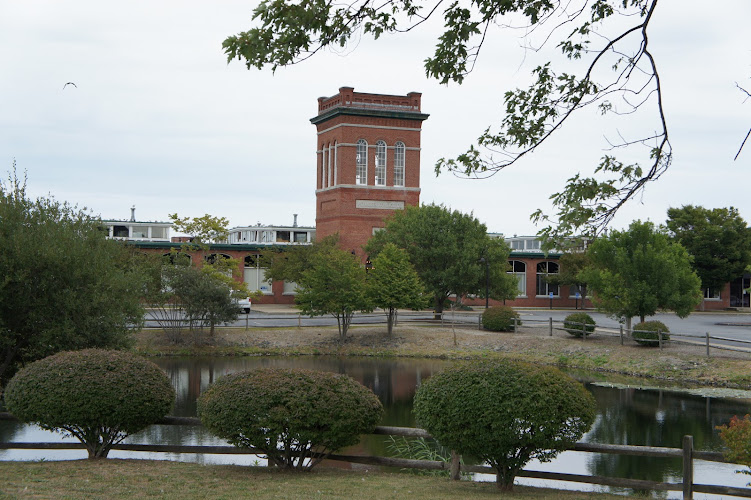
Plymouth Cordage Company Museum
About Plymouth Cordage Company Museum
Description
The Plymouth Cordage Company Museum tells a story that sits beside, but distinct from, the more famous Pilgrim tale of Plymouth. Housed in a former industrial complex, the museum preserves the legacy of what grew into one of the largest rope manufacturers in the world. It celebrates cordage — not as an abstract craft, but as an engine of community life, maritime trade, shipbuilding and everyday New England labor. Visitors will find the place both unexpectedly tactile and quietly powerful: coils of rope, heavy spools, the slow turning of historic machinery, and interpretive displays that connect fiber to freight, to sailors and to the town itself.
The museum focuses on rope making, cordage factory processes, and the social history of the workers who kept the plant humming. Exhibits present tools, twine samples, and photographs that show how ropes were spun, braided and stretched along a ropewalk — a long, narrow space where length matters. Attention to preservation gives the site an honest, lived-in feel: it looks like a factory paused mid-shift, which is the point. For travelers who like history with texture, this is the spot to actually touch industrial heritage, not just look at it behind glass.
Docents and volunteers often bring a human dimension to the exhibits. Many are locals with family stories about the factory; a volunteer might point out a photograph and say, they remember when that engine coughed to life on winter mornings. Those anecdotes make the museum feel like a neighborhood conversation turned into public history. The place is informative, yes, but also a slice of the town’s day-to-day memory — and that’s what keeps repeat visitors coming back.
While the museum highlights the technical side of cordage manufacture, it also touches on broader themes: industrialization in New England, labor and immigrant communities, and the maritime economy that relied on millions of feet of rope. Visitors who come expecting only machines will be pleasantly surprised by the human stories embedded throughout the displays. And for photographers or history buffs, the interplay of brick, iron and wooden machinery is quietly photogenic in a way that refuses to be overly dramatic; it is plainly beautiful in its utility.
Key Features
- Historic ropewalk displays showing traditional rope-making methods and the evolution to mechanized production
- Original factory machinery and interpretive panels explaining industrial processes
- Tactile exhibits where visitors can feel different types of cordage and twine
- Educational programs and demonstrations—often led by knowledgeable volunteers—geared toward school groups and curious adults
- Wheelchair accessible entrance, parking lot, and restroom facilities, making the site welcoming for visitors with mobility needs
- On-site parking for convenient access and shorter walks from car to entrance
- Family-friendly orientation with elements that engage children and encourage hands-on learning
- Collections of photographs, documents and artifacts that paint a social history of the workforce and the neighborhood
- Interactive interpretation that connects local manufacturing to wider maritime and industrial networks
Best Time to Visit
The museum works well as a half-day stop, and timing can make a big difference. Spring through early fall tends to be the most pleasant period to visit the area: the town’s waterfront and nearby attractions are active, the light is better for photos, and outdoor walking routes feel nicer. However, off-season visits in late fall and winter have a quieter charm; the building’s interiors and machine rooms take on a museum-of-memory atmosphere that some visitors prefer.
Weekdays in the shoulder seasons usually mean lighter crowds and more attentive time with docents. If a traveler wants demonstrations or guided comments, weekends often bring scheduled activities, though those can vary. The prudent visitor will check ahead — a quick phone call or email can save disappointment — because the demo schedule is maintained by a small, committed staff and volunteers, and it can change. For families, mid-morning visits tend to be best: kids are fresher and more willing to handle the hands-on parts of rope-making interpretation.
Weather matters only if the visit gets paired with other outdoor Plymouth attractions. If a traveler plans to combine the museum with a stroll along historic streets or a harbor visit, aim for dry days. But if the goal is purely museum-focused, any season offers a compelling dive into industrial history. The museum’s indoor spaces are heated and accessible, and that helps make winter visits perfectly reasonable.
How to Get There
The museum is located in the town of Plymouth, Massachusetts, and it is straightforward to reach by car from the greater Boston area in about an hour depending on traffic. Travelers coming from Boston should take the main southbound routes and then follow local signage into the town center; parking is available on site so unloading and getting inside is simple. For those using regional transit, there are commuter options and bus services that connect Plymouth to surrounding communities; a short ride-share or taxi from a local stop usually completes the journey.
Because the site occupies a former industrial complex, the layout is compact, with the main entrance close to the parking area. Visitors who prefer to minimize walking will appreciate that accessibility is a priority: ramps and an accessible restroom reduce hassles for people with mobility concerns. Travelers driving large vehicles should note that the lot is typical of small-town museums — roomy enough for ordinary cars and SUVs, but not built for oversized buses without advance coordination.
For people combining a visit with a longer New England itinerary, the museum is an easy stop between Boston and Cape Cod. It pairs well with maritime walks, historic house tours, and local food stops. But the museum can also stand alone as a destination if someone wants a focused look at industrial craft and regional manufacturing history without the bustle of the more tourist-heavy sites nearby.
Tips for Visiting
Allow at least 60–90 minutes for the museum. That’s enough time to take in the core exhibits, try any hands-on displays, and chat with staff or volunteers. If a traveler lingers over photographs and archival materials, two hours could pass quickly. The pace is relaxed; there is no forced route, so one can wander room to room in whatever sequence feels right.
Photography is generally welcomed for personal use, but visitors should ask staff if certain objects have restrictions. Also bring comfortable shoes: some floors are original factory wood and uneven in places — part of the character but not ideal for heels. Dress in layers if visiting in shoulder seasons, as older buildings can be cooler than modern museum spaces.
Families should take advantage of the hands-on elements and the way the exhibits connect to everyday tools and trades. Kids often respond to the physicality of rope-making — seeing a length of braided cord build before their eyes is oddly mesmerizing. If traveling with very young children, a short pre-visit chat with staff about family-friendly areas and restroom locations helps planning. The site’s restroom facilities are available and wheelchair accessible.
Visitors who have particular interests — textile history, maritime trade, industrial archaeology — might alert the museum in advance. The staff and volunteers are enthusiastic and, when possible, will point toward lesser-known documents or parts of the collection that align with a guest’s interest. It’s also smart to ask about seasonal demonstrations, workshops or special exhibits; these rotate and can elevate a routine visit into something memorable.
For history nerds who love details: take notes. There are small interpretive plaques and archival items that reveal the complexity of manufacturing, supply chains, and community ties. Reading those at a slow pace offers insights often missed on quick tours. And if someone wants to combine this museum with other local history visits, there are compact itineraries that pair well — but this museum deserves its own time slot. It’s not merely a pit stop; it’s an invitation to witness how rope once held whole economies together.
Finally, keep expectations realistic and open-minded. The museum is lovingly curated by a small institution; it’s not a sprawling metropolitan museum, and that intimacy is part of its charm. Many travelers come away surprised by how engaging the subject is. Some will say they learned something new about the region, industry, or material culture. Others will just enjoy the quiet drama of industrial machinery and the human stories threaded through the exhibits. Either reaction is valid, and both say something good about the place.
Key Features
- Historic ropewalk displays showing traditional rope-making methods and the evolution to mechanized production
- Original factory machinery and interpretive panels explaining industrial processes
- Tactile exhibits where visitors can feel different types of cordage and twine
- Educational programs and demonstrations—often led by knowledgeable volunteers—geared toward school groups and curious adults
- Wheelchair accessible entrance, parking lot, and restroom facilities, making the site welcoming for visitors with mobility needs
- On-site parking for convenient access and shorter walks from car to entrance
- Family-friendly orientation with elements that engage children and encourage hands-on learning
- Collections of photographs, documents and artifacts that paint a social history of the workforce and the neighborhood
More Details
Updated August 29, 2025
Table of Contents
Description
The Plymouth Cordage Company Museum tells a story that sits beside, but distinct from, the more famous Pilgrim tale of Plymouth. Housed in a former industrial complex, the museum preserves the legacy of what grew into one of the largest rope manufacturers in the world. It celebrates cordage — not as an abstract craft, but as an engine of community life, maritime trade, shipbuilding and everyday New England labor. Visitors will find the place both unexpectedly tactile and quietly powerful: coils of rope, heavy spools, the slow turning of historic machinery, and interpretive displays that connect fiber to freight, to sailors and to the town itself.
The museum focuses on rope making, cordage factory processes, and the social history of the workers who kept the plant humming. Exhibits present tools, twine samples, and photographs that show how ropes were spun, braided and stretched along a ropewalk — a long, narrow space where length matters. Attention to preservation gives the site an honest, lived-in feel: it looks like a factory paused mid-shift, which is the point. For travelers who like history with texture, this is the spot to actually touch industrial heritage, not just look at it behind glass.
Docents and volunteers often bring a human dimension to the exhibits. Many are locals with family stories about the factory; a volunteer might point out a photograph and say, they remember when that engine coughed to life on winter mornings. Those anecdotes make the museum feel like a neighborhood conversation turned into public history. The place is informative, yes, but also a slice of the town’s day-to-day memory — and that’s what keeps repeat visitors coming back.
While the museum highlights the technical side of cordage manufacture, it also touches on broader themes: industrialization in New England, labor and immigrant communities, and the maritime economy that relied on millions of feet of rope. Visitors who come expecting only machines will be pleasantly surprised by the human stories embedded throughout the displays. And for photographers or history buffs, the interplay of brick, iron and wooden machinery is quietly photogenic in a way that refuses to be overly dramatic; it is plainly beautiful in its utility.
Key Features
- Historic ropewalk displays showing traditional rope-making methods and the evolution to mechanized production
- Original factory machinery and interpretive panels explaining industrial processes
- Tactile exhibits where visitors can feel different types of cordage and twine
- Educational programs and demonstrations—often led by knowledgeable volunteers—geared toward school groups and curious adults
- Wheelchair accessible entrance, parking lot, and restroom facilities, making the site welcoming for visitors with mobility needs
- On-site parking for convenient access and shorter walks from car to entrance
- Family-friendly orientation with elements that engage children and encourage hands-on learning
- Collections of photographs, documents and artifacts that paint a social history of the workforce and the neighborhood
- Interactive interpretation that connects local manufacturing to wider maritime and industrial networks
Best Time to Visit
The museum works well as a half-day stop, and timing can make a big difference. Spring through early fall tends to be the most pleasant period to visit the area: the town’s waterfront and nearby attractions are active, the light is better for photos, and outdoor walking routes feel nicer. However, off-season visits in late fall and winter have a quieter charm; the building’s interiors and machine rooms take on a museum-of-memory atmosphere that some visitors prefer.
Weekdays in the shoulder seasons usually mean lighter crowds and more attentive time with docents. If a traveler wants demonstrations or guided comments, weekends often bring scheduled activities, though those can vary. The prudent visitor will check ahead — a quick phone call or email can save disappointment — because the demo schedule is maintained by a small, committed staff and volunteers, and it can change. For families, mid-morning visits tend to be best: kids are fresher and more willing to handle the hands-on parts of rope-making interpretation.
Weather matters only if the visit gets paired with other outdoor Plymouth attractions. If a traveler plans to combine the museum with a stroll along historic streets or a harbor visit, aim for dry days. But if the goal is purely museum-focused, any season offers a compelling dive into industrial history. The museum’s indoor spaces are heated and accessible, and that helps make winter visits perfectly reasonable.
How to Get There
The museum is located in the town of Plymouth, Massachusetts, and it is straightforward to reach by car from the greater Boston area in about an hour depending on traffic. Travelers coming from Boston should take the main southbound routes and then follow local signage into the town center; parking is available on site so unloading and getting inside is simple. For those using regional transit, there are commuter options and bus services that connect Plymouth to surrounding communities; a short ride-share or taxi from a local stop usually completes the journey.
Because the site occupies a former industrial complex, the layout is compact, with the main entrance close to the parking area. Visitors who prefer to minimize walking will appreciate that accessibility is a priority: ramps and an accessible restroom reduce hassles for people with mobility concerns. Travelers driving large vehicles should note that the lot is typical of small-town museums — roomy enough for ordinary cars and SUVs, but not built for oversized buses without advance coordination.
For people combining a visit with a longer New England itinerary, the museum is an easy stop between Boston and Cape Cod. It pairs well with maritime walks, historic house tours, and local food stops. But the museum can also stand alone as a destination if someone wants a focused look at industrial craft and regional manufacturing history without the bustle of the more tourist-heavy sites nearby.
Tips for Visiting
Allow at least 60–90 minutes for the museum. That’s enough time to take in the core exhibits, try any hands-on displays, and chat with staff or volunteers. If a traveler lingers over photographs and archival materials, two hours could pass quickly. The pace is relaxed; there is no forced route, so one can wander room to room in whatever sequence feels right.
Photography is generally welcomed for personal use, but visitors should ask staff if certain objects have restrictions. Also bring comfortable shoes: some floors are original factory wood and uneven in places — part of the character but not ideal for heels. Dress in layers if visiting in shoulder seasons, as older buildings can be cooler than modern museum spaces.
Families should take advantage of the hands-on elements and the way the exhibits connect to everyday tools and trades. Kids often respond to the physicality of rope-making — seeing a length of braided cord build before their eyes is oddly mesmerizing. If traveling with very young children, a short pre-visit chat with staff about family-friendly areas and restroom locations helps planning. The site’s restroom facilities are available and wheelchair accessible.
Visitors who have particular interests — textile history, maritime trade, industrial archaeology — might alert the museum in advance. The staff and volunteers are enthusiastic and, when possible, will point toward lesser-known documents or parts of the collection that align with a guest’s interest. It’s also smart to ask about seasonal demonstrations, workshops or special exhibits; these rotate and can elevate a routine visit into something memorable.
For history nerds who love details: take notes. There are small interpretive plaques and archival items that reveal the complexity of manufacturing, supply chains, and community ties. Reading those at a slow pace offers insights often missed on quick tours. And if someone wants to combine this museum with other local history visits, there are compact itineraries that pair well — but this museum deserves its own time slot. It’s not merely a pit stop; it’s an invitation to witness how rope once held whole economies together.
Finally, keep expectations realistic and open-minded. The museum is lovingly curated by a small institution; it’s not a sprawling metropolitan museum, and that intimacy is part of its charm. Many travelers come away surprised by how engaging the subject is. Some will say they learned something new about the region, industry, or material culture. Others will just enjoy the quiet drama of industrial machinery and the human stories threaded through the exhibits. Either reaction is valid, and both say something good about the place.
Key Highlights
- Historic ropewalk displays showing traditional rope-making methods and the evolution to mechanized production
- Original factory machinery and interpretive panels explaining industrial processes
- Tactile exhibits where visitors can feel different types of cordage and twine
- Educational programs and demonstrations—often led by knowledgeable volunteers—geared toward school groups and curious adults
- Wheelchair accessible entrance, parking lot, and restroom facilities, making the site welcoming for visitors with mobility needs
- On-site parking for convenient access and shorter walks from car to entrance
- Family-friendly orientation with elements that engage children and encourage hands-on learning
- Collections of photographs, documents and artifacts that paint a social history of the workforce and the neighborhood
Location
Places to Stay Near Plymouth Cordage Company Museum
Find and Book a Tour
Explore More Travel Guides
No reviews found! Be the first to review!
Traveler Reviews for Plymouth Cordage Company Museum
There are no reviews yet. Be the first one to write one.
Have you visited Plymouth Cordage Company Museum? Help other travelers by sharing your review.
You Might Also Like
Brewster Gardens
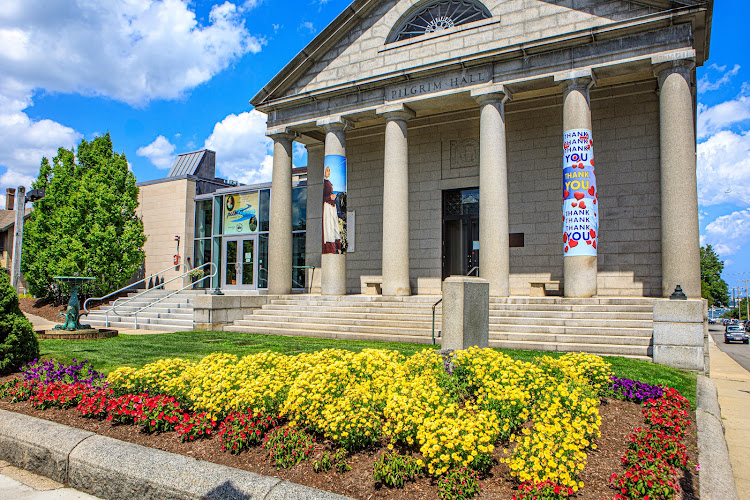
Pilgrim Hall Museum
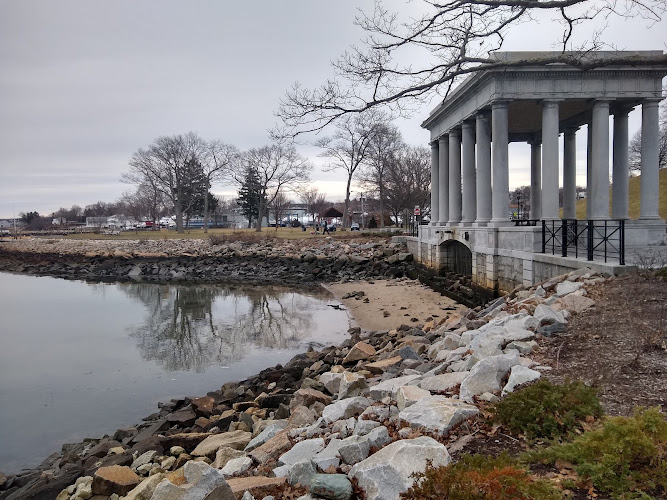
Pilgrim Memorial State Park
Find Accommodations Nearby
Recommended Tours & Activities
Visitor Reviews
There are no reviews yet. Be the first one to write one.
Share Your Experience
Have you visited Plymouth Cordage Company Museum? Help other travelers by leaving a review.