
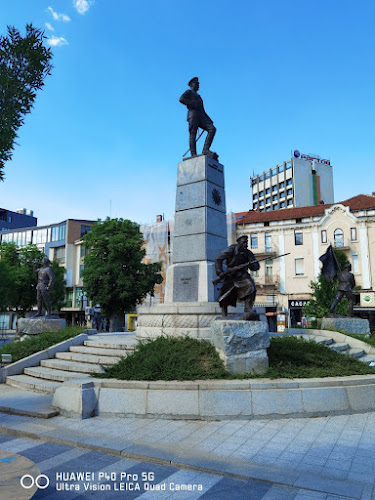
Pleven Province
About Pleven Province
Description
Pleven Province sits in Bulgaria's central northern region like a historical treasure chest that most travelers somehow manage to overlook. And honestly? That's their loss. This province stretches along the mighty Danube River, creating a natural border with Romania while being surrounded by the Bulgarian provinces of Vratsa, Veliko Tarnovo, and Lovech. What strikes you first about Pleven Province isn't just its strategic location—though being positioned between major European trade routes certainly shaped its fascinating past—but how it manages to blend military history with unexpected natural beauty. I remember first hearing about this place from a Bulgarian friend who insisted it was "where real history happened," and after spending time there, I couldn't argue with that assessment. The province carries the weight of significant historical events, particularly from the Russo-Turkish War of 1877-1878, yet it doesn't feel like a dusty museum. Instead, you'll find a living landscape where modern Bulgarian life unfolds against backdrops of ancient fortresses and rolling plains that seem to stretch endlessly toward the Danube.Key Features
The standout attractions in Pleven Province offer experiences you simply won't find replicated elsewhere in Bulgaria: • Pleven Panorama - This architectural marvel houses one of the world's most impressive battle panoramas, depicting the Siege of Pleven in stunning 360-degree detail that makes you feel like you're standing in the middle of 19th-century warfare • Kaylaka Park - A sprawling natural reserve where limestone cliffs meet peaceful lakes, creating perfect spots for hiking, picnicking, or just escaping the crowds that plague more famous Bulgarian destinations • Archaeological complexes - Ancient Thracian and Roman settlements dot the landscape, offering glimpses into civilizations that thrived here thousands of years ago • Danube River access - The northern border provides opportunities for river activities, fishing, and cross-border exploration into Romania • Traditional villages - Authentic Bulgarian rural communities where traditional crafts, cuisine, and customs continue largely unchanged by mass tourism • Wine regions - Lesser-known vineyards producing distinctive Bulgarian wines that rival more famous European wine regions but at fraction of the cost • Thermal springs - Natural hot springs scattered throughout the province offer therapeutic benefits and relaxation opportunitiesBest Time to Visit
Timing your visit to Pleven Province can make or break your experience, and I've learned this the hard way. The sweet spot really depends on what you're after, but here's the honest breakdown: Late spring (April-May) emerges as the goldilocks season—not too hot, not too cold, just right. The countryside explodes in wildflowers, making those Instagram shots practically take themselves. Plus, you'll avoid the summer crowds that descend on more popular Bulgarian destinations. Summer (June-August) brings warm weather perfect for outdoor activities, but it can get surprisingly hot, especially during July. The Danube becomes more appealing during these months, and all tourist facilities operate at full capacity. However, expect higher prices and more visitors. Early autumn (September-October) might actually be my personal favorite time. The harvest season brings wine festivals, comfortable temperatures, and that golden light photographers dream about. Local markets overflow with fresh produce, and there's something magical about exploring historical sites without summer's oppressive heat. Winter (November-March) transforms the province into something completely different. While many outdoor activities become challenging, the historical sites take on an almost mystical quality. Indoor attractions like the Pleven Panorama become more appealing, and you'll have most places practically to yourself. Just pack warm clothes—Bulgarian winters don't mess around. Spring and early autumn consistently offer the best balance of weather, accessibility, and value for money.How to Get There
Getting to Pleven Province requires some planning, but it's far from impossible. Sofia, Bulgaria's capital, serves as your main gateway, located roughly 150 kilometers southeast of Pleven city. By car offers the most flexibility and honestly, it's how I'd recommend traveling if you want to truly explore the province. The drive from Sofia takes about 2.5 hours via the A1/E70 highway, and having your own wheels means you can venture into those charming villages and natural areas that public transport simply doesn't reach. Rental cars in Bulgaria are reasonably priced, and the roads are generally well-maintained. By bus provides a budget-friendly alternative. Regular services connect Sofia to Pleven city, with several departures daily. The journey takes around 3 hours, and tickets cost significantly less than renting a car. But you'll be somewhat limited in terms of exploring the broader province. By train exists as an option, though it's slower and less convenient than buses. The railway connection between Sofia and Pleven runs several times daily, but the journey can stretch to 4 hours depending on connections. If you're coming from international destinations, Sofia Airport handles most major European carriers. From there, you can rent a car or catch ground transportation to Pleven Province. Some travelers also enter via Bucharest, Romania, especially if they're doing a multi-country Balkan tour.Tips for Visiting
After multiple visits to Pleven Province, I've gathered some insights that can significantly improve your experience: Learn basic Bulgarian phrases - While younger people in tourist areas might speak English, many locals, especially in rural areas, don't. A few words in Bulgarian opens doors and hearts. "Blagodarya" (thank you) and "Izvinete" (excuse me) go a long way. Carry cash - Credit cards aren't universally accepted, particularly in smaller villages and local restaurants. Bulgarian lev is the currency, and ATMs are readily available in Pleven city but scarcer in rural areas. Plan for limited tourist infrastructure - This isn't Dubrovnik or Prague. Tourist information can be scarce, English signage limited, and opening hours unpredictable, especially during off-season. Research ahead and have backup plans. Dress appropriately for historical sites - Many churches and religious sites require modest clothing. Pack something to cover shoulders and legs, even during summer. Try the local cuisine - Skip the international chains and seek out traditional Bulgarian restaurants. The food is hearty, authentic, and incredibly affordable. Shopska salad, banitsa, and local wines shouldn't be missed. Respect photography rules - Some historical sites and museums prohibit photography or charge extra fees. Always ask before snapping photos, especially in religious buildings. Download offline maps - Cell coverage can be spotty in rural areas, and GPS might lead you astray on smaller roads. Having offline maps saved on your phone prevents getting lost in the Bulgarian countryside. Book accommodation in advance during events - While Pleven Province isn't overrun with tourists, local festivals and events can fill up the limited accommodation options quickly. The key to truly appreciating Pleven Province lies in approaching it with curiosity rather than expectations. It won't overwhelm you with postcard-perfect scenes, but it will reward patient exploration with authentic experiences that feel increasingly rare in our over-touristed world.Key Features
- Key Features
- Best Time to Visit
- How to Get There
- Tips for Visiting
More Details
Updated September 14, 2025
Table of Contents
Description
Pleven Province sits in Bulgaria’s central northern region like a historical treasure chest that most travelers somehow manage to overlook. And honestly? That’s their loss. This province stretches along the mighty Danube River, creating a natural border with Romania while being surrounded by the Bulgarian provinces of Vratsa, Veliko Tarnovo, and Lovech.
What strikes you first about Pleven Province isn’t just its strategic location—though being positioned between major European trade routes certainly shaped its fascinating past—but how it manages to blend military history with unexpected natural beauty. I remember first hearing about this place from a Bulgarian friend who insisted it was “where real history happened,” and after spending time there, I couldn’t argue with that assessment.
The province carries the weight of significant historical events, particularly from the Russo-Turkish War of 1877-1878, yet it doesn’t feel like a dusty museum. Instead, you’ll find a living landscape where modern Bulgarian life unfolds against backdrops of ancient fortresses and rolling plains that seem to stretch endlessly toward the Danube.
Key Features
The standout attractions in Pleven Province offer experiences you simply won’t find replicated elsewhere in Bulgaria:
• Pleven Panorama – This architectural marvel houses one of the world’s most impressive battle panoramas, depicting the Siege of Pleven in stunning 360-degree detail that makes you feel like you’re standing in the middle of 19th-century warfare
• Kaylaka Park – A sprawling natural reserve where limestone cliffs meet peaceful lakes, creating perfect spots for hiking, picnicking, or just escaping the crowds that plague more famous Bulgarian destinations
• Archaeological complexes – Ancient Thracian and Roman settlements dot the landscape, offering glimpses into civilizations that thrived here thousands of years ago
• Danube River access – The northern border provides opportunities for river activities, fishing, and cross-border exploration into Romania
• Traditional villages – Authentic Bulgarian rural communities where traditional crafts, cuisine, and customs continue largely unchanged by mass tourism
• Wine regions – Lesser-known vineyards producing distinctive Bulgarian wines that rival more famous European wine regions but at fraction of the cost
• Thermal springs – Natural hot springs scattered throughout the province offer therapeutic benefits and relaxation opportunities
Best Time to Visit
Timing your visit to Pleven Province can make or break your experience, and I’ve learned this the hard way. The sweet spot really depends on what you’re after, but here’s the honest breakdown:
Late spring (April-May) emerges as the goldilocks season—not too hot, not too cold, just right. The countryside explodes in wildflowers, making those Instagram shots practically take themselves. Plus, you’ll avoid the summer crowds that descend on more popular Bulgarian destinations.
Summer (June-August) brings warm weather perfect for outdoor activities, but it can get surprisingly hot, especially during July. The Danube becomes more appealing during these months, and all tourist facilities operate at full capacity. However, expect higher prices and more visitors.
Early autumn (September-October) might actually be my personal favorite time. The harvest season brings wine festivals, comfortable temperatures, and that golden light photographers dream about. Local markets overflow with fresh produce, and there’s something magical about exploring historical sites without summer’s oppressive heat.
Winter (November-March) transforms the province into something completely different. While many outdoor activities become challenging, the historical sites take on an almost mystical quality. Indoor attractions like the Pleven Panorama become more appealing, and you’ll have most places practically to yourself. Just pack warm clothes—Bulgarian winters don’t mess around.
Spring and early autumn consistently offer the best balance of weather, accessibility, and value for money.
How to Get There
Getting to Pleven Province requires some planning, but it’s far from impossible. Sofia, Bulgaria’s capital, serves as your main gateway, located roughly 150 kilometers southeast of Pleven city.
By car offers the most flexibility and honestly, it’s how I’d recommend traveling if you want to truly explore the province. The drive from Sofia takes about 2.5 hours via the A1/E70 highway, and having your own wheels means you can venture into those charming villages and natural areas that public transport simply doesn’t reach. Rental cars in Bulgaria are reasonably priced, and the roads are generally well-maintained.
By bus provides a budget-friendly alternative. Regular services connect Sofia to Pleven city, with several departures daily. The journey takes around 3 hours, and tickets cost significantly less than renting a car. But you’ll be somewhat limited in terms of exploring the broader province.
By train exists as an option, though it’s slower and less convenient than buses. The railway connection between Sofia and Pleven runs several times daily, but the journey can stretch to 4 hours depending on connections.
If you’re coming from international destinations, Sofia Airport handles most major European carriers. From there, you can rent a car or catch ground transportation to Pleven Province. Some travelers also enter via Bucharest, Romania, especially if they’re doing a multi-country Balkan tour.
Tips for Visiting
After multiple visits to Pleven Province, I’ve gathered some insights that can significantly improve your experience:
Learn basic Bulgarian phrases – While younger people in tourist areas might speak English, many locals, especially in rural areas, don’t. A few words in Bulgarian opens doors and hearts. “Blagodarya” (thank you) and “Izvinete” (excuse me) go a long way.
Carry cash – Credit cards aren’t universally accepted, particularly in smaller villages and local restaurants. Bulgarian lev is the currency, and ATMs are readily available in Pleven city but scarcer in rural areas.
Plan for limited tourist infrastructure – This isn’t Dubrovnik or Prague. Tourist information can be scarce, English signage limited, and opening hours unpredictable, especially during off-season. Research ahead and have backup plans.
Dress appropriately for historical sites – Many churches and religious sites require modest clothing. Pack something to cover shoulders and legs, even during summer.
Try the local cuisine – Skip the international chains and seek out traditional Bulgarian restaurants. The food is hearty, authentic, and incredibly affordable. Shopska salad, banitsa, and local wines shouldn’t be missed.
Respect photography rules – Some historical sites and museums prohibit photography or charge extra fees. Always ask before snapping photos, especially in religious buildings.
Download offline maps – Cell coverage can be spotty in rural areas, and GPS might lead you astray on smaller roads. Having offline maps saved on your phone prevents getting lost in the Bulgarian countryside.
Book accommodation in advance during events – While Pleven Province isn’t overrun with tourists, local festivals and events can fill up the limited accommodation options quickly.
The key to truly appreciating Pleven Province lies in approaching it with curiosity rather than expectations. It won’t overwhelm you with postcard-perfect scenes, but it will reward patient exploration with authentic experiences that feel increasingly rare in our over-touristed world.
Key Highlights
- Key Features
- Best Time to Visit
- How to Get There
- Tips for Visiting
Location
Places to Stay Near Pleven Province
Find and Book a Tour
Explore More Travel Guides
No reviews found! Be the first to review!
Traveler Reviews for Pleven Province
There are no reviews yet. Be the first one to write one.
Have you visited Pleven Province? Help other travelers by sharing your review.
You Might Also Like
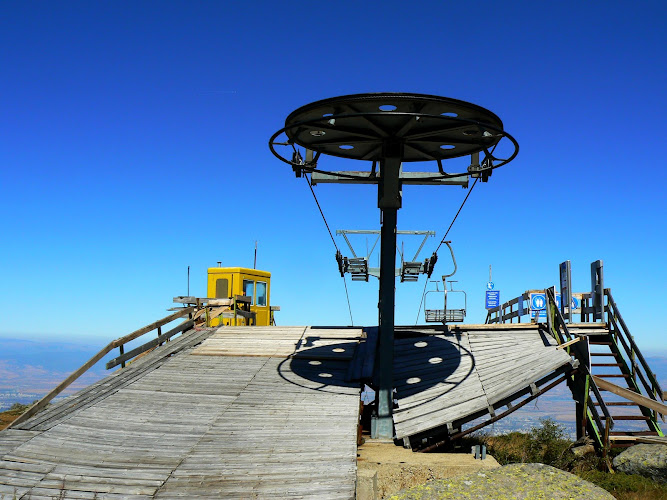
Lift Vitoshko Lale - Upper Station
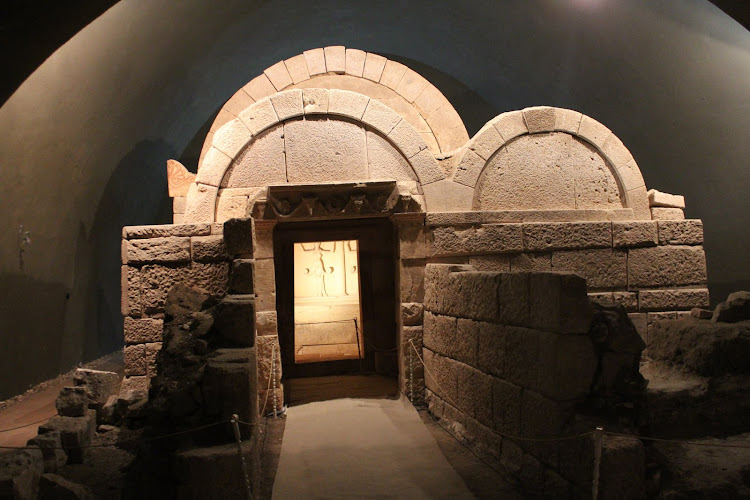
Thracian Tomb of Sveshtari UNESCO World Heritage Site

Haskovo Province
Find Accommodations Nearby
Recommended Tours & Activities
Visitor Reviews
There are no reviews yet. Be the first one to write one.
Share Your Experience
Have you visited Pleven Province? Help other travelers by leaving a review.