About Devetashka Cave

Description

Devetashka Cave stands as one of Bulgaria's most remarkable natural wonders, though honestly, it's not your typical tourist trap that's been sanitized for mass consumption. This massive karst cave system stretches deep into the earth about 15 kilometers northeast of Lovech, and when I say massive, I mean it - we're talking about caverns so large they could house a small village.

What makes this place truly special isn't just its size, but its incredible history. The cave has been home to humans for tens of thousands of years, serving as shelter during some of humanity's earliest chapters. And that's not even mentioning its current residents - nearly 30,000 bats call this place home, making it one of Europe's most important bat habitats. You might think that sounds creepy, but trust me, watching these creatures in their natural environment is pretty extraordinary.

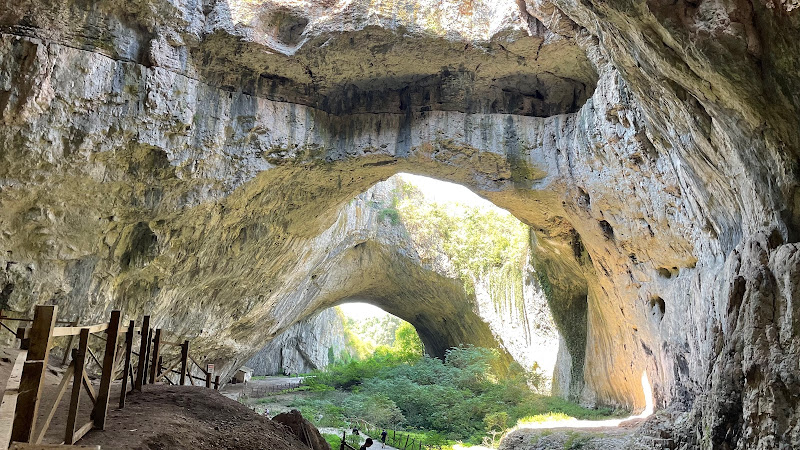
The cave gained some Hollywood fame when it served as a filming location, but that's almost beside the point. What really draws people here is the raw, unpolished beauty of the place. Unlike some caves that have been turned into commercial attractions with artificial lighting and paved walkways, Devetashka maintains much of its wild character. You'll find yourself walking through chambers that feel more like natural cathedrals, with massive openings that let in dramatic shafts of sunlight.

Located near the village of Devetaki on the east bank of the Osam River, this isn't exactly a quick roadside stop. Getting there requires some commitment - either a bumpy ride down a dirt road or a scenic hike along the riverside path. But that's part of what keeps it authentic.

Key Features

The cave offers several distinctive characteristics that set it apart from other underground attractions across Europe:

  • Enormous scale - The main chambers are so vast you could fit multiple aircraft inside, which actually happened during filming
  • Multiple natural openings - Seven large holes in the ceiling create a unique lighting system that changes throughout the day
  • Archaeological significance - Continuous human habitation spanning over 70,000 years, with artifacts still being discovered
  • Massive bat colony - Home to 15 different bat species, making it a crucial European conservation site
  • Underground river system - The Osam River flows through portions of the cave, creating stunning water features
  • Natural acoustics - The cave's structure creates remarkable sound effects that have been used for concerts and recordings
  • Paleolithic cave paintings - Ancient artwork adorns some of the deeper chambers, though access is restricted to protect them
  • Year-round constant temperature - Maintains a steady 11°C (52°F) regardless of outside weather
  • Unique geological formations - Stalactites and stalagmites in various stages of development throughout different chambers
  • Wildlife habitat - Beyond bats, the cave supports various endemic species found nowhere else in Bulgaria

Best Time to Visit

Here's where things get a bit tricky, and I'll be straight with you about the timing. The cave is technically accessible year-round, but your experience can vary dramatically depending on when you show up.

Spring and early summer, particularly May through July, offer the most comfortable conditions. The weather's pleasant for the hike in, and you won't be dealing with muddy paths or icy conditions. But here's the thing - this is also when the bats are most active with their breeding season, which means certain areas might be off-limits to protect the colony.

Late summer and early autumn can be ideal if you don't mind slightly cooler temperatures inside the cave. The constant 11°C actually feels refreshing when it's hot outside. September and October are particularly good because the summer crowds have thinned out, but the weather's still decent for exploring.

Winter visits are possible, though I'd only recommend them for more experienced cave explorers. The paths can become treacherous, and the contrast between the cold outside air and the cave's interior creates some interesting but potentially uncomfortable conditions. However, if you're into photography, winter can provide some stunning atmospheric shots with fog and mist effects.

Avoid visiting during heavy rain periods - the dirt road becomes nearly impassable, and the riverside path can be dangerous. The cave itself might have higher water levels, restricting access to certain areas.

Early morning visits, regardless of season, tend to offer the best lighting conditions as sunlight streams through those natural openings. The interplay of light and shadow creates almost mystical conditions that change throughout the day.

How to Get There

Getting to Devetashka Cave requires some planning, and honestly, it's not the most straightforward journey. But that's part of what keeps it authentic and less crowded than some other attractions.

From Sofia, you're looking at roughly a 2-hour drive to the general area. Take the A1 highway toward Pleven, then switch to the A3 toward Lovech. From Lovech, it's about 15 kilometers to the cave, but those final kilometers are where things get interesting.

You have two main options for the final approach. The dirt road route is more direct but requires a vehicle with decent ground clearance - and I mean that seriously. Regular passenger cars can make it during dry conditions, but anything resembling bad weather makes this route challenging. The road winds through farmland and can be quite rough in places.

The alternative is parking near Devetaki village and taking the riverside footpath. This involves about a 30-minute walk along the Osam River, and while it's more scenic, it's also more time-consuming. The path can be muddy after rain and isn't always clearly marked, so some navigation skills help.

Public transportation to the immediate area is limited, though you can catch buses to Lovech and then arrange local transportation. Some tour operators run day trips from Sofia that include transportation, which might be worth considering if you're not comfortable with the driving situation.

If you're coming from Plovdiv or other southern Bulgarian cities, expect to add another hour or so to your journey. The mountain roads can be winding, so factor in extra time and don't try to rush the trip.

Tips for Visiting

Based on what I've learned about this place, here are some practical insights that'll make your visit much more enjoyable and safe.

First thing - bring proper footwear. And I don't mean your regular sneakers. The cave floors can be slippery, uneven, and sometimes wet. Hiking boots with good grip are essential. I've heard too many stories of people slipping on the smooth limestone surfaces.

Lighting is crucial, and the natural light only goes so far into the cave system. Bring multiple flashlights or headlamps, plus extra batteries. Your phone's flashlight won't cut it for serious exploration. The deeper chambers are pitch black without artificial light.

Dress in layers and bring a jacket, even in summer. That constant 11°C feels great for about 15 minutes, then it starts feeling pretty chilly. Especially if you're planning to spend significant time inside exploring different chambers.

The bat situation deserves special mention. These aren't aggressive creatures, but they are protected, and disturbing them can result in serious fines. Keep noise levels down, don't use flash photography, and respect any barriers or restricted areas. The colony is crucial for the local ecosystem.

Water and snacks are smart to bring, particularly if you're hiking in via the riverside path. There aren't facilities right at the cave entrance, though basic restrooms are available.

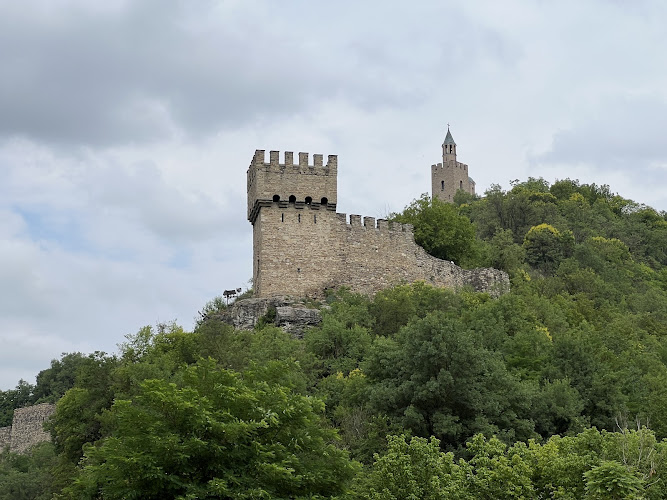
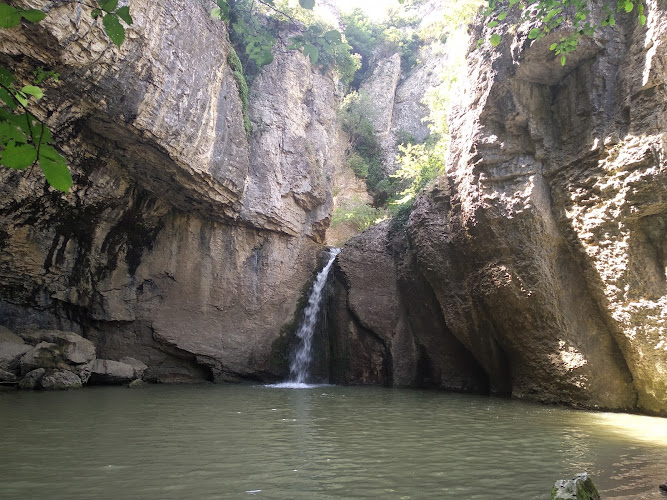
Consider visiting as part of a longer day trip to the region. The nearby Krushuna Waterfalls and Lovech's historic fortress make for excellent combinations, and you'll get more value from the drive time.

Photography enthusiasts should plan their shots around the natural lighting patterns. The interplay between the ceiling openings and the cave interior creates different moods throughout the day. Early morning and late afternoon offer the most dramatic lighting conditions.

Safety-wise, stick to the main pathways unless you're experienced with cave exploration. Some areas can be unstable, and it's easy to get disoriented in the larger chambers. Going with others is always smarter than exploring solo.

Finally, pack out everything you bring in. This place has remained relatively pristine partly because visitors respect its natural state. Help keep it that way for future explorers.

Key Features

  • Key Features
  • Best Time to Visit
  • How to Get There
  • Tips for Visiting

More Details

Updated September 15, 2025

Description

Devetashka Cave stands as one of Bulgaria’s most remarkable natural wonders, though honestly, it’s not your typical tourist trap that’s been sanitized for mass consumption. This massive karst cave system stretches deep into the earth about 15 kilometers northeast of Lovech, and when I say massive, I mean it – we’re talking about caverns so large they could house a small village.

What makes this place truly special isn’t just its size, but its incredible history. The cave has been home to humans for tens of thousands of years, serving as shelter during some of humanity’s earliest chapters. And that’s not even mentioning its current residents – nearly 30,000 bats call this place home, making it one of Europe’s most important bat habitats. You might think that sounds creepy, but trust me, watching these creatures in their natural environment is pretty extraordinary.

The cave gained some Hollywood fame when it served as a filming location, but that’s almost beside the point. What really draws people here is the raw, unpolished beauty of the place. Unlike some caves that have been turned into commercial attractions with artificial lighting and paved walkways, Devetashka maintains much of its wild character. You’ll find yourself walking through chambers that feel more like natural cathedrals, with massive openings that let in dramatic shafts of sunlight.

Located near the village of Devetaki on the east bank of the Osam River, this isn’t exactly a quick roadside stop. Getting there requires some commitment – either a bumpy ride down a dirt road or a scenic hike along the riverside path. But that’s part of what keeps it authentic.

Key Features

The cave offers several distinctive characteristics that set it apart from other underground attractions across Europe:

  • Enormous scale – The main chambers are so vast you could fit multiple aircraft inside, which actually happened during filming
  • Multiple natural openings – Seven large holes in the ceiling create a unique lighting system that changes throughout the day
  • Archaeological significance – Continuous human habitation spanning over 70,000 years, with artifacts still being discovered
  • Massive bat colony – Home to 15 different bat species, making it a crucial European conservation site
  • Underground river system – The Osam River flows through portions of the cave, creating stunning water features
  • Natural acoustics – The cave’s structure creates remarkable sound effects that have been used for concerts and recordings
  • Paleolithic cave paintings – Ancient artwork adorns some of the deeper chambers, though access is restricted to protect them
  • Year-round constant temperature – Maintains a steady 11°C (52°F) regardless of outside weather
  • Unique geological formations – Stalactites and stalagmites in various stages of development throughout different chambers
  • Wildlife habitat – Beyond bats, the cave supports various endemic species found nowhere else in Bulgaria

Best Time to Visit

Here’s where things get a bit tricky, and I’ll be straight with you about the timing. The cave is technically accessible year-round, but your experience can vary dramatically depending on when you show up.

Spring and early summer, particularly May through July, offer the most comfortable conditions. The weather’s pleasant for the hike in, and you won’t be dealing with muddy paths or icy conditions. But here’s the thing – this is also when the bats are most active with their breeding season, which means certain areas might be off-limits to protect the colony.

Late summer and early autumn can be ideal if you don’t mind slightly cooler temperatures inside the cave. The constant 11°C actually feels refreshing when it’s hot outside. September and October are particularly good because the summer crowds have thinned out, but the weather’s still decent for exploring.

Winter visits are possible, though I’d only recommend them for more experienced cave explorers. The paths can become treacherous, and the contrast between the cold outside air and the cave’s interior creates some interesting but potentially uncomfortable conditions. However, if you’re into photography, winter can provide some stunning atmospheric shots with fog and mist effects.

Avoid visiting during heavy rain periods – the dirt road becomes nearly impassable, and the riverside path can be dangerous. The cave itself might have higher water levels, restricting access to certain areas.

Early morning visits, regardless of season, tend to offer the best lighting conditions as sunlight streams through those natural openings. The interplay of light and shadow creates almost mystical conditions that change throughout the day.

How to Get There

Getting to Devetashka Cave requires some planning, and honestly, it’s not the most straightforward journey. But that’s part of what keeps it authentic and less crowded than some other attractions.

From Sofia, you’re looking at roughly a 2-hour drive to the general area. Take the A1 highway toward Pleven, then switch to the A3 toward Lovech. From Lovech, it’s about 15 kilometers to the cave, but those final kilometers are where things get interesting.

You have two main options for the final approach. The dirt road route is more direct but requires a vehicle with decent ground clearance – and I mean that seriously. Regular passenger cars can make it during dry conditions, but anything resembling bad weather makes this route challenging. The road winds through farmland and can be quite rough in places.

The alternative is parking near Devetaki village and taking the riverside footpath. This involves about a 30-minute walk along the Osam River, and while it’s more scenic, it’s also more time-consuming. The path can be muddy after rain and isn’t always clearly marked, so some navigation skills help.

Public transportation to the immediate area is limited, though you can catch buses to Lovech and then arrange local transportation. Some tour operators run day trips from Sofia that include transportation, which might be worth considering if you’re not comfortable with the driving situation.

If you’re coming from Plovdiv or other southern Bulgarian cities, expect to add another hour or so to your journey. The mountain roads can be winding, so factor in extra time and don’t try to rush the trip.

Tips for Visiting

Based on what I’ve learned about this place, here are some practical insights that’ll make your visit much more enjoyable and safe.

First thing – bring proper footwear. And I don’t mean your regular sneakers. The cave floors can be slippery, uneven, and sometimes wet. Hiking boots with good grip are essential. I’ve heard too many stories of people slipping on the smooth limestone surfaces.

Lighting is crucial, and the natural light only goes so far into the cave system. Bring multiple flashlights or headlamps, plus extra batteries. Your phone’s flashlight won’t cut it for serious exploration. The deeper chambers are pitch black without artificial light.

Dress in layers and bring a jacket, even in summer. That constant 11°C feels great for about 15 minutes, then it starts feeling pretty chilly. Especially if you’re planning to spend significant time inside exploring different chambers.

The bat situation deserves special mention. These aren’t aggressive creatures, but they are protected, and disturbing them can result in serious fines. Keep noise levels down, don’t use flash photography, and respect any barriers or restricted areas. The colony is crucial for the local ecosystem.

Water and snacks are smart to bring, particularly if you’re hiking in via the riverside path. There aren’t facilities right at the cave entrance, though basic restrooms are available.

Consider visiting as part of a longer day trip to the region. The nearby Krushuna Waterfalls and Lovech’s historic fortress make for excellent combinations, and you’ll get more value from the drive time.

Photography enthusiasts should plan their shots around the natural lighting patterns. The interplay between the ceiling openings and the cave interior creates different moods throughout the day. Early morning and late afternoon offer the most dramatic lighting conditions.

Safety-wise, stick to the main pathways unless you’re experienced with cave exploration. Some areas can be unstable, and it’s easy to get disoriented in the larger chambers. Going with others is always smarter than exploring solo.

Finally, pack out everything you bring in. This place has remained relatively pristine partly because visitors respect its natural state. Help keep it that way for future explorers.

Key Highlights

  • Key Features
  • Best Time to Visit
  • How to Get There
  • Tips for Visiting

Location

Places to Stay Near Devetashka Cave

Find and Book a Tour

Explore More Travel Guides

No reviews found! Be the first to review!

Traveler Reviews for Devetashka Cave

There are no reviews yet. Be the first one to write one.

Share Your Experience

Have you visited Devetashka Cave? Help other travelers by sharing your review.

Find Accommodations Nearby

Recommended Tours & Activities

Visitor Reviews

There are no reviews yet. Be the first one to write one.

Share Your Experience

Have you visited Devetashka Cave? Help other travelers by leaving a review.