
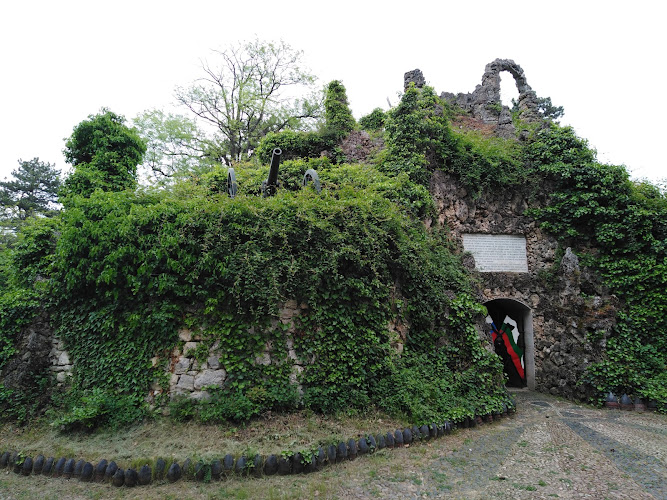
Skobelev Park
About Skobelev Park
Description
Skobelev Park stands as one of Bulgaria's most compelling historical destinations, where the echoes of a pivotal 19th-century battle still resonate through carefully preserved landscapes. Located just outside Pleven, this museum park occupies the exact battlefield where General Mikhail Skobelev led his forces during the brutal Siege of Plevna in 1877-78. What makes this place truly remarkable isn't just its historical significance – it's how seamlessly the park blends solemn remembrance with peaceful recreation.
I've always found battlefield parks fascinating because they tell stories that textbooks simply can't capture. And Skobelev Park does this exceptionally well, transforming what was once a site of fierce combat into a place where families picnic under the same trees that witnessed history unfold. The park was thoughtfully constructed between 1904 and 1907, making it not just a memorial but also a testament to how nations choose to remember their past.
The central ossuary serves as the park's emotional anchor, containing the remains of Russian and Romanian soldiers who fell during the third assault on Pleven. But don't let the somber history fool you – this 40-hectare space has evolved into something much more dynamic. Modern visitors discover well-maintained walking trails, cycling paths, and surprisingly good facilities that make it accessible for everyone, including wheelchair users and families with young children.
Key Features
The park's distinctive features create an experience that's both educational and genuinely enjoyable for outdoor enthusiasts:
- The Central Ossuary and Chapel-Mausoleum – Houses remains of fallen soldiers and features stunning Orthodox architecture that photographs beautifully in golden hour light
- House-Museum "Tsar Osvoboditel Alexander II" – Provides detailed context about the Russo-Turkish War through well-curated exhibits and authentic artifacts
- Extensive Trail Network – Over 8 kilometers of marked paths wind through the historic battlefield, perfect for both casual walks and serious hiking
- Dedicated Cycling Lanes – Separate bike paths allow cyclists to explore without interfering with pedestrian traffic
- Dog-Friendly Areas – Designated spaces where pets can exercise freely, making it popular with local dog owners
- Picnic Facilities – Multiple shaded areas with tables and benches, ideal for family gatherings
- Wheelchair Accessibility – Paved pathways and accessible parking ensure everyone can experience the park's main attractions
- Historical Markers – Detailed plaques throughout the grounds explain specific battle events and their significance
- Native Flora Conservation – Protected plant species that have reclaimed the former battlefield create unexpected botanical interest
Best Time to Visit
Timing your visit to Skobelev Park can dramatically impact your experience, and honestly, I wish more travel guides explained this better. The park operates year-round, but each season offers distinctly different advantages for travelers.
Spring (April through May) emerges as perhaps the most rewarding time for photography enthusiasts and nature lovers. The battlefield transforms into an unexpected wildflower meadow, with native Bulgarian species creating colorful carpets across historically significant ground. Temperatures hover comfortably between 15-20°C, perfect for extended hiking sessions. Plus, you'll encounter fewer crowds during weekdays, allowing for more contemplative moments at the memorial sites.
Summer brings peak visitor season, which has both pros and cons. The long daylight hours mean you can thoroughly explore the extensive trail system, and the warm weather makes picnicking particularly appealing. But July and August can get quite hot – sometimes reaching 35°C – making midday visits somewhat uncomfortable. Early morning or late afternoon tours work best during these months.
Autumn presents my personal favorite visiting window. September through October offers mild temperatures and stunning foliage that creates an almost cinematic backdrop for the historical monuments. The changing leaves seem to echo the park's themes of remembrance and transition. And there's something poetic about visiting during September, considering the original battle occurred between August 30 and September 11, 1877.
Winter visits require more planning but reward hardy travelers with solitude and stark beauty. Snow-covered memorials take on an ethereal quality that summer visitors never experience. Just dress warmly and check weather conditions, as some trails might become slippery.
How to Get There
Reaching Skobelev Park from Pleven requires minimal effort, though having a clear transportation plan definitely improves your experience. The park sits approximately 5 kilometers southwest of Pleven's city center, making it easily accessible through multiple transportation options.
Driving remains the most convenient approach, especially for families or groups carrying picnic supplies. From Pleven's center, follow signs toward Sofia on the A1 highway, then take the clearly marked exit for Skobelev Park. The drive takes roughly 15 minutes in normal traffic. Parking facilities at the park entrance accommodate both regular vehicles and those requiring wheelchair accessibility, though spaces can fill up during peak season weekends.
Public transportation works surprisingly well for budget-conscious travelers. Bus line 6 operates regular service between Pleven's central station and the park entrance, running approximately every 30 minutes during daylight hours. The journey costs less than 2 leva and takes about 25 minutes, including stops. Just check the current schedule, as service can be reduced on Sundays and holidays.
For the more adventurous, cycling from Pleven creates an excellent warm-up for exploring the park's extensive trail network. The route follows mostly flat terrain with designated bike lanes for the final 2 kilometers. Local bike rental shops near Pleven's train station offer reasonable daily rates and provide basic safety equipment.
Taxi services provide door-to-door convenience and typically charge 12-15 leva for the trip from central Pleven. Many drivers speak basic English and can arrange return pickup times, which proves helpful if you're planning an extended visit.
Tips for Visiting
Smart preparation can transform a good visit into an exceptional one, and I've learned these lessons through both personal experience and watching other travelers navigate the park.
Pack layers regardless of season – the park's elevation and open terrain create microclimates that can surprise unprepared visitors. Even summer days can turn cool in shaded memorial areas, while spring mornings might start chilly but warm up significantly by afternoon. Comfortable walking shoes are absolutely essential, as the historical markers worth seeing require covering considerable ground on varied terrain.
Bring water and snacks, especially during warmer months. While the park has some facilities, having your own supplies allows for spontaneous picnics and longer exploration sessions. The shaded areas near the central monuments provide perfect spots for breaks between trail segments.
Photography enthusiasts should plan for golden hour visits – the monuments and landscapes photograph dramatically during the hour after sunrise or before sunset. But be respectful around memorial sites and avoid climbing on historical structures for better angles.
Dog owners will find the park welcoming, but local regulations require leashes in certain areas, particularly near the memorial sites. The designated dog exercise areas provide space for off-leash activity while respecting the park's solemn purpose.
Consider combining your visit with nearby attractions to maximize your time in the region. The city of Pleven offers additional historical sites and restaurants that complement the park experience nicely. Many visitors find that spending a full day in the area provides better value than rushing through multiple destinations.
Finally, download offline maps before arriving – cell service can be spotty in some areas of the park, and having navigation backup ensures you don't miss important historical markers or get turned around on the trail system. The park's layout is logical, but it's larger than many visitors initially expect.
Key Features
- Key Features
- Best Time to Visit
- How to Get There
- Tips for Visiting
More Details
Updated September 13, 2025
Table of Contents
Description
Skobelev Park stands as one of Bulgaria’s most compelling historical destinations, where the echoes of a pivotal 19th-century battle still resonate through carefully preserved landscapes. Located just outside Pleven, this museum park occupies the exact battlefield where General Mikhail Skobelev led his forces during the brutal Siege of Plevna in 1877-78. What makes this place truly remarkable isn’t just its historical significance – it’s how seamlessly the park blends solemn remembrance with peaceful recreation.
I’ve always found battlefield parks fascinating because they tell stories that textbooks simply can’t capture. And Skobelev Park does this exceptionally well, transforming what was once a site of fierce combat into a place where families picnic under the same trees that witnessed history unfold. The park was thoughtfully constructed between 1904 and 1907, making it not just a memorial but also a testament to how nations choose to remember their past.
The central ossuary serves as the park’s emotional anchor, containing the remains of Russian and Romanian soldiers who fell during the third assault on Pleven. But don’t let the somber history fool you – this 40-hectare space has evolved into something much more dynamic. Modern visitors discover well-maintained walking trails, cycling paths, and surprisingly good facilities that make it accessible for everyone, including wheelchair users and families with young children.
Key Features
The park’s distinctive features create an experience that’s both educational and genuinely enjoyable for outdoor enthusiasts:
- The Central Ossuary and Chapel-Mausoleum – Houses remains of fallen soldiers and features stunning Orthodox architecture that photographs beautifully in golden hour light
- House-Museum “Tsar Osvoboditel Alexander II” – Provides detailed context about the Russo-Turkish War through well-curated exhibits and authentic artifacts
- Extensive Trail Network – Over 8 kilometers of marked paths wind through the historic battlefield, perfect for both casual walks and serious hiking
- Dedicated Cycling Lanes – Separate bike paths allow cyclists to explore without interfering with pedestrian traffic
- Dog-Friendly Areas – Designated spaces where pets can exercise freely, making it popular with local dog owners
- Picnic Facilities – Multiple shaded areas with tables and benches, ideal for family gatherings
- Wheelchair Accessibility – Paved pathways and accessible parking ensure everyone can experience the park’s main attractions
- Historical Markers – Detailed plaques throughout the grounds explain specific battle events and their significance
- Native Flora Conservation – Protected plant species that have reclaimed the former battlefield create unexpected botanical interest
Best Time to Visit
Timing your visit to Skobelev Park can dramatically impact your experience, and honestly, I wish more travel guides explained this better. The park operates year-round, but each season offers distinctly different advantages for travelers.
Spring (April through May) emerges as perhaps the most rewarding time for photography enthusiasts and nature lovers. The battlefield transforms into an unexpected wildflower meadow, with native Bulgarian species creating colorful carpets across historically significant ground. Temperatures hover comfortably between 15-20°C, perfect for extended hiking sessions. Plus, you’ll encounter fewer crowds during weekdays, allowing for more contemplative moments at the memorial sites.
Summer brings peak visitor season, which has both pros and cons. The long daylight hours mean you can thoroughly explore the extensive trail system, and the warm weather makes picnicking particularly appealing. But July and August can get quite hot – sometimes reaching 35°C – making midday visits somewhat uncomfortable. Early morning or late afternoon tours work best during these months.
Autumn presents my personal favorite visiting window. September through October offers mild temperatures and stunning foliage that creates an almost cinematic backdrop for the historical monuments. The changing leaves seem to echo the park’s themes of remembrance and transition. And there’s something poetic about visiting during September, considering the original battle occurred between August 30 and September 11, 1877.
Winter visits require more planning but reward hardy travelers with solitude and stark beauty. Snow-covered memorials take on an ethereal quality that summer visitors never experience. Just dress warmly and check weather conditions, as some trails might become slippery.
How to Get There
Reaching Skobelev Park from Pleven requires minimal effort, though having a clear transportation plan definitely improves your experience. The park sits approximately 5 kilometers southwest of Pleven’s city center, making it easily accessible through multiple transportation options.
Driving remains the most convenient approach, especially for families or groups carrying picnic supplies. From Pleven’s center, follow signs toward Sofia on the A1 highway, then take the clearly marked exit for Skobelev Park. The drive takes roughly 15 minutes in normal traffic. Parking facilities at the park entrance accommodate both regular vehicles and those requiring wheelchair accessibility, though spaces can fill up during peak season weekends.
Public transportation works surprisingly well for budget-conscious travelers. Bus line 6 operates regular service between Pleven’s central station and the park entrance, running approximately every 30 minutes during daylight hours. The journey costs less than 2 leva and takes about 25 minutes, including stops. Just check the current schedule, as service can be reduced on Sundays and holidays.
For the more adventurous, cycling from Pleven creates an excellent warm-up for exploring the park’s extensive trail network. The route follows mostly flat terrain with designated bike lanes for the final 2 kilometers. Local bike rental shops near Pleven’s train station offer reasonable daily rates and provide basic safety equipment.
Taxi services provide door-to-door convenience and typically charge 12-15 leva for the trip from central Pleven. Many drivers speak basic English and can arrange return pickup times, which proves helpful if you’re planning an extended visit.
Tips for Visiting
Smart preparation can transform a good visit into an exceptional one, and I’ve learned these lessons through both personal experience and watching other travelers navigate the park.
Pack layers regardless of season – the park’s elevation and open terrain create microclimates that can surprise unprepared visitors. Even summer days can turn cool in shaded memorial areas, while spring mornings might start chilly but warm up significantly by afternoon. Comfortable walking shoes are absolutely essential, as the historical markers worth seeing require covering considerable ground on varied terrain.
Bring water and snacks, especially during warmer months. While the park has some facilities, having your own supplies allows for spontaneous picnics and longer exploration sessions. The shaded areas near the central monuments provide perfect spots for breaks between trail segments.
Photography enthusiasts should plan for golden hour visits – the monuments and landscapes photograph dramatically during the hour after sunrise or before sunset. But be respectful around memorial sites and avoid climbing on historical structures for better angles.
Dog owners will find the park welcoming, but local regulations require leashes in certain areas, particularly near the memorial sites. The designated dog exercise areas provide space for off-leash activity while respecting the park’s solemn purpose.
Consider combining your visit with nearby attractions to maximize your time in the region. The city of Pleven offers additional historical sites and restaurants that complement the park experience nicely. Many visitors find that spending a full day in the area provides better value than rushing through multiple destinations.
Finally, download offline maps before arriving – cell service can be spotty in some areas of the park, and having navigation backup ensures you don’t miss important historical markers or get turned around on the trail system. The park’s layout is logical, but it’s larger than many visitors initially expect.
Key Highlights
- Key Features
- Best Time to Visit
- How to Get There
- Tips for Visiting
Location
Places to Stay Near Skobelev Park
Find and Book a Tour
Explore More Travel Guides
No reviews found! Be the first to review!
Traveler Reviews for Skobelev Park
There are no reviews yet. Be the first one to write one.
Have you visited Skobelev Park? Help other travelers by sharing your review.
You Might Also Like
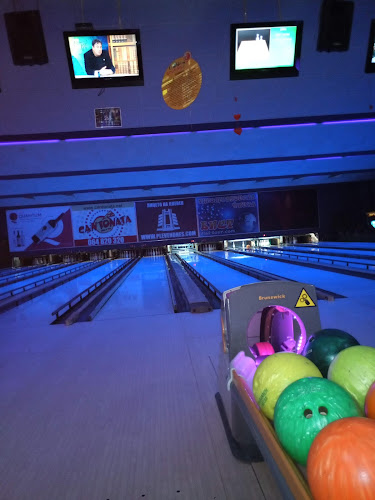
Galaxy Bowling Club - Pleven
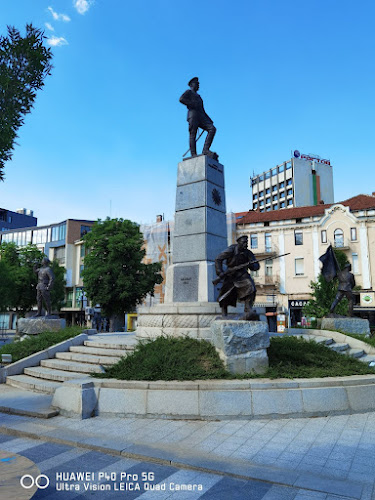
Pleven
Pleven Center, ul. "Tsar Samuil" 75, 5801
Find Accommodations Nearby
Recommended Tours & Activities
Visitor Reviews
There are no reviews yet. Be the first one to write one.
Share Your Experience
Have you visited Skobelev Park? Help other travelers by leaving a review.