

Historical Museum “Iskra”
About Historical Museum “Iskra”
The Historical Museum "Iskra" stands as one of Bulgaria's most treasured cultural institutions, and honestly, it's been capturing visitors' hearts since 1901. Founded by Peter Topuzov, a passionate local citizen who believed his community's history deserved preservation, this remarkable museum has grown into something truly special over the decades.
Walking through Iskra feels like stepping into a time machine - and I don't mean that in a cheesy way. The museum houses over 70,000 original artifacts that tell the story of the Kazanlak region's rich heritage. What strikes most visitors first is the sheer diversity of collections here. You'll find everything from ancient Thracian treasures to Renaissance-era artifacts, and the quality of preservation is genuinely impressive.
The museum's reputation extends far beyond Bulgaria's borders, partly because of its connection to the famous Valley of the Thracian Kings. But what many travelers don't realize is that Iskra serves as the gateway to understanding all the Thracian tombs in this historically significant valley. The museum doesn't just display artifacts; it weaves together the complete narrative of how this region shaped Bulgarian culture and history.
One thing that consistently surprises visitors is the museum's accessibility. The building welcomes everyone, including those with mobility challenges, which unfortunately isn't always the case with older European museums. And parents traveling with children will appreciate that the exhibits are designed to engage younger minds without dumbing down the content.
Key Features
The Historical Museum "Iskra" offers several distinctive experiences that set it apart from typical history museums:
- Archaeology Department - Houses one of South-Eastern Europe's largest collections of bone sickles, along with significant Thracian artifacts that provide insight into ancient civilizations
- Renaissance Collection - Features carefully curated pieces that showcase Bulgaria's cultural awakening during the Revival period
- Ethnography Section - Displays traditional jewelry, clothing, and everyday objects that bring the region's folk culture to life
- Weapons Collection - Includes both cold steel and historic firearms that tell stories of Bulgaria's military heritage
- Medieval Ceramics - Showcases pottery and decorative items that reveal artistic traditions spanning centuries
- Modern History Exhibits - Covers Bulgaria's more recent past, helping visitors understand how historical events shaped contemporary culture
- Thracian Treasury Displays - Features precious metals and ornate objects that demonstrate the sophistication of ancient Thracian society
- Interactive Learning Spaces - Designed specifically with families in mind, making complex historical concepts accessible to children
Best Time to Visit
Timing your visit to the Historical Museum "Iskra" can significantly impact your experience, and there's more to consider than just the weather outside. The museum operates year-round, but certain periods offer distinct advantages for different types of travelers.
Spring months, particularly April and May, bring ideal conditions for exploring Kazanlak and its surroundings. The famous Rose Festival typically occurs during this period, and many visitors combine their museum trip with this cultural celebration. But here's something most guidebooks won't tell you - visiting during festival season means larger crowds at the museum, especially on weekends.
Summer presents a double-edged situation. While the weather is perfect for exploring the broader region, including outdoor archaeological sites, the museum itself can become quite warm. The building's historical architecture, while beautiful, wasn't designed with modern climate control in mind. However, summer also brings extended opening hours and special exhibitions that aren't available during other seasons.
Fall, particularly September and October, offers what many consider the sweet spot for visiting. The weather remains pleasant, summer crowds have thinned out, and you'll have more opportunities for meaningful conversations with the museum staff. Plus, the lighting during autumn months creates particularly atmospheric conditions for viewing the exhibits.
Winter visits have their own charm, though they require different expectations. The museum feels more intimate during colder months, and you're likely to have entire sections to yourself for extended periods. This can be particularly valuable when examining the more detailed artifacts that benefit from unhurried observation.
Weekday visits generally provide better experiences regardless of season. Tuesday through Thursday typically see the smallest crowds, allowing for more personal interaction with exhibits and staff members who often have fascinating stories to share beyond what's written on the display cards.
How to Get There
Getting to the Historical Museum "Iskra" involves several transportation options, each with its own advantages depending on your travel style and starting point. Most international visitors begin their journey from Sofia, Bulgaria's capital and primary entry point for tourists.
The most straightforward approach involves taking a bus from Sofia's Central Bus Station to Kazanlak. The journey takes approximately 3.5 to 4 hours, and buses run regularly throughout the day. What many travelers don't realize is that booking morning departures often provides better seating options and more reliable schedules. The bus route passes through some genuinely scenic Bulgarian countryside, so don't spend the entire journey staring at your phone.
Train travel represents another option, though it requires a bit more planning. The railway connection isn't direct, typically requiring a transfer in Plovdiv or another junction city. While this adds time to your journey, some travelers prefer the train experience for its comfort and the opportunity to meet locals during the trip.
Renting a car opens up the most flexibility, especially if you're planning to explore other attractions in the Valley of the Thracian Kings. The drive from Sofia takes about 3 hours via the A1 and A6 highways, and the roads are generally in good condition. However, parking near the museum can become challenging during peak tourist seasons, so arriving early in the day often proves beneficial.
Once you arrive in Kazanlak, the museum is easily walkable from most accommodations in the city center. Local taxis are readily available and reasonably priced, though the distances involved rarely justify the expense unless you're carrying heavy luggage or traveling with mobility considerations.
For those staying in nearby cities like Plovdiv or Stara Zagora, day trips to the museum are entirely feasible. Several tour companies offer organized visits, though independent travel provides more flexibility for exploring at your own pace.
Tips for Visiting
Planning your visit to the Historical Museum "Iskra" effectively can transform a good experience into an exceptional one. Here are insights gained from multiple visits and conversations with both staff and fellow travelers.
Arrive with realistic time expectations. Many visitors underestimate how long they'll want to spend here. The museum's 70,000 artifacts obviously aren't all on display simultaneously, but what is exhibited deserves more than a quick walkthrough. Budget at least 2-3 hours for a thorough visit, and don't be surprised if you find yourself wanting more time.
The museum provides information in Bulgarian and English, but bringing a translation app can help with some of the more detailed descriptions. Better yet, inquire about guided tours when you arrive. The staff's passion for their collections becomes evident during these sessions, and they often share stories and context that significantly enriches the experience.
Photography policies vary by section, so ask about current rules when purchasing your ticket. Some areas allow non-flash photography while others restrict it entirely to preserve sensitive artifacts. Respecting these guidelines helps ensure future visitors can enjoy the same well-preserved exhibits.
Comfortable walking shoes are essential. The museum building spans multiple floors and involves quite a bit of standing and walking on various surfaces. And while the facility is wheelchair accessible, some exhibit areas have tight spaces that can become crowded during busy periods.
Consider visiting the museum early in your stay in Kazanlak rather than as a final stop. The context and historical background you'll gain here enhances visits to other regional attractions, particularly the Thracian tombs and archaeological sites scattered throughout the valley.
The museum shop, while small, offers some unique items that aren't available at larger tourist destinations. Books about Thracian culture and locally-made crafts make meaningful souvenirs, and purchases directly support the museum's ongoing preservation efforts.
Finally, engage with the staff when possible. Many have worked at the museum for years and possess encyclopedic knowledge about the collections. Their enthusiasm is infectious, and a brief conversation can often lead to recommendations for other historical sites in the region that might align with your particular interests.
The restroom facilities are clean and well-maintained, which might seem like a minor detail but becomes important during longer visits. And while there's no restaurant on-site, the surrounding area offers several cafes and eateries within easy walking distance for meal breaks.
You Might Also Like
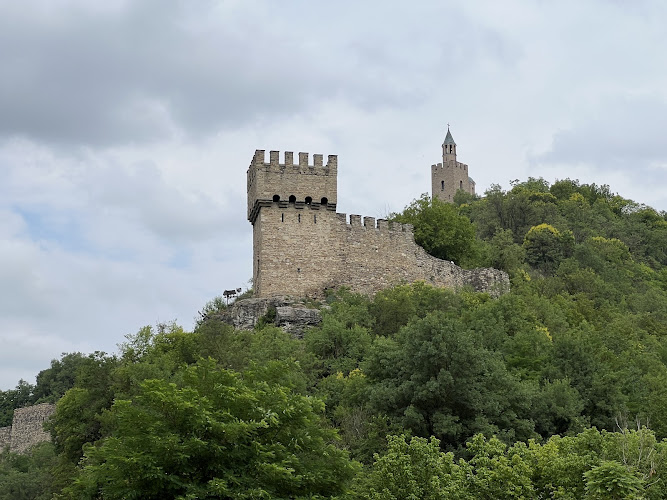
Baldwin's Tower
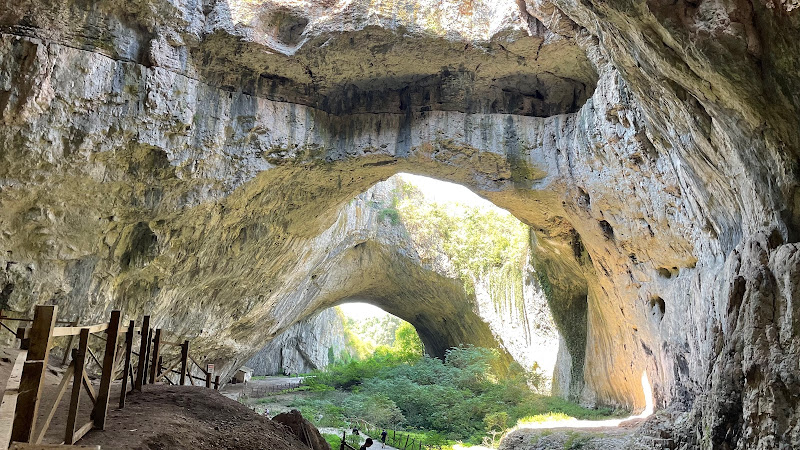
Devetashka Cave
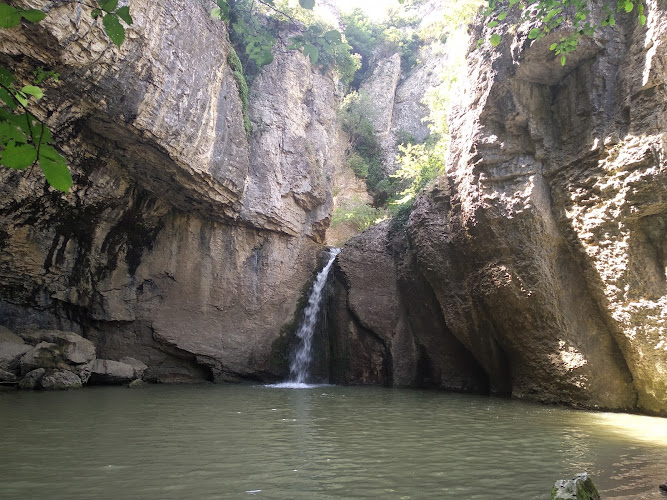
Emen Waterfall
Tours & Activities
GetYourGuide provides this tour inventory. We may earn a commission if you book through it; verify current availability, prices, and terms with the provider.
Visitor Reviews
There are no reviews yet. Be the first one to write one.
Share Your Experience
Have you visited Historical Museum “Iskra”? Help other travelers by leaving a review.