
Plaza de Armas de Moquegua
About Plaza de Armas de Moquegua
Description
Key Features
- Ornamental Fountain: The elegant French-made pileta stands at the core, a real photographic magnet and historical touchstone.
- San Domingo Cathedral: This central church isn’t just a religious site—it’s an architectural icon, especially striking at sunset when its façade glows golden.
- Colonial and Republican Mansions: The surrounding buildings give the whole plaza a sense of continuity and history, with colorful facades and wooden balconies lending it real charm.
- Mature Palm Trees and Shade: For folks sensitive to the sun (like me!), the large palms and gardens are lifesavers come midday.
- Cultural Events & Festivities: From parades on Perú’s Independence Day in July to spontaneous music in the evenings, the plaza acts as the primary stage for the city’s festivals and public events.
- Street Vendors and Local Restaurants: The plaza forms a hotspot for trying Moquegua’s local flavors, whether that’s from a humble street food stall or one of the city’s classic restaurants, some of which have been around for decades.
- Relaxed, Safe Atmosphere: Unlike bigger cities, here you can relax and walk around without much rush or worry. Police presence is visible and helpful.
- Central Location: The plaza acts as a perfect jumping-off point for exploring the rest of Moquegua, and most of the city’s notable sites, museums, and municipal buildings start or end here.
Best Time to Visit
How to Get There
Tips for Visiting
- Arrive Early for Peace: Want to take photos or just enjoy some quiet? Swing by before 9 am when the plaza’s at its sleepiest—just birds, a few gardeners, and maybe a cheery abuelita on her morning walk.
- Don’t Skip the Details: Look up! The surrounding colonial houses have intricate balconies and ironwork, stories built into their details. If you’re lucky, you might catch an open house or guided tours in the afternoons.
- Try the Plaza-side Cafés: I’m convinced some of the best coffee in the city comes from the little spots just off the plaza. Order a café pasado and a pastel de choclo for the full Moquegua effect.
- Visit the Cathedral: Even if you’re not religious, step inside San Domingo for a cool moment among the columns and stained glass. If you’re in town on a Sunday, you might hear a bit of choir music floating out onto the plaza.
- Stay Alert for Events: The plaza plays host to pop-up markets, concerts, and cultural fairs. Ask at your hotel or check municipal calendars—happening upon a fiesta is half the fun.
- Sun Protection: Moquegua’s sunshine is strong year-round. Bring a hat, sunglasses, and sunscreen; you’ll thank me later.
- People-Watching Opportunities: Grab a bench with a view and let the world go by. You’ll see everything from wedding photoshoots to teenagers practicing marinera (the local dance). It’s honestly a joy for anyone who likes a bit of urban anthropology—or just plain nosiness.
- Explore Beyond the Plaza: Use the plaza as your basecamp and pop into local museums, the archaeological zone, or even take a quick jaunt to the city’s mirador for panoramic valley views. The central location means you’re never far from something special.
- Stay at Least One Night: Many folks breeze through as a day trip from Ilo, but I say spend the night. The plaza after dark—illuminated, quiet, but still subtly alive—is a whole different experience than the daytime rush.
- Be Respectful of Local Life: The plaza isn’t just for tourists. It’s the city’s core, so be mindful of locals hustling to work or kids in uniform. Sometimes, simply sitting quietly offers deeper insight than any guided tour.
Key Features
- Key Features
- Best Time to Visit
- How to Get There
- Tips for Visiting
More Details
Updated September 16, 2025
Table of Contents
- Description
- Key Features
- Best Time to Visit
- How to Get There
- Tips for Visiting
- Key Highlights
- Location
- Places to Stay Near Plaza de Armas de Moquegua"Its It's beautiful historic."
- Find and Book a Tour
- Explore More Travel Guides
- Nearby Places You Might Like
- Traveler Reviews for Plaza de Armas de Moquegua
- Share Your Experience
Description
The plaza itself is a blend of Peruvian history, thoughtful urban design, and lively street culture. Towering trees provide much-needed shade (if you’ve visited Moquegua in summer, you’ll understand why that’s not just nice but necessary), while ornate iron benches wind around the pavers. But what really draws your attention is the ornamental fountain—the pileta—which has roots tracing back to the 19th century. It’s French in origin if you’re into your historical trivia, an import from the famed Val d’Osne foundry in France. I love that touch, honestly: it brings this bit of European flair to Peru’s south.
And don’t even get me started on the architecture. The surrounding buildings are a real treat for the eyes. The San Domingo cathedral anchors one end, with its majestic colonial façade and twin bell towers. On the other edges, you’ll spot republican-era mansions with colorful walls and carved wooden balconies. There’s something oddly comforting about it all; maybe it’s because unlike some plazas in the country, this one feels like it’s constantly being used—not just a place for photos but a real community hub.
Evenings here are a joy, with families or friend groups heading out for a paseo (evening stroll), street vendors selling picarones or helados, and sometimes a municipal band adding a festive atmosphere. If you enjoy people-watching, you might find yourself losing hours here, soaking in the pleasant pace of the Moquegua city life.
Of course, not everything’s perfect. Sometimes you might encounter stray dogs, a bit of litter after a festival, or a street performer who’s just a little too persistent. But that’s part of the city’s honest rhythm. The plaza isn’t a museum piece—it’s alive. If you’re the sort who likes a pristine, picture-perfect setting, you might find flaws. If you like a place with a pulse, though, Plaza de Armas de Moquegua is bound to win you over.
Key Features
- Ornamental Fountain: The elegant French-made pileta stands at the core, a real photographic magnet and historical touchstone.
- San Domingo Cathedral: This central church isn’t just a religious site—it’s an architectural icon, especially striking at sunset when its façade glows golden.
- Colonial and Republican Mansions: The surrounding buildings give the whole plaza a sense of continuity and history, with colorful facades and wooden balconies lending it real charm.
- Mature Palm Trees and Shade: For folks sensitive to the sun (like me!), the large palms and gardens are lifesavers come midday.
- Cultural Events & Festivities: From parades on Perú’s Independence Day in July to spontaneous music in the evenings, the plaza acts as the primary stage for the city’s festivals and public events.
- Street Vendors and Local Restaurants: The plaza forms a hotspot for trying Moquegua’s local flavors, whether that’s from a humble street food stall or one of the city’s classic restaurants, some of which have been around for decades.
- Relaxed, Safe Atmosphere: Unlike bigger cities, here you can relax and walk around without much rush or worry. Police presence is visible and helpful.
- Central Location: The plaza acts as a perfect jumping-off point for exploring the rest of Moquegua, and most of the city’s notable sites, museums, and municipal buildings start or end here.
Best Time to Visit
July’s special, too. That’s when Perú throws its big Independence Day celebration, and the plaza becomes a riot of color: parades, traditional dance performances, kids waving little red-and-white flags, and food carts offering everything from anticuchos to Moqueguan sweets. Sometimes the crowds are a bit much, but if cultural immersion’s your thing, there’s nothing like it.
December and January can get hotter and sometimes rainy, but I’ll tell you: a quick midday shower in Moquegua is actually refreshing and the plaza takes on a different, greener look. Midday can get a bit toasty August to November, though the plaza’s trees offer decent refuge.
How to Get There
Once you arrive in Moquegua city, reaching the Plaza de Armas couldn’t be simpler. Nearly all taxis know the plaza as the heart of the centro, so just flag one down or use a rideshare app. The bus terminal isn’t far—probably just a 10-minute taxi ride depending on traffic. For adventurous types, you could even walk from many central hotels and hostels. The city itself is relatively safe and easy to navigate.
If you’re coming from the coast, say, the port city Ilo, it’s about an hour’s drive on a well-maintained road. Frequent public buses connect Ilo and Moquegua throughout the day, and you’ll be dropped near the city center; from there, it’s a short stroll to the plaza. You could also hop on a collectivo, a shared taxi for a little more speed and comfort. Either way, you’re just about guaranteed a view of the desert hills and river valley—some of the prettiest in southern Perú.
Tips for Visiting
- Arrive Early for Peace: Want to take photos or just enjoy some quiet? Swing by before 9 am when the plaza’s at its sleepiest—just birds, a few gardeners, and maybe a cheery abuelita on her morning walk.
- Don’t Skip the Details: Look up! The surrounding colonial houses have intricate balconies and ironwork, stories built into their details. If you’re lucky, you might catch an open house or guided tours in the afternoons.
- Try the Plaza-side Cafés: I’m convinced some of the best coffee in the city comes from the little spots just off the plaza. Order a café pasado and a pastel de choclo for the full Moquegua effect.
- Visit the Cathedral: Even if you’re not religious, step inside San Domingo for a cool moment among the columns and stained glass. If you’re in town on a Sunday, you might hear a bit of choir music floating out onto the plaza.
- Stay Alert for Events: The plaza plays host to pop-up markets, concerts, and cultural fairs. Ask at your hotel or check municipal calendars—happening upon a fiesta is half the fun.
- Sun Protection: Moquegua’s sunshine is strong year-round. Bring a hat, sunglasses, and sunscreen; you’ll thank me later.
- People-Watching Opportunities: Grab a bench with a view and let the world go by. You’ll see everything from wedding photoshoots to teenagers practicing marinera (the local dance). It’s honestly a joy for anyone who likes a bit of urban anthropology—or just plain nosiness.
- Explore Beyond the Plaza: Use the plaza as your basecamp and pop into local museums, the archaeological zone, or even take a quick jaunt to the city’s mirador for panoramic valley views. The central location means you’re never far from something special.
- Stay at Least One Night: Many folks breeze through as a day trip from Ilo, but I say spend the night. The plaza after dark—illuminated, quiet, but still subtly alive—is a whole different experience than the daytime rush.
- Be Respectful of Local Life: The plaza isn’t just for tourists. It’s the city’s core, so be mindful of locals hustling to work or kids in uniform. Sometimes, simply sitting quietly offers deeper insight than any guided tour.
Key Highlights
- Key Features
- Best Time to Visit
- How to Get There
- Tips for Visiting
Location
Places to Stay Near Plaza de Armas de Moquegua"Its It's beautiful historic."
Find and Book a Tour
Explore More Travel Guides
No reviews found! Be the first to review!
Traveler Reviews for Plaza de Armas de Moquegua
There are no reviews yet. Be the first one to write one.
Have you visited Plaza de Armas de Moquegua? Help other travelers by sharing your review.
You Might Also Like
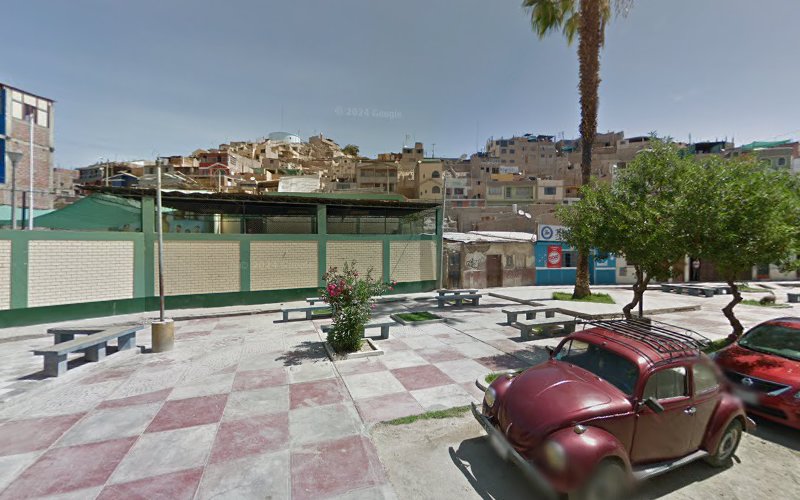
Calle Omate Park
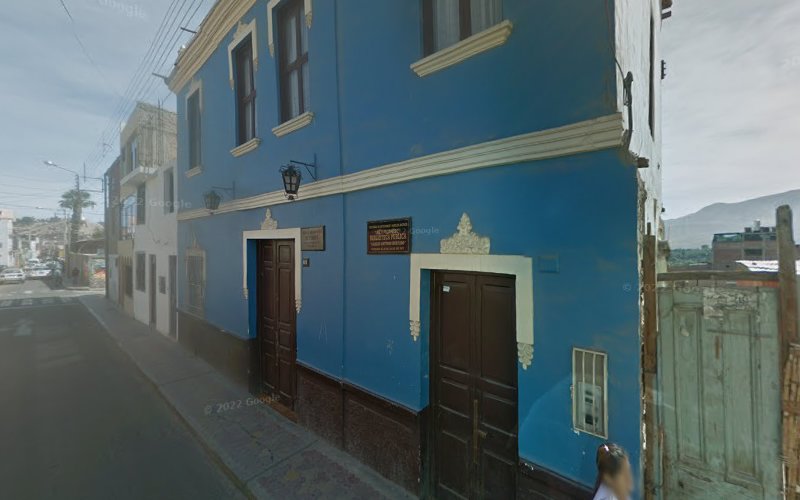
Sociedad de Artesanos
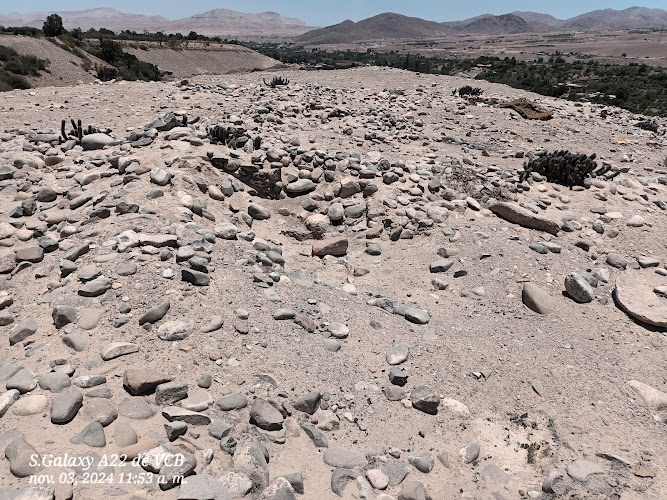
Zona Arqueológica Estuquiña
Find Accommodations Nearby
Recommended Tours & Activities
Visitor Reviews
There are no reviews yet. Be the first one to write one.
Share Your Experience
Have you visited Plaza de Armas de Moquegua? Help other travelers by leaving a review.